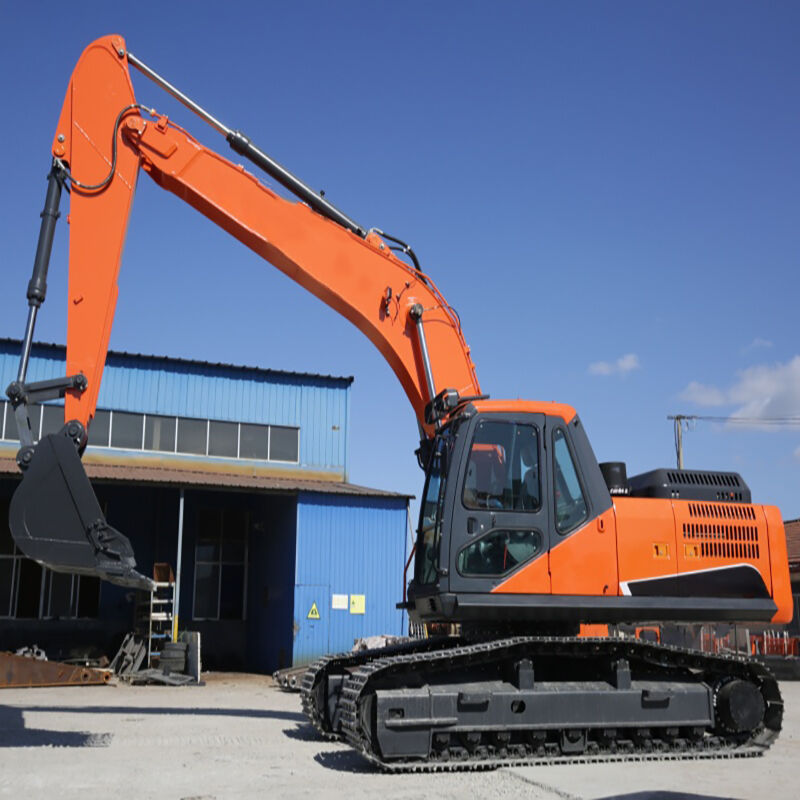
Large Mining Excavator: High-Capacity Heavy Equipment for Mining Operations and Material Extraction

All Categories

large mining excavator

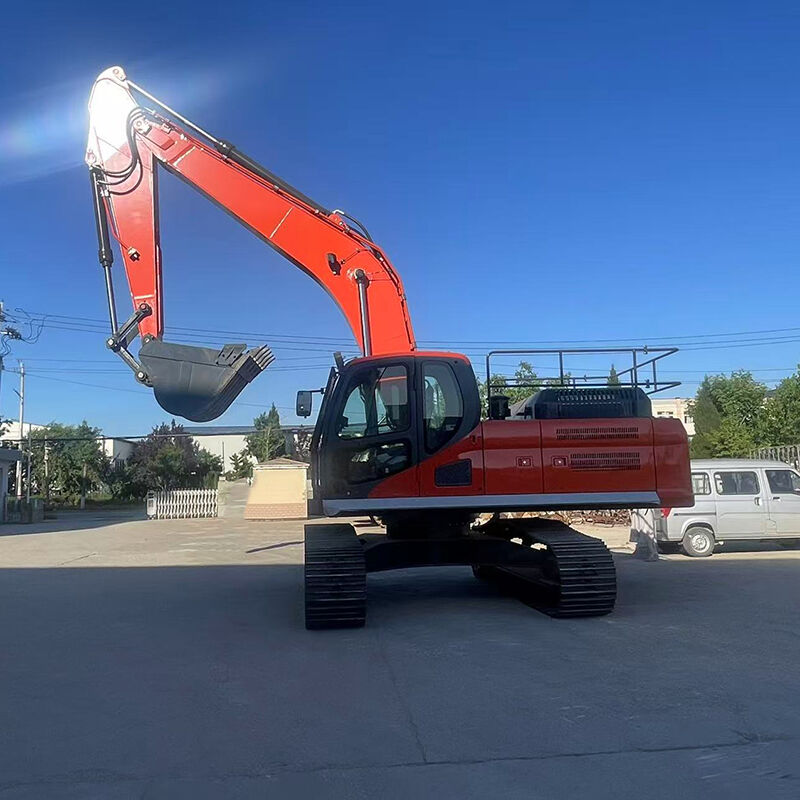
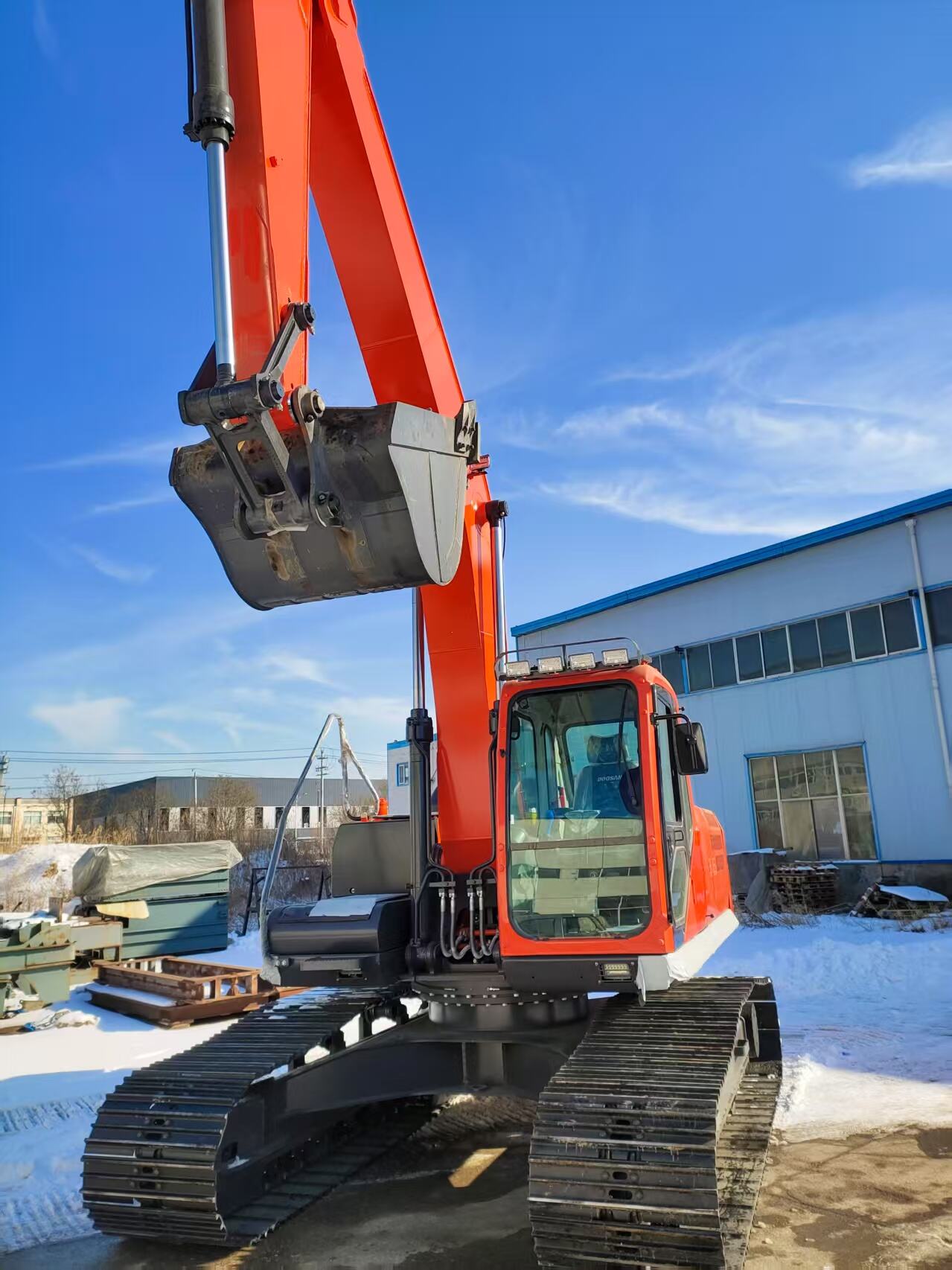
The large mining excavator represents a cornerstone of modern extractive operations, serving as an essential piece of heavy machinery designed to handle the most demanding earthmoving tasks in mining environments. These powerful machines are engineered specifically to extract vast quantities of material from open-pit mines, quarries, and large-scale construction sites. A large mining excavator typically features bucket capacities ranging from 20 to over 100 cubic meters, with operating weights that can exceed 800 tons for the largest models. The primary function of this equipment centers on efficient material removal, including overburden stripping, ore extraction, and waste rock handling. Technologically, modern large mining excavators incorporate advanced hydraulic systems that deliver exceptional digging force while maintaining precise control during operation. The machines utilize sophisticated computer monitoring systems that track performance metrics, fuel consumption, maintenance schedules, and operational efficiency in real-time. Operator cabins are designed with ergonomic considerations, featuring climate control, vibration dampening, and 360-degree visibility to enhance safety and productivity. The undercarriage employs crawler tracks with substantial ground contact area, distributing the machine's enormous weight to prevent ground damage and ensure stability on varying terrain conditions. Power plants in these excavators typically range from 1,000 to over 4,000 horsepower, utilizing diesel engines with turbocharging and intercooling for optimal performance at altitude and in extreme temperatures. Applications extend across multiple sectors, with primary use in coal mining, metal ore extraction, oil sands operations, and large infrastructure projects. The large mining excavator excels in loading haul trucks, creating benches in pit walls, and managing stockpiles. Its versatility allows for attachment changes, enabling the same machine to perform digging, loading, and material handling functions. Modern units integrate GPS positioning and fleet management systems, allowing mine operators to optimize machine deployment and monitor productivity across entire operations.


New Product Releases

Investing in a large mining excavator delivers substantial operational benefits that directly impact your bottom line and project success. First and foremost, these machines dramatically increase productivity compared to smaller equipment, moving significantly more material per hour and reducing the time required to complete extraction phases. A single large mining excavator can replace multiple smaller machines, streamlining your fleet and simplifying logistics on site. This consolidation leads to reduced operator requirements, as one skilled professional can accomplish the work that previously demanded several operators and machines. Fuel efficiency per ton of material moved improves substantially with larger excavators, as the economies of scale mean you consume less fuel relative to the volume of earth relocated. Maintenance becomes more manageable when you operate fewer machines, reducing the complexity of parts inventory, service scheduling, and downtime coordination. The advanced monitoring systems built into modern large mining excavators provide early warning of potential mechanical issues, allowing you to address problems before they escalate into costly failures that halt production. These machines deliver superior digging depth and reach, enabling you to access material that smaller equipment simply cannot retrieve, thereby maximizing resource recovery from your mining operation. The powerful breakout force allows efficient excavation of harder materials without requiring pre-blasting in many situations, saving on explosives costs and reducing blast-related delays. Operator comfort translates directly to productivity gains, as the ergonomic cabins reduce fatigue during long shifts, maintaining consistent performance throughout the workday. Safety features including backup cameras, proximity sensors, and automated systems minimize accident risks, protecting your workforce and reducing liability exposure. The durability of large mining excavators means extended service life, often exceeding 15 years with proper maintenance, providing long-term value and predictable capital equipment costs. Their high resale value protects your investment, as these machines remain in demand throughout global markets when you decide to upgrade or change operations. Loading cycle times decrease substantially with larger bucket capacities, reducing wait times for haul trucks and optimizing your entire material transport chain. The stability provided by the wide track base ensures safe operation on slopes and uneven surfaces common in mining environments. Weather resistance allows continuous operation in rain, snow, and extreme temperatures that might sideline lighter equipment. Finally, the professional image projected by operating state-of-the-art large mining excavators enhances your company reputation with clients, investors, and regulatory authorities.

Latest News

Why Is Automation Becoming Key in Underground Mining Dump Truck Design?

17

Nov

Why Is Automation Becoming Key in Underground Mining Dump Truck Design?

The mining industry is experiencing a revolutionary transformation as automation technologies reshape how operations are conducted beneath the earth's surface. Modern underground mining dump truck systems are at the forefront of this technological ev...
View More
Why Are LHD Loaders Preferred for Material Handling in Confined Spaces?

11

Dec

Why Are LHD Loaders Preferred for Material Handling in Confined Spaces?

Underground mining operations and construction projects in confined spaces present unique challenges that require specialized equipment capable of navigating narrow tunnels and restricted work areas. LHD loaders have emerged as the preferred solution...
View More
Mining’s Next Frontier: How 5G and Remote-Controlled Underground LHDs Are Revolutionizing Underground Operations

18

Mar

Mining’s Next Frontier: How 5G and Remote-Controlled Underground LHDs Are Revolutionizing Underground Operations

The mining industry stands at a transformative crossroads where cutting-edge telecommunications technology meets advanced underground equipment automation. This revolution centers on the deployment of 5G networks paired with remote-controlled undergr...
View More
Cable vs. Battery: Comparing Power Sources for Electric LHDs Underground

18

Mar

Cable vs. Battery: Comparing Power Sources for Electric LHDs Underground

The power source selection for electric LHDs represents one of the most critical decisions facing underground mining operations today. As mines push deeper and operational demands intensify, the choice between cable-fed and battery-powered electric L...
View More

Get a Free Quote

Our representative will contact you soon.
Email
Name
Company Name
Message
0/1000

large mining excavator

Unmatched Material Moving Capacity and Production Efficiency

Unmatched Material Moving Capacity and Production Efficiency

The defining characteristic that sets the large mining excavator apart from conventional earthmoving equipment lies in its exceptional material moving capacity, which fundamentally transforms mining economics and project timelines. These formidable machines feature bucket sizes that dwarf standard excavators, with capacities typically ranging from 20 cubic meters in smaller large-class units to over 100 cubic meters in the absolute largest models currently deployed worldwide. This massive capacity translates directly into fewer loading cycles required to fill even the largest haul trucks, dramatically reducing the overall cycle time in the load-haul-dump sequence that forms the backbone of mining operations. When you consider that a typical mining operation might move millions of tons of material annually, the efficiency gains compound rapidly. A large mining excavator can load a 300-ton haul truck in as few as three to four passes, whereas smaller equipment might require ten or more cycles, significantly increasing truck queue times and reducing overall fleet productivity. The productivity advantage extends beyond simple volume metrics. Modern large mining excavators achieve bucket fill factors exceeding 95 percent through optimized bucket geometry and advanced hydraulic control systems that allow operators to maximize each scoop. The powerful digging forces, often exceeding 2,000 kilonewtons for bucket and stick combined, enable these machines to penetrate hard-packed materials and even moderately competent rock without assistance. This capability reduces dependence on drilling and blasting operations, accelerating production schedules and lowering explosive-related costs. The reach specifications of large mining excavators, often extending beyond 15 meters horizontally and achieving digging depths exceeding 10 meters, provide exceptional working range that minimizes repositioning frequency. Every move consumes time and fuel, so reducing repositioning directly improves productivity and operational economics. Operators appreciate how the responsive controls allow precise material placement despite the machine's enormous size, whether carefully building stockpiles to maximize storage capacity or selectively loading high-grade ore into dedicated trucks. The combination of capacity, power, reach, and control creates a productivity multiplier effect that justifies the significant capital investment and establishes the large mining excavator as the preferred solution for serious mining operations.
Advanced Technology Integration for Optimal Performance and Control

Advanced Technology Integration for Optimal Performance and Control

The contemporary large mining excavator represents a sophisticated integration of mechanical engineering and digital technology, creating an intelligent machine that optimizes performance while simplifying operator tasks and providing management with unprecedented operational insights. At the heart of these technological advances lies the comprehensive monitoring system that continuously tracks hundreds of parameters throughout the machine. Engine performance, hydraulic pressures, operating temperatures, fuel consumption rates, cycle counts, and component wear indicators are constantly measured and analyzed. This data streams to the operator display, providing real-time feedback that helps maintain peak efficiency, while simultaneously transmitting to fleet management systems for broader analysis. The predictive maintenance capabilities enabled by this monitoring represent a quantum leap in equipment management. Rather than following rigid time-based service schedules that may perform unnecessary maintenance or miss developing problems, the system alerts maintenance teams when specific components approach service thresholds based on actual operating conditions. This condition-based maintenance reduces unplanned downtime, extends component life, and optimizes maintenance resource allocation. The hydraulic systems in modern large mining excavators incorporate electronic control that precisely meters flow and pressure to match operating demands. This intelligent management improves fuel efficiency by eliminating waste, reduces heat generation that stresses components, and provides smoother operation that enhances operator comfort and precision. Automatic bucket positioning systems assist operators in maintaining optimal dig angles and preventing bucket spillage during swing operations, directly improving loading efficiency and reducing material loss. GPS integration has revolutionized how large mining excavators function within the broader mining operation. Position data allows dispatch systems to optimize machine deployment, directing excavators to priority locations and coordinating haul truck assignments to minimize idle time. Grade control systems guide operators in maintaining precise bench elevations and pit wall angles, improving safety and resource recovery while reducing surveying requirements. Collision avoidance systems use radar and cameras to detect personnel, vehicles, and obstacles in the machine's operating area, providing warnings and in some systems automatically limiting movement to prevent accidents. The operator interface has evolved from basic mechanical controls to sophisticated ergonomic command centers. Joystick controls with proportional response provide intuitive operation, while customizable displays present information clearly without overwhelming the operator. Climate-controlled cabins with suspension seating isolate operators from vibration, noise, and temperature extremes, reducing fatigue and supporting sustained productivity. Remote operation capabilities, increasingly available on the latest large mining excavators, allow skilled operators to control machines from safe distances or even centralized control rooms, particularly valuable in hazardous conditions or extreme climates.
Exceptional Durability and Long-Term Value Retention

Exceptional Durability and Long-Term Value Retention

The financial case for large mining excavator acquisition extends far beyond initial productivity calculations, encompassing the machine's remarkable durability, extended service life, and strong residual value that together deliver superior total cost of ownership compared to alternative equipment strategies. These machines are engineered from the ground up for continuous operation in the harshest environments imaginable, utilizing heavy-duty components and robust construction that withstand the relentless demands of mining applications. The structural frames employ high-strength steel with extensive reinforcement at stress concentration points, designed using finite element analysis to optimize strength while managing weight. Critical pivot points utilize massive pins and bushings manufactured to exacting tolerances, with sealed bearing systems that exclude contaminants while retaining lubrication. The undercarriage components, subject to enormous loads and constant wear, feature hardened steel track shoes, reinforced track frames, and substantial roller and idler assemblies designed for extended life between rebuilds. Quality manufacturing processes ensure consistent material properties and precise assembly, reducing the variation that leads to premature failures. The hydraulic systems feature oversized cylinders, pumps, and motors with generous safety margins that prevent operation at stress limits, dramatically extending component life. Filtration systems exceed industry standards, protecting sensitive hydraulic components from the contamination inevitable in mining environments. The large mining excavator typically achieves operational lifespans exceeding 15 years in demanding mining applications, with many units remaining productive for 20 years or more when maintained properly. This longevity means the substantial capital investment amortizes over an extended period, reducing the annual ownership cost and improving project economics. The machines retain functionality and value through multiple rebuild cycles, with major components including engines, pumps, and final drives rebuilt to like-new condition at costs far below replacement machine acquisition. The strong aftermarket demand for used large mining excavators provides owners with excellent exit strategies when operational requirements change. These machines command premium prices in secondary markets, particularly in developing mining regions, protecting owner equity and facilitating fleet upgrades or portfolio rebalancing. Financing institutions recognize the value stability, offering favorable terms that improve acquisition feasibility. The standardized component interfaces and widely available parts support characteristic of major manufacturers ensure maintainability throughout the machine's life, avoiding obsolescence concerns. The combination of initial capability, sustained performance, and retained value creates a compelling investment proposition that serious mining operations recognize and appreciate.

Get a Free Quote

Our representative will contact you soon.
Email
Name
Company Name
Message
0/1000