Heavy Equipment Excavator: Ultimate Guide to Features, Benefits and Applications

All Categories

heavy equipment excavator

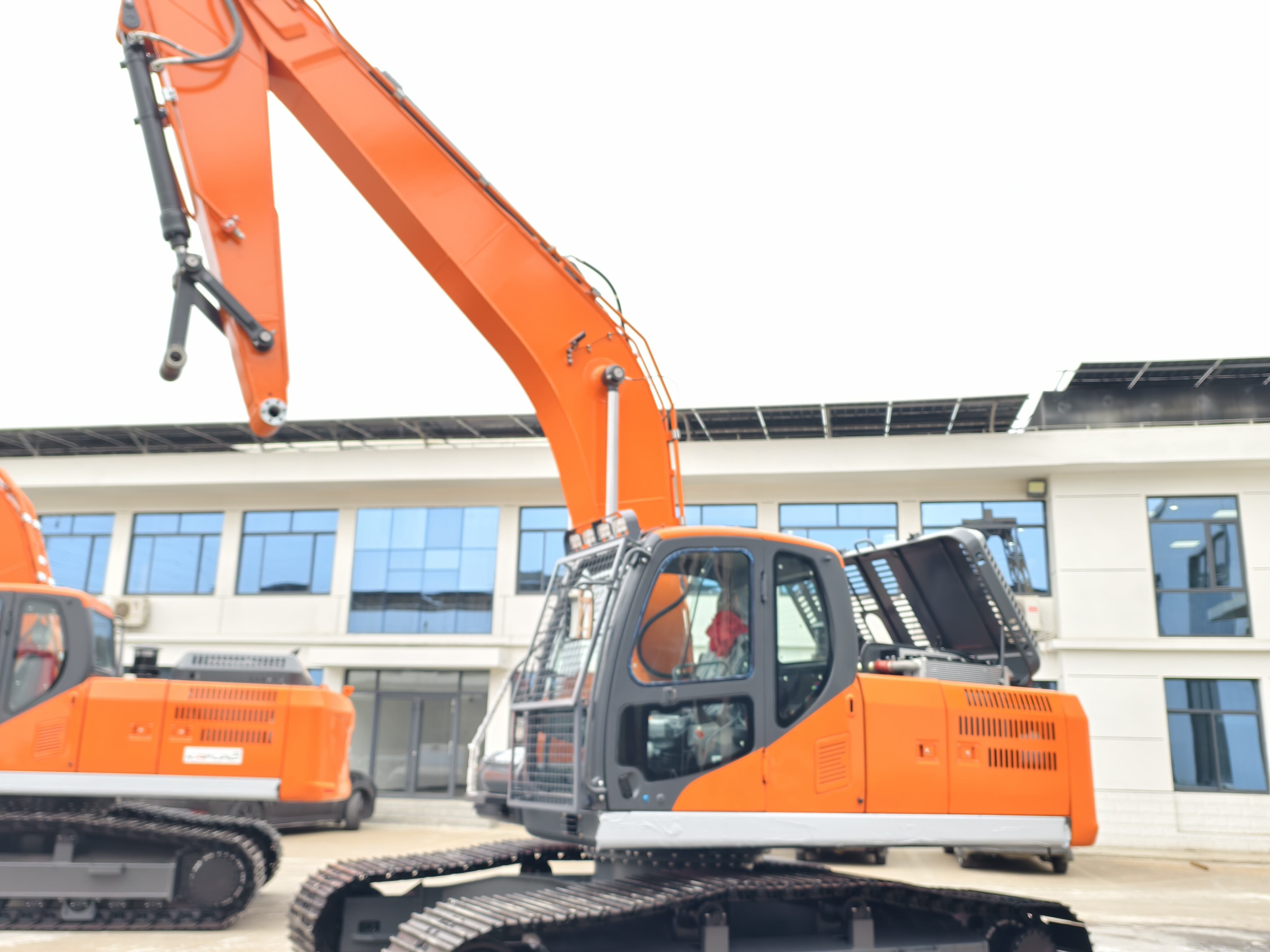
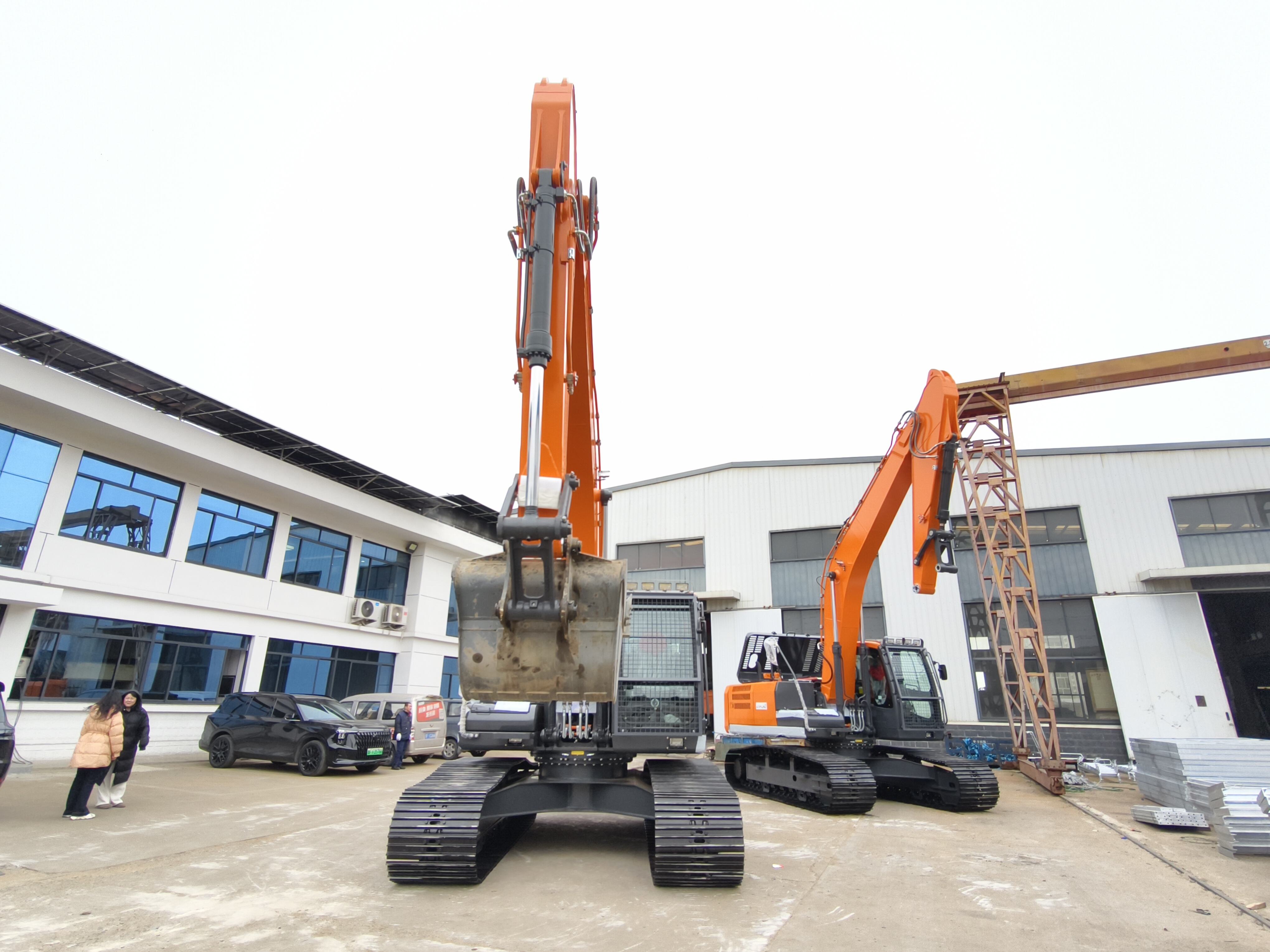
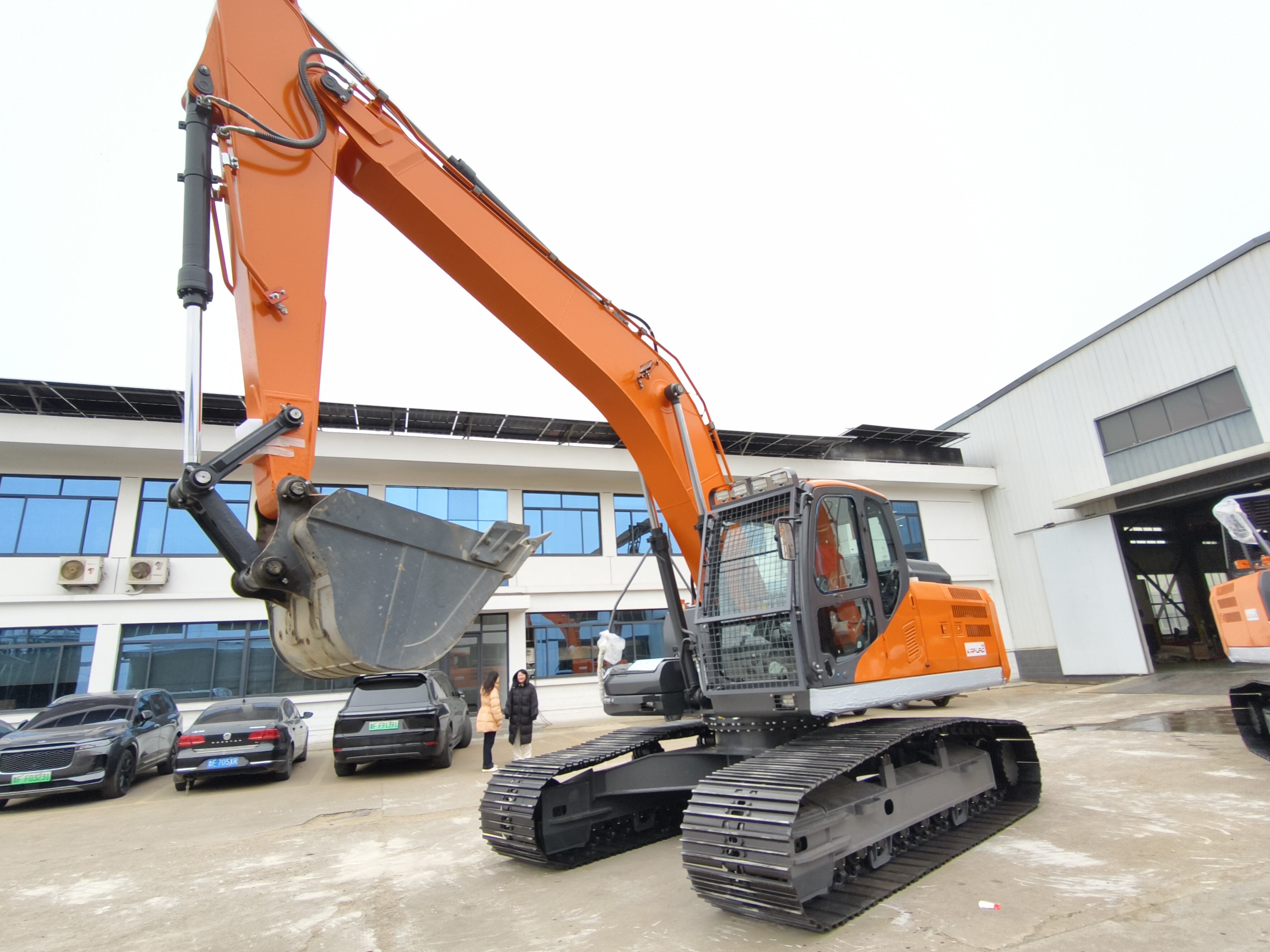
A heavy equipment excavator stands as one of the most versatile and essential machines in construction, mining, landscaping, and demolition industries. This powerful piece of machinery is designed to perform a wide range of earthmoving tasks with precision and efficiency. At its core, the heavy equipment excavator consists of a rotating platform called the house, an undercarriage with tracks or wheels, and a specialized boom and stick configuration that supports various attachments. The primary function of this machine revolves around digging, trenching, material handling, and site preparation activities that would be impossible or extremely time-consuming to accomplish manually. Modern excavators integrate advanced hydraulic systems that provide exceptional digging force and smooth operational control, allowing operators to perform delicate tasks alongside heavy-duty excavation work. The technological features embedded in contemporary models include computerized monitoring systems, GPS guidance technology, automatic grade control, and fuel-efficient engines that meet stringent environmental standards. These innovations enhance productivity while reducing operational costs and environmental impact. The heavy equipment excavator finds applications across numerous sectors including residential and commercial construction where foundation digging and utility installation are required, road building projects that demand precise grading and material placement, mining operations that need efficient overburden removal, forestry work involving land clearing and timber handling, and demolition projects where controlled material removal is essential. The versatility of attachments available for excavators further expands their utility, with options ranging from standard buckets of various sizes to specialized tools like hydraulic breakers, grapples, augers, and compactors. This adaptability makes the heavy equipment excavator an indispensable investment for contractors and companies seeking to maximize their operational capabilities and project efficiency across diverse job site conditions and requirements.


New Product Recommendations

The heavy equipment excavator delivers numerous practical benefits that directly impact your bottom line and project success. First and foremost, this machine dramatically increases productivity by completing excavation tasks in a fraction of the time required by manual labor or smaller equipment. What might take a crew of workers several days to dig can often be accomplished in hours with a properly sized excavator, allowing you to complete projects faster and take on more work throughout the year. The precision control offered by modern hydraulic systems means you can achieve exact depths and grades consistently, reducing the need for rework and ensuring your projects meet specifications the first time. This accuracy translates to less wasted material, fewer callbacks, and satisfied clients who appreciate quality workmanship. Operating costs remain manageable thanks to fuel-efficient engine technology that burns less diesel while maintaining strong performance throughout long workdays. You will notice significant savings on fuel expenses compared to older equipment models, and these savings accumulate substantially over months and years of operation. The heavy equipment excavator also enhances safety on your job sites by keeping operators protected inside reinforced cabs equipped with rollover protection structures and falling object guards. Workers stay at safer distances from excavation zones, reducing the risk of accidents and potential liability issues. Maintenance requirements have been simplified in newer models with easily accessible service points, extended service intervals, and diagnostic systems that alert you to potential issues before they become expensive problems. This means less downtime and more billable hours for your business. The versatility of quick-attach systems allows you to switch between different tools rapidly, transforming your excavator from a digging machine to a demolition tool or material handler within minutes. This flexibility eliminates the need to transport multiple specialized machines to job sites, saving on transportation costs and logistics complexity. Resale value remains strong for well-maintained excavators, making them a sound long-term investment that retains worth even after years of productive service. The comfort features built into modern operator cabs reduce fatigue during extended shifts, which means your operators remain alert and productive throughout the entire workday. Climate-controlled environments, adjustable seating, and intuitive controls create working conditions that help you attract and retain skilled operators. When you consider the combination of speed, precision, cost efficiency, safety improvements, and versatility, the heavy equipment excavator emerges as an essential tool that pays for itself through increased capabilities and competitive advantages in your market.

Latest News

How Do B2B Mining Projects Choose the Right Underground Dump Truck?

17

Nov

How Do B2B Mining Projects Choose the Right Underground Dump Truck?

Selecting the appropriate underground dump truck for B2B mining operations represents a critical decision that directly impacts operational efficiency, safety standards, and long-term profitability. Mining contractors and project managers must naviga...
View More
How Can an Underground LHD Loader Improve Efficiency in Mining Operations?

11

Dec

How Can an Underground LHD Loader Improve Efficiency in Mining Operations?

Enhancing Mining Productivity with Underground LHD Loaders Underground mining operations demand high efficiency, safety, and reliability. The introduction of underground LHD (Load, Haul, Dump) loaders has revolutionized mining processes, providing a ...
View More
What Should Mining Companies Consider When Selecting an Underground LHD Loader?

11

Dec

What Should Mining Companies Consider When Selecting an Underground LHD Loader?

Underground mining operations require specialized equipment that can withstand harsh conditions while maintaining optimal performance and safety standards. The selection of an underground LHD loader represents one of the most critical decisions minin...
View More
Cable vs. Battery: Comparing Power Sources for Electric LHDs Underground

18

Mar

Cable vs. Battery: Comparing Power Sources for Electric LHDs Underground

The power source selection for electric LHDs represents one of the most critical decisions facing underground mining operations today. As mines push deeper and operational demands intensify, the choice between cable-fed and battery-powered electric L...
View More

Get a Free Quote

Our representative will contact you soon.
Email
Name
Company Name
Message
0/1000

heavy equipment excavator

Unmatched Hydraulic Power and Control Systems

Unmatched Hydraulic Power and Control Systems

The hydraulic system represents the beating heart of any heavy equipment excavator, and modern advancements in this technology have revolutionized what these machines can accomplish on job sites. Today's excavators feature sophisticated hydraulic circuits that deliver impressive breakout force and lifting capacity while maintaining surprisingly delicate control for precision work. The main hydraulic pumps generate tremendous pressure that gets distributed through a network of valves and cylinders to power every movement of the boom, stick, and bucket. What makes this particularly valuable for your operations is the load-sensing hydraulic technology that automatically adjusts pump output based on the work being performed. When you need maximum power for breaking through tough soil or rock, the system delivers full force. During lighter tasks like finish grading or placing materials, the system reduces pressure and flow, which conserves fuel and reduces wear on components. This intelligent power management means you get optimal performance in every situation without wasting energy or shortening component life. The independent boom and arm circuits allow simultaneous movements that create smooth, flowing motions rather than jerky, sequential actions. Your operator can swing the house while raising the boom and curling the bucket all at the same time, which dramatically speeds up load cycles and increases the amount of material moved per hour. Fine control comes from proportional joystick controls that respond precisely to operator input. Gentle movements on the controls produce slow, measured responses perfect for working near utilities or finished surfaces, while decisive control inputs unleash the full speed and power needed for production digging. The auxiliary hydraulic circuits built into modern excavators add even more versatility by powering specialized attachments like hydraulic breakers, compactors, or rotating grapples. These circuits can be programmed with different flow rates and pressures to match specific attachment requirements, ensuring optimal performance regardless of which tool you have mounted. Pressure relief valves and filtration systems protect the entire hydraulic network from damage due to pressure spikes or contamination, which extends component life and reduces unexpected failures. The result is a heavy equipment excavator that provides reliable, powerful performance year after year while giving operators the precise control they need to work efficiently and safely in any environment. This combination of raw power and refined control creates a machine that handles the toughest excavation challenges while remaining gentle enough for delicate tasks.
Advanced Operator Comfort and Productivity Features

Advanced Operator Comfort and Productivity Features

The operator cabin environment of a modern heavy equipment excavator has evolved into a sophisticated workspace that directly impacts productivity and operational efficiency. When your operators spend entire shifts inside the cab, their comfort and the quality of their working environment determine how effectively they can perform their duties. Today's excavator cabs feature climate control systems that maintain comfortable temperatures regardless of outside conditions, whether working in scorching summer heat or freezing winter cold. This temperature regulation prevents operator fatigue that occurs when workers must endure extreme conditions, allowing them to maintain focus and work quality throughout full shifts. The ergonomic seating systems include multiple adjustments for height, angle, lumbar support, and armrest position, ensuring operators of different sizes can find their ideal working position. High-quality suspension seats absorb vibrations and sudden movements, reducing the physical stress that accumulates during hours of operation. Large glass panels provide exceptional visibility in all directions, allowing operators to see exactly where the bucket cutting edge is positioned and monitor their surroundings for workers, obstacles, or approaching vehicles. Some premium models include camera systems that eliminate blind spots entirely, displaying views on in-cab monitors that show areas the operator cannot see directly. The intuitive control layout groups all functions logically within easy reach, reducing the learning curve for new operators and allowing experienced hands to work more efficiently. Modern excavators incorporate joystick controls that feel natural after minimal practice, with customizable control patterns that can match operator preferences or industry standards. Information displays present critical data like fuel level, hydraulic temperature, engine hours, and maintenance alerts in easy-to-read formats that allow quick status checks without interrupting work flow. More advanced models include touchscreen interfaces that provide detailed diagnostic information, attachment settings, and machine performance data that help operators optimize their techniques. Sound insulation materials throughout the cab structure reduce engine and hydraulic noise to levels that allow normal conversation and protect long-term hearing health. Operators can work full days without the fatigue and hearing damage associated with older, noisier equipment. Storage compartments, cup holders, and electrical outlets add practical conveniences that make long shifts more bearable. The overall effect of these comfort and productivity features is a heavy equipment excavator that operators actually enjoy running, which improves retention of skilled workers and ensures your machines are operated with care and attention that extends their service life.
Versatile Attachment System for Maximum Operational Flexibility

Versatile Attachment System for Maximum Operational Flexibility

The quick-attach coupling system found on modern heavy equipment excavators transforms a single machine into a multi-functional tool that can handle an extraordinary range of tasks without requiring additional specialized equipment. This versatility delivers tremendous value by maximizing the return on your equipment investment and expanding the types of projects you can bid on competitively. The hydraulic quick coupler mechanism allows operators to change attachments in just minutes without leaving the cab or requiring ground crew assistance. This means you can switch from excavation buckets to hydraulic breakers for rock or concrete demolition, then change to a grapple for material sorting and loading, all within a single workday or even during different phases of the same project. The time saved by eliminating manual pin changes and the safety improvement from keeping workers away from heavy attachment changes represent significant operational advantages. Standard digging buckets come in various widths to match different job requirements, from narrow trenching buckets perfect for utility line installation to wide cleanup buckets ideal for final grading and material loading. The ability to quickly swap bucket sizes means you always use the most efficient tool for each specific task rather than compromising with a one-size-fits-all approach. Specialized attachments expand capabilities even further, with hydraulic breakers delivering concentrated impact force for breaking concrete, asphalt, or rock formations. These breakers turn your excavator into a demolition machine that can tackle projects requiring controlled material breakage without the expense and complications of explosives. Rotating grapples provide secure material handling capability for sorting demolition debris, handling logs in forestry applications, or loading scrap materials. The rotation function allows precise positioning of irregular materials without repositioning the entire machine. Compactor attachments deliver vibratory force for soil compaction in trenches or confined areas where larger roller equipment cannot access. Auger attachments transform your heavy equipment excavator into a drilling machine for fence post holes, foundation piers, or soil sampling operations. Rake attachments separate rocks and debris from soil during site preparation or landscaping work. The auxiliary hydraulic circuits that power these attachments can be programmed through the operator interface to deliver the correct pressure and flow for each specific tool, ensuring optimal performance and preventing damage from incorrect hydraulic settings. This attachment ecosystem means a single heavy equipment excavator can replace multiple specialized machines, reducing your equipment fleet size, simplifying logistics, lowering insurance and storage costs, and making your operation more nimble and responsive to diverse project requirements. The financial impact becomes clear when you consider that purchasing one excavator with multiple attachments costs far less than buying separate machines for each function, while the operational flexibility allows you to take on varied projects that might otherwise require equipment you do not own.

Get a Free Quote

Our representative will contact you soon.
Email
Name
Company Name
Message
0/1000