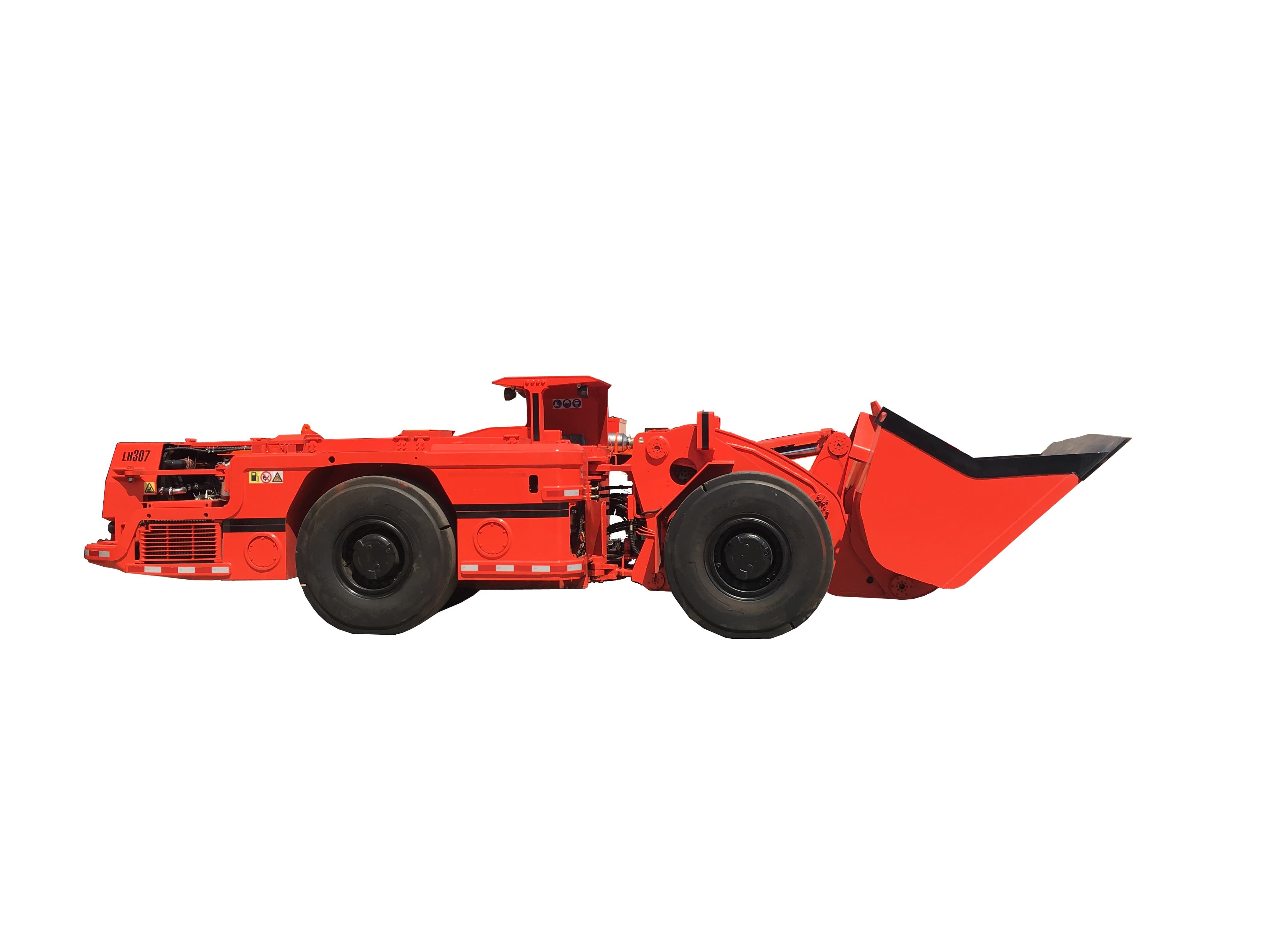
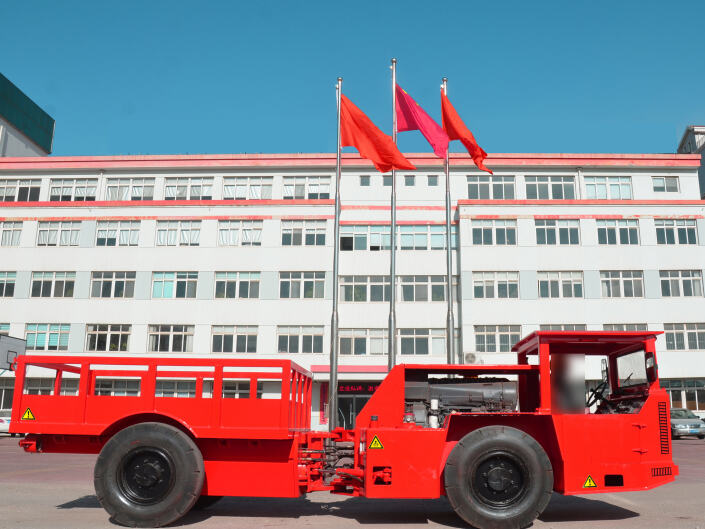
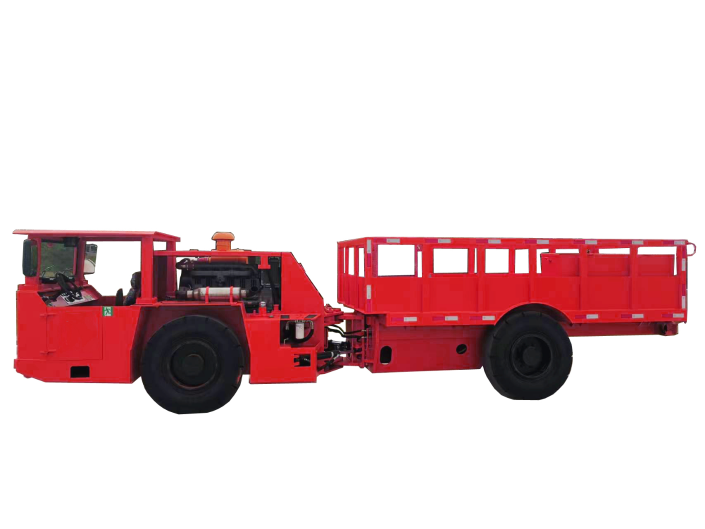
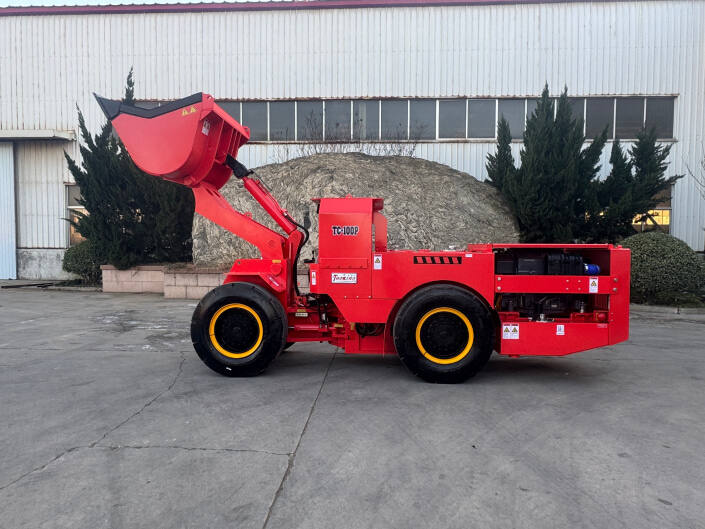
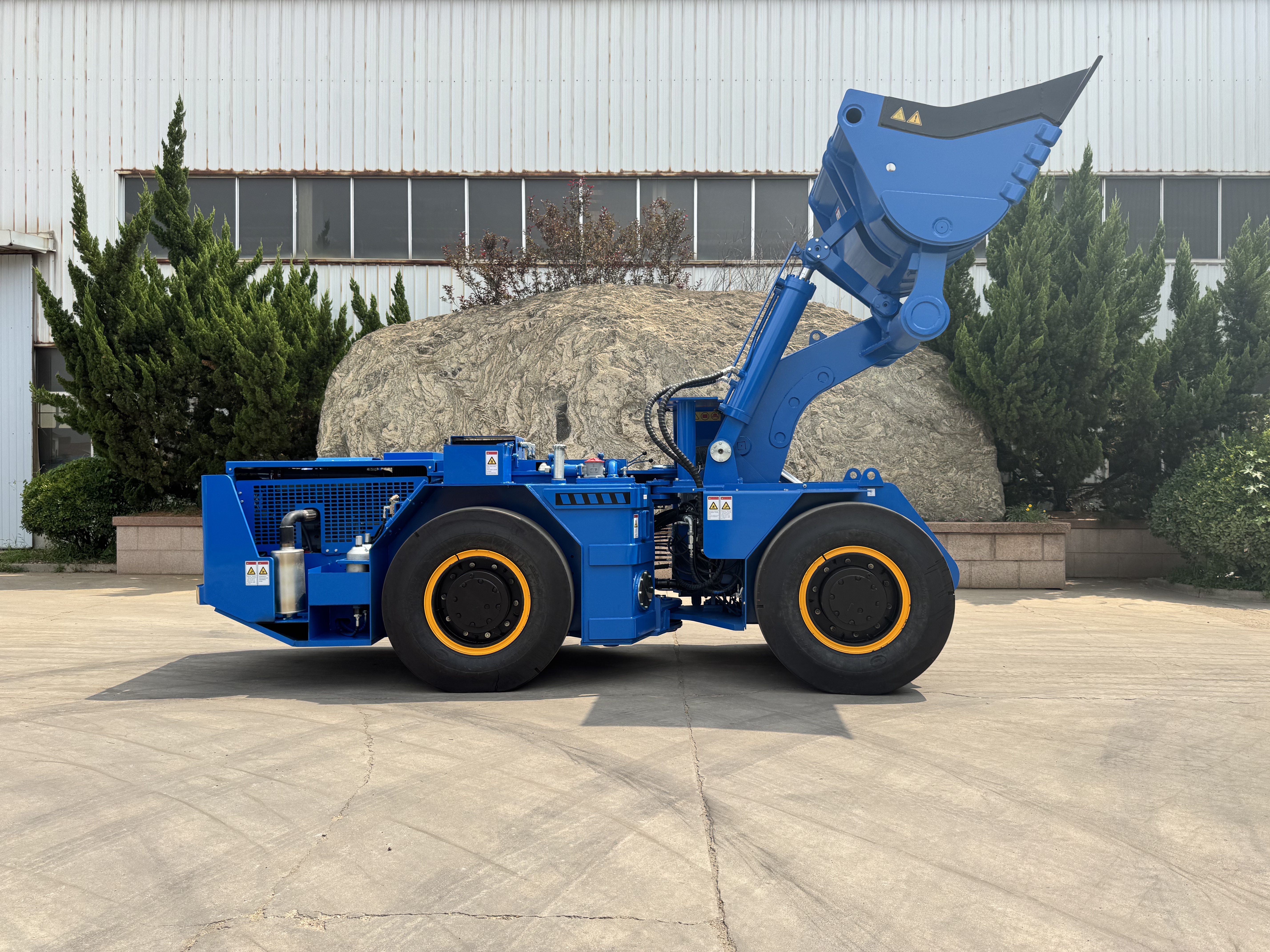
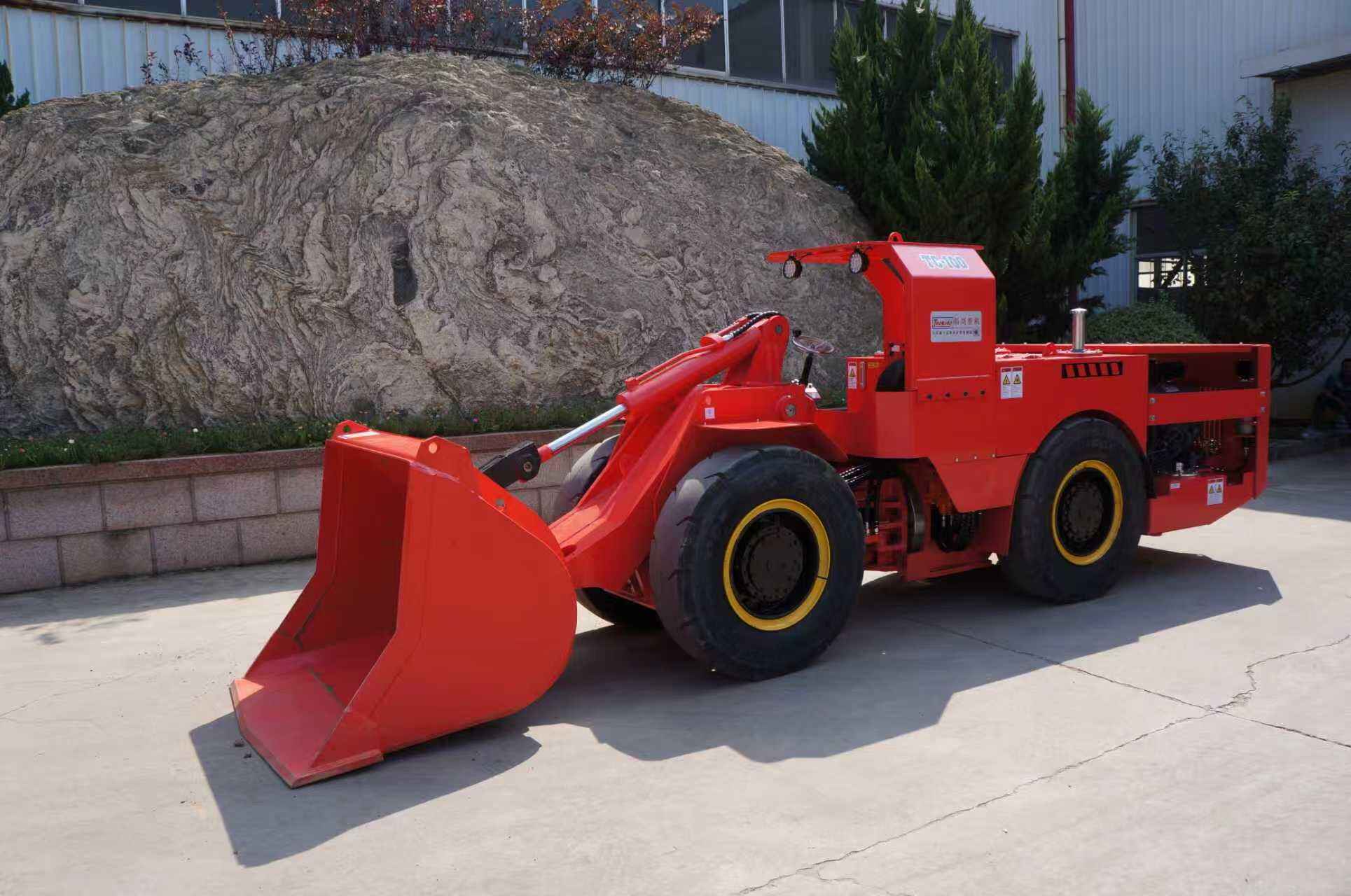
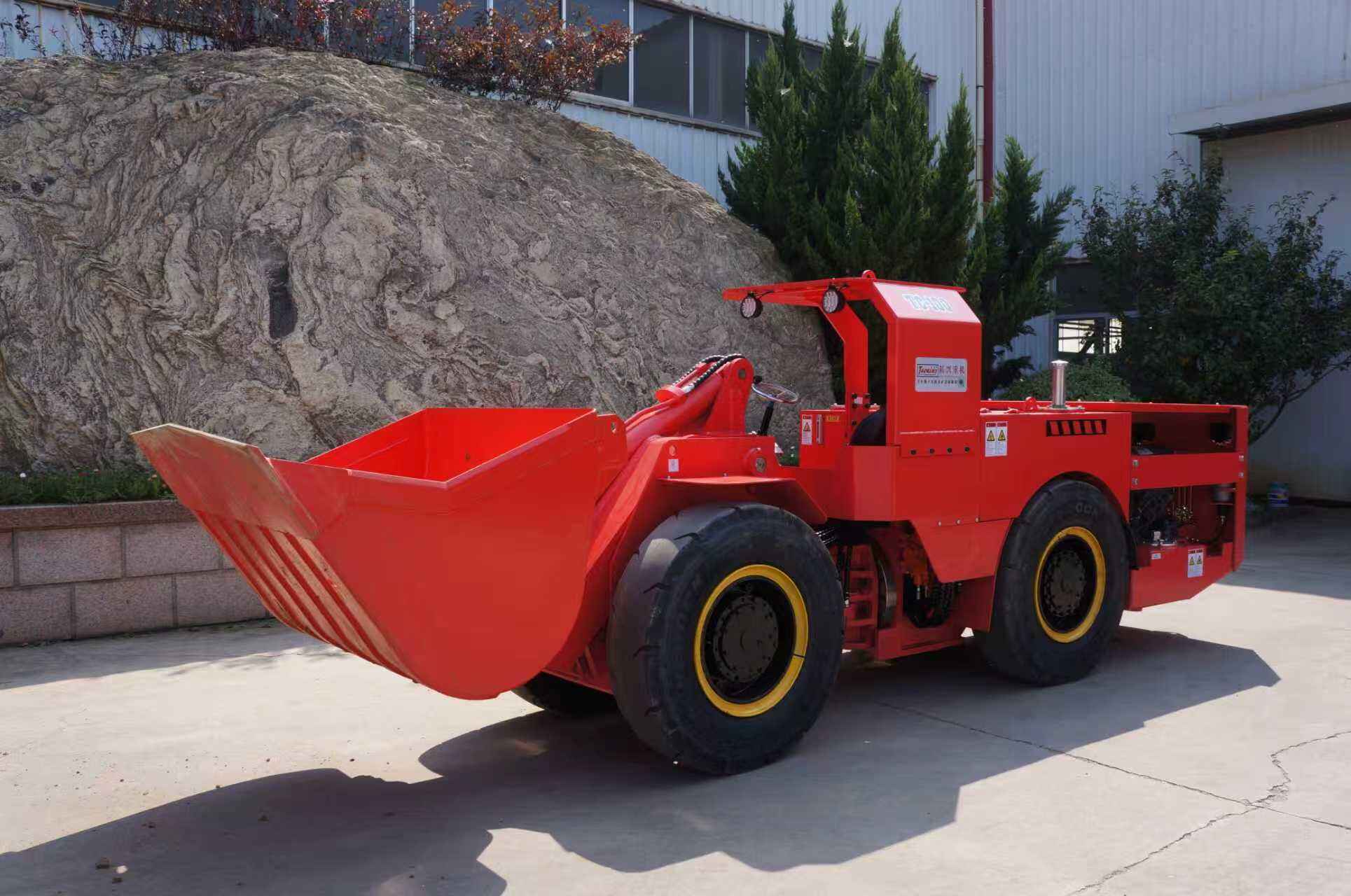
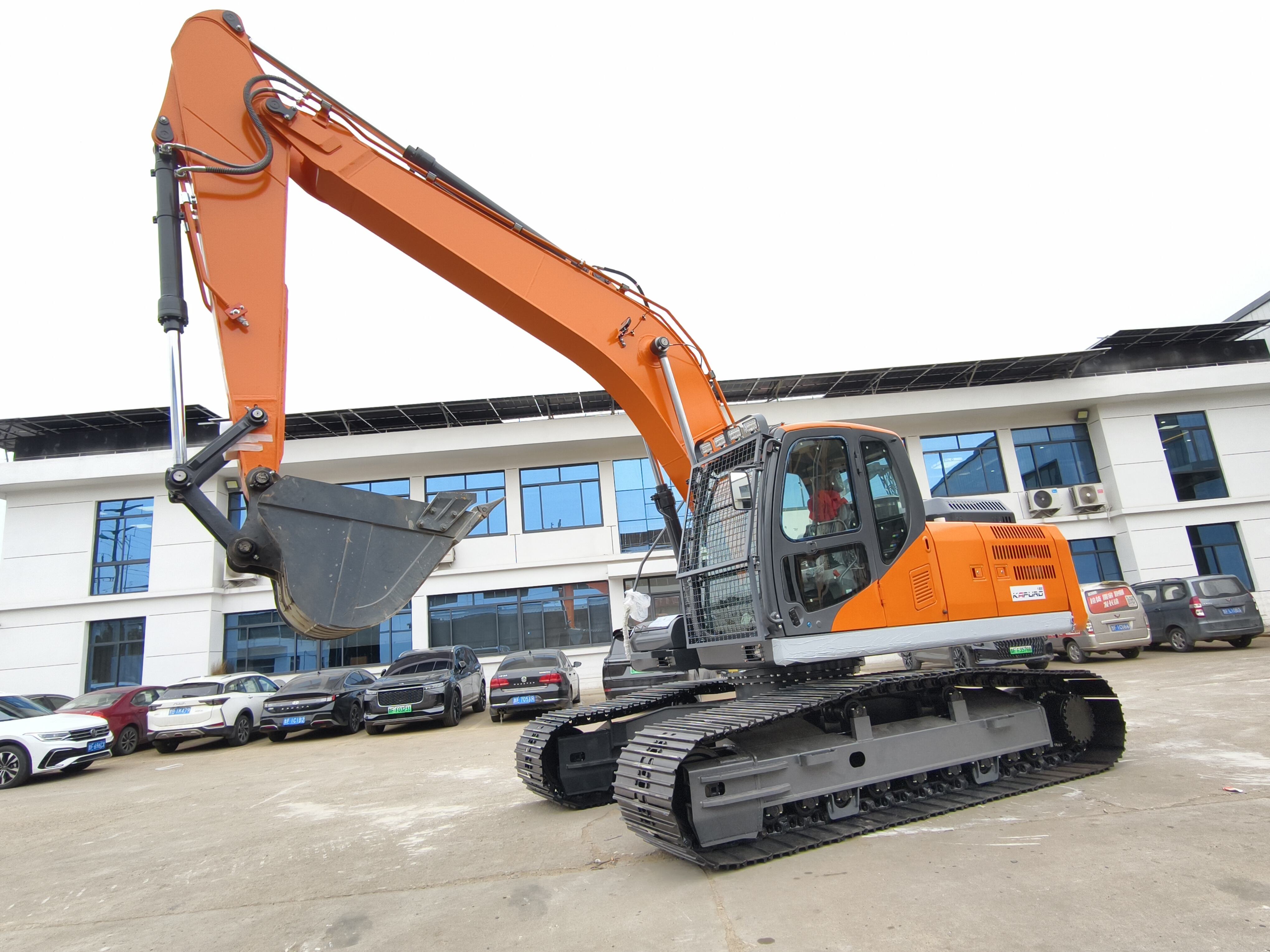
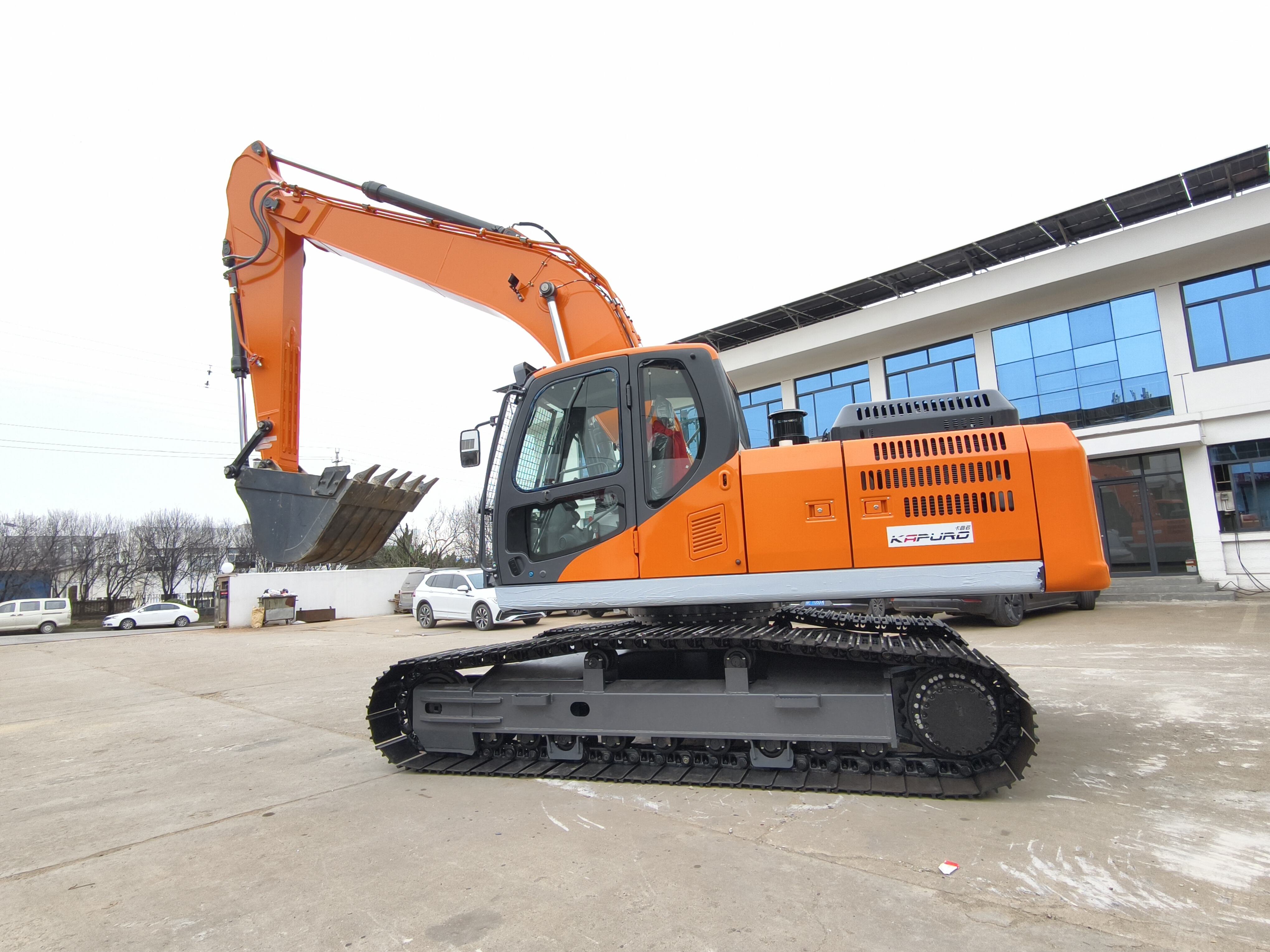
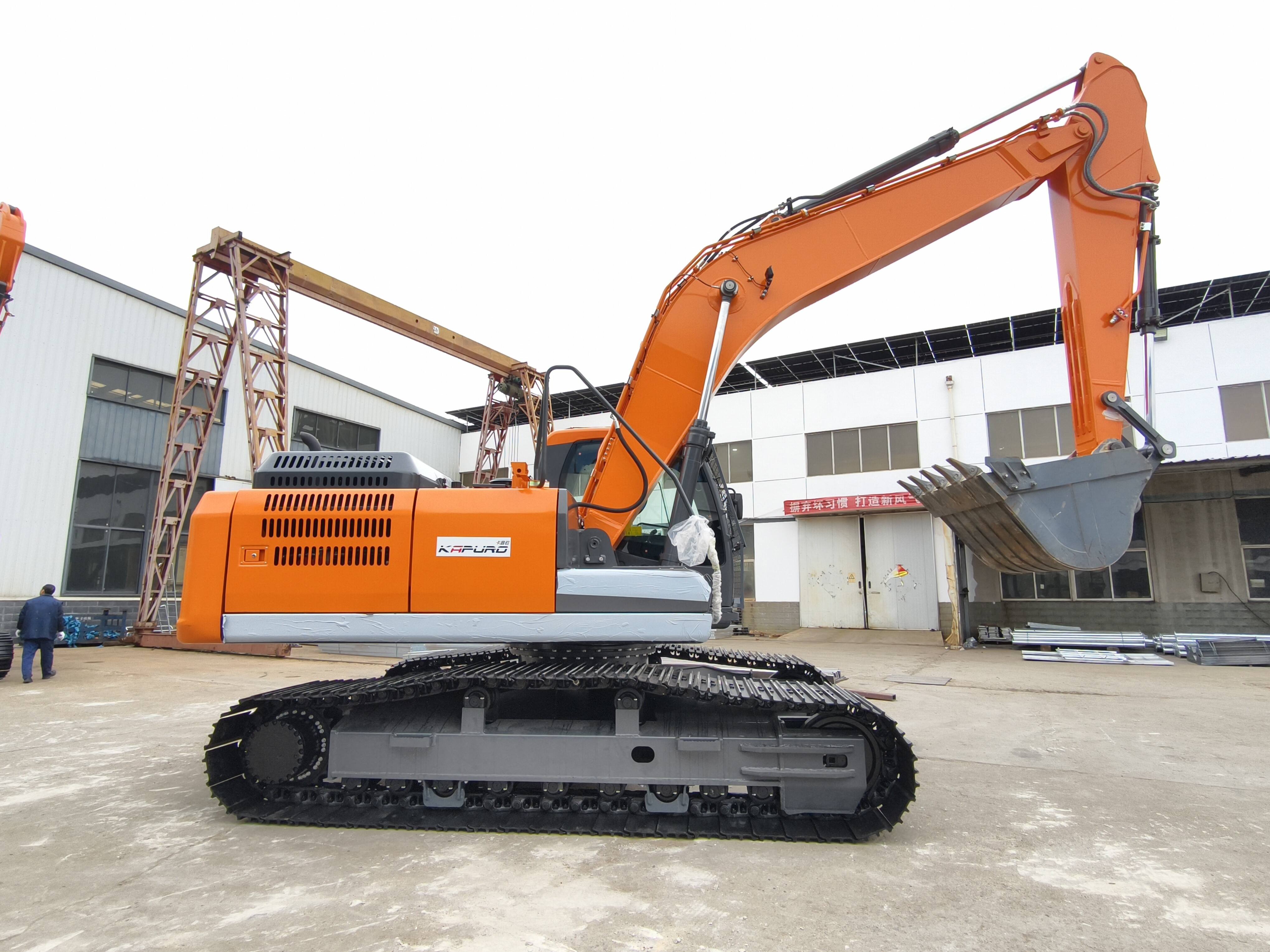
large mining excavator fuel efficiency comparison
Large mining excavator fuel efficiency comparison represents a comprehensive analytical framework that enables mining operators to evaluate and contrast the fuel consumption performance of heavy-duty excavation equipment across different manufacturers, models, and operational conditions. This specialized assessment tool serves as an essential resource for mining companies seeking to optimize their operational costs while maintaining productivity standards. The main functions of this comparison system include detailed analysis of fuel consumption rates measured in liters per hour or gallons per operating cycle, evaluation of engine performance under various load conditions, assessment of hydraulic system efficiency, and calculation of cost-per-ton metrics for material movement. Technological features incorporated into modern large mining excavator fuel efficiency comparison frameworks utilize advanced data analytics, real-time monitoring systems, telematics integration, and predictive modeling algorithms that account for variables such as material density, excavation depth, ambient temperature, altitude, and operator skill levels. These systems collect data from multiple sources including onboard sensors, fuel management systems, and operational logs to provide accurate comparative insights. Applications of large mining excavator fuel efficiency comparison extend across multiple operational scenarios including open-pit mining operations, quarrying activities, coal extraction sites, and large-scale earthmoving projects. Mining executives utilize these comparisons during equipment procurement processes to make informed capital investment decisions, while fleet managers apply the insights to optimize equipment allocation and scheduling. The comparison methodology also supports environmental compliance initiatives by identifying machines with lower carbon emissions and helps operations managers establish baseline performance standards for their excavator fleets, enabling continuous improvement programs and operator training initiatives focused on fuel-conscious operating techniques.

 EN
EN