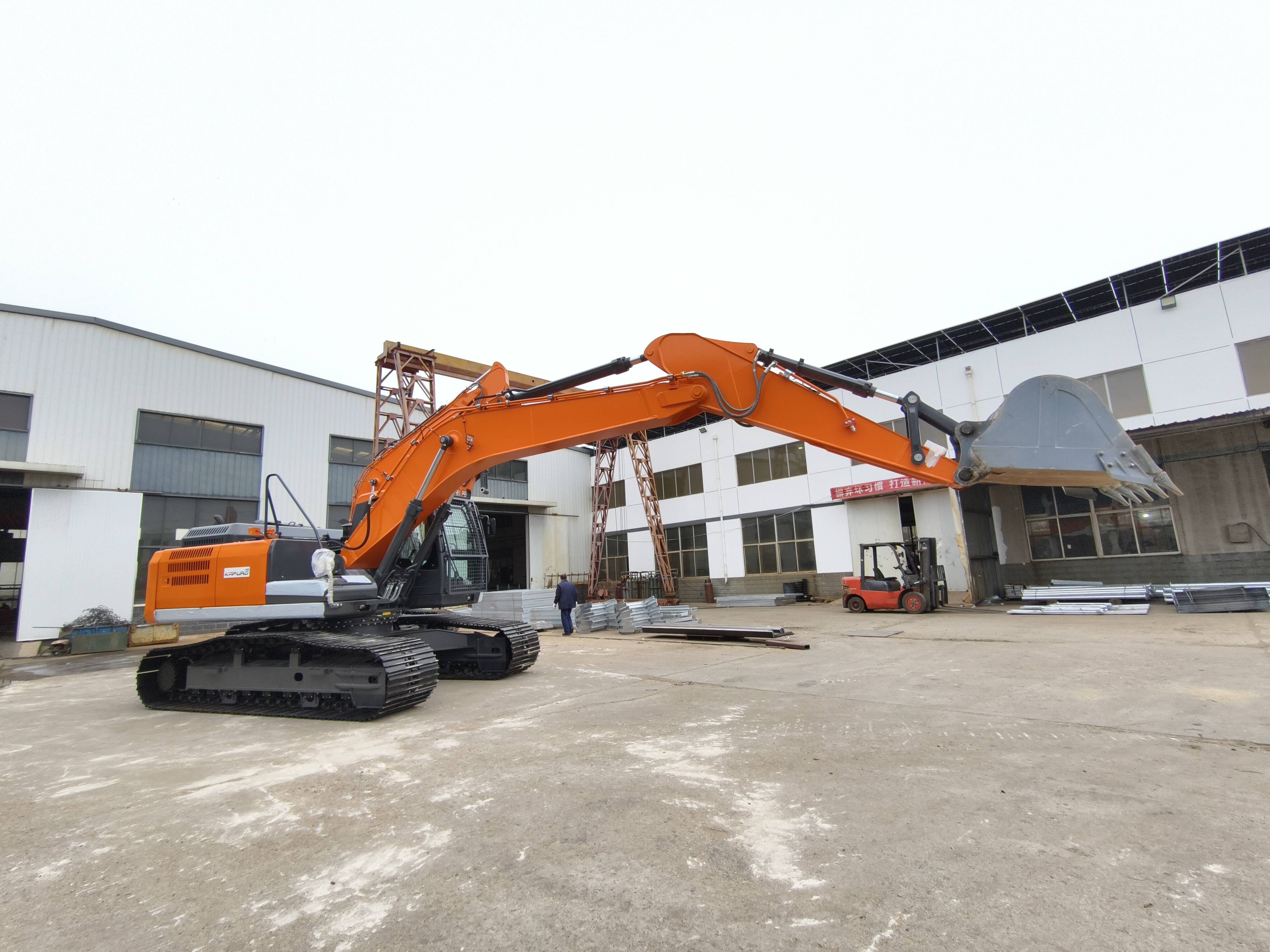
Large Dragline Excavators: Ultimate Guide to High-Capacity Mining Equipment and Benefits

All Categories

large dragline excavators

Large dragline excavators represent some of the most powerful and impressive earthmoving machines in the mining and construction industries. These massive pieces of equipment are specifically engineered to handle enormous volumes of overburden and material in open-pit mining operations, making them indispensable for large-scale excavation projects. A large dragline excavator operates using a unique suspended bucket system that hangs from a boom via cables and chains, allowing operators to remove vast quantities of soil, rock, and other materials with remarkable efficiency. The primary function of these machines centers on stripping away overburden layers to expose valuable mineral deposits beneath the surface, particularly in coal mining operations where they excel at removing the earth covering coal seams. Technologically, large dragline excavators incorporate advanced hydraulic systems, sophisticated control mechanisms, and robust structural designs that enable them to lift buckets weighing up to 200 tons and move material across distances exceeding 100 meters. The boom lengths on these excavators can extend beyond 100 meters, while the bucket capacities range from 30 to 220 cubic yards, depending on the specific model and application requirements. Modern large dragline excavators feature computerized monitoring systems that track performance metrics, fuel consumption, and maintenance needs in real-time, helping operators maximize productivity while minimizing downtime. These machines find their primary applications in surface mining operations, particularly in coal extraction, phosphate mining, oil sands recovery, and large-scale earthmoving projects. The operational principle involves casting the bucket forward using the hoist and drag cables, filling it by dragging it toward the machine, lifting the loaded bucket, and then releasing the material at the designated dumping location. This cyclical process continues throughout operations, with experienced operators achieving remarkable precision despite the machine's enormous size. The technological features integrated into large dragline excavators include load monitoring systems, automated bucket positioning, climate-controlled operator cabins with panoramic visibility, and advanced safety systems that protect both the equipment and personnel working in proximity to these massive machines.


New Product Releases

Large dragline excavators deliver exceptional productivity advantages that directly impact your project's bottom line and timeline. These machines move enormous quantities of material with each cycle, dramatically reducing the time required to complete major excavation projects compared to using multiple smaller machines. The operating costs per cubic yard of material moved are significantly lower than alternative methods, making large dragline excavators an economically sound investment for substantial mining operations. You will appreciate how these machines operate with minimal ground pressure despite their massive size, which means they can work on softer terrain where other heavy equipment would sink or require expensive ground preparation. The fuel efficiency of modern large dragline excavators has improved substantially, with advanced engine management systems optimizing power delivery to match operational demands, reducing unnecessary fuel consumption during lighter work phases. Maintenance requirements are straightforward and well-documented, with manufacturers providing comprehensive support programs that keep your equipment running reliably for decades. Many large dragline excavators have operational lifespans exceeding 40 years, representing an extraordinary return on investment when properly maintained. The versatility of these machines allows them to adapt to various mining conditions and material types, from soft overburden to more consolidated formations, without requiring extensive reconfiguration. Safety features built into large dragline excavators protect your workforce through multiple redundant systems, emergency shutdown capabilities, and ergonomic operator stations that reduce fatigue during long shifts. You gain significant operational flexibility because large dragline excavators can reach material in difficult locations without repositioning the entire machine, extending your productive work time. The environmental footprint per ton of material moved is smaller compared to using fleets of trucks and smaller excavators, helping your operation meet increasingly stringent environmental regulations. Training programs for operators are well-established and widely available, ensuring you can develop skilled personnel capable of maximizing the machine's capabilities. The resale value of well-maintained large dragline excavators remains strong, providing financial security should your operational needs change. Remote monitoring capabilities in newer models allow management to track performance metrics, identify potential issues before they cause breakdowns, and optimize operational parameters without being physically present at the site. The continuous digging action of large dragline excavators maintains consistent production rates throughout shifts, eliminating the stop-and-start inefficiencies associated with loading equipment. Your project benefits from reduced traffic congestion on site because one large dragline excavator replaces multiple smaller machines and support vehicles, simplifying logistics and reducing accident risks.

Tips And Tricks

How Can Maintenance Reduce Downtime for Underground Mining Dump Trucks?

17

Nov

How Can Maintenance Reduce Downtime for Underground Mining Dump Trucks?

Underground mining operations depend heavily on reliable equipment to maintain productivity and meet extraction targets. When heavy machinery experiences unexpected failures, the resulting downtime can cost mining companies thousands of dollars per h...
View More
Why Is Automation Becoming Key in Underground Mining Dump Truck Design?

17

Nov

Why Is Automation Becoming Key in Underground Mining Dump Truck Design?

The mining industry is experiencing a revolutionary transformation as automation technologies reshape how operations are conducted beneath the earth's surface. Modern underground mining dump truck systems are at the forefront of this technological ev...
View More
LHD vs. Excavator: Why Underground Mines Choose One Over the Other

18

Mar

LHD vs. Excavator: Why Underground Mines Choose One Over the Other

Underground mining operations face critical equipment selection decisions that directly impact productivity, safety, and operational costs. When evaluating LHD vs excavator options, mining engineers must consider the unique challenges of subterranean...
View More
The Science of Climbing: How Drivetrain Design Determines Underground Truck Performance on Steep Ramps

18

Mar

The Science of Climbing: How Drivetrain Design Determines Underground Truck Performance on Steep Ramps

When underground operations push deeper into the earth, the challenges of moving materials up steep gradients become exponentially complex. The ability of an underground truck to conquer challenging ramps isn't just about raw power—it's fundamentally...
View More

Get a Free Quote

Our representative will contact you soon.
Email
Name
Company Name
Message
0/1000

large dragline excavators

Unmatched Material Moving Capacity and Operational Efficiency

Unmatched Material Moving Capacity and Operational Efficiency

The material moving capacity of large dragline excavators stands as their most compelling feature, fundamentally transforming how major mining operations approach overburden removal and bulk excavation challenges. These remarkable machines can move between 10,000 to 20,000 cubic meters of material per day under optimal conditions, a volume that would require enormous fleets of conventional excavators and haul trucks working in coordinated teams. This exceptional capacity translates directly into accelerated project timelines, allowing mining companies to reach valuable ore bodies faster and begin revenue-generating extraction sooner than would be possible with alternative equipment configurations. The bucket size on large dragline excavators, which can hold up to 220 cubic yards in the largest models, means each digging cycle removes a massive volume of material in a single motion. The reach of these machines, extending over 100 meters from the center of rotation, enables operators to excavate and dump material across vast distances without repositioning the base machine, eliminating time-consuming tramming movements that reduce productive hours. This extended reach proves particularly valuable in pit operations where maintaining optimal bench configurations and working angles is essential for safety and efficiency. The digging depth capabilities of large dragline excavators, which can extend 60 meters or more below the operating level, provide access to deep overburden layers and enable the creation of proper pit geometries that support long-term mining plans. Operational efficiency extends beyond raw capacity to include the precision with which experienced operators can place material, creating stable spoil piles that maximize space utilization and support future reclamation efforts. The continuous nature of dragline operations, with minimal downtime between digging cycles, maintains steady production rates that project managers can reliably factor into scheduling and resource planning. Modern control systems assist operators in optimizing swing angles, hoist speeds, and drag forces to minimize cycle times while reducing wear on cables, pulleys, and structural components. This intelligent operation extends component life, reduces maintenance costs, and keeps your large dragline excavator productive for more hours per year, directly enhancing your return on investment and operational profitability.
Exceptional Reliability and Longevity with Lower Lifecycle Costs

Exceptional Reliability and Longevity with Lower Lifecycle Costs

Large dragline excavators are renowned for their exceptional reliability and extraordinarily long operational lifespans, characteristics that fundamentally differentiate them from other heavy mining equipment categories. While many mining machines are considered fully depreciated after 10 to 15 years of service, properly maintained large dragline excavators routinely operate for 40, 50, or even 60 years, with some historic machines remaining productive for multiple generations of mining operations. This remarkable longevity results from robust engineering principles that prioritize structural integrity, component accessibility, and maintainability over complexity. The fundamental mechanical design of large dragline excavators, based on proven cable-suspended bucket systems and straightforward boom structures, contains fewer complex hydraulic circuits and electronic systems compared to modern excavators, reducing potential failure points and simplifying troubleshooting procedures. Major components such as booms, tubs, and structural frames are constructed from high-grade steel with substantial safety factors built into their designs, allowing them to withstand the immense stresses of continuous heavy-duty operation without experiencing fatigue failures that would sideline less robust equipment. When component replacement becomes necessary, the modular design of large dragline excavators allows maintenance teams to swap out worn parts during scheduled downtime without requiring complete rebuilds or extensive disassembly. Manufacturers maintain comprehensive parts inventories and technical support networks specifically dedicated to keeping older machines operational, recognizing that many customers operate equipment purchased decades ago and require ongoing support to maximize their investments. The lower lifecycle costs of large dragline excavators become apparent when calculating total cost of ownership across their extended service lives. While the initial capital investment is substantial, often exceeding tens of millions of dollars, the cost per productive hour over a 40-year operational lifespan is remarkably competitive with alternative equipment configurations that require more frequent replacement. Predictable maintenance schedules, well-documented procedures, and the availability of specialized service providers mean you can accurately budget for upkeep costs years in advance, eliminating the financial surprises that plague operations using less proven equipment. The simplicity of major systems on large dragline excavators means your maintenance team can develop deep expertise with your specific machine, identifying subtle changes in performance that indicate developing issues before they cause expensive failures or unscheduled downtime.
Superior Ground Conditions Adaptability and Minimal Site Preparation Requirements

Superior Ground Conditions Adaptability and Minimal Site Preparation Requirements

Large dragline excavators possess a unique advantage in their ability to operate effectively across varying ground conditions with minimal site preparation, a characteristic that significantly reduces project costs and accelerates the commencement of productive operations. The ground pressure exerted by these massive machines, despite their enormous weight often exceeding 8,000 tons, is distributed across large crawler tracks or walking mechanisms that spread the load over extensive surface areas, resulting in surprisingly low pressure per square inch. This distributed weight design allows large dragline excavators to operate on relatively soft ground conditions where conventional excavators and haul trucks would quickly become bogged down or would require extensive and expensive ground stabilization efforts before operations could begin. The walking mechanism employed by many large dragline excavators, which lifts the entire machine using hydraulic or mechanical systems and moves it in a controlled shuffle, eliminates the continuous ground contact pressure associated with tracked vehicles that repeatedly traverse the same paths. This walking action also provides precise positioning capabilities, allowing operators to place the machine exactly where optimal digging geometry can be achieved without requiring elaborate roadways or level working pads. When operating in areas with variable moisture content, which can dramatically affect ground stability in many mining environments, large dragline excavators maintain productivity while other equipment fleets would need to cease operations or wait for ground conditions to improve. The minimal infrastructure requirements for large dragline excavators extend beyond ground conditions to include reduced needs for haul roads, maintenance facilities positioned at every working area, and fuel distribution networks serving multiple smaller machines spread across the operation. A single large dragline excavator can often work effectively from one or two positions for extended periods, eliminating the constant repositioning and road construction that consumes significant resources when using truck-and-shovel fleets. Environmental considerations increasingly favor equipment that minimizes surface disturbance, and the concentrated footprint of large dragline excavators aligns well with progressive reclamation strategies that restore mined areas as operations advance. Your operation benefits from faster project mobilization because establishing a working position for a large dragline excavator requires less preparation than building the extensive infrastructure needed to support conventional mining fleets. This advantage proves especially valuable in remote locations where construction materials and labor for road building are expensive and time-consuming to procure and deploy.

Get a Free Quote

Our representative will contact you soon.
Email
Name
Company Name
Message
0/1000