Professional Skid Steer Loader Factory - Quality Manufacturing & Custom Solutions

All Categories

skid steer loader factory

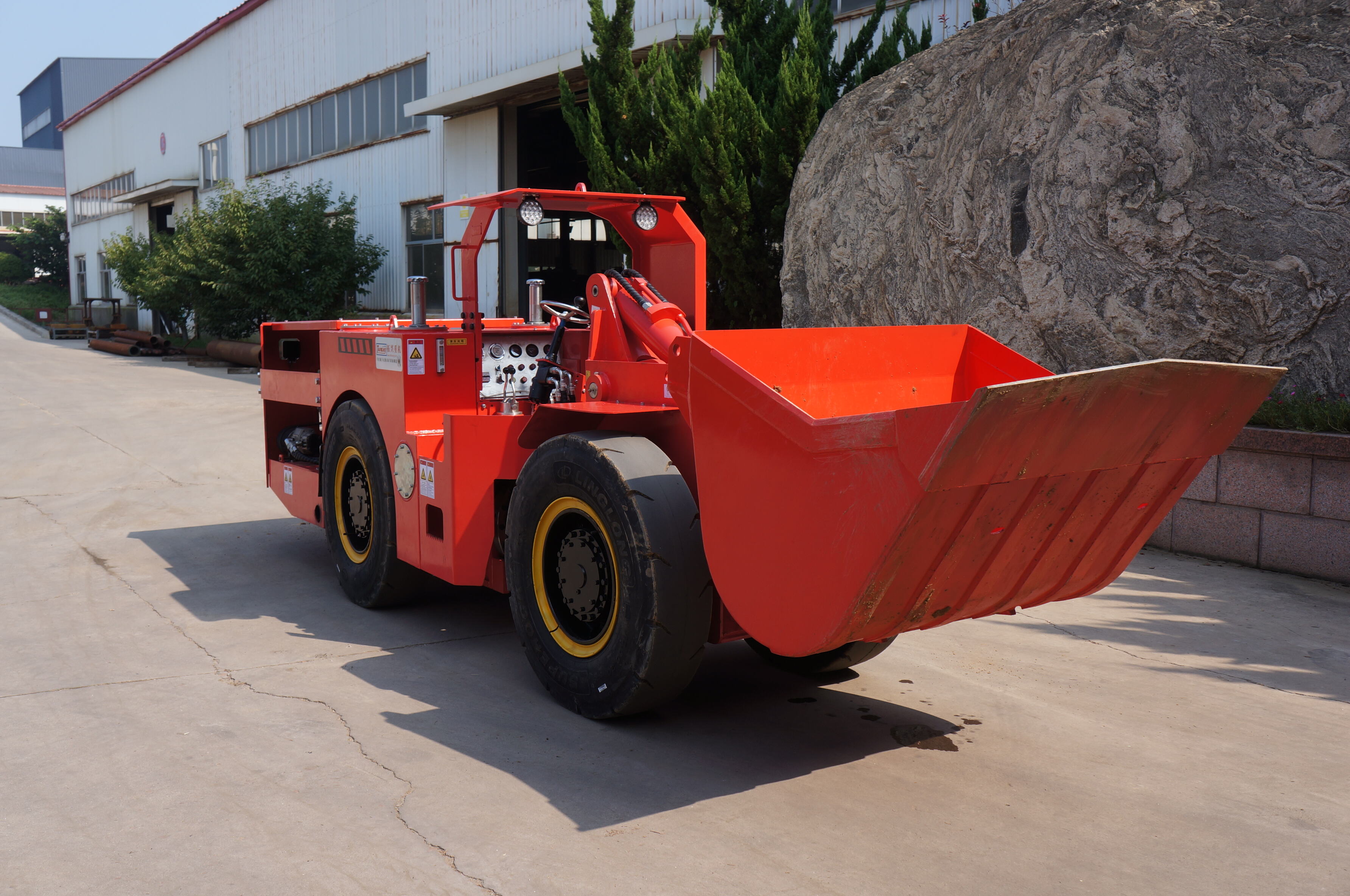
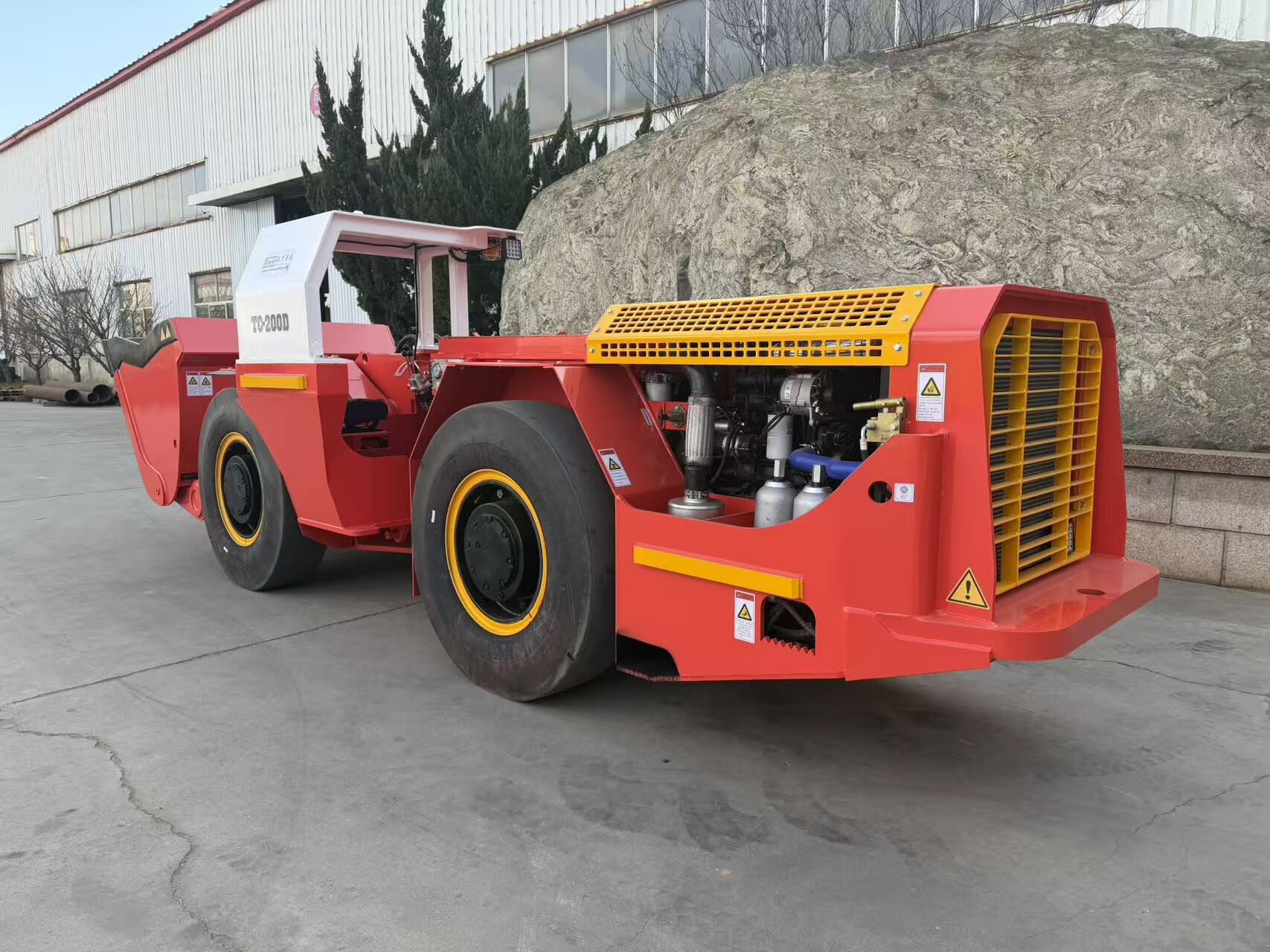
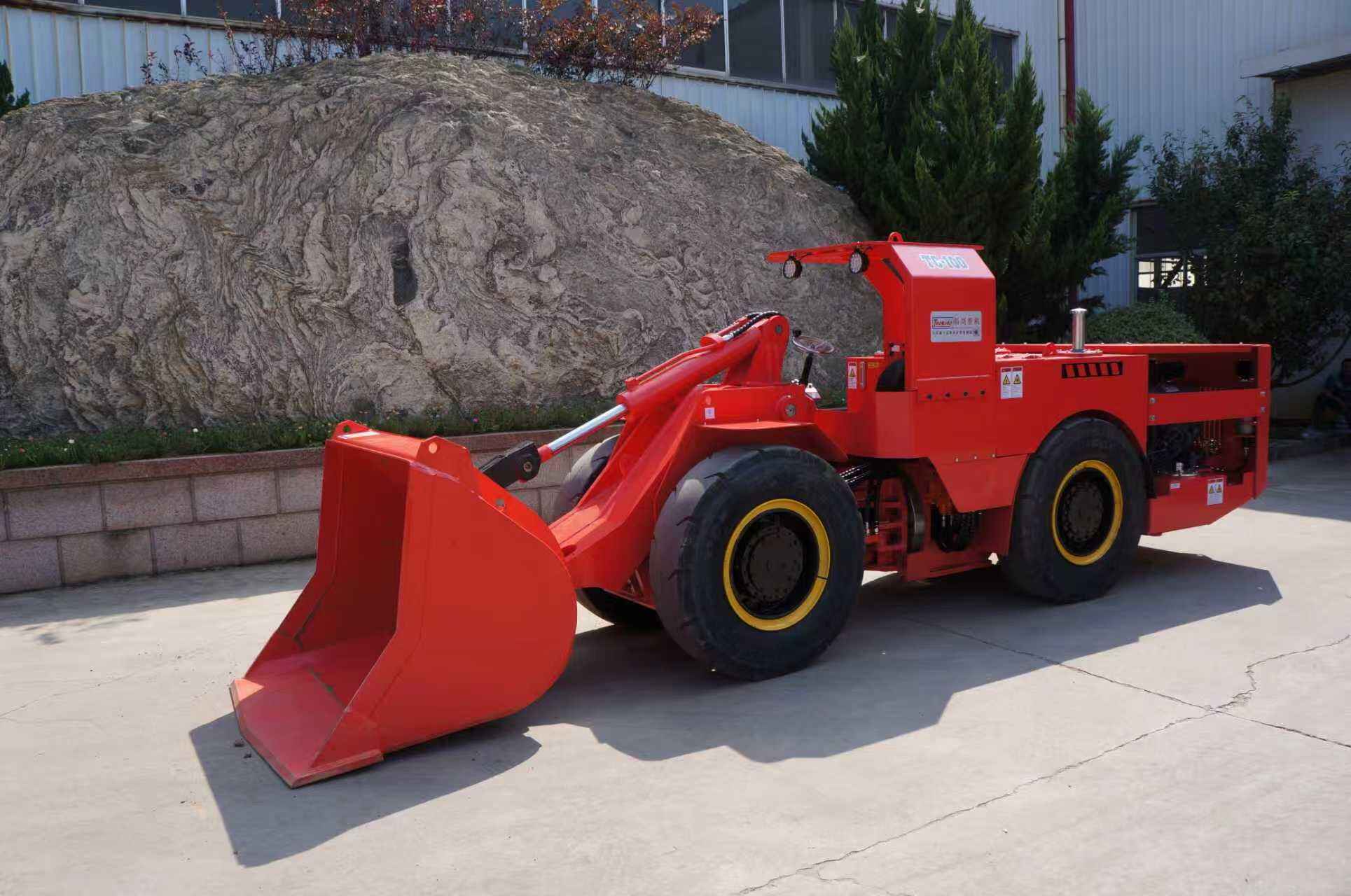
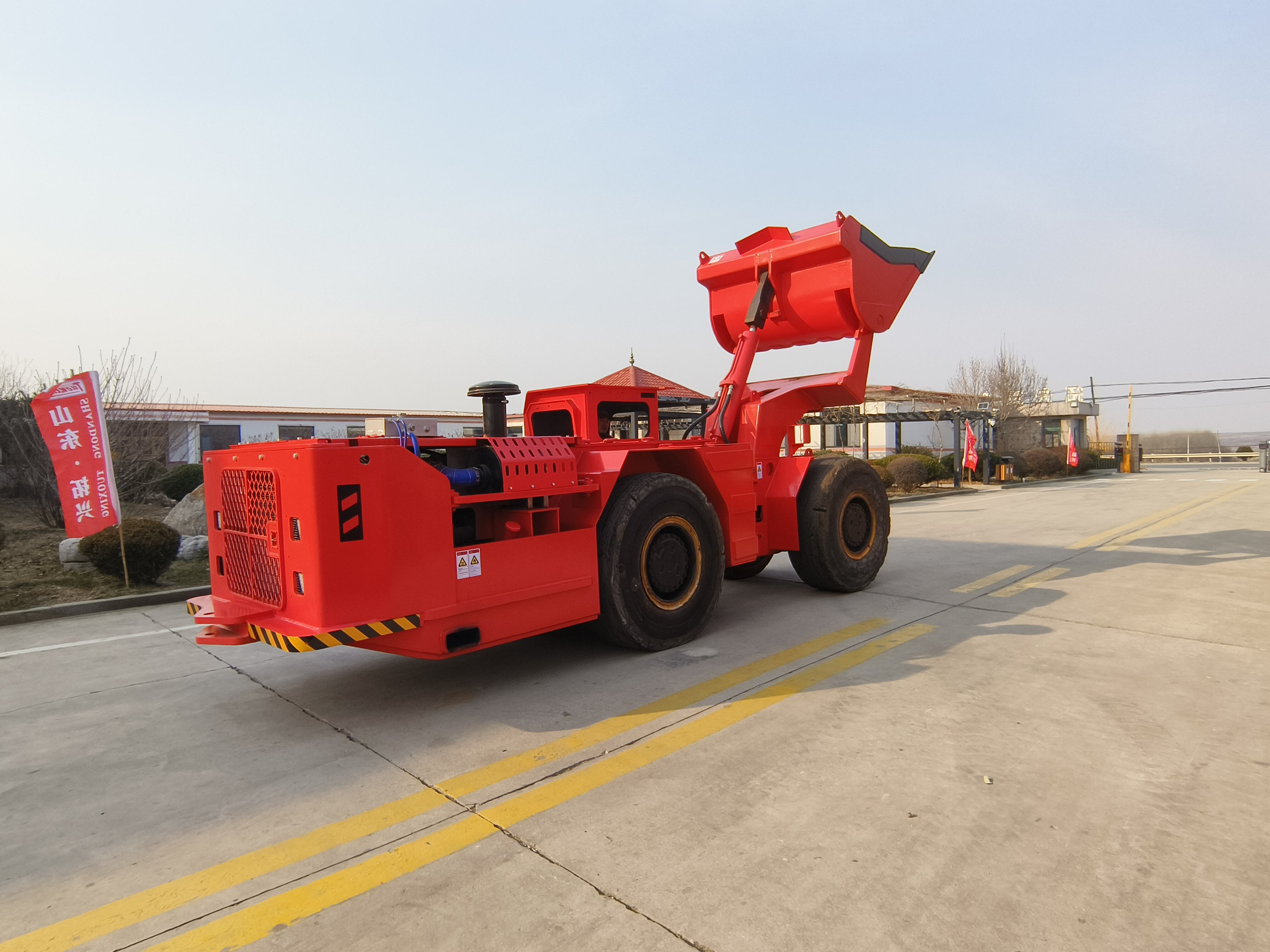
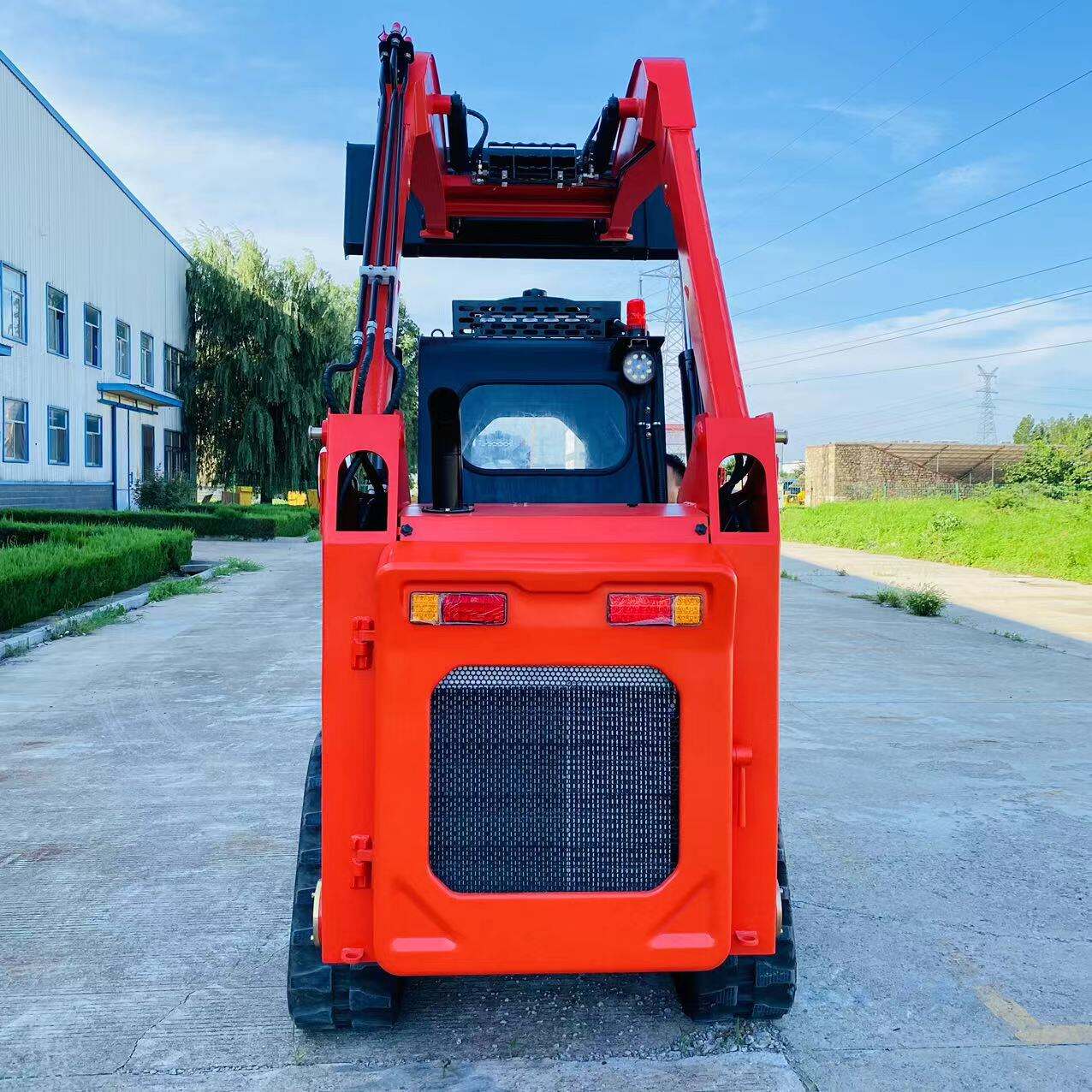
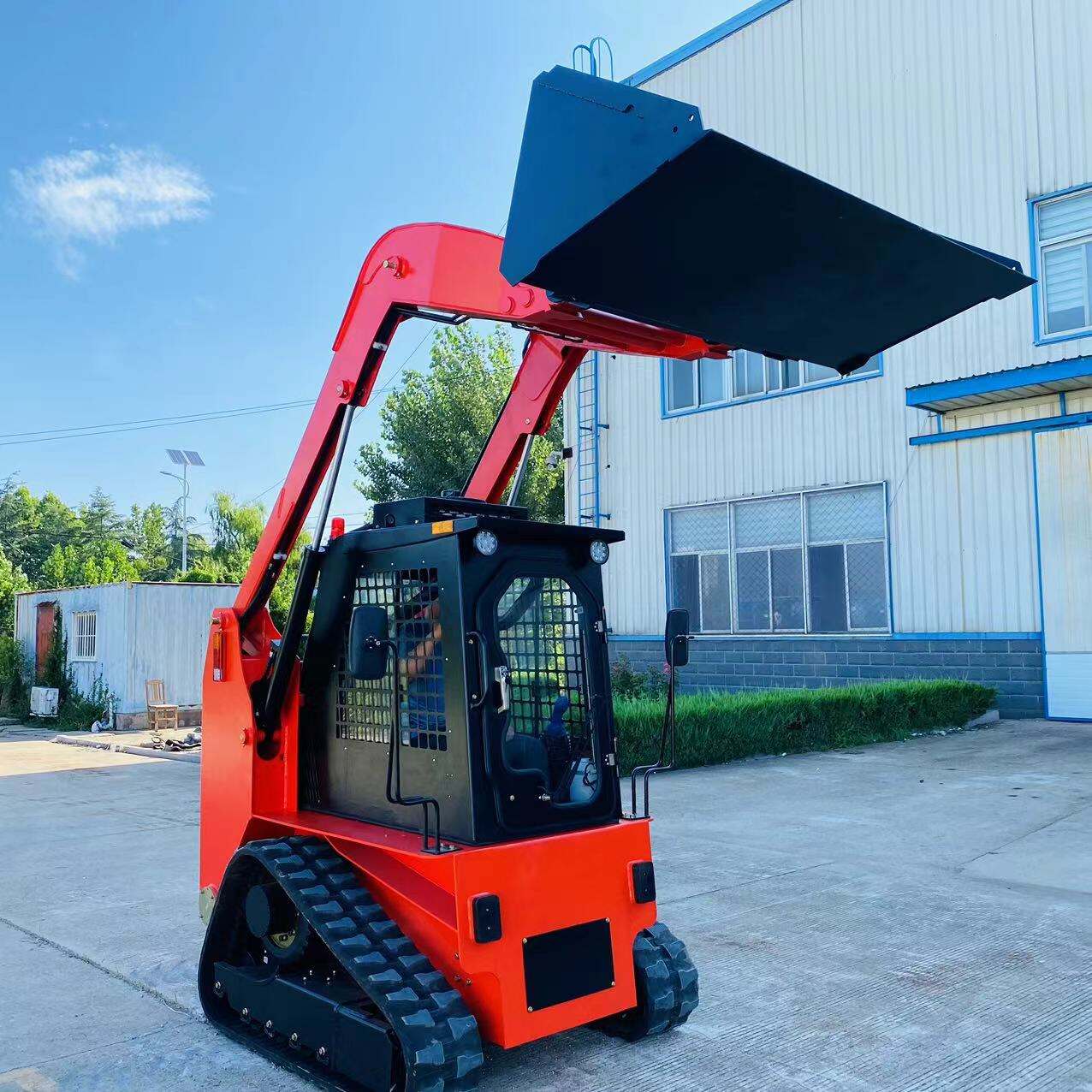
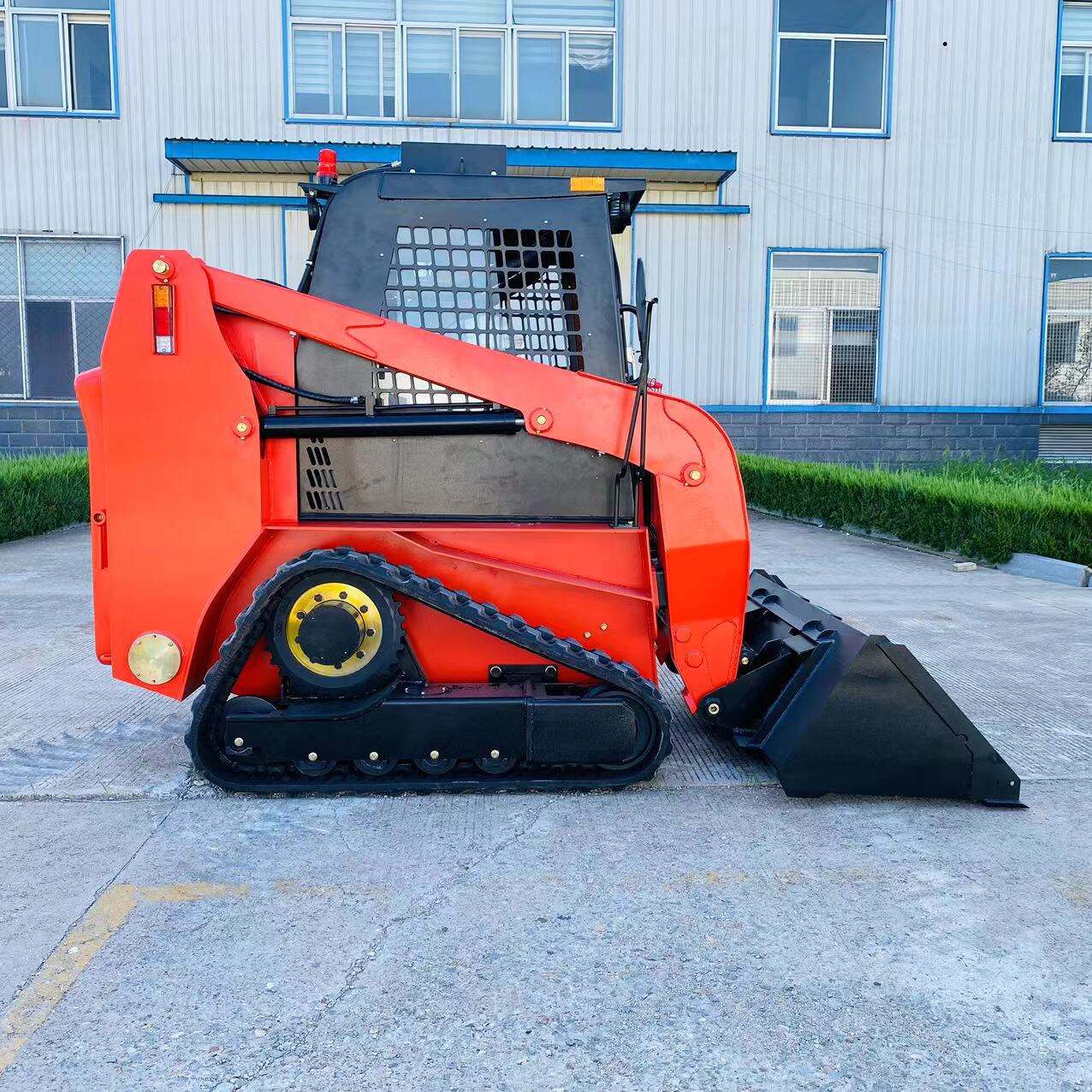
A skid steer loader factory represents a specialized manufacturing facility dedicated to producing versatile compact construction equipment that has revolutionized the construction, agriculture, and landscaping industries. These manufacturing plants combine advanced engineering capabilities with precision assembly processes to create machines capable of performing multiple tasks efficiently. The primary function of a skid steer loader factory involves designing, fabricating, and assembling compact machines equipped with unique steering mechanisms that allow them to turn within their own footprint. Modern production facilities integrate sophisticated quality control systems, robotic welding stations, computerized testing equipment, and trained technicians who ensure every unit meets stringent performance standards. The technological features implemented within these factories include automated paint booths, hydraulic system testing chambers, electronic diagnostics integration, and modular assembly lines that accommodate various model configurations. Production processes typically encompass metal cutting and forming, frame construction, hydraulic system installation, engine mounting, electrical wiring, cab assembly, and comprehensive performance testing. A skid steer loader factory utilizes advanced manufacturing technologies such as laser cutting machines, CNC machining centers, powder coating systems, and computerized inventory management to optimize production efficiency and maintain consistent quality standards. These facilities serve diverse applications across construction sites, agricultural operations, material handling warehouses, municipal maintenance departments, and landscaping businesses. The manufacturing environment emphasizes safety protocols, environmental compliance, continuous improvement methodologies, and worker training programs. Factory layouts typically feature dedicated zones for component fabrication, subassembly construction, final assembly, quality inspection, and shipping preparation. By maintaining rigorous manufacturing standards and implementing innovative production techniques, a skid steer loader factory ensures reliable equipment delivery to customers worldwide while continuously advancing machine capabilities through research and development initiatives focused on operator comfort, fuel efficiency, attachment compatibility, and operational versatility.

Popular Products

Choosing equipment from a reputable skid steer loader factory provides customers with numerous practical benefits that directly impact their operational success and investment returns. First, these factories implement comprehensive quality assurance programs that guarantee each machine undergoes rigorous testing before leaving the production floor, ensuring customers receive reliable equipment that performs consistently under demanding conditions. The controlled manufacturing environment allows for precise component fitting, proper torque specifications, and systematic verification of all mechanical, hydraulic, and electrical systems, reducing the likelihood of premature failures and costly downtime. Second, factories with established production processes maintain better inventory control and supplier relationships, enabling them to source premium components at competitive prices and pass those savings along to buyers without compromising quality. Third, direct factory production ensures authentic parts and genuine specifications rather than aftermarket substitutions that might compromise performance or longevity. Fourth, manufacturers operating their own facilities can implement customer feedback directly into design improvements, creating an evolutionary development cycle that continuously enhances machine capabilities based on real-world usage patterns. Fifth, factory-backed warranties provide stronger protection because the manufacturer controls every production aspect and stands behind their workmanship with comprehensive support networks. Sixth, established factories invest in employee training programs that develop skilled technicians who understand proper assembly techniques, resulting in superior build quality compared to outsourced manufacturing arrangements. Seventh, direct factory purchases often include better technical support access since factory engineers possess intimate knowledge of design specifications and can provide accurate troubleshooting guidance. Eighth, factories committed to innovation allocate resources toward research and development, ensuring their equipment incorporates the latest technological advancements in hydraulic efficiency, operator comfort, safety features, and attachment versatility. Ninth, environmentally conscious factories implement sustainable manufacturing practices that reduce waste, minimize emissions, and utilize recyclable materials, aligning with customers' corporate responsibility goals. Tenth, established production facilities maintain consistent output quality through standardized procedures and continuous improvement initiatives that eliminate variability between units. Finally, purchasing from a dedicated skid steer loader factory ensures long-term parts availability and service support, protecting the customer's investment over the equipment's entire operational lifespan while maintaining resale value through recognized brand reputation and documented manufacturing pedigree.

Practical Tips

How Can an Underground LHD Loader Improve Efficiency in Mining Operations?

11

Dec

How Can an Underground LHD Loader Improve Efficiency in Mining Operations?

Enhancing Mining Productivity with Underground LHD Loaders Underground mining operations demand high efficiency, safety, and reliability. The introduction of underground LHD (Load, Haul, Dump) loaders has revolutionized mining processes, providing a ...
View More
What Factors Affect the Performance of an Underground Mining Scoop?

07

Jan

What Factors Affect the Performance of an Underground Mining Scoop?

The performance of an underground mining scoop depends on numerous interconnected factors that directly impact productivity, safety, and operational efficiency in mining operations. Understanding these variables is crucial for mining engineers and op...
View More
What Performance Factors Define a Scooptram 1 Cubic Yard?

07

Jan

What Performance Factors Define a Scooptram 1 Cubic Yard?

Underground mining operations demand precision, reliability, and efficiency from every piece of equipment deployed in challenging subterranean environments. The scooptram 1 cubic yard represents a crucial component in modern mining fleets, offering t...
View More
Why Some Mines Still Choose Diesel Over Electric Underground Trucks

18

Mar

Why Some Mines Still Choose Diesel Over Electric Underground Trucks

The underground mining industry stands at a technological crossroads where electric vehicle adoption accelerates across surface operations, yet many mine operators continue selecting diesel-powered underground mining trucks for their critical hauling...
View More

Get a Free Quote

Our representative will contact you soon.
Email
Name
Company Name
Message
0/1000

skid steer loader factory

Advanced Manufacturing Technology Integration

Advanced Manufacturing Technology Integration

A modern skid steer loader factory distinguishes itself through strategic integration of cutting-edge manufacturing technologies that elevate production precision, enhance quality consistency, and accelerate delivery timelines. These facilities invest substantially in automated welding systems equipped with robotic arms that execute perfect welds repeatedly, eliminating human error variables and creating stronger structural connections throughout the machine frame. Computer Numerical Control machining centers enable the factory to produce components with tolerances measured in thousandths of inches, ensuring hydraulic cylinders, pivot points, and attachment interfaces fit together perfectly for smooth operation and extended wear life. Laser cutting equipment allows precise metal fabrication with minimal waste, creating clean edges that facilitate easier assembly and superior finished appearance. The factory floor incorporates sophisticated hydraulic testing stations where each completed unit undergoes comprehensive pressure testing, flow rate verification, and cycle time measurement to confirm all systems operate within specified parameters before proceeding to final inspection. Powder coating systems apply durable finish coatings in controlled environments that ensure uniform coverage, excellent adhesion, and superior corrosion resistance compared to conventional painting methods. Computerized inventory management systems track every component from receiving through final assembly, maintaining complete traceability and enabling rapid identification of any quality concerns. Environmental control systems regulate temperature and humidity throughout production areas, preventing condensation that could cause premature corrosion and ensuring optimal conditions for adhesive curing, paint application, and electronic component installation. The skid steer loader factory employs comprehensive testing protocols that simulate years of operational stress through accelerated durability testing, validating design assumptions before production scaling occurs. Advanced diagnostic equipment integrated during assembly enables technicians to program electronic controllers, calibrate sensor systems, and verify communication between computerized components, ensuring modern machines with sophisticated electronics function flawlessly from initial startup. This technological infrastructure represents significant capital investment that demonstrates the factory's commitment to manufacturing excellence and positions them to adapt quickly as industry standards evolve and customer expectations increase regarding machine capabilities, efficiency, and reliability.
Customization Capabilities and Flexible Production Systems

Customization Capabilities and Flexible Production Systems

The versatility inherent in skid steer loader factory operations extends beyond the machines themselves to encompass flexible manufacturing systems capable of accommodating diverse customer requirements without sacrificing efficiency or quality standards. Modern production facilities implement modular assembly approaches that allow simultaneous construction of multiple machine configurations, accommodating variations in engine size, hydraulic flow capacity, cab enclosure options, attachment mounting systems, and specialized features requested by customers operating in unique applications. This flexibility proves particularly valuable for customers requiring specific modifications such as enhanced cooling systems for high-temperature environments, upgraded filtration for dusty conditions, specialized lighting packages for underground operations, or custom paint schemes matching corporate branding requirements. The factory maintains relationships with multiple component suppliers, enabling them to source alternative parts when customers specify particular brands for engines, hydraulic pumps, or electronic controls based on their existing fleet maintenance infrastructure or personal preferences. Engineering teams within the skid steer loader factory possess expertise to evaluate custom requests, determine feasibility, calculate cost implications, and execute modifications while maintaining structural integrity and warranty coverage. Production scheduling systems accommodate both standard production runs and special orders, balancing efficiency gains from repetitive manufacturing with responsiveness to unique customer needs. Quality control processes adapt to custom configurations, developing specific inspection checklists that verify proper installation and function of non-standard components while maintaining the same rigorous standards applied to regular production units. The factory's ability to produce various weight classes, from compact models suitable for residential landscaping to heavy-duty units designed for demanding construction applications, demonstrates production system versatility that serves broad market segments. Documentation systems track every customization, creating detailed build sheets that accompany each machine and facilitate future service by providing technicians with precise information about installed components and configuration specifications. This customization capability transforms the skid steer loader factory from a simple manufacturing facility into a solution provider that collaborates with customers to develop optimized equipment matching their operational requirements, budget constraints, and performance expectations while delivering machines backed by full factory support regardless of specification variations.
Comprehensive Quality Control and Testing Procedures

Comprehensive Quality Control and Testing Procedures

The hallmark of an exceptional skid steer loader factory lies in its unwavering commitment to quality control processes that verify every aspect of machine construction meets or exceeds established standards before units reach customer worksites. These comprehensive protocols begin with incoming component inspection, where trained quality technicians examine raw materials, purchased parts, and subassemblies against specifications to prevent defective components from entering the production stream. Throughout the assembly process, staged inspection points allow supervisors to verify proper torque application on critical fasteners, correct hydraulic hose routing to prevent chafing, appropriate electrical connection sealing against moisture intrusion, and accurate installation of safety devices that protect operators. The factory implements statistical process control methodologies that collect measurement data from multiple production stages, identifying trends that might indicate tool wear, fixture drift, or procedural inconsistencies before they result in non-conforming products. Dedicated testing bays within the skid steer loader factory allow completed machines to undergo operational verification that includes hydraulic system pressure testing under load, engine performance evaluation across the RPM range, attachment interface functionality confirmation, electrical system verification, and control responsiveness assessment. Experienced test operators exercise every machine function repeatedly, listening for unusual noises, observing smooth motion throughout the operating envelope, and confirming gauge readings match expected values. Leak detection procedures identify any hydraulic fluid seepage, coolant migration, or fuel system deficiencies that could cause problems after delivery. Paint quality inspection ensures uniform coverage, proper film thickness, acceptable gloss levels, and freedom from defects such as runs, sags, or contamination. Final inspection checklists encompass hundreds of verification points covering mechanical assembly, electrical systems, hydraulic functions, operator controls, safety features, fluid levels, decal placement, and overall appearance. Documentation accompanying each unit includes test results, inspection records, serial number tracking, and configuration details that provide complete traceability throughout the machine's service life. This meticulous attention to quality control distinguishes leading skid steer loader factory operations from competitors and provides customers with confidence that their equipment investment will deliver reliable performance, minimal maintenance requirements, and long operational life, ultimately reducing total ownership costs and maximizing return on investment.


Get a Free Quote

Our representative will contact you soon.
Email
Name
Company Name
Message
0/1000