New Concrete Trucks: Advanced Mixing Technology for Modern Construction Projects

All Categories

new concrete trucks

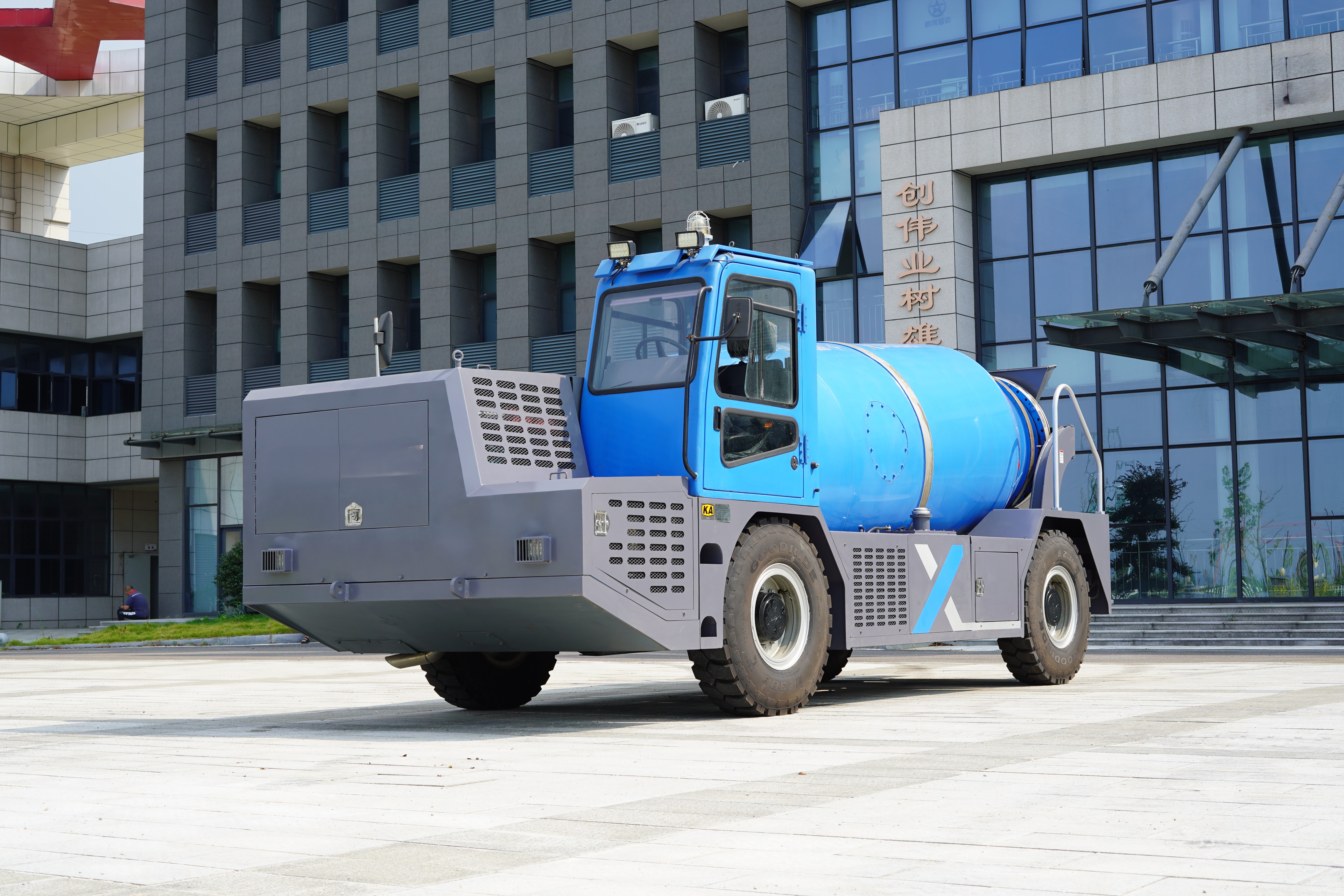
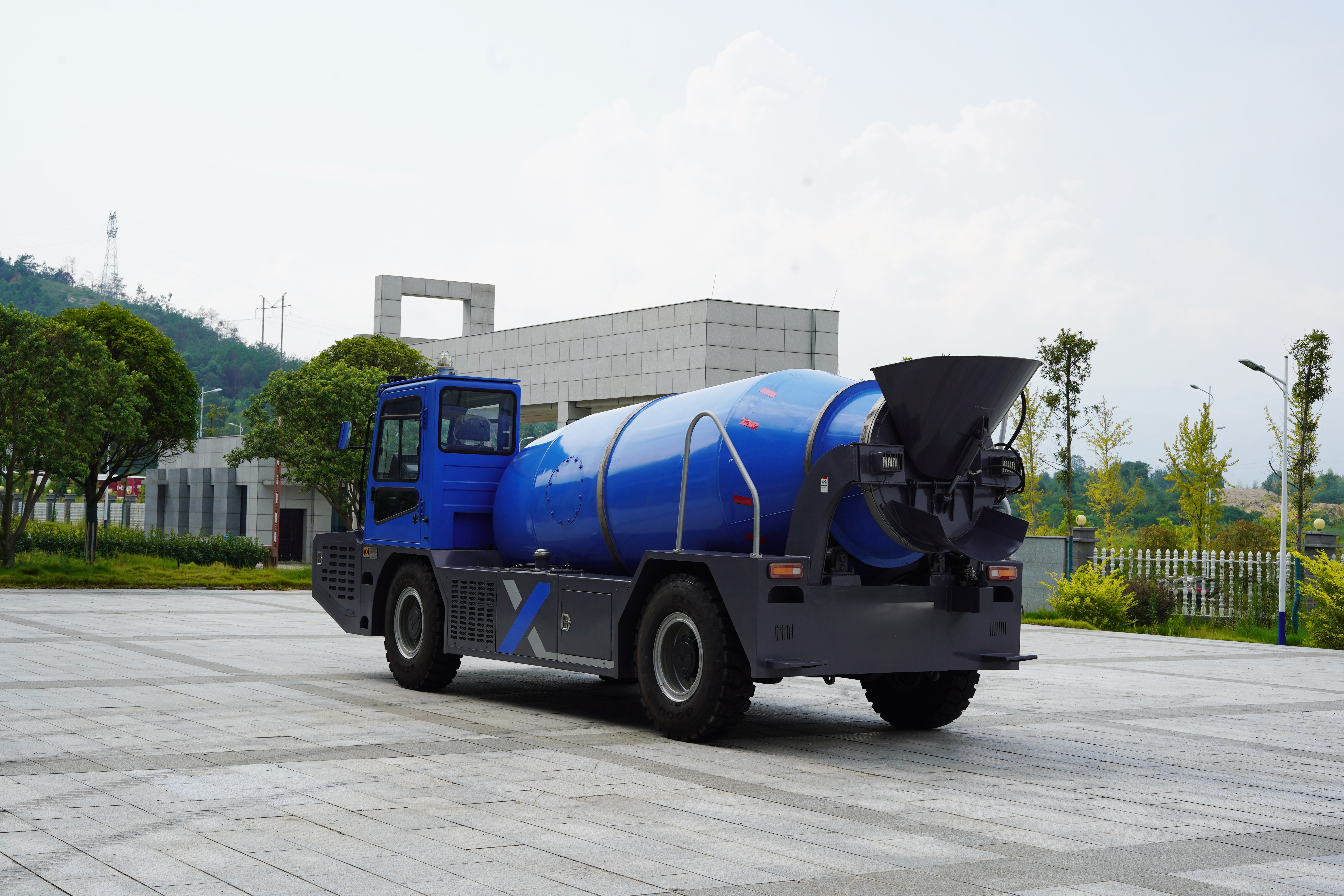
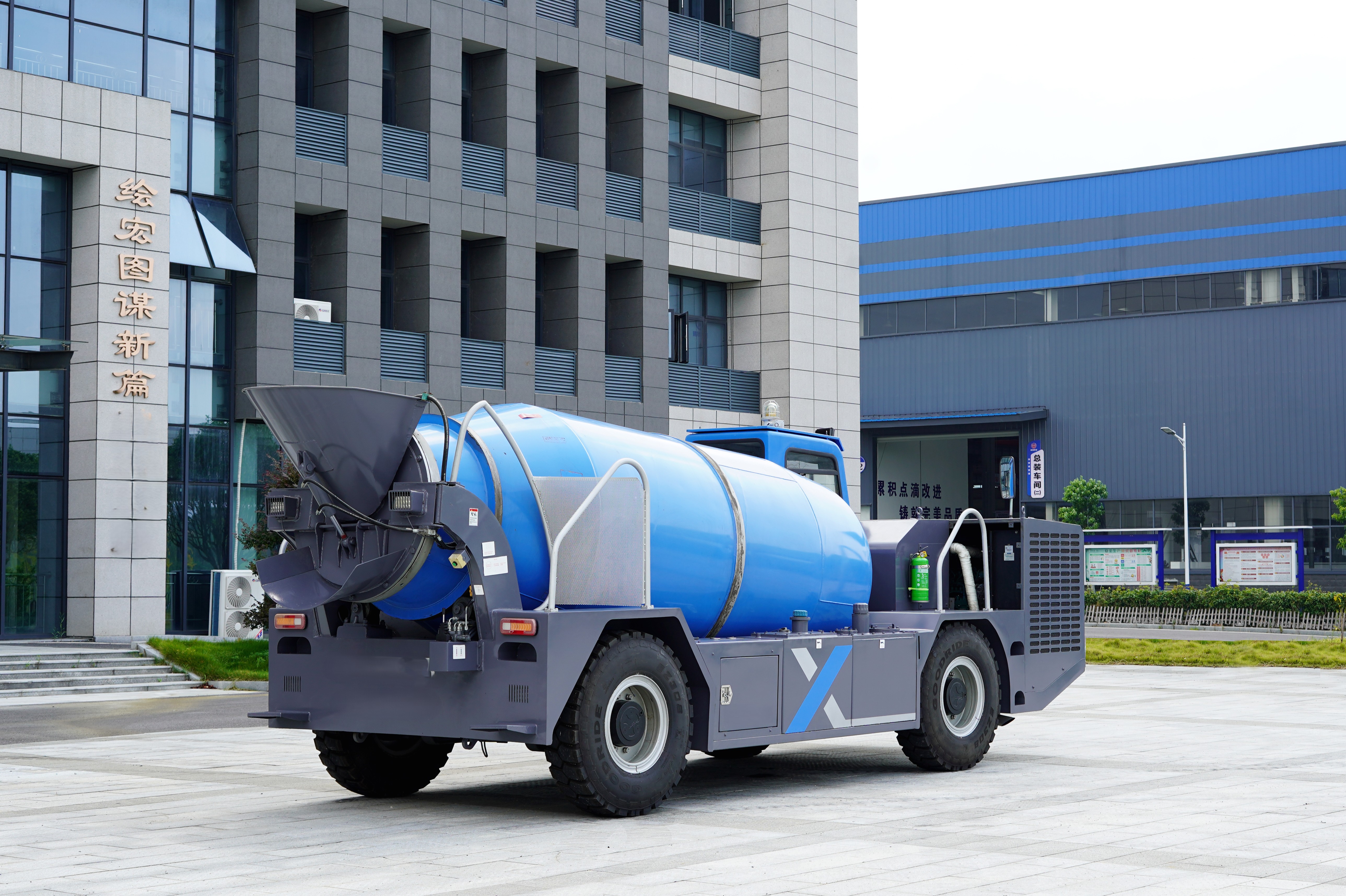
New concrete trucks represent a significant advancement in construction equipment technology, designed to meet the evolving demands of modern building projects. These specialized vehicles serve as the backbone of concrete delivery operations, combining transportation capabilities with mixing functions to ensure fresh, high-quality concrete arrives at job sites ready for immediate use. The primary function of new concrete trucks is to transport concrete mixtures from batching plants to construction locations while maintaining the material's consistency and workability through continuous drum rotation. Modern new concrete trucks incorporate sophisticated hydraulic systems that control the rotating drum, allowing operators to adjust mixing speeds according to specific project requirements. The technological features integrated into new concrete trucks include advanced control panels with digital displays, GPS tracking systems for route optimization, and automated water dispensing mechanisms that help maintain proper concrete consistency throughout transit. These vehicles typically feature reinforced steel drums with spiral blades designed to mix concrete efficiently during transport, preventing segregation and ensuring uniform distribution of aggregates, cement, and additives. New concrete trucks come in various capacities, ranging from compact models suitable for residential projects to large-capacity units designed for commercial and infrastructure developments. The chassis of new concrete trucks is engineered to handle substantial loads while maintaining stability and maneuverability in diverse terrain conditions. Applications for new concrete trucks span across residential construction, commercial building projects, highway development, bridge construction, and industrial facility installations. The versatility of new concrete trucks makes them indispensable for projects requiring consistent concrete supply, from foundation pours to vertical structural elements and flatwork applications.

New Products

The advantages of new concrete trucks extend far beyond simple material transportation, offering construction professionals numerous practical benefits that directly impact project efficiency and profitability. First and foremost, new concrete trucks eliminate the need for on-site mixing operations, saving valuable space at crowded construction sites and reducing the equipment footprint required for concrete preparation. This centralized mixing approach ensures better quality control, as batching plants can precisely measure ingredients and monitor mixture specifications more accurately than field operations. Time savings represent another crucial advantage, as new concrete trucks deliver ready-to-use concrete that workers can place immediately upon arrival, accelerating construction schedules and enabling teams to complete more pours within tight timeframes. The continuous mixing action during transport maintains concrete workability, preventing premature setting and allowing flexibility in delivery timing without compromising material properties. New concrete trucks reduce labor requirements significantly, as fewer workers are needed compared to traditional mixing methods, lowering overall project costs and minimizing workforce management challenges. The professional appearance and reliability of new concrete trucks enhance company reputation, demonstrating commitment to modern practices and quality service delivery that attracts discerning clients. Fuel efficiency improvements in new concrete trucks translate to lower operating costs, with optimized engines and aerodynamic designs reducing consumption during transit between plants and job sites. Safety enhancements incorporated into new concrete trucks protect operators and site personnel through improved visibility systems, backup cameras, and automatic braking features that prevent accidents in congested work areas. Environmental benefits emerge from reduced emissions and waste, as precise batching minimizes excess material production while cleaner-burning engines decrease carbon footprints associated with concrete delivery operations. The versatility of new concrete trucks allows contractors to handle diverse project types without investing in multiple specialized pieces of equipment, maximizing asset utilization and return on investment. Maintenance accessibility has improved dramatically, with service points positioned for easy reach and diagnostic systems that alert operators to potential issues before they cause breakdowns, reducing downtime and repair costs. Weather protection features keep concrete at optimal temperatures during extreme conditions, ensuring consistent performance regardless of seasonal variations that might otherwise compromise material quality.

Latest News

How Do B2B Mining Projects Choose the Right Underground Dump Truck?

17

Nov

How Do B2B Mining Projects Choose the Right Underground Dump Truck?

Selecting the appropriate underground dump truck for B2B mining operations represents a critical decision that directly impacts operational efficiency, safety standards, and long-term profitability. Mining contractors and project managers must naviga...
View More
Why Are LHD Loaders Preferred for Material Handling in Confined Spaces?

11

Dec

Why Are LHD Loaders Preferred for Material Handling in Confined Spaces?

Underground mining operations and construction projects in confined spaces present unique challenges that require specialized equipment capable of navigating narrow tunnels and restricted work areas. LHD loaders have emerged as the preferred solution...
View More
How to Select a Scooptram 1 Cubic Yard for Narrow Vein Mines?

07

Jan

How to Select a Scooptram 1 Cubic Yard for Narrow Vein Mines?

Mining operations in narrow vein environments present unique challenges that require specialized equipment designed for confined spaces and efficient material handling. The selection of appropriate mining machinery becomes critical when working in re...
View More
Mining’s Next Frontier: How 5G and Remote-Controlled Underground LHDs Are Revolutionizing Underground Operations

18

Mar

Mining’s Next Frontier: How 5G and Remote-Controlled Underground LHDs Are Revolutionizing Underground Operations

The mining industry stands at a transformative crossroads where cutting-edge telecommunications technology meets advanced underground equipment automation. This revolution centers on the deployment of 5G networks paired with remote-controlled undergr...
View More

Get a Free Quote

Our representative will contact you soon.
Email
Name
Company Name
Message
0/1000

new concrete trucks

Advanced Drum Technology and Mixing Efficiency

Advanced Drum Technology and Mixing Efficiency

The revolutionary drum design featured in new concrete trucks represents a quantum leap forward in mixing technology, delivering unprecedented consistency and quality in concrete delivery operations. Unlike older models with basic rotating chambers, new concrete trucks utilize scientifically engineered spiral blade configurations that create optimal mixing patterns throughout the entire drum volume. These precision-crafted blades are positioned at calculated angles and intervals, ensuring every portion of the concrete mixture receives equal agitation and preventing the formation of dead zones where materials might settle or separate during transport. The drum rotation mechanism in new concrete trucks operates through advanced hydraulic systems that provide infinitely variable speed control, allowing operators to adjust mixing intensity based on specific mixture designs, ambient conditions, and transit duration. This sophisticated control capability ensures that delicate decorative concrete maintains its special aggregate distribution while standard structural mixes achieve thorough homogeneity without over-mixing that could compromise strength development. The interior surface of drums in new concrete trucks features specially formulated coatings that resist concrete adhesion and chemical attack, extending service life while facilitating easier cleaning between loads of different mixture types. Capacity optimization in new concrete trucks maximizes payload efficiency through computational fluid dynamics analysis that determined ideal drum geometry, enabling these vehicles to carry more concrete within legal weight limits compared to previous generations. The drum discharge system incorporates refined chute designs with adjustable extensions and directional controls that give placement crews precise targeting capability, reducing spillage and minimizing the need for manual material redistribution at pour locations. Operators benefit from intuitive control interfaces that display real-time information about drum rotation speed, direction, and load volume, empowering them to make informed adjustments that optimize concrete condition upon arrival. The structural integrity of drums in new concrete trucks comes from high-strength steel alloys and reinforced mounting systems that withstand the substantial forces generated during mixing operations while maintaining balance and stability during highway travel. Maintenance requirements decrease substantially thanks to sealed bearing assemblies and automatic lubrication systems that protect critical rotating components from contamination and wear, extending service intervals and reducing lifecycle costs for fleet operators.
Intelligent Control Systems and Operational Efficiency

Intelligent Control Systems and Operational Efficiency

New concrete trucks distinguish themselves through integration of cutting-edge control systems that transform these vehicles from simple transporters into intelligent delivery platforms capable of optimizing every aspect of concrete handling operations. The digital command centers installed in new concrete trucks feature touchscreen interfaces that consolidate all operational functions into intuitive displays, eliminating the confusion of multiple analog gauges and manual controls that characterized earlier equipment generations. These sophisticated systems continuously monitor dozens of parameters including drum rotation speed, hydraulic pressure, water tank levels, and vehicle diagnostics, providing operators with comprehensive situational awareness that enables proactive decision-making and prevents operational errors. GPS navigation technology embedded in new concrete trucks goes beyond simple routing by incorporating traffic pattern analysis, construction zone databases, and delivery schedule optimization algorithms that calculate the most efficient paths to job sites while accounting for road restrictions and time-sensitive pour requirements. Automated water management represents a breakthrough feature in new concrete trucks, using moisture sensors and programmable dispensing controls to add precise water quantities that adjust concrete slump without risking over-dilution that weakens finished structures. The communication capabilities of new concrete trucks create seamless connectivity between vehicles, dispatch centers, and batching plants through cellular and satellite links that enable real-time coordination, load tracking, and immediate response to schedule changes or delivery complications. Data logging functions capture detailed records of every delivery, including departure times, transit conditions, drum rotations, water additions, and discharge durations that provide documentation for quality assurance purposes and help resolve any questions about concrete handling procedures. The predictive maintenance systems in new concrete trucks analyze operational patterns and component performance metrics to forecast when service interventions will become necessary, allowing fleet managers to schedule maintenance during planned downtime rather than experiencing unexpected failures that disrupt delivery commitments. Energy management features optimize power distribution between propulsion and auxiliary systems in new concrete trucks, reducing fuel consumption through intelligent load-sensing hydraulics that deliver only the pressure required for current operations rather than maintaining constant maximum output. Safety monitoring functions include backup detection systems, stability sensors, and automatic alerts that warn operators about potential hazards ranging from approaching obstacles to unsafe drum rotation speeds for current driving conditions, protecting personnel and equipment while reducing liability exposure for concrete suppliers.

Durability Engineering and Long-Term Value

Durability Engineering and Long-Term Value

The construction quality and materials engineering that define new concrete trucks establish these vehicles as long-term investments that deliver reliable performance and retain value throughout extended service lives. Chassis manufacturers partner with concrete equipment specialists to develop integrated platforms specifically designed for the unique stresses of concrete delivery operations, rather than adapting commercial truck frames that may lack adequate reinforcement in critical load-bearing areas. The frame rails of new concrete trucks utilize high-tensile steel alloys with optimized thickness profiles that provide exceptional strength-to-weight ratios, supporting heavy drum assemblies and full concrete loads while maintaining structural integrity over hundreds of thousands of operating miles. Suspension systems in new concrete trucks employ heavy-duty components with increased capacity ratings that cushion the vehicle and payload from road shock, protecting both the concrete mixture from excessive agitation and the truck structure from fatigue damage that causes premature wear in lesser equipment. Corrosion protection receives extraordinary attention in new concrete trucks through multi-stage coating processes that seal every steel surface against the alkaline concrete environment and road salt exposure that rapidly deteriorates unprotected metal components. The powertrain selections available for new concrete trucks prioritize torque delivery and durability over maximum speed, incorporating diesel engines with proven reliability records in demanding vocational applications and transmissions engineered specifically for the frequent starts, stops, and low-speed maneuvering characteristic of concrete delivery work. Hydraulic system components in new concrete trucks utilize industrial-grade pumps, valves, and actuators designed for continuous-duty cycles rather than light-commercial components that fail prematurely under the constant operation required for drum rotation throughout long delivery routes. The service life expectations for new concrete trucks extend well beyond typical commercial vehicle standards, with many units providing reliable operation for fifteen to twenty years when properly maintained, delivering exceptional return on investment compared to equipment requiring replacement every five to seven years. Resale value retention remains strong for new concrete trucks due to their robust construction and the active secondary market for quality concrete delivery equipment, allowing companies to recover substantial portions of initial investments when upgrading fleets or exiting markets. Warranty coverage provided with new concrete trucks demonstrates manufacturer confidence in build quality, often extending beyond standard commercial vehicle terms to protect buyers against defects and premature component failures that might otherwise generate unexpected repair expenses during crucial early service years. Parts availability and dealer support networks for new concrete trucks ensure that maintenance items and replacement components remain accessible throughout vehicle lifespans, preventing extended downtime waiting for obsolete parts that plague owners of discontinued equipment models.

Get a Free Quote

Our representative will contact you soon.
Email
Name
Company Name
Message
0/1000