Mini Truck Concrete Solutions: Compact Mixer Trucks for Accessible Concrete Delivery

All Categories

mini truck concrete

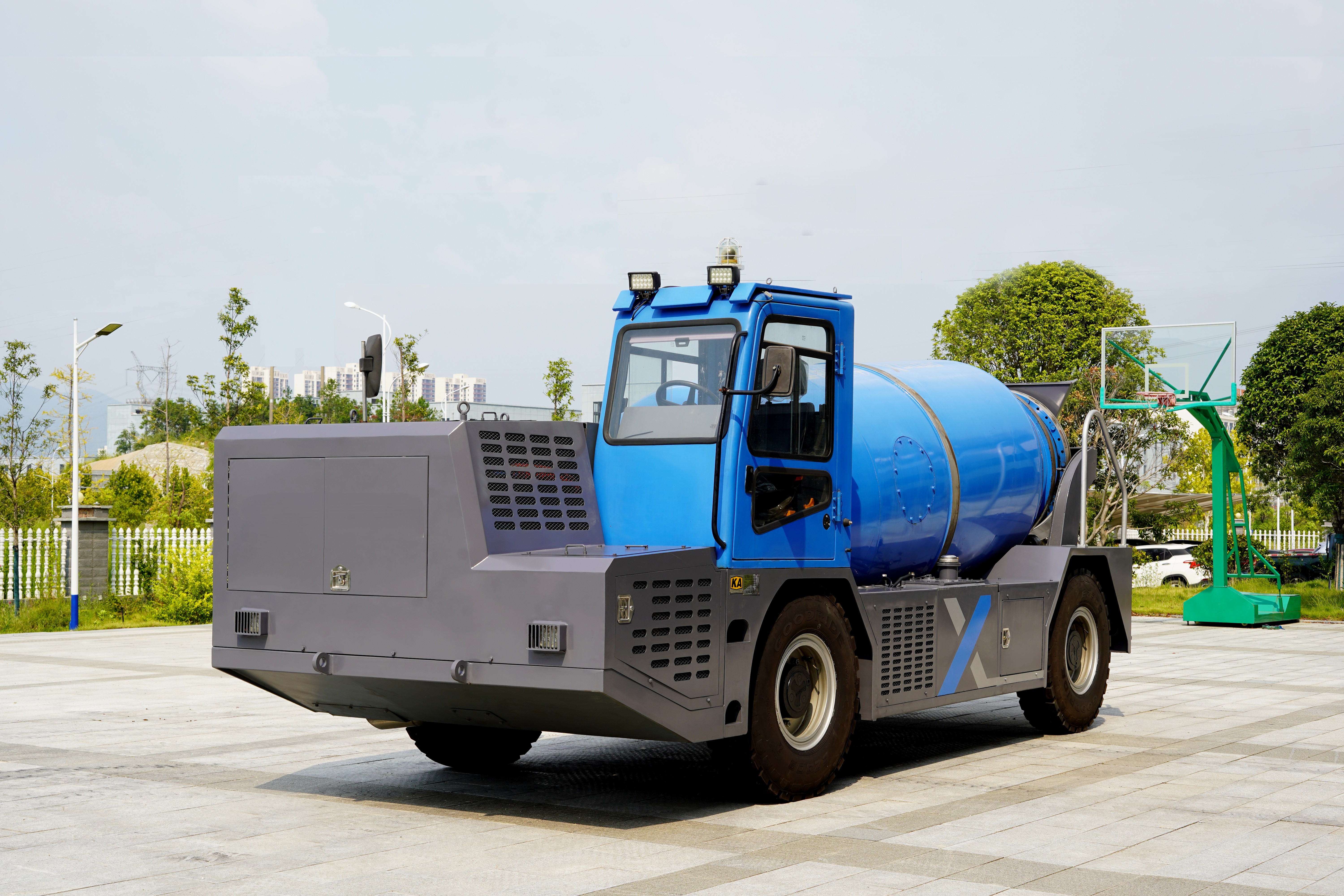
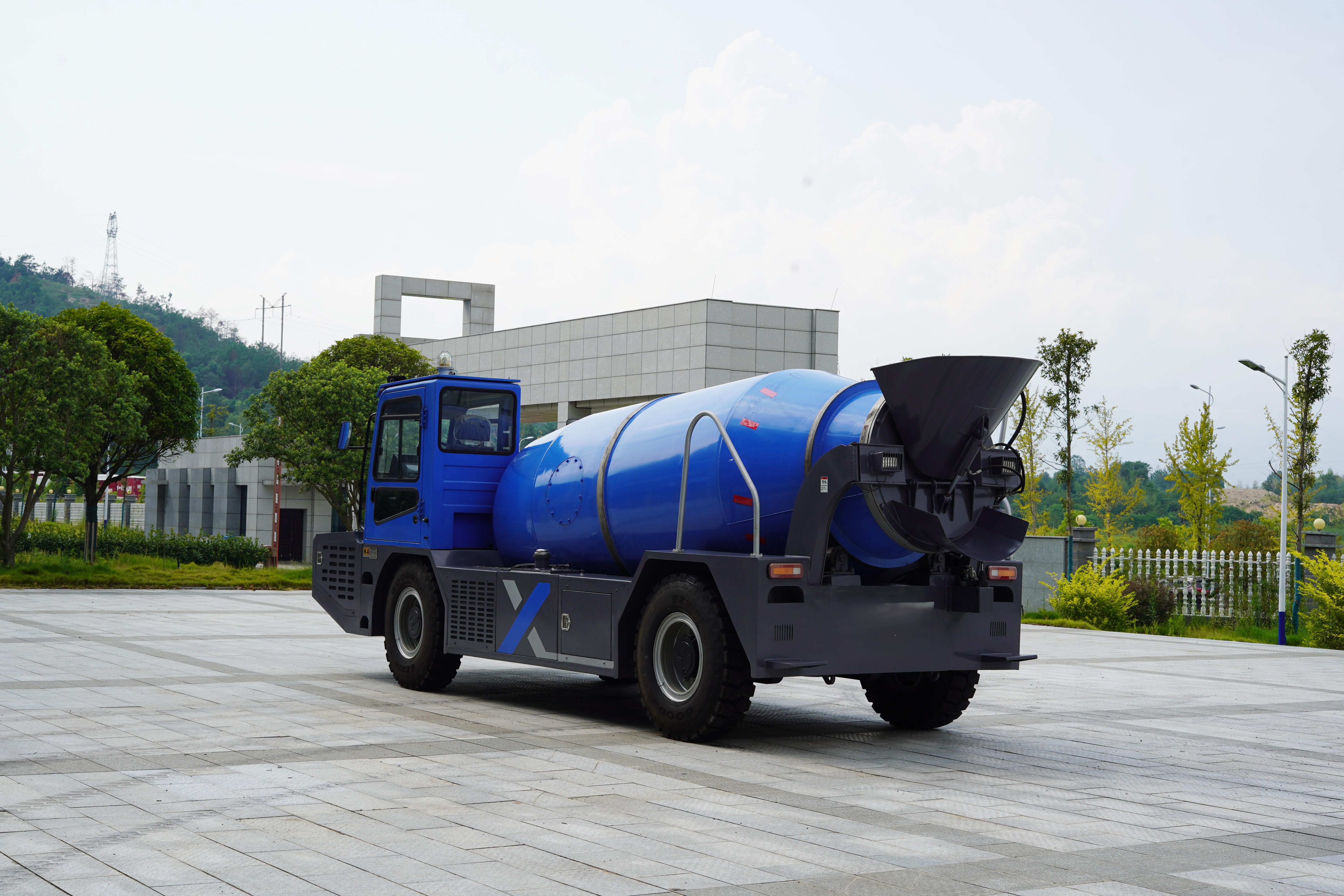
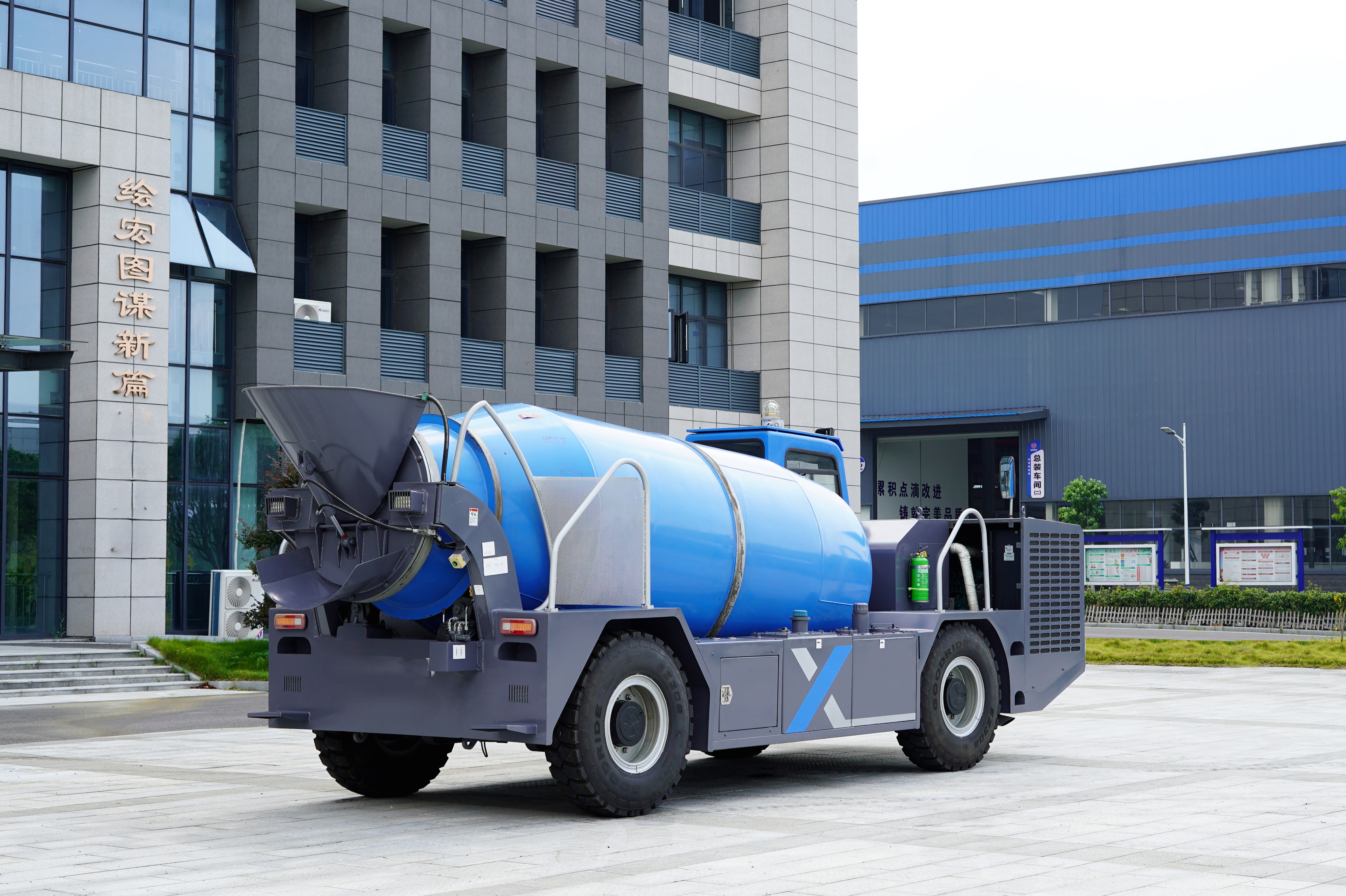
Mini truck concrete represents an innovative solution in the construction and building materials transportation sector, combining the practicality of compact vehicles with specialized concrete delivery capabilities. This equipment category encompasses small-scale concrete mixer trucks designed specifically for navigating tight urban spaces, residential areas, and challenging job sites where traditional large concrete trucks cannot operate effectively. The mini truck concrete system integrates a rotating drum mixer mounted on a compact truck chassis, enabling on-site concrete mixing and pouring operations with remarkable flexibility. These vehicles typically feature mixing capacities ranging from 1 to 4 cubic meters, making them ideal for small to medium-sized construction projects, renovation work, and specialty applications. The technological architecture of mini truck concrete units incorporates hydraulic mixing mechanisms, precision water dosing systems, and user-friendly control interfaces that allow operators to maintain consistent concrete quality throughout the delivery process. The compact dimensions of these trucks, usually measuring between 4 to 6 meters in length, enable them to access residential driveways, narrow alleyways, and congested construction sites where maneuverability is paramount. Modern mini truck concrete equipment features advanced safety systems including emergency stop mechanisms, reverse cameras, and stability control features that protect both operators and surrounding personnel. The mixing drum rotation speed can be adjusted according to specific concrete requirements, ensuring proper amalgamation of cement, aggregates, water, and additives. Many models incorporate self-loading capabilities, allowing operators to source materials directly from stockpiles without requiring additional loading equipment. The application spectrum for mini truck concrete extends across residential construction, small commercial projects, infrastructure repair work, landscaping operations, and specialized paving tasks. These versatile machines have revolutionized how contractors approach projects requiring concrete delivery in space-constrained environments, providing a cost-effective alternative to manual mixing or oversized delivery trucks that cannot reach certain locations.

Popular Products

Mini truck concrete delivers substantial practical benefits that directly impact project efficiency and cost management for contractors and builders. The foremost advantage lies in superior site accessibility, allowing concrete delivery to locations previously considered unreachable by standard mixer trucks. Homeowners undertaking driveway installations, patio construction, or foundation repairs benefit tremendously from these compact units that can navigate residential streets and tight spaces without damaging landscaping or requiring special permits for oversized vehicles. The economic advantages prove compelling, as mini truck concrete eliminates the need for intermediate transfer processes that waste both material and labor hours. Contractors save money by reducing concrete waste, which typically occurs when transferring from large trucks to wheelbarrows or buggies for final placement. The ability to mix concrete on demand means projects receive fresh material at optimal consistency, eliminating concerns about premature setting that occurs with pre-mixed concrete during transport delays. Operational flexibility stands as another significant advantage, enabling contractors to adjust batch sizes according to real-time project needs rather than ordering minimum quantities from commercial batching plants. This adaptability reduces over-ordering and minimizes disposal costs for unused concrete. Time efficiency gains materialize through faster setup and deployment compared to traditional concrete delivery methods. Small crews can accomplish tasks that previously required multiple workers and equipment pieces, translating to lower labor costs and shortened project timelines. The self-contained nature of mini truck concrete systems means fewer dependencies on external resources, providing contractors with greater schedule control and reducing vulnerability to supplier delays. Environmental benefits emerge from reduced fuel consumption compared to dispatching full-sized concrete trucks for small-volume deliveries, contributing to lower carbon footprints for construction projects. The precision mixing capabilities ensure accurate water-cement ratios, producing stronger, more durable concrete that meets specification requirements consistently. Maintenance requirements for mini truck concrete equipment remain manageable, with straightforward mechanical systems that local technicians can service without specialized training. The smaller physical footprint requires less storage space at contractor yards, freeing valuable real estate for other equipment or materials. Noise levels from these compact units typically run lower than industrial concrete trucks, making them more suitable for residential neighborhoods and noise-sensitive environments. Insurance and licensing costs often prove lower for mini truck concrete compared to commercial-grade concrete delivery vehicles, providing additional financial advantages for small to medium-sized contractors. The learning curve for operators remains gentle, with intuitive controls that allow crew members to become proficient quickly without extensive specialized training programs.

Tips And Tricks

How Can an Underground LHD Loader Improve Efficiency in Mining Operations?

11

Dec

How Can an Underground LHD Loader Improve Efficiency in Mining Operations?

Enhancing Mining Productivity with Underground LHD Loaders Underground mining operations demand high efficiency, safety, and reliability. The introduction of underground LHD (Load, Haul, Dump) loaders has revolutionized mining processes, providing a ...
View More
How to Select a Scooptram 1 Cubic Yard for Narrow Vein Mines?

07

Jan

How to Select a Scooptram 1 Cubic Yard for Narrow Vein Mines?

Mining operations in narrow vein environments present unique challenges that require specialized equipment designed for confined spaces and efficient material handling. The selection of appropriate mining machinery becomes critical when working in re...
View More
How Does an Underground Mining Scoop Compare to Other LHD Equipment?

07

Jan

How Does an Underground Mining Scoop Compare to Other LHD Equipment?

The selection of appropriate Load Haul Dump (LHD) equipment plays a critical role in underground mining operations, with the underground mining scoop representing one of the most versatile and essential pieces of machinery in modern mining environmen...
View More
Mining’s Next Frontier: How 5G and Remote-Controlled Underground LHDs Are Revolutionizing Underground Operations

18

Mar

Mining’s Next Frontier: How 5G and Remote-Controlled Underground LHDs Are Revolutionizing Underground Operations

The mining industry stands at a transformative crossroads where cutting-edge telecommunications technology meets advanced underground equipment automation. This revolution centers on the deployment of 5G networks paired with remote-controlled undergr...
View More

Get a Free Quote

Our representative will contact you soon.
Email
Name
Company Name
Message
0/1000

mini truck concrete

Revolutionary Compact Design for Unmatched Site Accessibility

Revolutionary Compact Design for Unmatched Site Accessibility

The compact engineering of mini truck concrete represents a breakthrough in construction equipment design, specifically addressing the longstanding challenge of delivering fresh concrete to restricted access locations. Traditional concrete delivery systems rely on large mixer trucks that require substantial clearance for height, width, and turning radius, effectively excluding them from countless residential and urban construction sites. Mini truck concrete solves this fundamental limitation through intelligent downsizing that preserves essential functionality while dramatically reducing physical dimensions. The typical mini truck concrete unit measures approximately 5 meters in length, 2 meters in width, and 3 meters in height, allowing passage through standard residential gates, narrow driveways, and tight urban alleyways that would completely block conventional concrete trucks. This dimensional optimization opens entirely new markets for concrete contractors, enabling them to bid on projects previously requiring labor-intensive manual mixing or expensive concrete pumping services. The tight turning radius, often under 5 meters, permits navigation through complex residential layouts with mature landscaping, parked vehicles, and architectural features that create obstacle courses for larger equipment. Homeowners particularly appreciate this capability during renovation projects where protecting existing structures, gardens, and hardscaping carries high priority. The reduced weight of mini truck concrete vehicles, typically ranging from 3 to 7 tons when loaded, minimizes ground pressure and reduces risk of damaging underground utilities, decorative pavers, or newly installed drainage systems. Many municipalities impose weight restrictions on residential streets and bridges that prohibit heavy commercial vehicles, yet mini truck concrete units comply with these regulations while still delivering substantial concrete volumes. The lower center of gravity engineered into these compact designs enhances stability on sloped driveways and uneven terrain common in residential settings, reducing rollover risks that plague top-heavy equipment. Parking and staging requirements shrink dramatically with mini truck concrete, often requiring no more space than a standard passenger vehicle, eliminating the need for street closures or elaborate traffic management plans that add costs and complications to small projects. The reduced visual profile of these compact units proves less intimidating to residential clients and neighbors, fostering better community relations during construction activities. Service accessibility improves through thoughtful component placement that allows maintenance personnel to reach critical systems without specialized lifting equipment or extensive disassembly procedures. The compact design extends beyond mere size reduction, incorporating ergonomic operator stations that provide excellent visibility in all directions, crucial for safe maneuvering in congested environments filled with workers, materials, and curious bystanders.

Advanced Mixing Technology Ensuring Superior Concrete Quality

Advanced Mixing Technology Ensuring Superior Concrete Quality

Mini truck concrete systems incorporate sophisticated mixing technology that rivals and often surpasses the concrete quality produced by stationary batching plants, delivering consistent, specification-grade material directly to point of placement. The heart of this technological advantage lies in the precision-engineered spiral mixing drum that generates thorough material integration through calculated rotational patterns and strategically positioned internal baffles. Unlike simple agitator trucks that merely prevent segregation during transport, mini truck concrete performs active mixing, allowing operators to load raw materials and produce fresh concrete on-site with exacting quality control. The hydraulic drive systems powering these mixing drums provide infinitely variable speed control, enabling operators to adjust rotation rates according to specific concrete mix designs, ambient temperature conditions, and required workability characteristics. Rapid rotation speeds facilitate quick initial mixing when combining dry materials with water, while slower maintenance speeds preserve concrete consistency during intervals between pouring operations. Advanced models feature computerized control systems that monitor mixing duration, drum rotation count, and material addition sequences, ensuring each batch meets predetermined specifications without relying solely on operator judgment. The water dosing systems integrated into mini truck concrete equipment utilize precision metering technology, adding measured quantities to achieve target water-cement ratios with accuracy previously available only in laboratory settings. This precision proves critical for structural concrete applications where strength, durability, and long-term performance depend fundamentally on proper water content throughout the mix. Real-time slump monitoring capabilities in premium mini truck concrete models provide continuous feedback about concrete workability, alerting operators when adjustments become necessary due to material variability or environmental factors. The mixing drum geometry incorporates calculated angles and clearances that generate powerful shearing forces, breaking up material clumps and ensuring uniform distribution of cement paste around aggregate particles for optimal bonding. Temperature management features in advanced units help regulate concrete temperature during mixing, important for maintaining proper hydration kinetics in extreme weather conditions that can accelerate or retard setting times unpredictably. Self-cleaning mixing systems reduce downtime between batches and prevent concrete buildup inside drums that compromises mixing efficiency and contaminates subsequent batches with hardened material fragments. The ability to incorporate admixtures during mixing provides contractors with flexibility to modify concrete properties for specific applications, adding air entrainment for freeze-thaw resistance, plasticizers for improved workability, or accelerators for faster strength development. Quality consistency across multiple batches becomes achievable through repeatable mixing protocols stored in programmable controllers, eliminating the batch-to-batch variation common with manual mixing methods or inconsistent delivery from remote batching plants.
Versatile Applications Across Diverse Construction Scenarios

Versatile Applications Across Diverse Construction Scenarios

The application versatility of mini truck concrete extends far beyond simple size-related advantages, encompassing diverse construction scenarios where this equipment delivers unique value propositions impossible to achieve through alternative concrete delivery methods. Residential construction projects represent the primary application domain, where mini truck concrete excels at foundation repairs, basement floor installations, driveway replacements, patio construction, and sidewalk renovations that characterize the bread-and-butter work of small contractors. The equipment proves equally valuable for pool deck installations surrounding existing structures where access constraints prevent large truck approach, and for backyard projects completely enclosed by fencing or mature landscaping that creates impassable barriers for conventional equipment. Commercial renovation work in occupied buildings benefits tremendously from mini truck concrete capabilities, allowing concrete placement for floor leveling, equipment pads, and structural repairs without disrupting business operations through street closures or extensive site preparation. Historic restoration projects frequently involve confined spaces within protected structures where preserving architectural integrity demands minimally invasive material delivery methods that mini truck concrete provides ideally. Municipal infrastructure maintenance programs utilize these compact units for sidewalk repairs, curb replacements, and utility trench restoration where rapid response and minimal traffic disruption carry premium value for public works departments. Agricultural applications include barn floor installations, livestock facility construction, and farm road improvements in rural settings where concrete requirements occur sporadically and maintaining dedicated mixing equipment proves economically impractical. Landscaping contractors employ mini truck concrete for retaining wall footings, decorative concrete features, and hardscape installations where aesthetic considerations demand fresh concrete placement without surrounding area damage from heavy equipment. Emergency repair scenarios, such as storm damage restoration or structural failure remediation, benefit from the rapid deployment capabilities of mini truck concrete that can reach disaster sites quickly without requiring extensive access preparation. Precast concrete element production represents an emerging application where small manufacturers use mini truck concrete for casting custom architectural elements, specialized drainage products, or decorative landscape features in quantities too small for commercial batching plant service. Remote location construction, including mountain properties, island developments, and wilderness retreat facilities, relies on mini truck concrete to overcome logistical challenges that make traditional concrete delivery prohibitively expensive or physically impossible. The equipment serves niche markets like theme park construction, zoo habitat development, and botanical garden installations where protecting sensitive environments from heavy equipment damage justifies premium pricing for specialized concrete delivery capabilities. Industrial facility maintenance departments increasingly adopt mini truck concrete for ongoing repair work, equipment foundation installations, and floor patching operations that occur unpredictably throughout sprawling manufacturing complexes where dedicated concrete infrastructure remains underutilized.

Get a Free Quote

Our representative will contact you soon.
Email
Name
Company Name
Message
0/1000