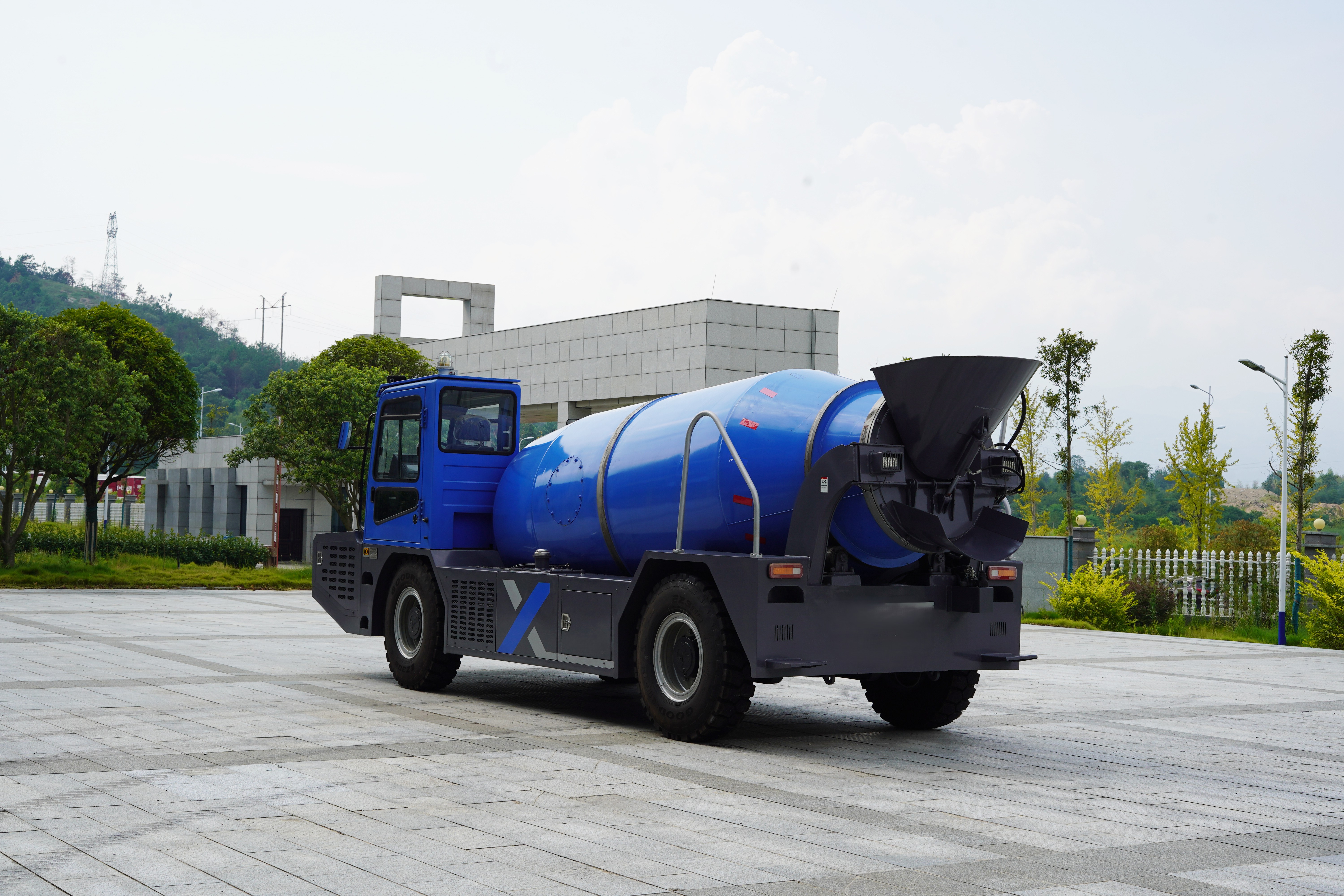
Intelligent Control Systems and Safety Features for Modern Operations
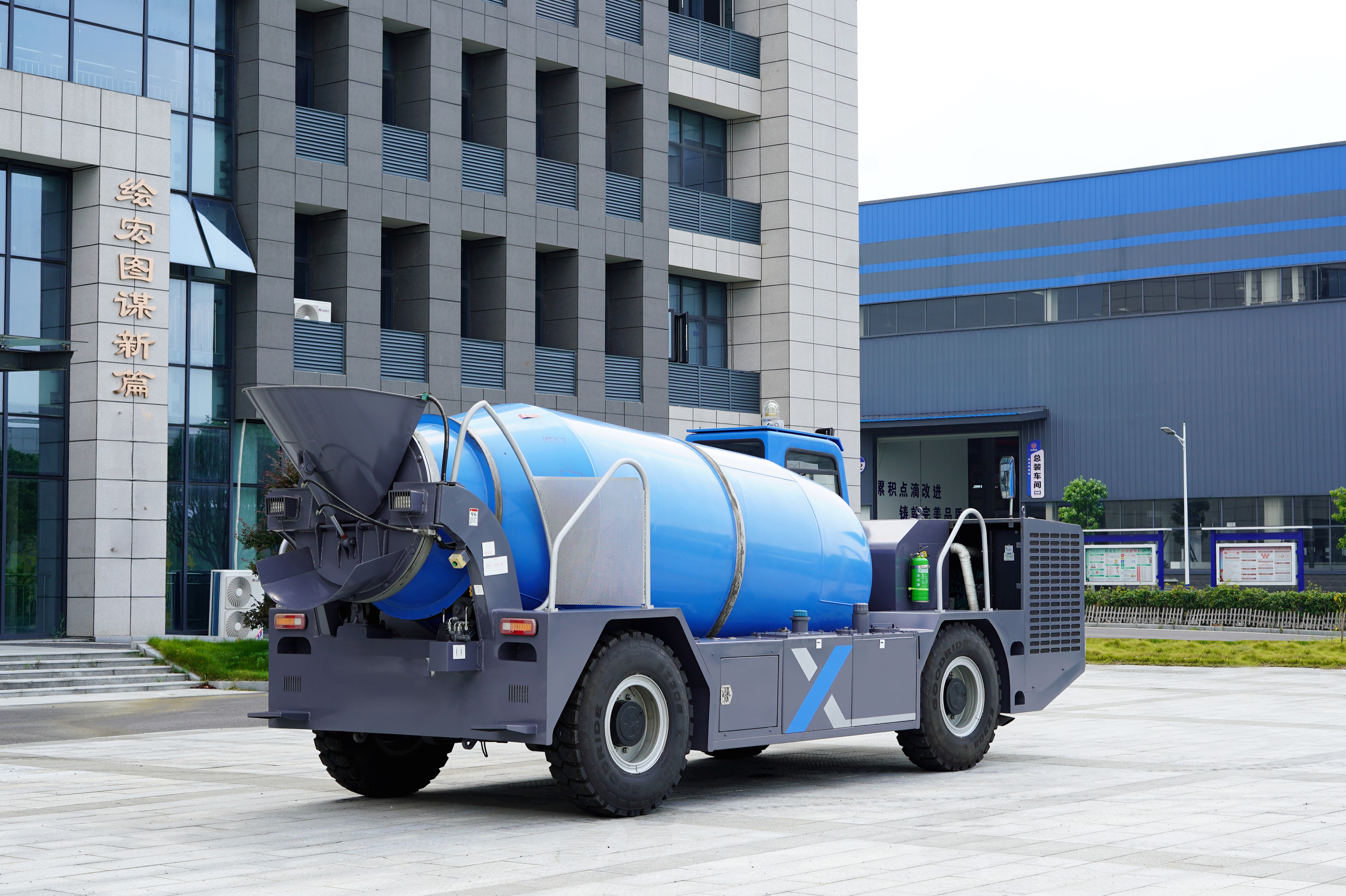
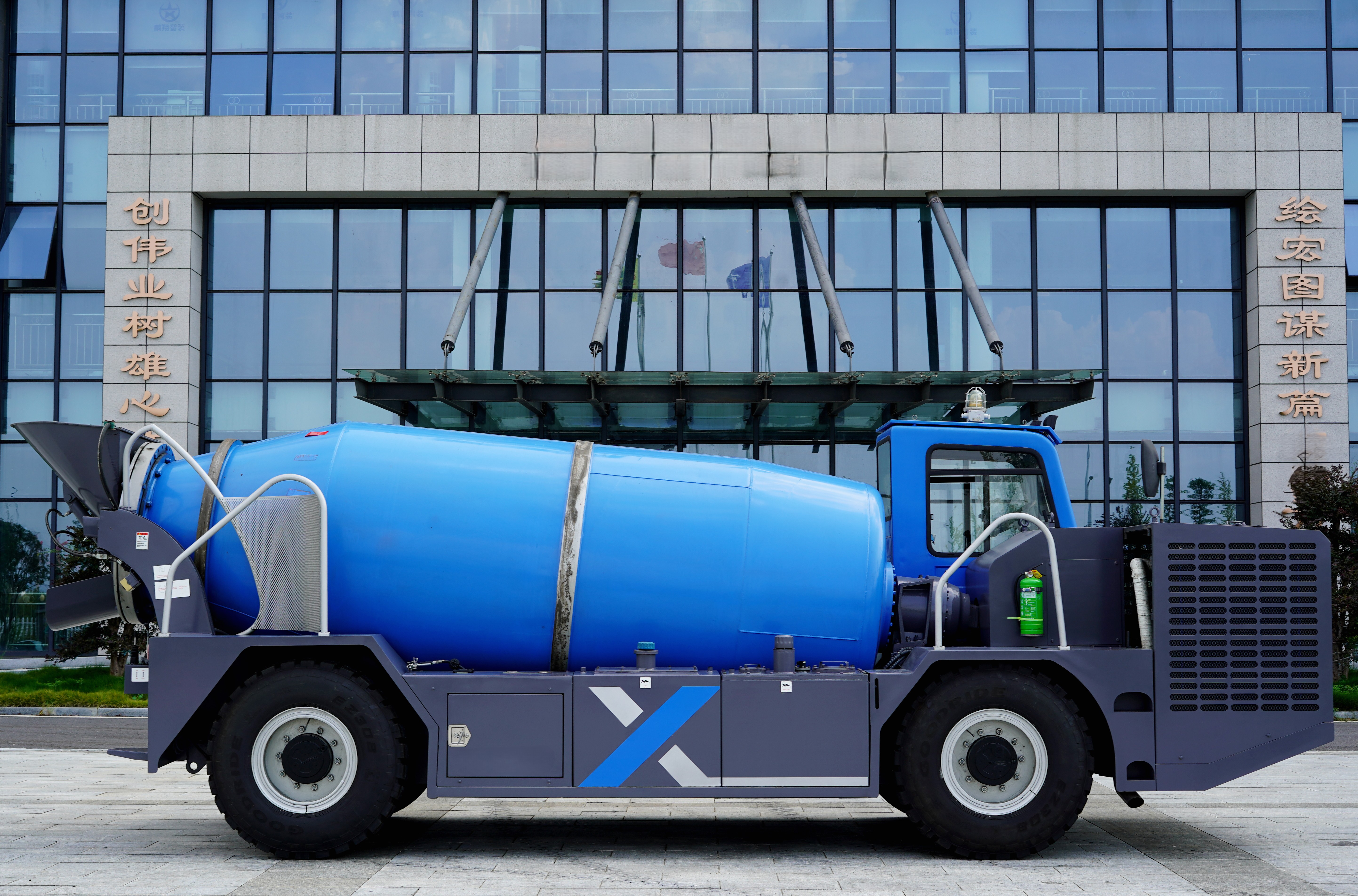
Contemporary concrete mixer vehicles integrate sophisticated electronic control systems and comprehensive safety features that transform traditional delivery operations into precisely managed processes aligned with modern construction standards and regulatory requirements. The central control unit monitors multiple operational parameters simultaneously, including drum rotation speed, hydraulic pressure levels, engine performance metrics, and concrete temperature, displaying real-time information through digital interfaces accessible to operators. GPS tracking capabilities enable fleet managers to monitor vehicle locations, optimize delivery routes, and provide customers with accurate arrival time estimates, improving scheduling coordination and reducing idle time at both batching plants and construction sites. Automated batch tracking systems record loading times, quantities, transit durations, and discharge timestamps, creating detailed delivery documentation that supports quality assurance protocols and customer billing accuracy. These digital records eliminate disputes regarding delivery specifications and provide valuable data for analyzing operational efficiency and identifying improvement opportunities. Communication systems integrated into concrete mixer vehicles facilitate constant contact between drivers, dispatch centers, and site supervisors, enabling rapid response to schedule changes, traffic delays, or unexpected site conditions that might affect delivery timing. Safety features represent critical design priorities, with emergency stop systems allowing immediate drum rotation cessation if hazardous conditions develop during operations, protecting both personnel and equipment from potential damage. Rear-mounted cameras and proximity sensors assist drivers during backing maneuvers at congested construction sites, reducing accident risks and property damage while improving operational confidence in challenging environments. The cab design positions operators with clear visibility of the drum, discharge chute, and surrounding work areas, supporting safe maneuvering and precise concrete placement. Interlock systems prevent simultaneous operation of conflicting functions, such as attempting to drive while the discharge chute remains extended, eliminating operator errors that could result in equipment damage or safety incidents. Roll-over protection structures and reinforced cab designs safeguard operators during transport on uneven terrain or in the unlikely event of vehicle instability. Automatic lubrication systems deliver measured quantities of grease to critical pivot points and bearings according to programmed schedules, ensuring consistent maintenance of moving components without relying on manual intervention that might be overlooked during busy operational periods. Warning lights and audible alarms alert nearby workers when the concrete mixer vehicle is operating, reducing risks associated with rotating drums and moving discharge equipment. Load sensors prevent overloading beyond rated capacity, protecting mechanical components from excessive stress while ensuring vehicle compliance with road transport regulations. Fire suppression systems in engine compartments provide automatic response capabilities if overheating or fuel leaks create ignition risks, minimizing potential damage and supporting operator safety during extended operations.

 EN
EN