Operational Efficiency That Transforms Project Economics
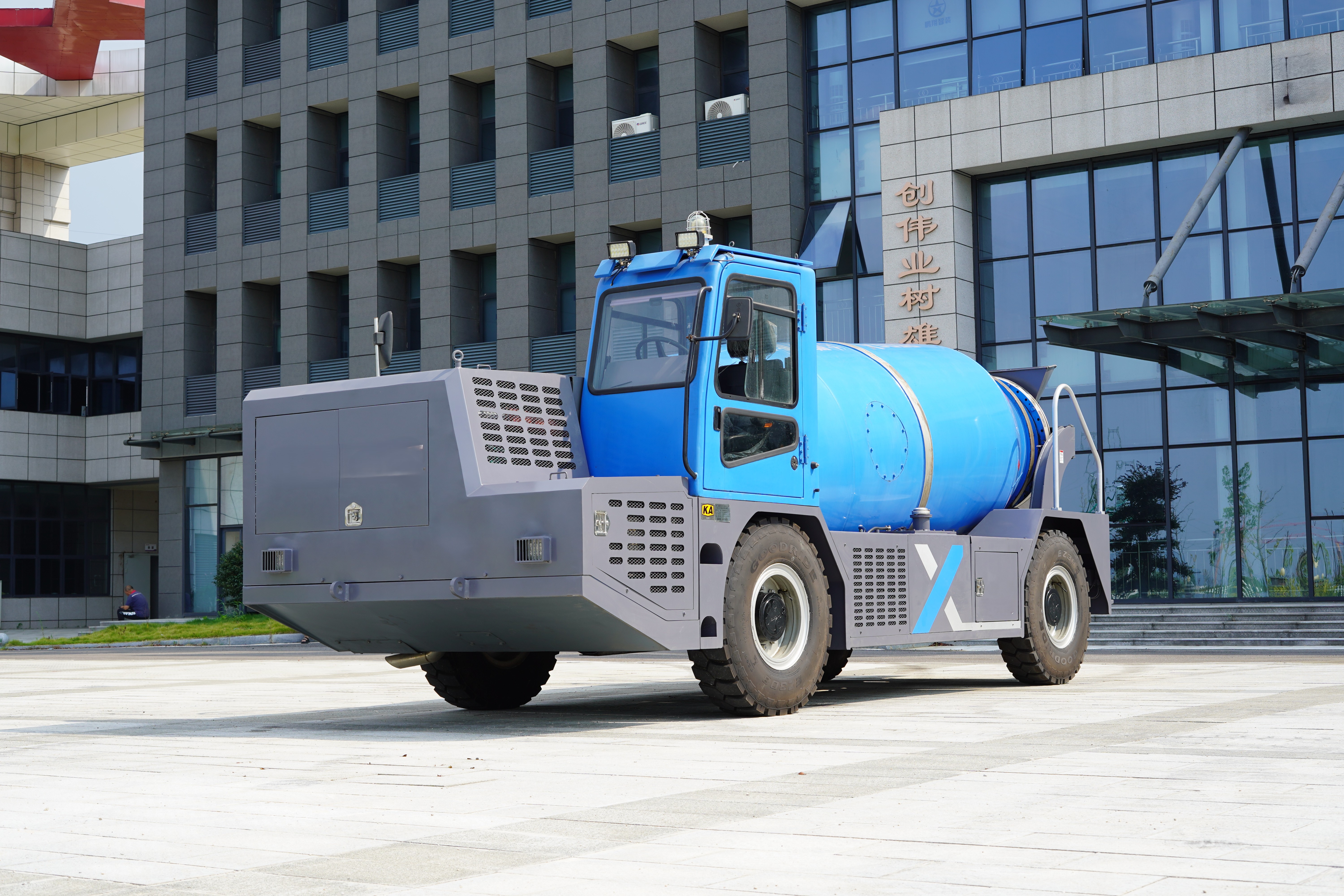
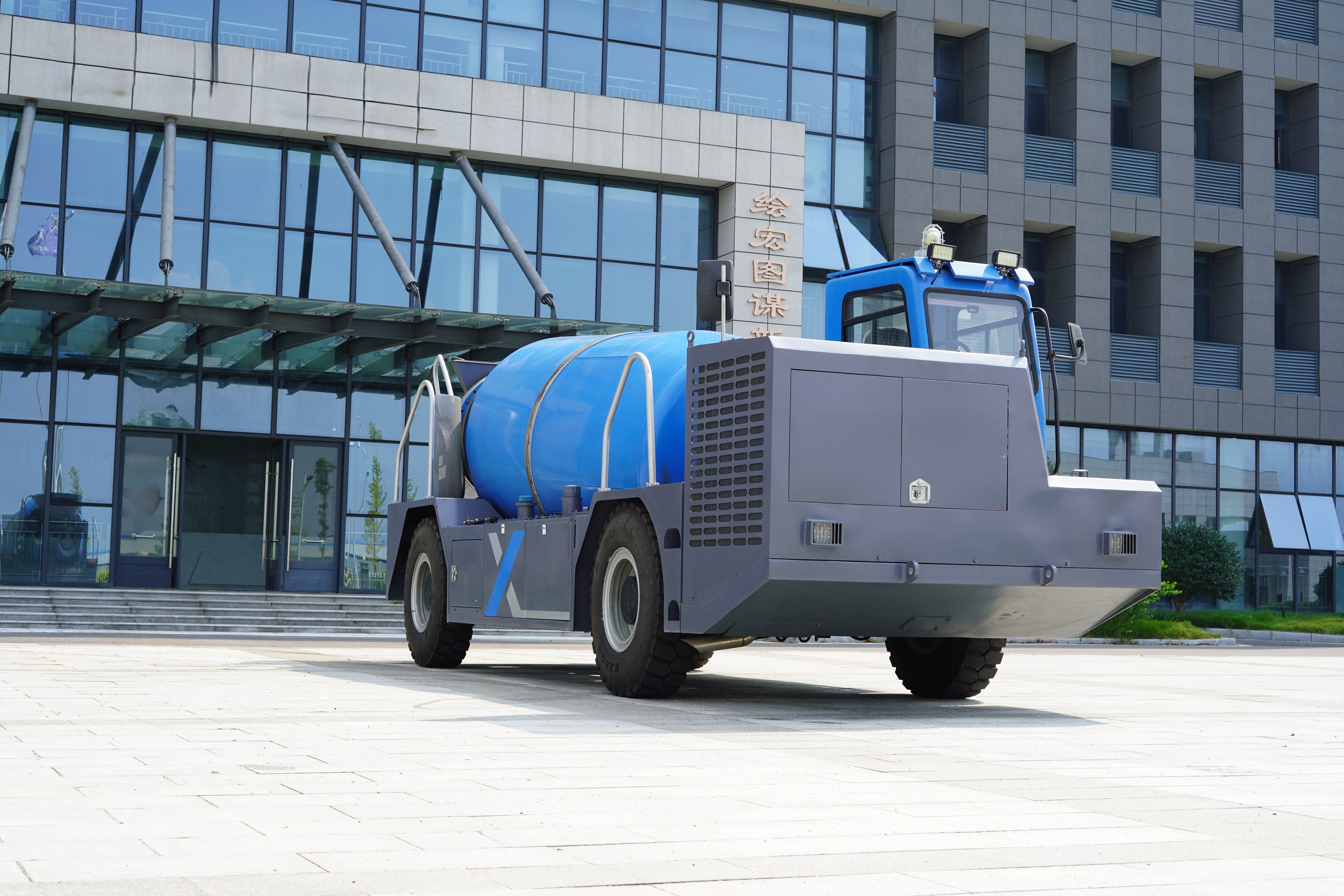
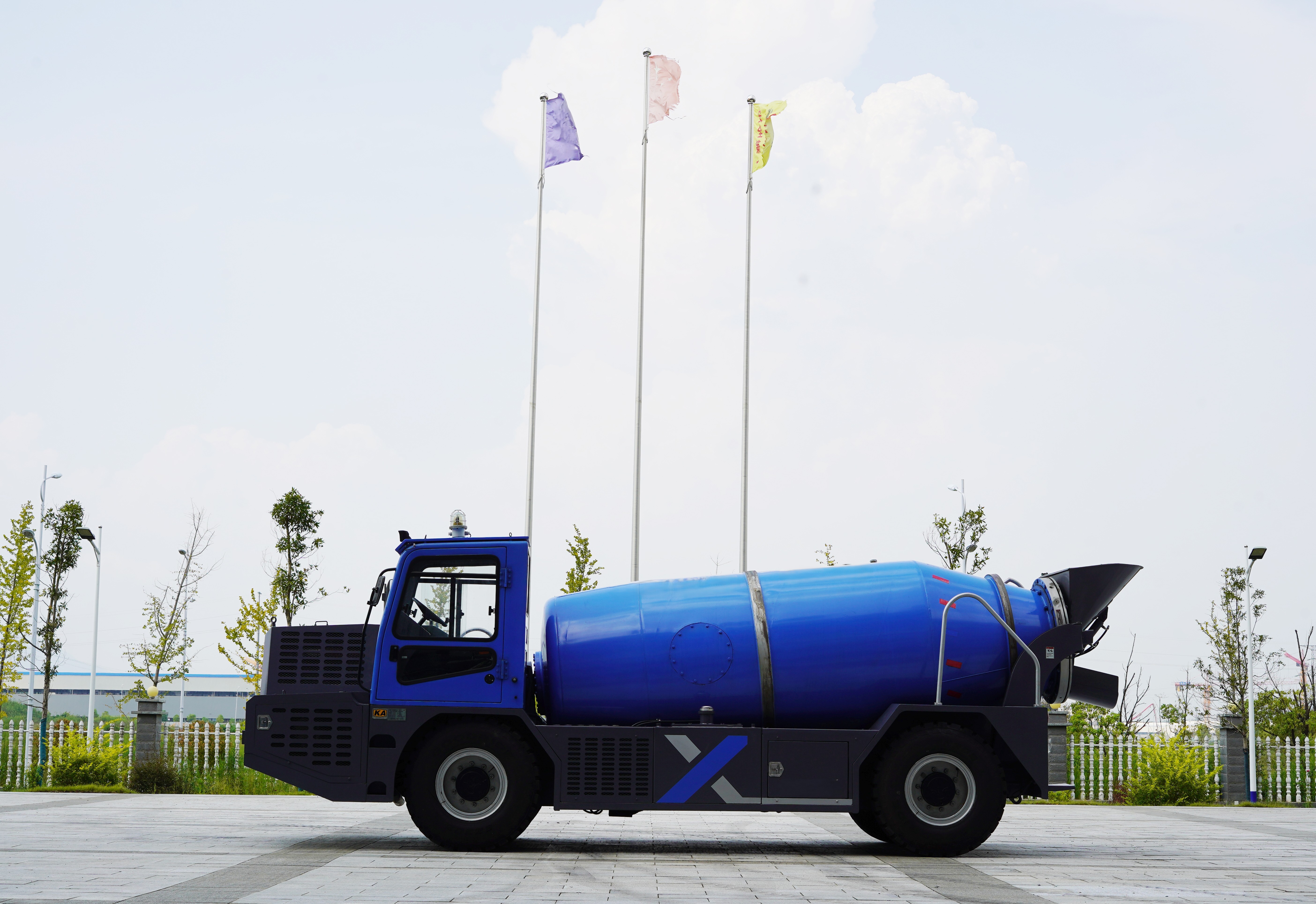
The operational efficiency delivered by mix concrete trucks fundamentally transforms project economics by streamlining workflows, reducing labor requirements, and accelerating construction schedules in ways that create measurable financial advantages for contractors and property owners alike. Consider the traditional alternative of on-site concrete mixing, which demands dedicated equipment investments, trained operators, storage facilities for raw materials, and significant setup time before actual pouring can commence. Mix concrete trucks eliminate these requirements entirely, arriving at your location with precisely batched concrete ready for immediate placement, allowing your crew to focus exclusively on forming, pouring, and finishing activities that directly advance project completion. This specialization of labor creates efficiency gains throughout your operation because workers apply their skills to their primary expertise rather than dividing attention between mixing and placement tasks. The just-in-time delivery model enabled by mix concrete trucks minimizes expensive idle time where crews wait for concrete availability, maintaining productive momentum that keeps projects on schedule and controls labor costs effectively. Scheduling flexibility improves dramatically because you can coordinate deliveries to match your actual placement capacity, ordering trucks in sequence that maintains continuous pouring without overwhelming your finishing crew or allowing previously placed concrete to set before subsequent loads arrive. This orchestration proves particularly valuable on large pours requiring multiple truckloads, where timing coordination becomes critical for preventing cold joints and ensuring monolithic structural integrity. The transportation capacity of mix concrete trucks, typically ranging from six to twelve cubic meters per load, optimizes the balance between delivery frequency and quantity, reducing the total number of trips required compared to smaller transport methods while remaining maneuverable enough to access most construction sites. Fuel efficiency benefits emerge from this optimized capacity, as fewer trips mean reduced transportation costs and lower carbon emissions per cubic meter of concrete delivered. Site logistics simplify considerably when using mix concrete trucks because you eliminate the footprint required for stationary mixers, aggregate stockpiles, cement storage, and the associated equipment for material handling and batching. This space conservation proves especially valuable in urban environments where site boundaries are constrained and every square meter carries opportunity cost. The reduced equipment inventory translates directly to lower capital investment requirements, decreased maintenance expenses, and simplified insurance coverage, freeing financial resources for other business needs. Risk mitigation represents another economic advantage, as professional ready-mix suppliers assume responsibility for concrete quality, mix design accuracy, and delivery reliability, reducing your exposure to material failures and the associated costs of remediation, delays, and potential liability claims that could arise from improperly mixed concrete.

 EN
EN