Low Height Underground Concrete Mixer Truck - Specialized Equipment for Confined Space Construction Projects

All Categories

low height underground concrete mixer truck

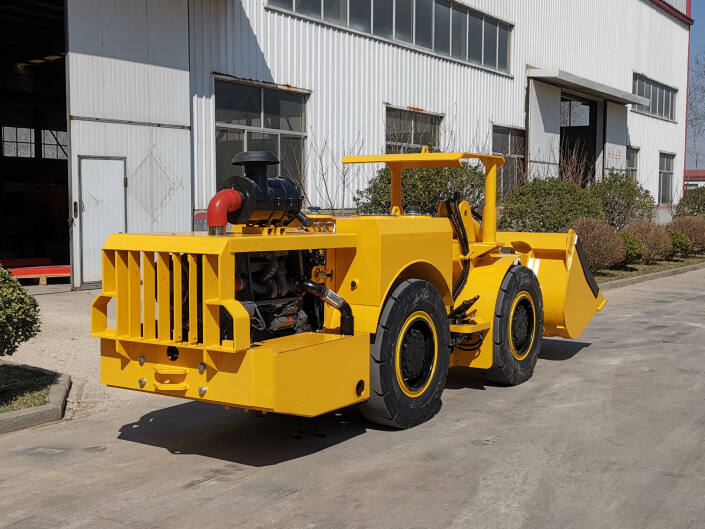
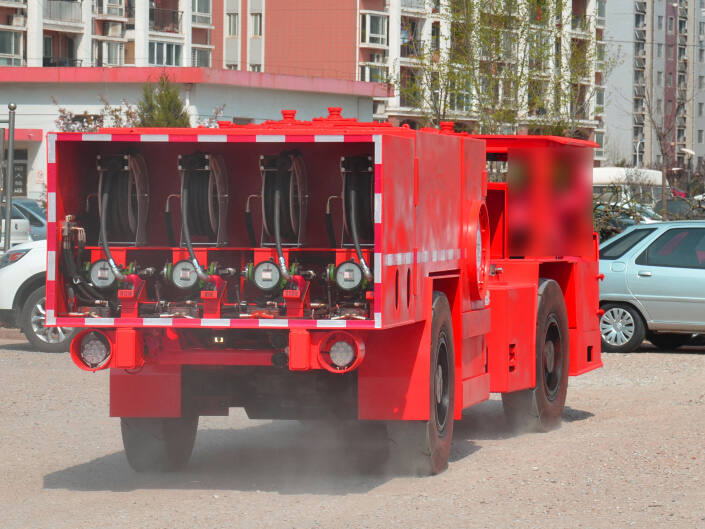
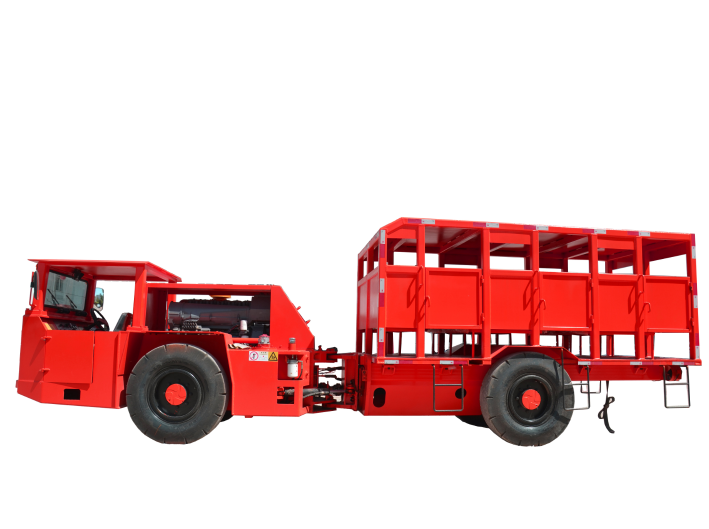
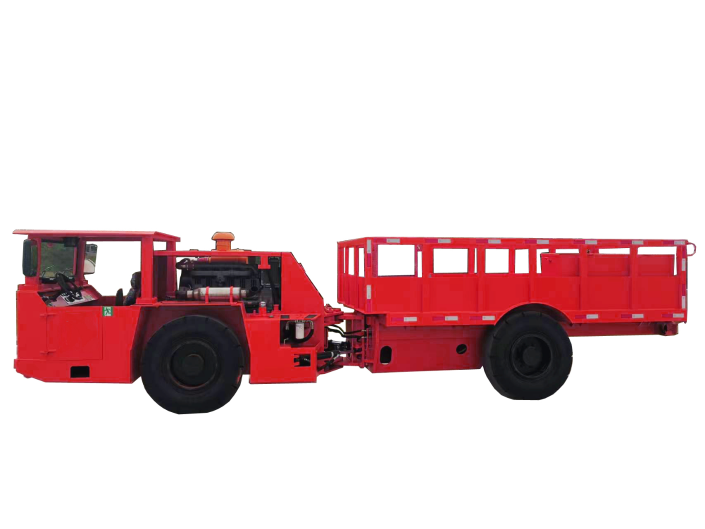
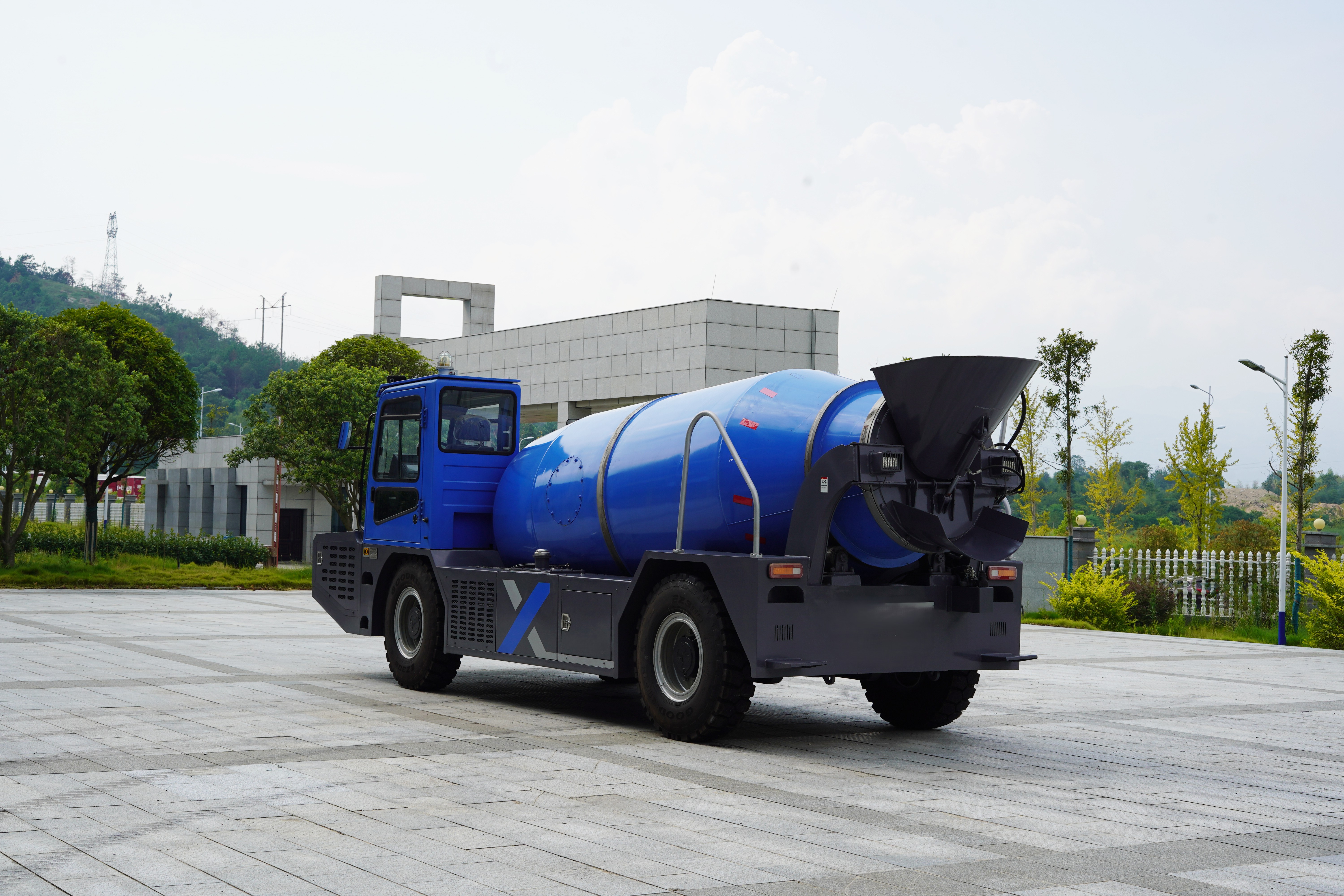
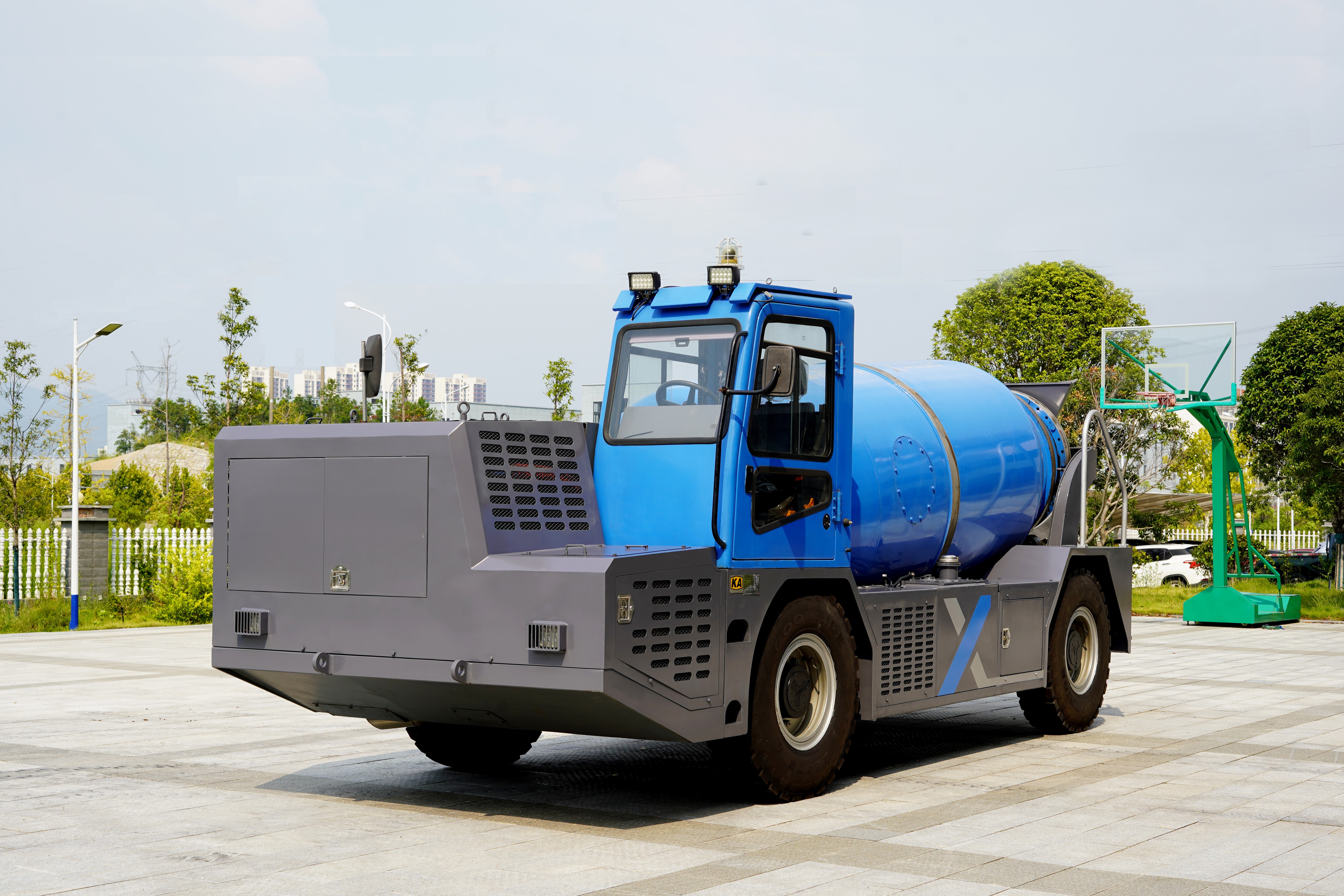
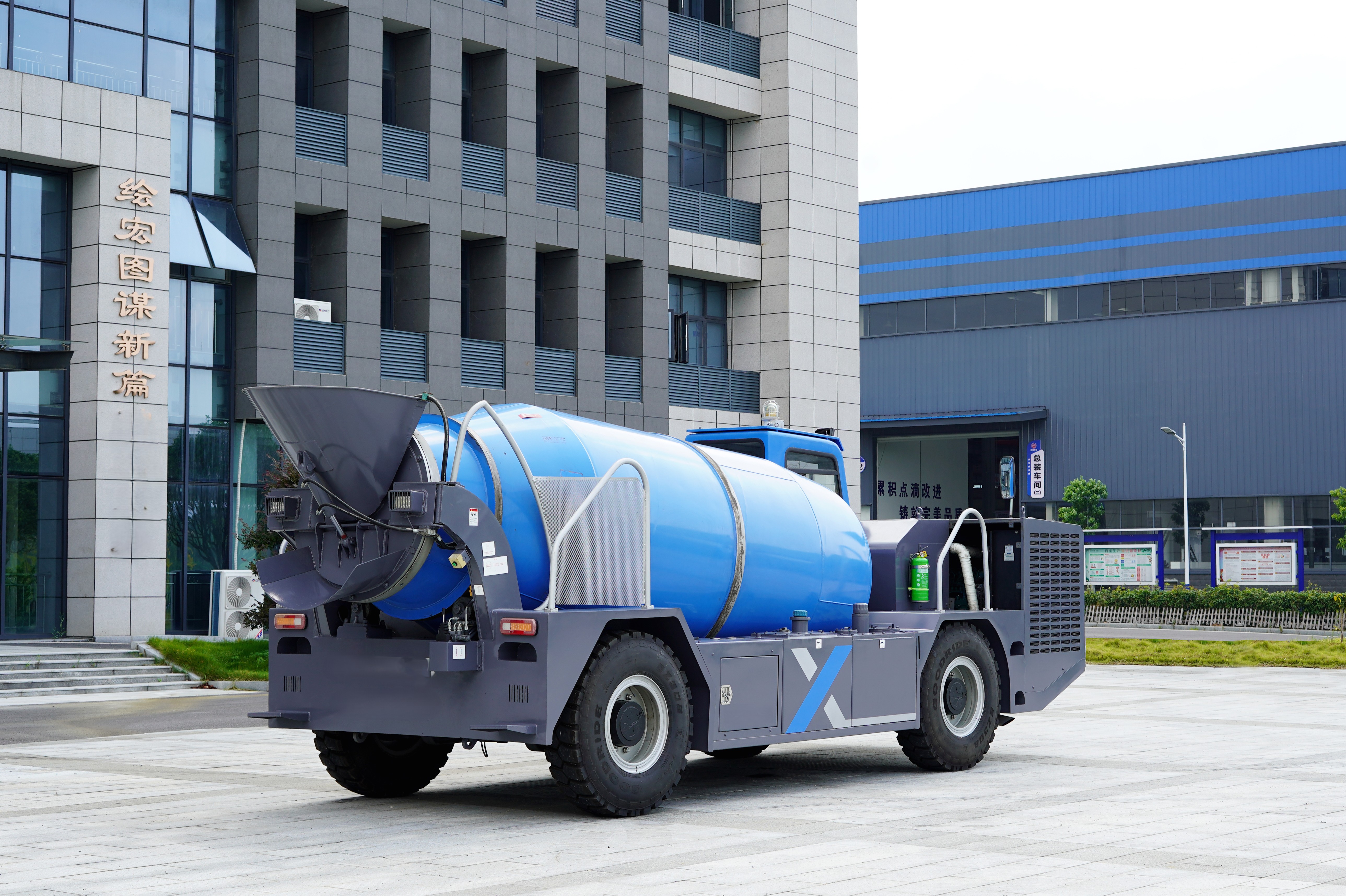
The low height underground concrete mixer truck represents a specialized solution engineered specifically for confined space operations where standard construction equipment cannot operate effectively. This innovative vehicle combines the functionality of a traditional concrete mixer with a compact, reduced-height design that allows it to navigate through tunnels, underground mines, basement construction sites, and other restricted-access areas. The low height underground concrete mixer truck typically features a reinforced chassis built to withstand harsh subsurface conditions while maintaining a profile significantly lower than conventional mixer trucks. Most models range from 1.8 to 2.5 meters in total height, enabling them to pass through tunnel openings and underground passages with limited overhead clearance. The mixing drum capacity varies depending on the model, generally holding between 3 to 6 cubic meters of concrete, providing sufficient volume for continuous underground construction projects without compromising maneuverability. Advanced hydraulic systems power the rotating drum, ensuring consistent concrete mixing during transport and delivery. The low height underground concrete mixer truck incorporates robust four-wheel or all-wheel drive systems, delivering exceptional traction on uneven, wet, or sloped underground surfaces. Operators benefit from ergonomically designed cabins with enhanced visibility, specialized lighting systems for low-light environments, and intuitive control interfaces. Safety features include reinforced roll cages, emergency ventilation systems, and fire suppression equipment tailored for underground operations. The discharge system allows for precise concrete placement, with adjustable chutes and remote-control capabilities that enable operators to deliver material accurately even in tight spaces. Modern low height underground concrete mixer trucks often integrate emission control technologies to minimize exhaust fumes in enclosed environments, protecting worker health and complying with underground ventilation standards. These vehicles serve critical roles in subway construction, mining operations, underground parking facility development, hydroelectric projects, and tunnel infrastructure builds where traditional equipment simply cannot access the workspace efficiently.

New Product Recommendations

Choosing a low height underground concrete mixer truck delivers transformative benefits that directly impact project timelines, worker safety, and overall construction efficiency. First and foremost, these specialized vehicles eliminate the logistical nightmare of transporting concrete into underground work zones through manual methods. Without this equipment, construction teams would need to rely on wheelbarrows, conveyor systems, or smaller batch mixers, all of which dramatically slow progress and increase labor costs. The low height underground concrete mixer truck drives directly to the point of application, reducing concrete delivery time by up to 70 percent compared to manual transportation methods. This time savings translates into faster project completion, allowing contractors to meet tight deadlines and reduce extended labor expenses. The consistent mixing action during transport ensures concrete maintains optimal consistency and workability, preventing premature setting and reducing material waste. Projects experience fewer concrete rejections due to quality issues, saving both material costs and the time required for removal and replacement. Safety improvements represent another compelling advantage, as these trucks minimize the physical strain on workers who would otherwise manually transport heavy concrete loads through confined spaces. Reducing manual handling decreases workplace injuries, lowers workers compensation claims, and improves overall site morale. The specialized design addresses the unique challenges of underground environments, with powerful traction systems preventing accidents on sloped or wet surfaces common in tunnel construction. Enhanced lighting systems improve visibility in dark underground spaces, reducing collision risks and enabling operations during extended work shifts. The compact footprint allows these vehicles to navigate narrow passages and tight corners that would be impossible for standard equipment, maximizing workspace utilization in constrained environments. This maneuverability means construction teams can maintain continuous concrete operations without bottlenecks caused by equipment access limitations. Environmental control features, particularly low-emission engines and exhaust filtration systems, protect underground air quality, creating healthier working conditions and ensuring compliance with increasingly strict underground construction regulations. The precision discharge systems minimize concrete spillage, keeping work areas cleaner and reducing cleanup time between pours. Maintenance accessibility has been carefully considered, with service points designed for easy access even in confined maintenance bays typical of underground facilities. Durability engineering ensures these vehicles withstand the corrosive, humid conditions prevalent in subsurface environments, delivering longer operational lifespans and better return on investment. The ability to mix and deliver concrete in a single operation eliminates the coordination challenges and potential delays associated with separate mixing and transport equipment, streamlining workflows and reducing equipment overhead costs.

Tips And Tricks

Why Is Automation Becoming Key in Underground Mining Dump Truck Design?

17

Nov

Why Is Automation Becoming Key in Underground Mining Dump Truck Design?

The mining industry is experiencing a revolutionary transformation as automation technologies reshape how operations are conducted beneath the earth's surface. Modern underground mining dump truck systems are at the forefront of this technological ev...
View More
How Can an Underground LHD Loader Improve Efficiency in Mining Operations?

11

Dec

How Can an Underground LHD Loader Improve Efficiency in Mining Operations?

Enhancing Mining Productivity with Underground LHD Loaders Underground mining operations demand high efficiency, safety, and reliability. The introduction of underground LHD (Load, Haul, Dump) loaders has revolutionized mining processes, providing a ...
View More
What Factors Affect the Performance of an Underground Mining Scoop?

07

Jan

What Factors Affect the Performance of an Underground Mining Scoop?

The performance of an underground mining scoop depends on numerous interconnected factors that directly impact productivity, safety, and operational efficiency in mining operations. Understanding these variables is crucial for mining engineers and op...
View More
The Science of Climbing: How Drivetrain Design Determines Underground Truck Performance on Steep Ramps

18

Mar

The Science of Climbing: How Drivetrain Design Determines Underground Truck Performance on Steep Ramps

When underground operations push deeper into the earth, the challenges of moving materials up steep gradients become exponentially complex. The ability of an underground truck to conquer challenging ramps isn't just about raw power—it's fundamentally...
View More

Get a Free Quote

Our representative will contact you soon.
Email
Name
Company Name
Message
0/1000

low height underground concrete mixer truck

Specialized Compact Design for Maximum Underground Access

Specialized Compact Design for Maximum Underground Access

The most distinctive feature of the low height underground concrete mixer truck lies in its purposefully engineered compact architecture that fundamentally redefines what construction equipment can accomplish in space-restricted environments. Traditional concrete mixer trucks stand between 3.5 to 4 meters tall, rendering them completely useless for underground applications where tunnel heights, mine shafts, and basement access points rarely exceed 2.5 meters in clearance. The low height underground concrete mixer truck solves this critical limitation through innovative engineering that reduces overall vehicle height without sacrificing structural integrity or operational capability. Manufacturers achieve this remarkable dimensional reduction through several integrated design strategies. The chassis sits closer to the ground, utilizing specialized suspension systems that maintain stability while lowering the vehicle profile. The mixing drum itself employs a horizontally optimized configuration rather than the elevated positioning found on standard trucks, allowing the rotating mechanism to fit within the constrained vertical envelope. The operator cabin features a low-profile design with reinforced construction that protects personnel while contributing to the reduced height specification. Every component, from the engine placement to the hydraulic system routing, reflects careful consideration of vertical space optimization. This design philosophy extends beyond simple dimensional reduction to encompass practical operational realities. The turning radius receives equal attention, with compact wheelbases and advanced steering systems enabling navigation through serpentine tunnel layouts and around tight corner configurations common in underground construction zones. Width specifications typically range between 1.8 to 2.2 meters, allowing passage through standard mining equipment corridors and construction access tunnels. The low center of gravity resulting from the compact design delivers unexpected benefits in vehicle stability, particularly important when traversing sloped ramps connecting different underground levels or navigating uneven substrate surfaces. This stability advantage reduces rollover risks and enables safer operation at inclines that would challenge conventional equipment. Ground clearance receives meticulous calibration, providing sufficient height to traverse rough underground terrain and obstacles like rails, cables, and temporary piping while maintaining the overall low profile requirement. The compact dimensions also facilitate transportation to job sites, as these vehicles can often travel through the same access tunnels that materials and workers use, eliminating the need for complex equipment lowering operations or dedicated large-bore access shafts that add substantial costs to underground projects.
Advanced Mixing Technology for Consistent Concrete Quality

Advanced Mixing Technology for Consistent Concrete Quality

The low height underground concrete mixer truck incorporates sophisticated mixing technology that ensures superior concrete quality despite the challenging conditions inherent to underground construction environments. At the core of this capability lies a precision-engineered drum design featuring strategically positioned internal blades that create optimal material flow patterns during rotation. These blades continuously fold and tumble the concrete mixture, maintaining homogeneity throughout the transport and delivery process. The drum rotation speed can be adjusted based on concrete specifications, with variable speed hydraulic motors providing precise control over mixing intensity. This adjustability proves crucial when working with different concrete formulations, from standard structural mixes to specialized compositions containing additives for rapid setting, enhanced waterproofing, or specific strength characteristics required for underground applications. The hydraulic drive system delivers consistent rotational power regardless of vehicle speed or terrain conditions, ensuring the concrete receives proper mixing action whether the truck is stationary, slowly advancing through a tunnel, or traversing sloped access ramps. Temperature management represents another critical aspect of the mixing technology, as underground environments often present thermal challenges. Some locations experience elevated temperatures from geothermal heat, while others remain quite cold. The low height underground concrete mixer truck addresses these variables through insulated drum construction that moderates temperature fluctuations, preventing premature concrete setting in hot conditions or delayed curing in cold environments. Water addition systems allow operators to adjust concrete consistency on-site, compensating for moisture loss during extended transport through lengthy tunnel systems or making final adjustments before discharge to achieve optimal workability for specific placement requirements. The drum capacity undergoes careful optimization, balancing the need for sufficient concrete volume to support continuous operations against the physical constraints of the compact vehicle design. Most low height underground concrete mixer trucks carry between 3 to 6 cubic meters, a range determined through extensive field research identifying the typical pour requirements for underground construction phases. This capacity allows completion of substantial concrete placements without excessive truck cycles while maintaining the vehicle dimensions necessary for underground access. The discharge mechanism integrates precision controls enabling operators to regulate concrete flow rates accurately, essential when filling forms in confined spaces where overflow would create significant cleanup challenges. Chute extensions and directional controls provide remarkable placement accuracy, allowing concrete delivery into formwork, behind installed reinforcement, or into difficult-to-reach cavities without requiring manual transfer. Modern systems increasingly incorporate remote control capabilities, enabling operators to manage discharge operations from outside the immediate work zone, enhancing safety when placing concrete in potentially unstable areas or where ventilation conditions require minimizing personnel exposure time.
Enhanced Safety Features for Underground Operations

Enhanced Safety Features for Underground Operations

Safety considerations drive every aspect of low height underground concrete mixer truck design, recognizing that underground construction environments present unique hazards requiring specialized protective measures beyond those necessary for surface operations. The vehicle structure incorporates reinforced roll-over protection systems engineered to withstand tunnel collapse scenarios, providing a protected survival space for operators even if falling rock or structural failure occurs. These protective frameworks undergo rigorous testing simulating various impact scenarios specific to underground accidents, ensuring they meet stringent safety standards. Visibility systems receive extraordinary attention, as underground lighting conditions typically range from dim to completely dark. The low height underground concrete mixer truck features comprehensive LED lighting arrays positioned to illuminate the path ahead, the immediate work area around the vehicle, and potential obstacles in blind spots. These lighting systems draw minimal electrical power while producing exceptional brightness, ensuring operators maintain clear situational awareness throughout operations. Backup cameras and sensor systems detect obstacles that might not be visible even with enhanced lighting, providing audible and visual warnings when the vehicle approaches tunnel walls, equipment, personnel, or other hazards. Emergency communication equipment comes standard, recognizing that underground locations often block conventional radio signals. These systems ensure operators maintain constant contact with surface control centers and can immediately request assistance if accidents or equipment failures occur. Fire suppression systems represent another critical safety feature, as underground environments present significant fire risks with limited evacuation options. Automatic extinguishing systems detect temperature spikes or smoke and deploy fire retardant chemicals before small ignitions escalate into major incidents. The engine compartment, hydraulic systems, and electrical components all receive individual fire protection, addressing the specific ignition risks each system presents. Emission control technologies protect worker health in confined underground spaces where ventilation limitations can cause dangerous exhaust accumulation. Low-emission diesel engines meeting the strictest environmental standards come standard, while some models offer electric or hybrid powertrains that eliminate combustion emissions entirely. Exhaust treatment systems incorporating particulate filters and catalytic converters further reduce harmful emissions, ensuring underground air quality remains within safe parameters. Braking systems feature redundant designs with both service and emergency brake circuits, ensuring operators can stop the vehicle safely even if primary systems fail. The compact size and weight distribution of the low height underground concrete mixer truck actually enhance braking effectiveness, as shorter stopping distances prove easier to achieve compared to larger surface equipment. Anti-lock braking technology prevents wheel lockup on wet or muddy underground surfaces, maintaining steering control during emergency stops. Ergonomic operator stations reduce fatigue during extended underground shifts, featuring adjustable seating, climate control systems, and intuitive control layouts that minimize operator stress and the resulting attention lapses that contribute to accidents. Vibration dampening systems protect operators from the constant shaking inherent to rough underground terrain travel, preventing the cumulative musculoskeletal injuries that affect equipment operators over long careers.


Get a Free Quote

Our representative will contact you soon.
Email
Name
Company Name
Message
0/1000