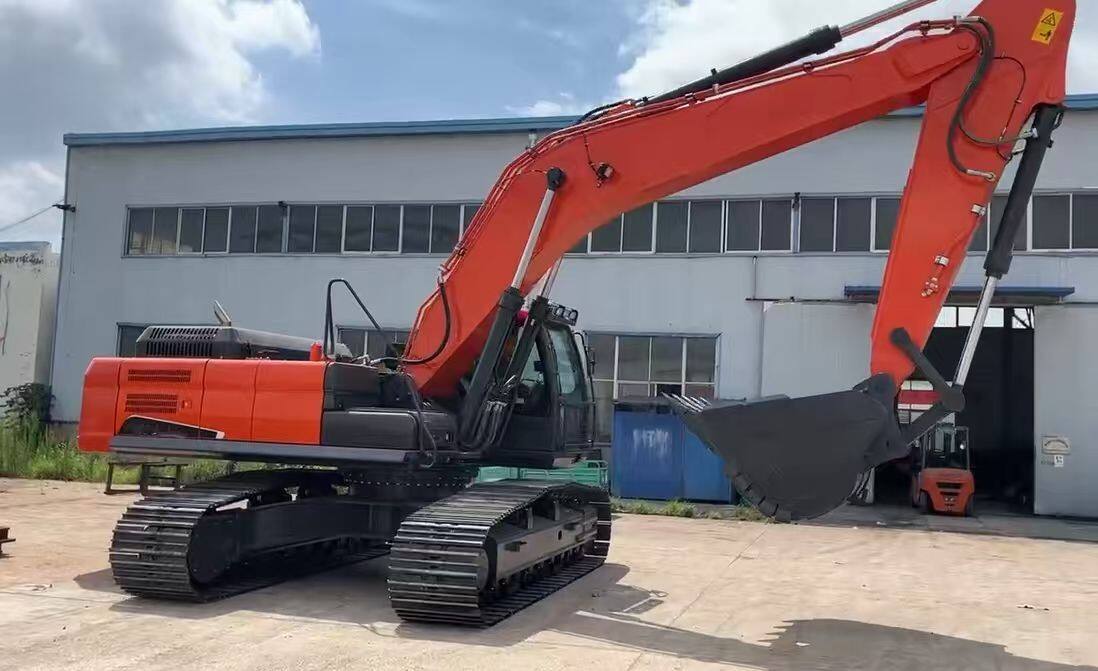
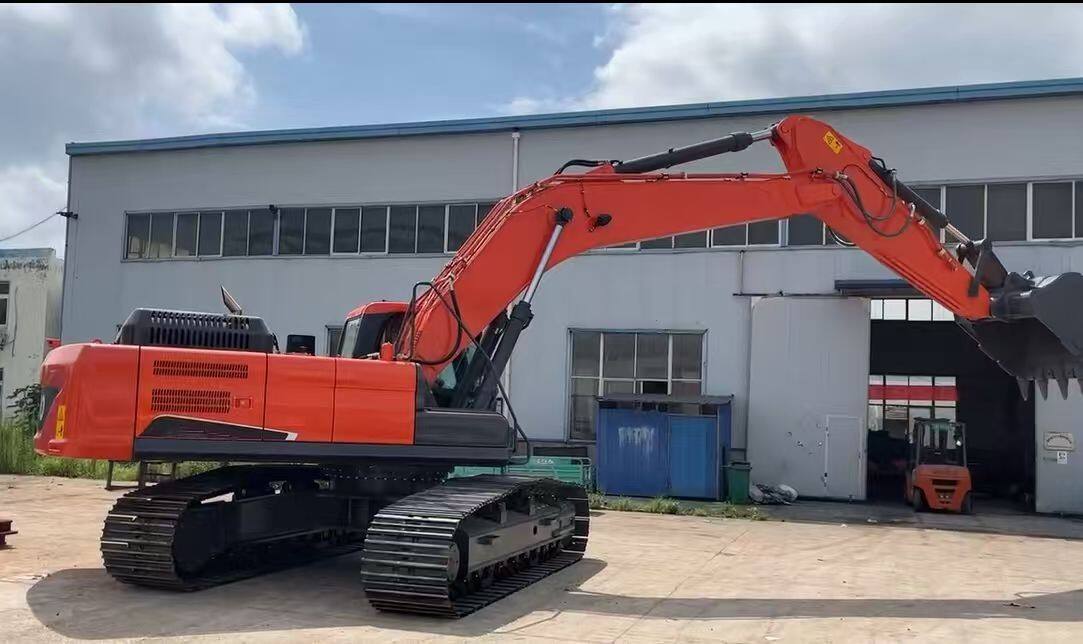
Large Hydraulic Excavator - Powerful Heavy Equipment for Mining and Construction Projects

All Categories

large hydraulic excavator

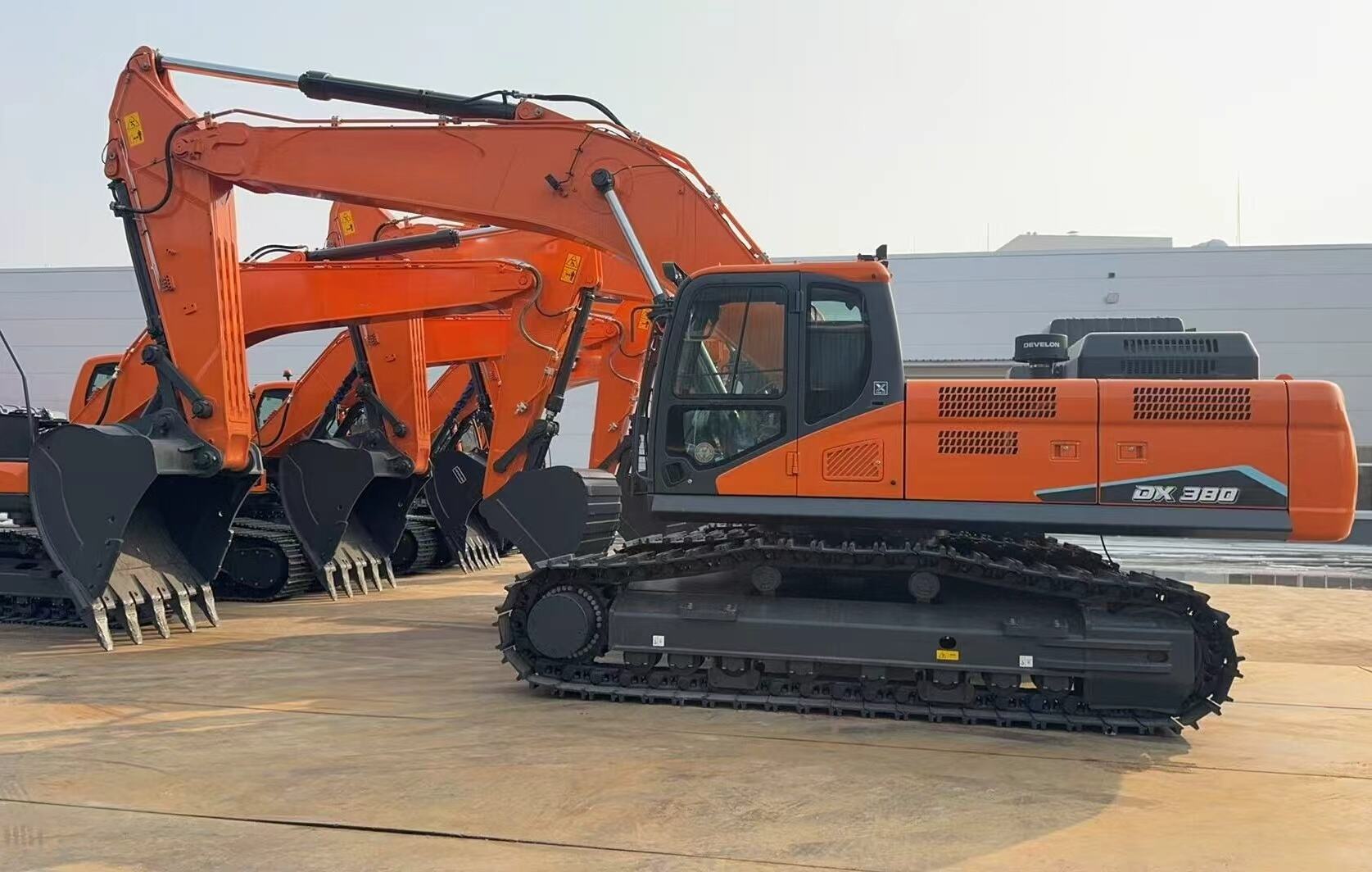
A large hydraulic excavator represents one of the most powerful and versatile pieces of heavy machinery used in modern construction, mining, and industrial projects. These massive machines utilize advanced hydraulic systems to deliver exceptional digging force, lifting capacity, and operational precision across diverse work environments. Typically weighing between 45 and 200 tons, a large hydraulic excavator features a robust undercarriage, a rotating cab platform, and an articulated boom-and-arm assembly equipped with interchangeable attachments. The primary function of a large hydraulic excavator centers on earthmoving operations, including excavation, material handling, demolition, trenching, and loading trucks with soil, rock, or debris. The hydraulic system converts engine power into fluid pressure, enabling operators to control multiple functions simultaneously with remarkable accuracy. Technological features distinguish modern large hydraulic excavators from earlier generations, incorporating computerized monitoring systems, GPS integration, fuel management technologies, and automated control functions that optimize performance while reducing operator fatigue. Advanced telematics systems provide real-time machine diagnostics, maintenance alerts, and productivity tracking, allowing fleet managers to maximize equipment utilization and minimize downtime. The application range for large hydraulic excavators extends across multiple industries, including open-pit mining operations where they remove overburden and extract minerals, large-scale construction projects requiring deep foundation work, infrastructure development such as highway and railway construction, quarrying operations, harbor and port facilities, demolition of substantial structures, and environmental remediation projects. The versatility of these machines stems from their ability to accommodate various attachments beyond standard buckets, including hydraulic hammers for rock breaking, grapples for material sorting, crushers for on-site processing, and specialized tools for specific tasks. The operator cab provides a climate-controlled environment with ergonomic controls, excellent visibility through reinforced glass, and modern safety features including rollover protection structures and falling object guards, ensuring comfortable and secure operation during extended work shifts.


Popular Products

The large hydraulic excavator delivers substantial practical benefits that directly impact project timelines, operational costs, and overall productivity for businesses investing in heavy equipment. First and foremost, these machines provide unmatched digging power, capable of moving massive quantities of material in a single cycle, which translates to faster project completion and reduced labor costs. A single large hydraulic excavator can replace multiple smaller machines, streamlining site operations and reducing the coordination complexity that comes with managing numerous pieces of equipment. The fuel efficiency of modern large hydraulic excavators has improved dramatically through engine technologies that automatically adjust power output based on load requirements, meaning operators consume less diesel while maintaining strong performance throughout the workday. This efficiency directly reduces operating expenses and lowers the environmental footprint of construction and mining activities. The precision control systems enable operators to work with remarkable accuracy, minimizing material waste and reducing the need for rework, which saves both time and money on every project. Maintenance accessibility represents another significant advantage, as manufacturers design these machines with service points positioned for easy reach, reducing the time technicians spend on routine maintenance and allowing equipment to return to productive work more quickly. The durability and longevity of large hydraulic excavators justify their initial investment, as quality machines regularly operate for 20,000 hours or more with proper maintenance, spreading the acquisition cost across many years of productive service. Operator comfort features reduce fatigue and improve productivity, as comfortable operators maintain focus and efficiency throughout long shifts, resulting in better work quality and fewer operational errors. The resale value of well-maintained large hydraulic excavators remains strong in the used equipment market, providing businesses with asset value that can be recovered when upgrading fleets or adjusting equipment inventories. Safety enhancements built into modern large hydraulic excavators protect workers from hazards, reducing insurance costs and liability concerns while creating a more secure work environment that attracts and retains skilled operators. The versatility to handle multiple tasks with attachment changes eliminates the need to transport different specialized machines to job sites, saving mobilization costs and allowing contractors to respond quickly to changing project requirements. Remote monitoring capabilities enable fleet managers to track machine location, performance metrics, and maintenance needs from central offices, optimizing deployment strategies and preventing unexpected breakdowns that could halt project progress and incur costly delays.

Latest News

What Safety Features Are Essential in Modern Underground LHD Loaders?

11

Dec

What Safety Features Are Essential in Modern Underground LHD Loaders?

Underground mining operations present unique challenges that demand specialized equipment designed with safety as the paramount concern. Underground LHD loaders have evolved significantly over the decades, incorporating advanced safety technologies t...
View More
How to Select a Scooptram 1 Cubic Yard for Narrow Vein Mines?

07

Jan

How to Select a Scooptram 1 Cubic Yard for Narrow Vein Mines?

Mining operations in narrow vein environments present unique challenges that require specialized equipment designed for confined spaces and efficient material handling. The selection of appropriate mining machinery becomes critical when working in re...
View More
How Does an Underground Loader Affect Operating Costs?

07

Jan

How Does an Underground Loader Affect Operating Costs?

The impact of equipment selection on mining operations extends far beyond initial purchase price, with underground loader choices significantly influencing long-term operational expenses. Underground mining operations face unique challenges that requ...
View More
Mining’s Next Frontier: How 5G and Remote-Controlled Underground LHDs Are Revolutionizing Underground Operations

18

Mar

Mining’s Next Frontier: How 5G and Remote-Controlled Underground LHDs Are Revolutionizing Underground Operations

The mining industry stands at a transformative crossroads where cutting-edge telecommunications technology meets advanced underground equipment automation. This revolution centers on the deployment of 5G networks paired with remote-controlled undergr...
View More

Get a Free Quote

Our representative will contact you soon.
Email
Name
Company Name
Message
0/1000

large hydraulic excavator

Exceptional Power and Performance for Demanding Applications

Exceptional Power and Performance for Demanding Applications

The large hydraulic excavator stands out in the heavy equipment industry primarily due to its exceptional power delivery and performance capabilities that address the most demanding excavation and material handling challenges. At the heart of this advantage lies the sophisticated hydraulic system that converts mechanical energy into fluid power with remarkable efficiency, generating the tremendous force required to break through compacted soil, fractured rock, and challenging ground conditions that smaller machines simply cannot handle effectively. The hydraulic pumps in these machines deliver high-volume fluid flow at substantial pressure levels, typically ranging from 4,000 to 5,000 PSI, which translates directly into bucket breakout forces exceeding 200,000 pounds and arm crowd forces that can tear through the toughest materials. This raw power enables operators to load haul trucks in fewer cycles, dramatically accelerating production rates on mining sites, quarries, and large earthmoving projects where moving maximum material in minimum time determines profitability. The engine systems powering modern large hydraulic excavators have evolved to meet stringent emissions regulations while maintaining and even improving power output, with turbocharged diesel engines producing 400 to 1,200 horsepower depending on machine size, ensuring adequate power reserves even under the heaviest loads. The integration of power management systems automatically optimizes engine and hydraulic performance based on real-time operating conditions, delivering maximum productivity when full power is needed while reducing fuel consumption during lighter tasks, providing operators with the best balance between performance and economy. The structural strength of large hydraulic excavators supports this power delivery, with heavy-duty steel frames, reinforced boom and arm assemblies, and robust undercarriage components designed to withstand the tremendous stresses generated during high-force digging operations. This combination of power and durability means these machines maintain consistent performance across extended operating periods, avoiding the power degradation and mechanical failures that can plague lesser equipment under sustained heavy use. For businesses, this exceptional performance translates into tangible competitive advantages, including the ability to bid on and complete larger projects, faster project turnaround times that improve cash flow, reduced equipment hours required per cubic meter of material moved, and the flexibility to tackle variable ground conditions without equipment changes or project delays.
Advanced Technology Integration for Operational Excellence

Advanced Technology Integration for Operational Excellence

Modern large hydraulic excavators incorporate cutting-edge technology systems that fundamentally transform how these machines operate, maintain themselves, and integrate into broader project management frameworks. The technological evolution represents a quantum leap from mechanical control systems to fully digitized, computer-managed platforms that optimize every aspect of machine performance and operator interaction. Sophisticated electronic control units continuously monitor hundreds of sensors throughout the machine, tracking hydraulic pressures, fluid temperatures, component wear indicators, fuel consumption rates, and operational parameters, processing this data in real-time to adjust system performance for optimal efficiency and longevity. GPS and machine control systems have revolutionized excavation precision, allowing operators to work to exact grade specifications without constant manual measurements, reducing surveying costs and eliminating costly over-excavation that wastes time backfilling to correct depths. These guidance systems display target grades and current bucket positions on in-cab monitors, providing visual and sometimes automated control assistance that enables even less experienced operators to achieve precise results that previously required years of skill development. Telematics platforms connect large hydraulic excavators to cloud-based management systems, transmitting operational data, location information, maintenance status, and performance metrics to fleet managers and business owners who can monitor entire equipment fleets from desktop or mobile devices. This connectivity enables proactive maintenance scheduling based on actual operating conditions rather than arbitrary time intervals, preventing unexpected breakdowns and extending component life by addressing potential issues before they escalate into expensive failures. Fuel management technologies represent another significant technological advantage, with systems that automatically place engines in economy modes during idle periods, adjust hydraulic flow rates to match task requirements, and provide operators with real-time fuel consumption feedback that encourages efficient operating practices. The operator interface technology has advanced dramatically, replacing banks of mechanical levers with ergonomic joystick controls, touchscreen displays, and customizable settings that allow operators to tailor machine response to personal preferences and specific task requirements. Camera systems and proximity sensors enhance safety by eliminating blind spots around these large machines, displaying multiple viewing angles on cab monitors and providing audible warnings when personnel or obstacles enter dangerous zones, significantly reducing the risk of accidents that could injure workers or damage equipment and property.
Versatility and Adaptability Across Multiple Industries

Versatility and Adaptability Across Multiple Industries

The large hydraulic excavator distinguishes itself through remarkable versatility that extends its value proposition far beyond simple excavation tasks, making it an indispensable asset across numerous industries and applications. This adaptability stems from the standardized quick-coupler systems that allow operators to change attachments in minutes rather than hours, transforming the machine from an excavation specialist to a material handler, demolition tool, or specialized processing unit without requiring separate pieces of equipment for each function. Construction companies utilize large hydraulic excavators for foundation excavation, where the combination of reach depth and digging force enables basement excavation for large buildings, pile cap preparation, and deep utility installations that smaller machines cannot achieve. The same machine transitions seamlessly to loading operations, filling trucks with excavated material, delivering aggregate to processing plants, or handling precast concrete components with specialized lifting attachments. In mining environments, large hydraulic excavators serve as primary production tools, removing overburden layers to expose mineral deposits, loading blast rock into haul trucks, and performing cleanup operations around crushers and processing facilities, with their durability and power output making them ideal for the demanding conditions and continuous operation schedules typical of mining applications. Demolition contractors recognize the value large hydraulic excavators bring to structural dismantling projects, where specialized attachments including hydraulic shears, pulverizers, and multi-processors mounted on these powerful machines can safely and efficiently reduce concrete structures, steel buildings, and mixed-material facilities to recyclable components from a safe distance. Quarry operations depend on large hydraulic excavators for both primary extraction and material handling, using them to load shot rock, sort material by size and quality, and feed primary crushers, with the machines' combination of reach, lifting capacity, and bucket size making them perfectly suited for high-volume production environments. Environmental remediation projects benefit from the precision and power large hydraulic excavators offer, whether removing contaminated soil, reshaping landscapes for habitat restoration, or constructing water management features, with the machines' ability to work in sensitive environments while maintaining productivity making them invaluable for these specialized applications. The forestry industry employs large hydraulic excavators equipped with specialized heads for land clearing, site preparation, and biomass handling, taking advantage of their stability and reach in challenging terrain. Port and harbor facilities use these machines for dredging operations, cargo handling, and maintenance work, with their combination of reach over water and lifting capacity making them efficient alternatives to specialized marine equipment for many applications.

Get a Free Quote

Our representative will contact you soon.
Email
Name
Company Name
Message
0/1000