Operational Versatility Across Multiple Applications and Site Conditions
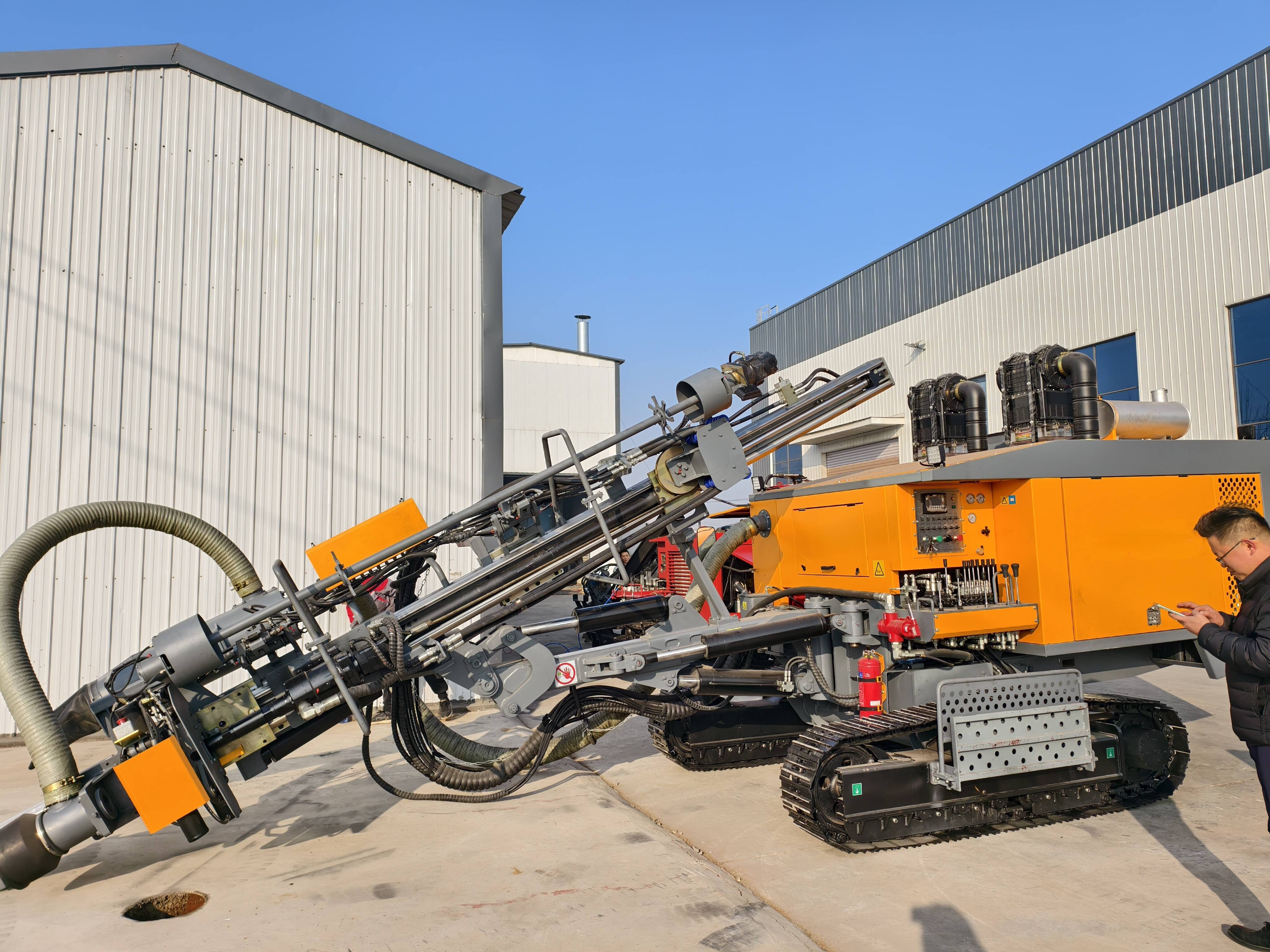
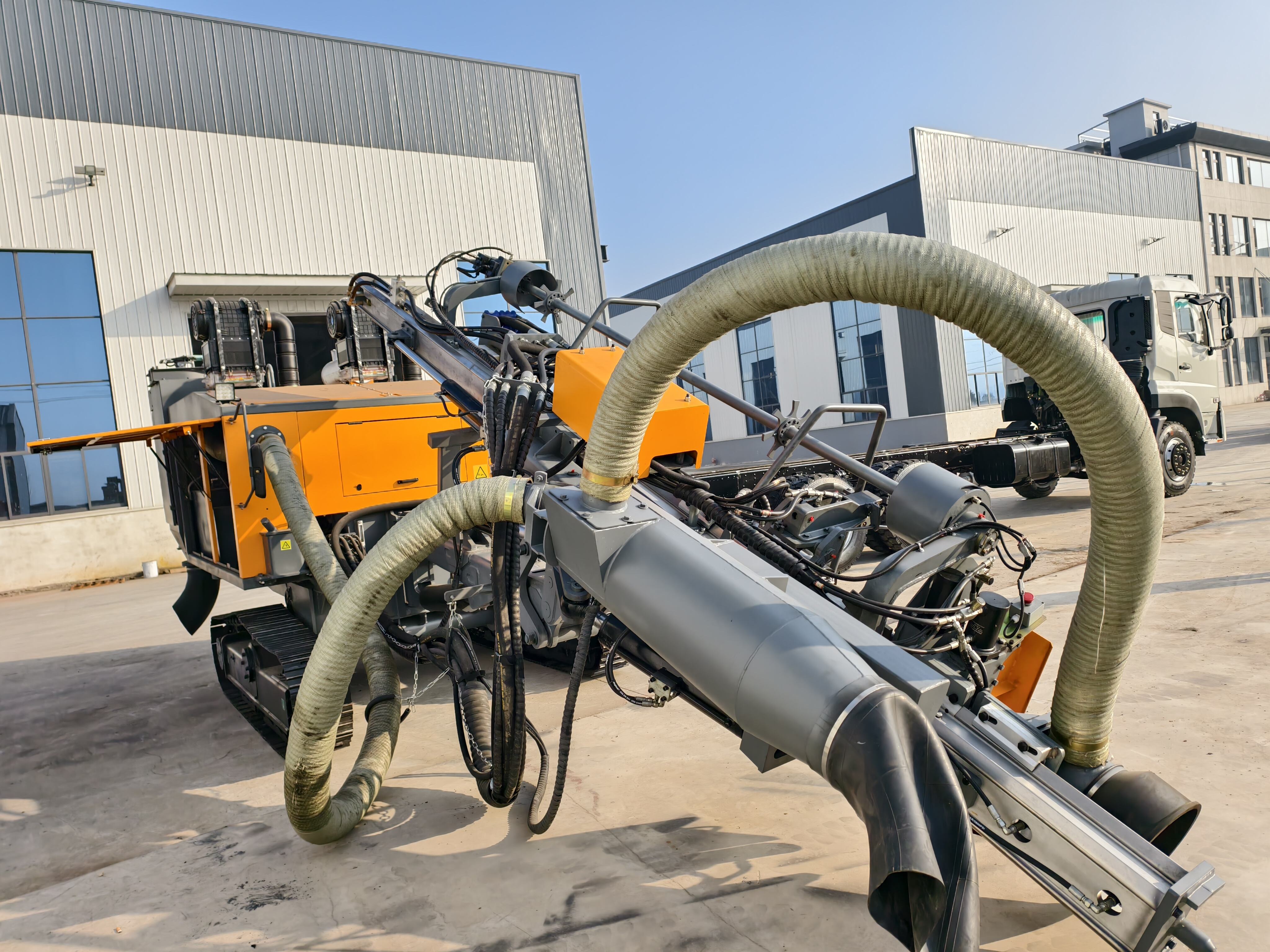
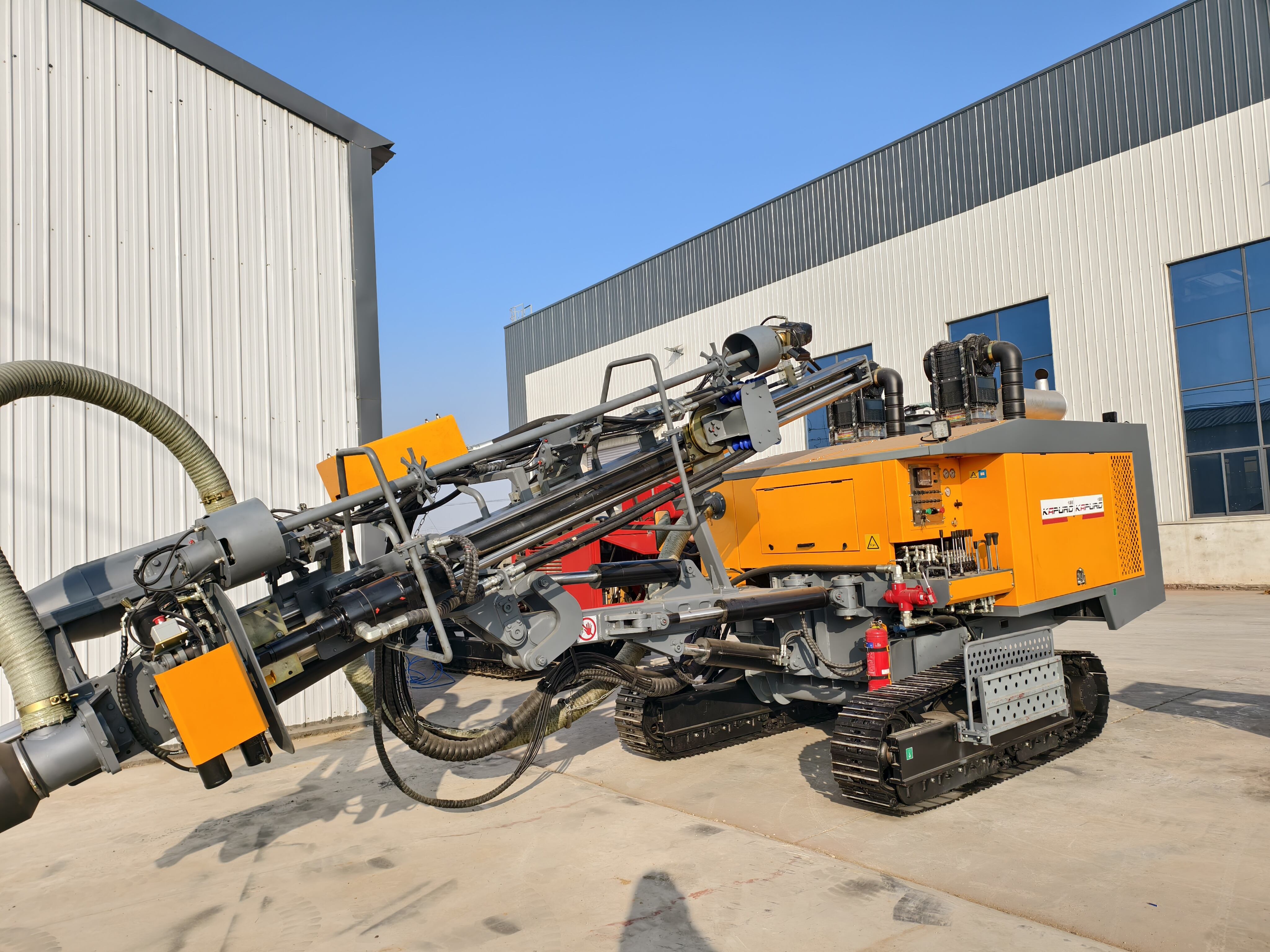
The dth boring machine demonstrates remarkable operational versatility that enables drilling contractors and construction firms to address diverse project requirements with a single equipment investment. This adaptability spans multiple dimensions including geological conditions, borehole geometries, site access constraints, and application-specific requirements across construction, mining, environmental, and geotechnical sectors. The machine accommodates various hammer sizes and bit configurations, allowing operators to optimize the drilling assembly for specific formation characteristics and project objectives without requiring completely different equipment platforms. Small diameter applications such as soil sampling and exploratory drilling utilize compact hammer and bit combinations, while large diameter production holes for water wells or foundation piers employ robust assemblies capable of generating higher impact energy. The equipment transitions seamlessly between vertical, angled, and even horizontal drilling orientations, supporting applications ranging from conventional foundation drilling to directional installations beneath existing structures or environmental features. Site conditions that challenge or prohibit other drilling methods pose minimal obstacles for the dth boring machine, which operates effectively on steep slopes, confined urban locations, environmentally sensitive areas, and remote sites with limited access. The relatively compact footprint and modular design facilitate transportation to locations inaccessible to larger rotary drilling rigs, opening project opportunities that competitors cannot pursue. Mining operations employ the dth boring machine for blast hole drilling, ore grade control sampling, and ventilation raise boring, while construction projects utilize the same equipment type for foundation elements, ground anchors, and utility installations. Environmental remediation specialists rely on this technology for groundwater monitoring well installation, soil vapor extraction wells, and contaminant barrier construction, appreciating the reduced site disturbance and precise hole placement capabilities. Geothermal energy projects increasingly specify the dth boring machine for heat exchanger loop installations and exploration drilling, valuing the equipment's ability to penetrate crystalline basement rocks efficiently. The machine operates effectively in both dry and water-saturated conditions, with flushing medium options including air, foam, water, or mud depending on formation stability requirements and environmental regulations. This flushing versatility enables successful drilling in unstable formations requiring immediate hole support, cohesive soils benefiting from air flushing, and contaminated sites where investigation-derived waste requires careful management. Seasonal weather variations that halt other drilling operations pose less constraint for the dth boring machine, which continues productive operations in freezing temperatures where water-based drilling systems fail. The equipment adapts to various power sources including diesel-driven compressors for remote sites, electric compressors for urban projects with emissions restrictions, and auxiliary compressor connections for facilities with existing compressed air infrastructure.

 EN
EN