dth machine
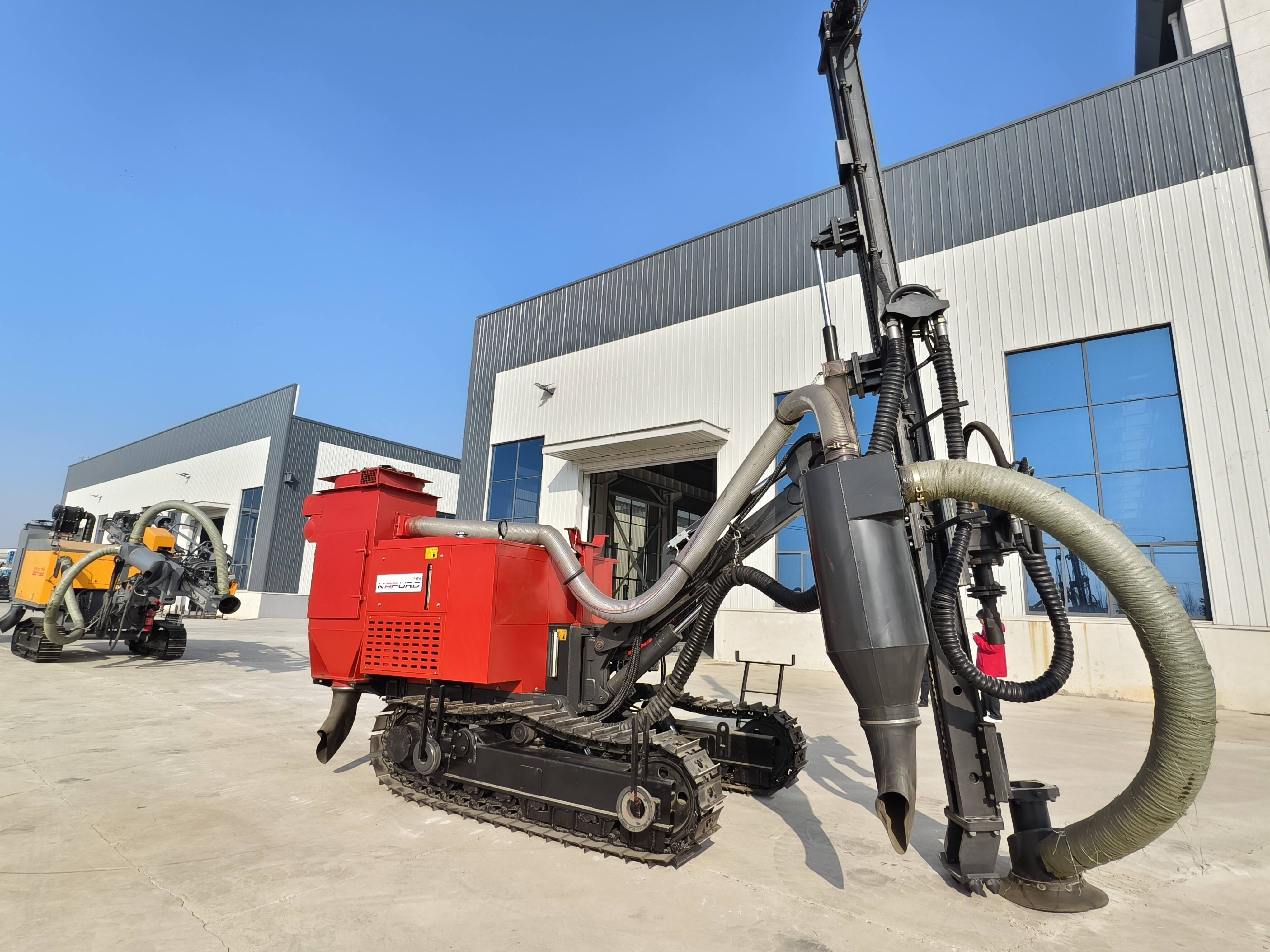
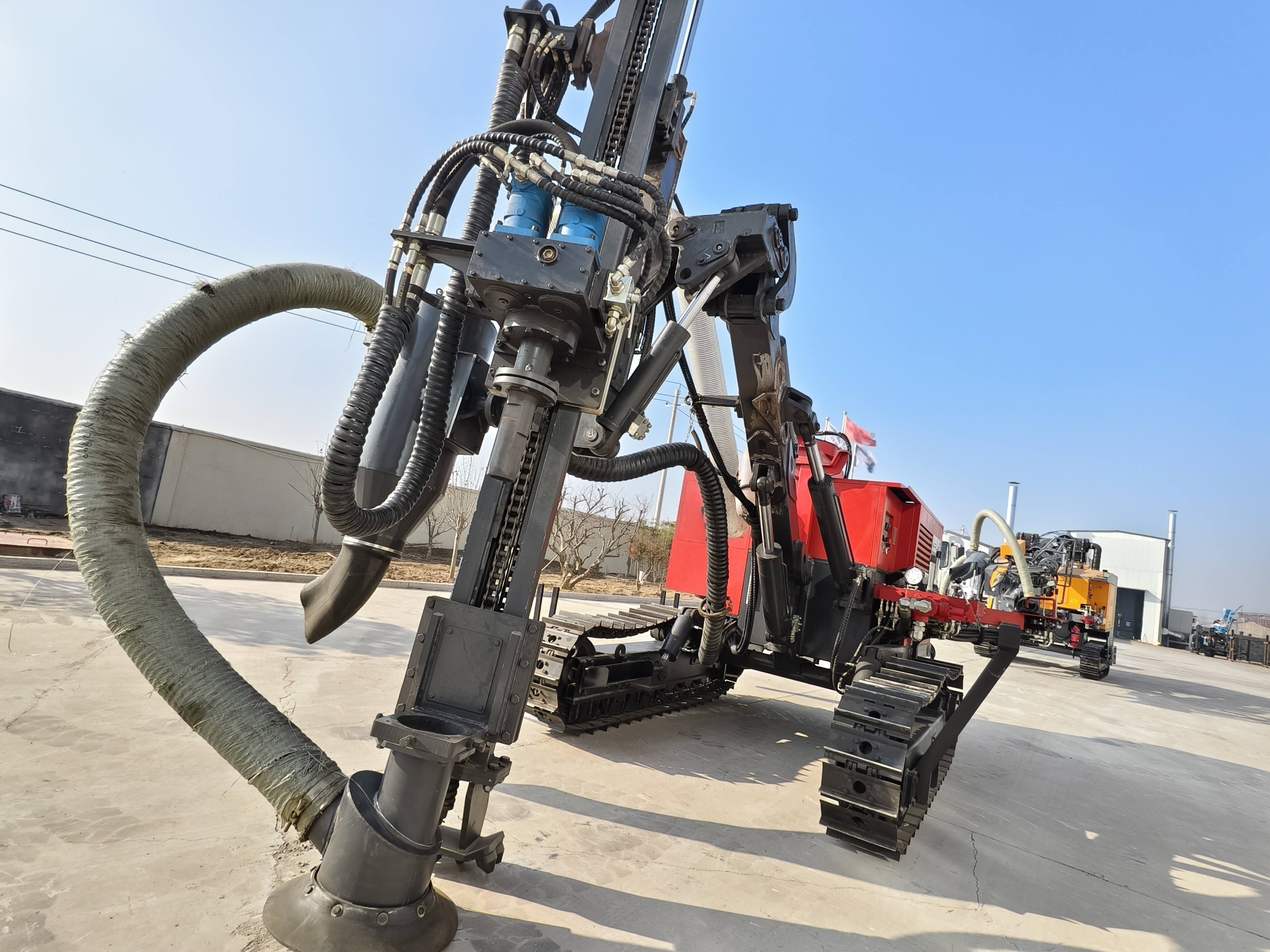
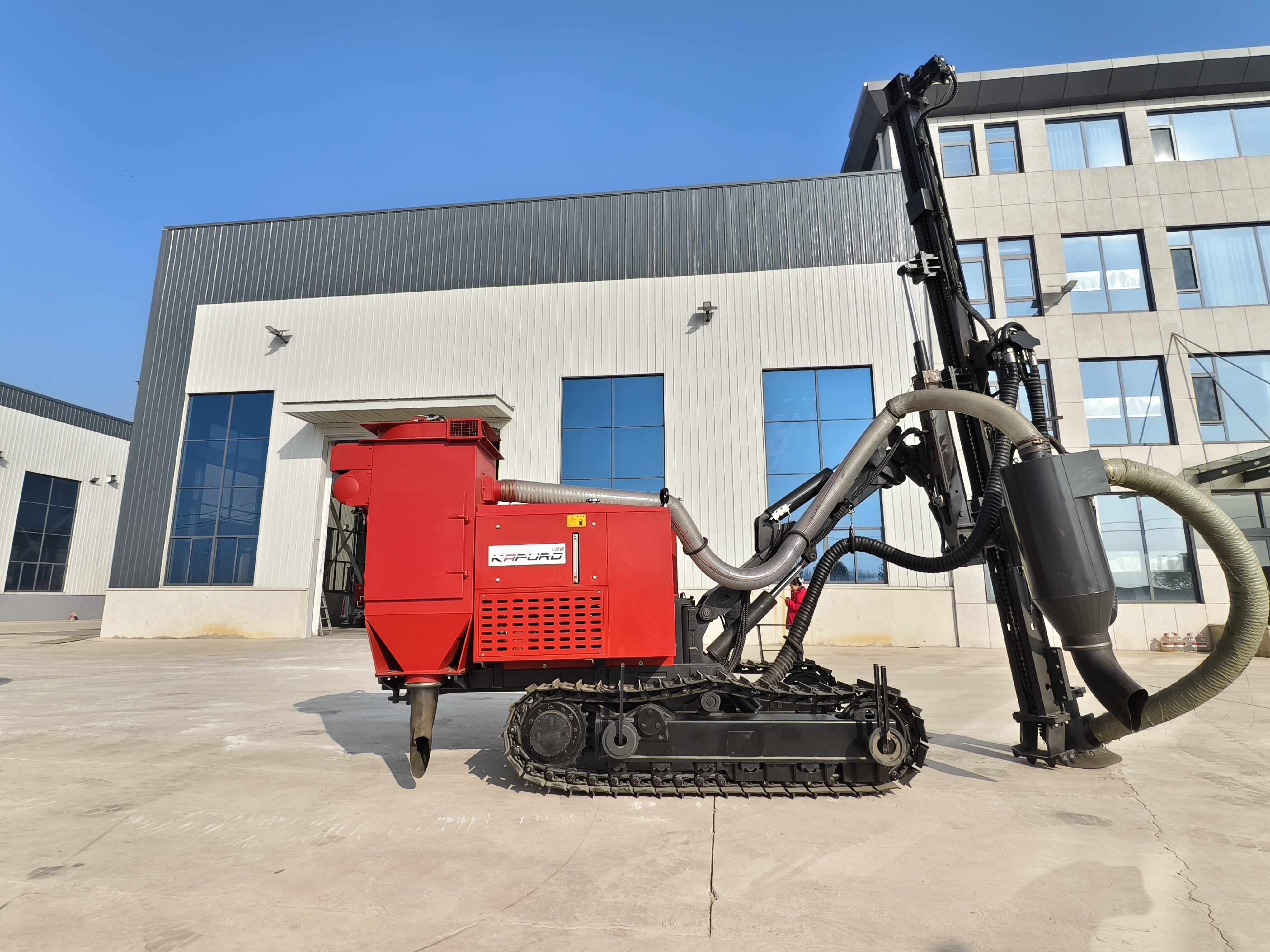
The dth machine represents a revolutionary advancement in down-the-hole drilling technology, designed to deliver exceptional performance across various drilling applications. This sophisticated equipment combines precision engineering with robust construction to meet the demanding requirements of mining, quarrying, water well drilling, and construction projects. A dth machine operates by utilizing compressed air to drive a hammer mechanism directly at the drill bit, ensuring maximum energy transfer and optimal drilling efficiency. The primary function of this equipment involves creating boreholes in hard rock formations, consolidated materials, and challenging geological conditions where conventional drilling methods prove inadequate. Modern dth machines incorporate advanced technological features including pneumatic hammers with enhanced piston designs, optimized air distribution systems, and durable steel components engineered to withstand extreme operational pressures. The equipment typically consists of a drill rig, air compressor, hammer assembly, and specialized drill bits designed for specific rock types. One distinguishing technological characteristic involves the closed-loop air circulation system that simultaneously powers the hammer and evacuates drill cuttings from the borehole, maintaining clean and efficient drilling conditions. Applications for dth machines span multiple industries, including mineral exploration where precise sample collection proves essential, geothermal drilling requiring deep and accurate boreholes, foundation work demanding stability in challenging terrain, and blast hole drilling in quarries and open-pit mining operations. The versatility of these machines allows operators to adjust drilling parameters such as air pressure, rotation speed, and penetration rate to accommodate varying rock hardness levels and project specifications. Furthermore, dth machines demonstrate remarkable adaptability to different drilling angles, from vertical to horizontal orientations, making them indispensable for complex projects requiring directional accuracy. The integration of modern control systems enables operators to monitor real-time performance metrics, ensuring optimal efficiency and preventing equipment damage through predictive maintenance capabilities.

 EN
EN