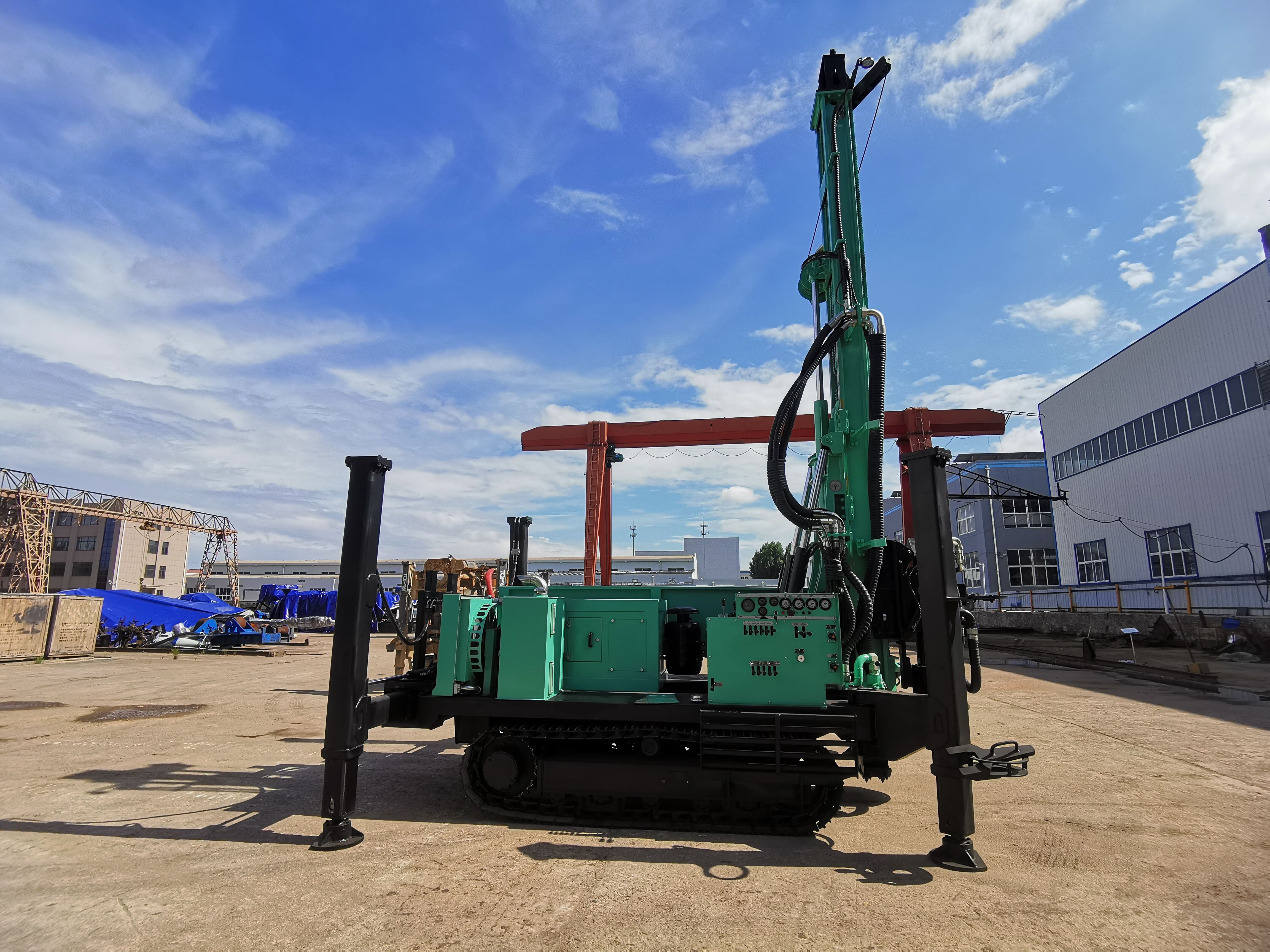
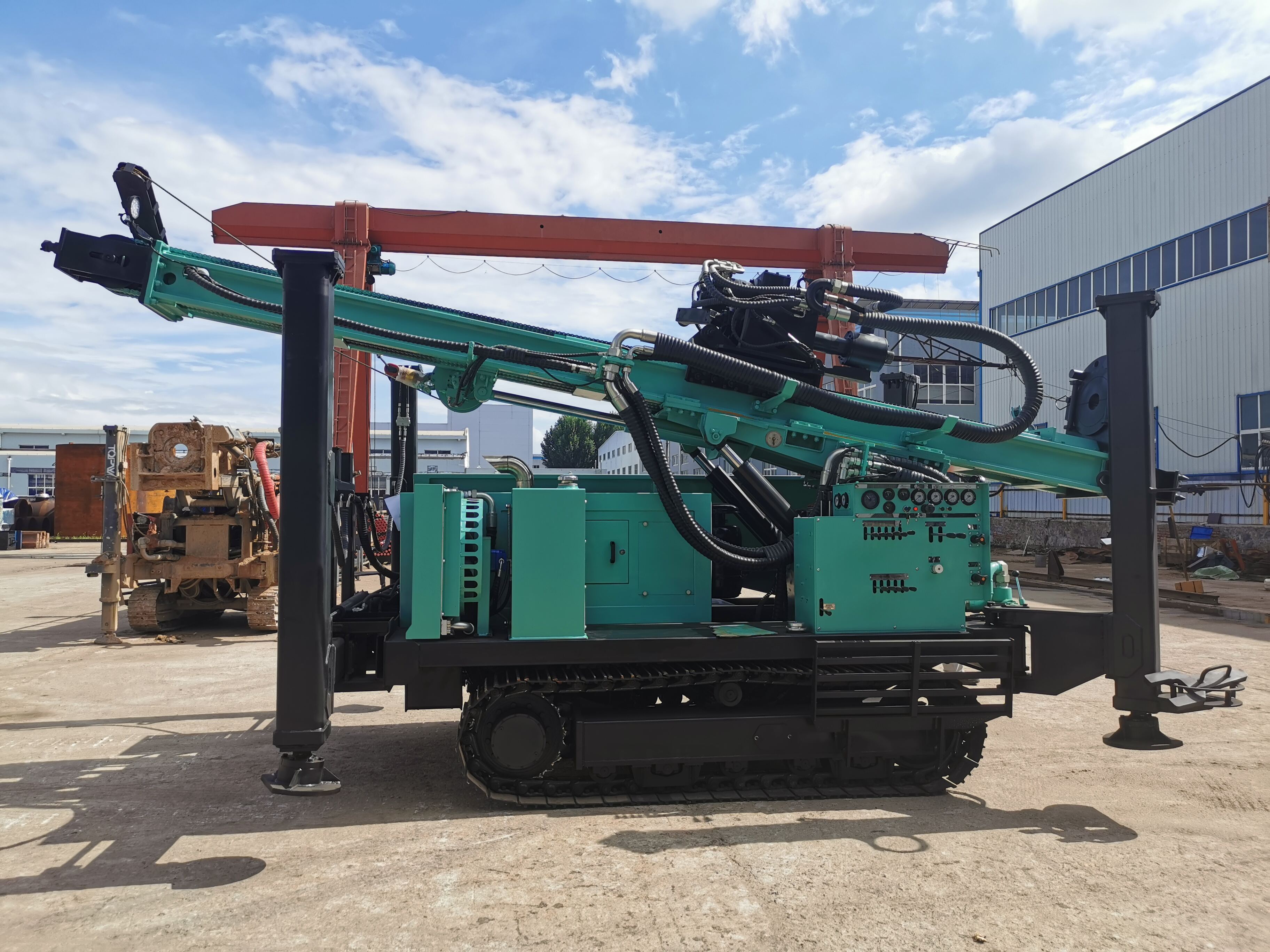
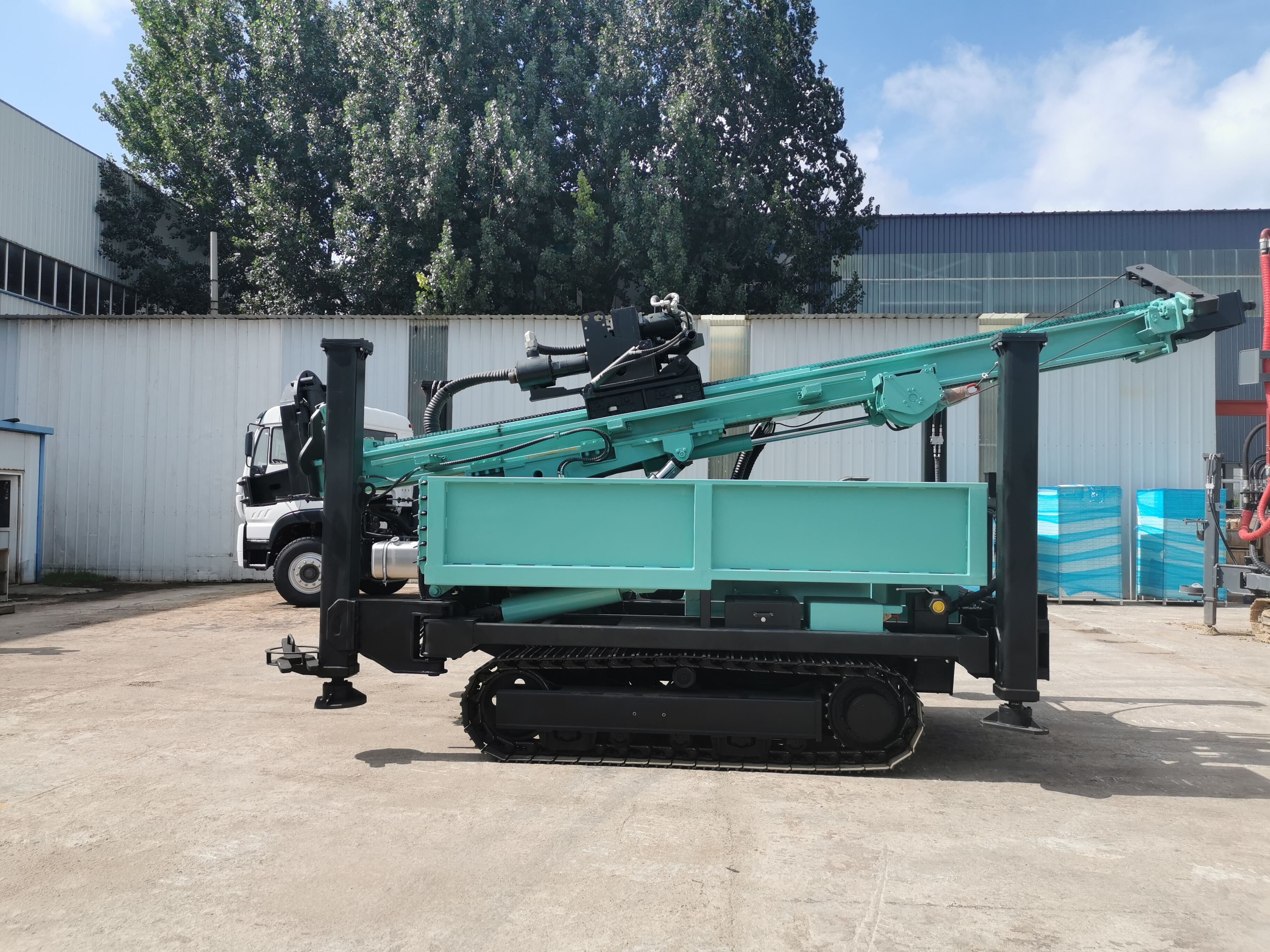
Deep Hole Drilling Machine: Precision Equipment for Advanced Manufacturing Solutions

All Categories

deep hole drilling machine

A deep hole drilling machine represents a specialized manufacturing solution engineered to create precise holes with exceptional depth-to-diameter ratios that standard drilling equipment cannot achieve. This advanced machining tool excels at producing holes where the depth exceeds ten times the diameter, reaching depths that can extend several meters into solid materials. The deep hole drilling machine operates through sophisticated mechanisms that ensure continuous chip removal, efficient coolant delivery, and maintained straightness throughout the drilling process. These machines incorporate unique tooling systems including gun drilling, BTA drilling, and ejector drilling methods, each designed for specific depth requirements and material characteristics. Modern deep hole drilling machines feature CNC control systems that provide automated operation, precise positioning, and consistent quality across production runs. The technology addresses critical manufacturing challenges in industries requiring internal channels, such as hydraulic components, mold cooling systems, and structural aerospace parts. These machines handle various materials including hardened steels, stainless alloys, titanium, and heat-resistant superalloys with remarkable precision. The deep hole drilling machine maintains hole straightness within tight tolerances, typically achieving deviation rates below 0.1 percent of the total depth. Temperature management systems integrated into these machines prevent thermal distortion and extend tool life significantly. The equipment supports both horizontal and vertical configurations, accommodating different workpiece sizes and production environments. Advanced deep hole drilling machines incorporate real-time monitoring systems that detect tool wear, vibration anomalies, and process deviations, enabling predictive maintenance and reducing unexpected downtime. The coolant delivery system operates under high pressure, simultaneously lubricating the cutting edge, cooling the work zone, and flushing chips from the deep cavity. This multi-functional approach ensures surface finish quality and dimensional accuracy throughout extended drilling operations. The deep hole drilling machine has become indispensable in modern manufacturing, where component complexity and performance requirements continue to escalate, demanding solutions that conventional drilling methods cannot provide.


Popular Products

The deep hole drilling machine delivers substantial benefits that directly impact production efficiency and manufacturing quality. First, this equipment dramatically reduces production time compared to alternative methods for creating deep cavities. Traditional drilling approaches require multiple tool changes and incremental depth increases, consuming valuable manufacturing hours. The deep hole drilling machine completes operations in single setups, eliminating repositioning errors and accelerating throughput. This time savings translates into lower labor costs and faster order fulfillment for your business. Second, the precision achieved by these machines ensures components meet exact specifications consistently. When producing hydraulic cylinders, injection molds, or medical instruments, dimensional accuracy directly affects product performance and customer satisfaction. The deep hole drilling machine maintains straightness tolerances that prevent assembly issues and functional failures in finished products. Third, material versatility allows manufacturers to work with challenging alloys without compromising quality. Whether processing hardened tool steels, corrosion-resistant stainless materials, or lightweight aluminum, the machine adapts to different material properties through adjustable parameters. This flexibility means you can expand your service offerings without investing in multiple specialized machines. Fourth, the coolant system integrated into deep hole drilling machines extends tool life substantially. Continuous high-pressure coolant flow removes heat effectively, preventing premature tool wear and reducing replacement costs. Longer tool life means fewer production interruptions and lower consumable expenses over time. Fifth, automated operation features minimize operator intervention requirements. Once programmed, the deep hole drilling machine executes complex drilling sequences with minimal supervision, freeing skilled workers for other value-added tasks. This automation reduces human error and ensures repeatability across production batches. Sixth, the chip removal system prevents cavity blockage that often causes tool breakage in deep drilling applications. Efficient chip evacuation maintains cutting performance throughout the operation, avoiding costly tool failures and workpiece scrappage. Seventh, surface finish quality produced by deep hole drilling machines meets demanding application requirements without secondary operations. The controlled cutting action creates smooth internal surfaces suitable for sealing applications, fluid passages, and wear surfaces. This eliminates additional honing or polishing steps, reducing manufacturing costs. Eighth, these machines accommodate various workpiece sizes and configurations, from small precision components to large structural elements. This scalability makes the deep hole drilling machine suitable for both high-volume production and custom fabrication environments. Finally, modern monitoring systems provide process visibility that enhances quality control and enables continuous improvement initiatives. Real-time data collection identifies optimization opportunities and supports documentation requirements for certified manufacturing environments.

Latest News

How Do B2B Mining Projects Choose the Right Underground Dump Truck?

17

Nov

How Do B2B Mining Projects Choose the Right Underground Dump Truck?

Selecting the appropriate underground dump truck for B2B mining operations represents a critical decision that directly impacts operational efficiency, safety standards, and long-term profitability. Mining contractors and project managers must naviga...
View More
How Do Load Capacity and Size Affect Underground LHD Loader Performance?

11

Dec

How Do Load Capacity and Size Affect Underground LHD Loader Performance?

Underground mining operations depend heavily on efficient material handling equipment, with the underground LHD loader serving as the backbone of productive ore extraction and transportation. These versatile machines must navigate confined spaces whi...
View More
What Performance Factors Define a Scooptram 1 Cubic Yard?

07

Jan

What Performance Factors Define a Scooptram 1 Cubic Yard?

Underground mining operations demand precision, reliability, and efficiency from every piece of equipment deployed in challenging subterranean environments. The scooptram 1 cubic yard represents a crucial component in modern mining fleets, offering t...
View More
How Does an Underground Mining Scoop Compare to Other LHD Equipment?

07

Jan

How Does an Underground Mining Scoop Compare to Other LHD Equipment?

The selection of appropriate Load Haul Dump (LHD) equipment plays a critical role in underground mining operations, with the underground mining scoop representing one of the most versatile and essential pieces of machinery in modern mining environmen...
View More

Get a Free Quote

Our representative will contact you soon.
Email
Name
Company Name
Message
0/1000

deep hole drilling machine

Superior Precision and Straightness Control for Critical Applications

Superior Precision and Straightness Control for Critical Applications

The deep hole drilling machine achieves exceptional straightness control that proves critical for components where internal geometry directly impacts functionality. In hydraulic systems, even minor deviations in bore straightness can cause seal leakage, pressure loss, and premature component failure. This machine addresses these challenges through guide pad technology and rigid tooling systems that resist deflection forces during cutting. The gun drilling method, commonly employed in deep hole drilling machines, utilizes a self-piloting tool design that follows the established hole path with minimal wandering. This approach maintains straightness deviations below 0.05 percent of total depth in optimal conditions, far exceeding capabilities of conventional drilling methods. For a one-meter deep hole, this translates to potential deviation of only half a millimeter, ensuring assembly compatibility and functional performance. The precision control extends beyond straightness to include diameter consistency throughout the hole depth. Unlike twist drills that can produce tapered holes due to deflection, the deep hole drilling machine maintains uniform diameter within micron-level tolerances. This consistency proves essential for applications requiring precision fits, such as rifle barrels, fuel injector bodies, and spindle bores. Temperature management contributes significantly to precision outcomes. The high-pressure coolant system integrated into every deep hole drilling machine removes heat continuously from the cutting zone, preventing thermal expansion that would otherwise compromise dimensional accuracy. This temperature control also protects workpiece material properties, particularly important when machining heat-sensitive alloys or pre-hardened materials. The machine structure itself incorporates vibration-damping features and thermal stability design elements that maintain geometric relationships between tool and workpiece throughout extended operations. Heavy cast iron bases, precision ground ways, and preloaded bearings work together to create a stable platform for precision drilling. Advanced deep hole drilling machines include in-process measurement capabilities that verify hole dimensions without removing the workpiece from the machine. These measurement systems detect dimensional drift early, allowing immediate parameter adjustments that prevent scrap production. The combination of mechanical precision, thermal management, and process control makes the deep hole drilling machine the definitive solution for applications where hole quality directly determines product performance and reliability.
Versatile Material Processing Capabilities Across Industries

Versatile Material Processing Capabilities Across Industries

The deep hole drilling machine demonstrates remarkable versatility in processing diverse materials that challenge conventional drilling equipment. This adaptability stems from adjustable cutting parameters, specialized tool geometries, and sophisticated coolant management systems that accommodate different material characteristics. Manufacturers serving multiple industries benefit from this flexibility, as a single deep hole drilling machine can handle projects ranging from soft aluminum aerospace components to hardened steel mold bases. When processing stainless steels, which tend to work-harden and generate excessive heat during machining, the deep hole drilling machine employs specific cutting speeds and feed rates that prevent material hardening ahead of the tool. The continuous high-pressure coolant delivery system proves particularly valuable with stainless materials, removing heat before it can affect material structure. Tool coatings such as titanium nitride or aluminum titanium nitride further enhance performance with difficult materials, extending tool life and maintaining cutting edge sharpness. For titanium alloys commonly used in aerospace applications, the deep hole drilling machine adjusts parameters to address this material's poor thermal conductivity and tendency to gall. Lower cutting speeds combined with increased coolant pressure prevent heat accumulation that would otherwise cause rapid tool wear. The machine's rigid construction resists the higher cutting forces associated with titanium, maintaining hole straightness despite challenging cutting conditions. Aluminum alloys present different challenges, including chip formation characteristics and tendency toward built-up edge formation. The deep hole drilling machine addresses these issues through higher cutting speeds and optimized chip-breaking geometries that produce manageable chip sizes. The coolant system flushes these chips efficiently, preventing re-cutting that would degrade surface finish quality. For extremely hard materials such as tool steels and nickel-based superalloys, specialized carbide tools and reduced feed rates enable successful deep hole drilling. The machine's monitoring systems detect excessive tool wear through vibration analysis and force measurement, alerting operators before catastrophic tool failure occurs. This versatility extends to various production scenarios. Job shops appreciate the ability to accept diverse projects without equipment limitations. Production facilities value the flexibility to manufacture different product lines using shared equipment resources. The deep hole drilling machine adapts to prototype development requiring frequent material changes and production runs demanding consistent results with a single material type. This comprehensive material compatibility reduces capital equipment requirements while expanding manufacturing capabilities, delivering strong return on investment for forward-thinking manufacturers.
Enhanced Productivity Through Automated Operation and Reliability

Enhanced Productivity Through Automated Operation and Reliability

Modern deep hole drilling machines incorporate automation features that substantially boost productivity while reducing labor requirements and operational costs. These systems transform deep hole drilling from a labor-intensive manual process into an efficient automated operation that runs consistently with minimal supervision. The productivity advantages begin with CNC control systems that execute complex drilling programs with precision and repeatability. Operators program drilling parameters including feed rates, spindle speeds, and coolant pressure once, then the deep hole drilling machine replicates these settings across hundreds or thousands of parts. This consistency eliminates variation between operators or shifts, ensuring uniform quality regardless of when components are produced. Automated tool loading systems available on advanced deep hole drilling machines reduce setup time between different drilling operations. The machine selects appropriate tools from a tool magazine, changes them automatically, and resumes drilling without operator intervention. This capability proves particularly valuable in facilities producing multiple part numbers or frequent tool changes due to wear. The productivity benefits extend to unattended operation capabilities. Many deep hole drilling machines support lights-out manufacturing, continuing production during evenings and weekends without staff presence. Integrated monitoring systems detect abnormal conditions and pause operations safely if issues arise, protecting both machine and workpiece from damage. This extended operational window effectively multiplies manufacturing capacity without proportional labor cost increases. Preventive maintenance becomes more effective through condition monitoring systems standard on modern deep hole drilling machines. Vibration sensors detect bearing wear before failure occurs. Coolant quality monitors identify contamination that could affect drilling performance. Tool wear algorithms predict remaining tool life accurately, enabling scheduled replacements during planned downtime rather than unexpected production interruptions. These predictive capabilities minimize unplanned downtime that disrupts production schedules and delivery commitments. Quick-change workholding systems further enhance productivity by reducing setup time between jobs. Standardized fixture interfaces allow operators to prepare the next workpiece while the current part is being drilled, then swap fixtures in minutes rather than hours. This approach keeps the deep hole drilling machine in cutting operation maximally, improving overall equipment effectiveness. The reliability engineered into deep hole drilling machines contributes significantly to productivity. Robust construction, quality components, and proven technology combine to deliver years of consistent performance. Manufacturers report uptime percentages exceeding 90 percent with proper maintenance, meaning the machine remains productive rather than waiting for repairs. This reliability supports lean manufacturing initiatives and just-in-time production strategies that depend on predictable equipment availability. For businesses evaluating manufacturing equipment investments, the productivity advantages of modern deep hole drilling machines translate directly into competitive advantages through faster delivery, lower costs, and enhanced capacity utilization.

Get a Free Quote

Our representative will contact you soon.
Email
Name
Company Name
Message
0/1000