Hard Rock Drilling Machine: Superior Performance for Mining and Construction Applications

All Categories

hard rock drilling machine

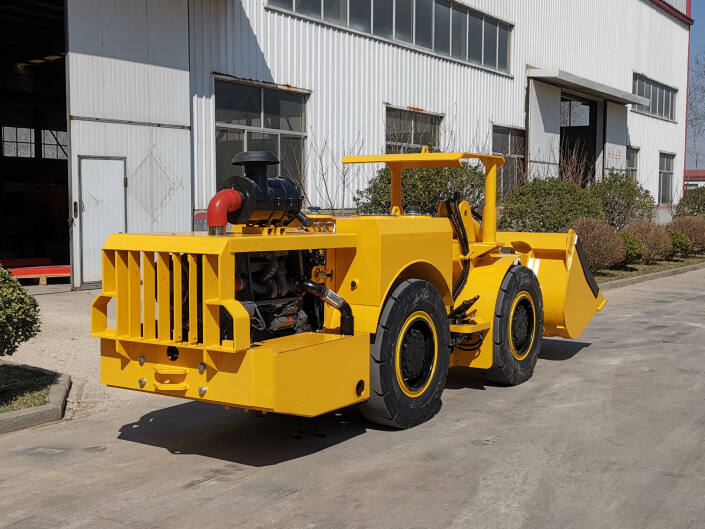
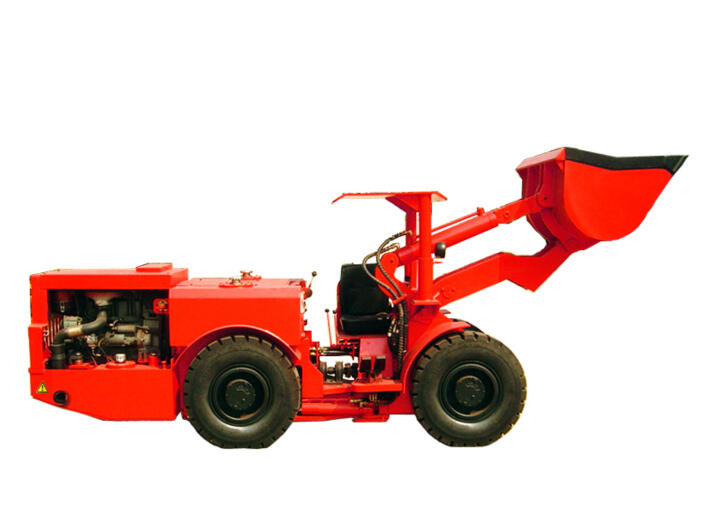
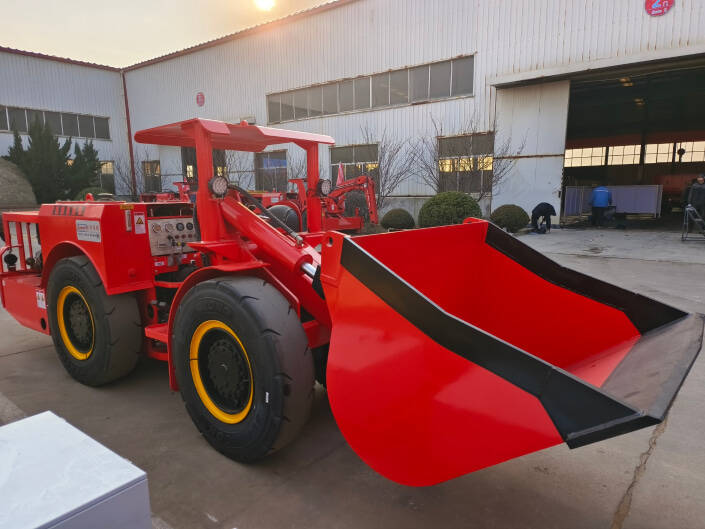
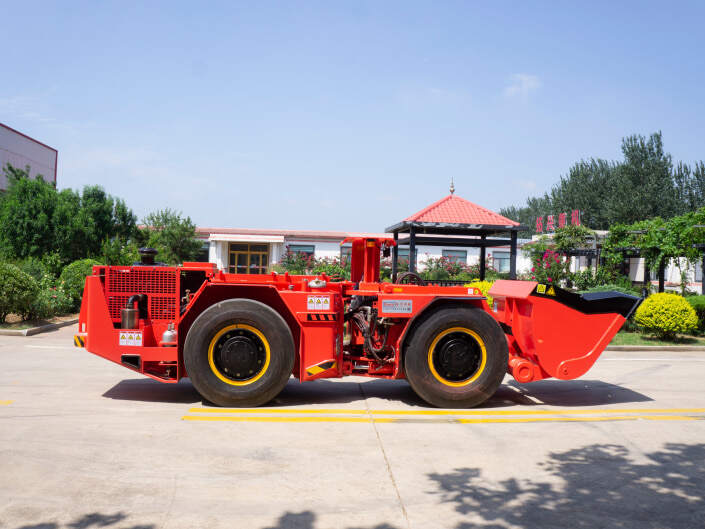
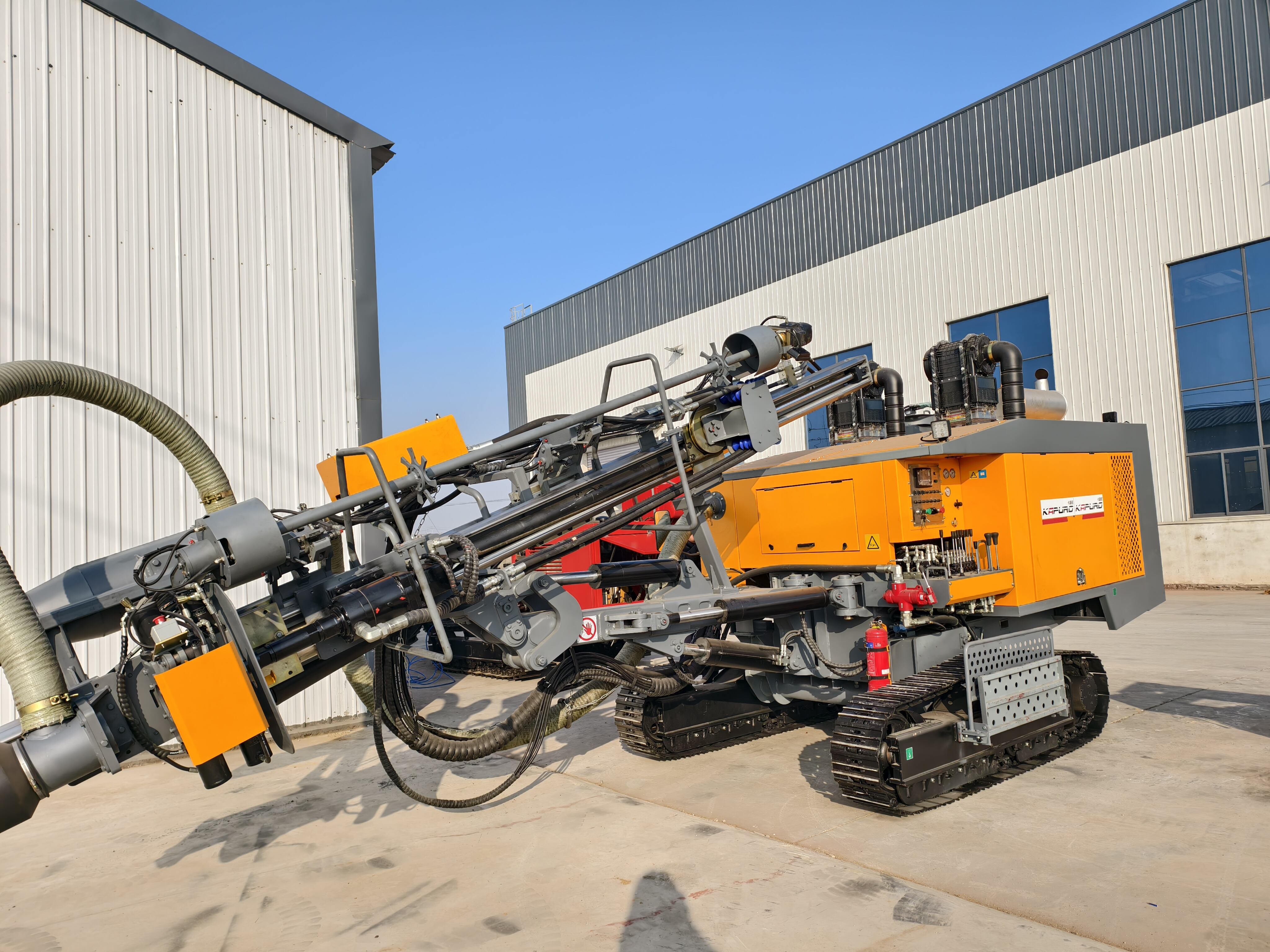
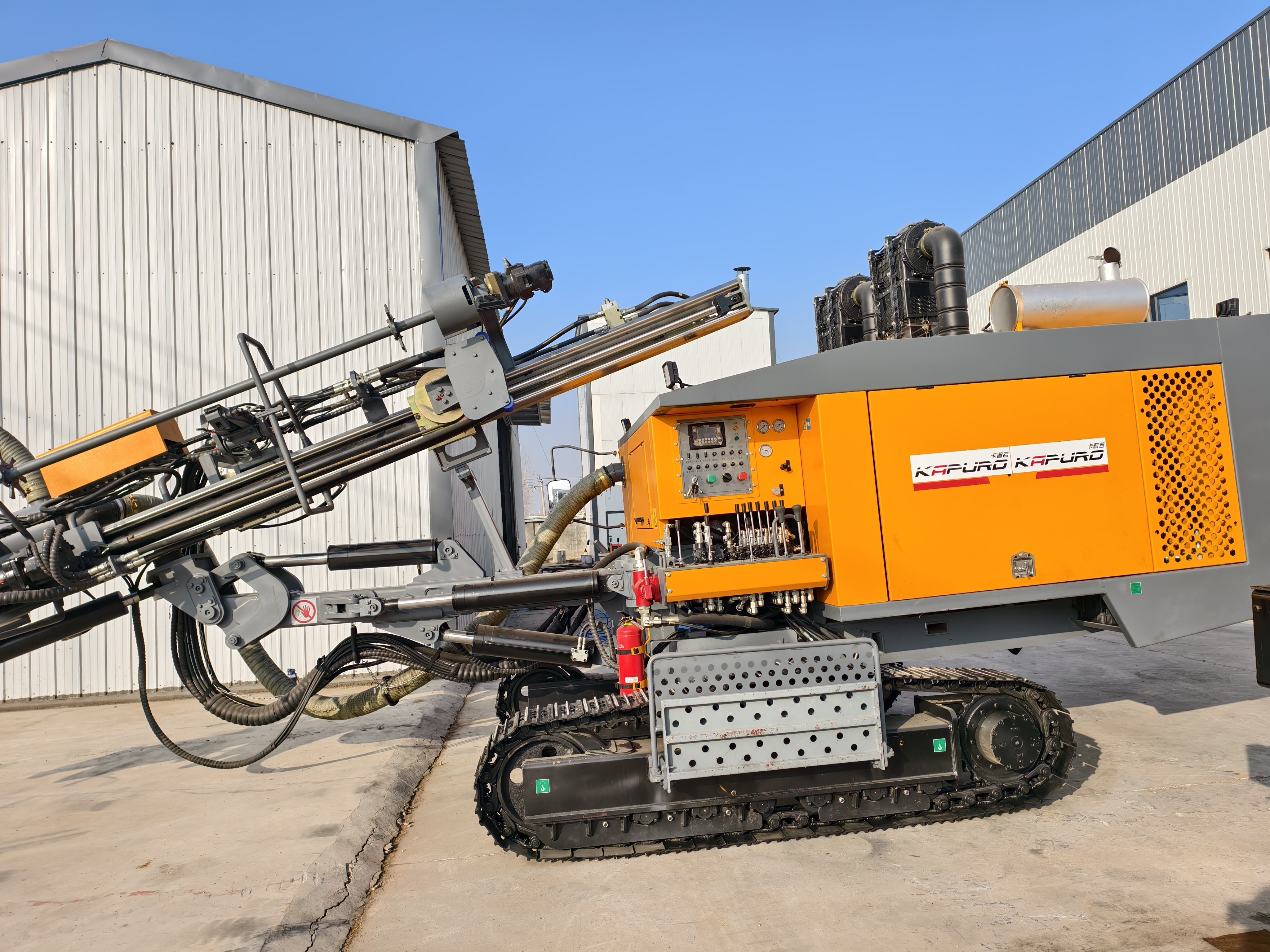
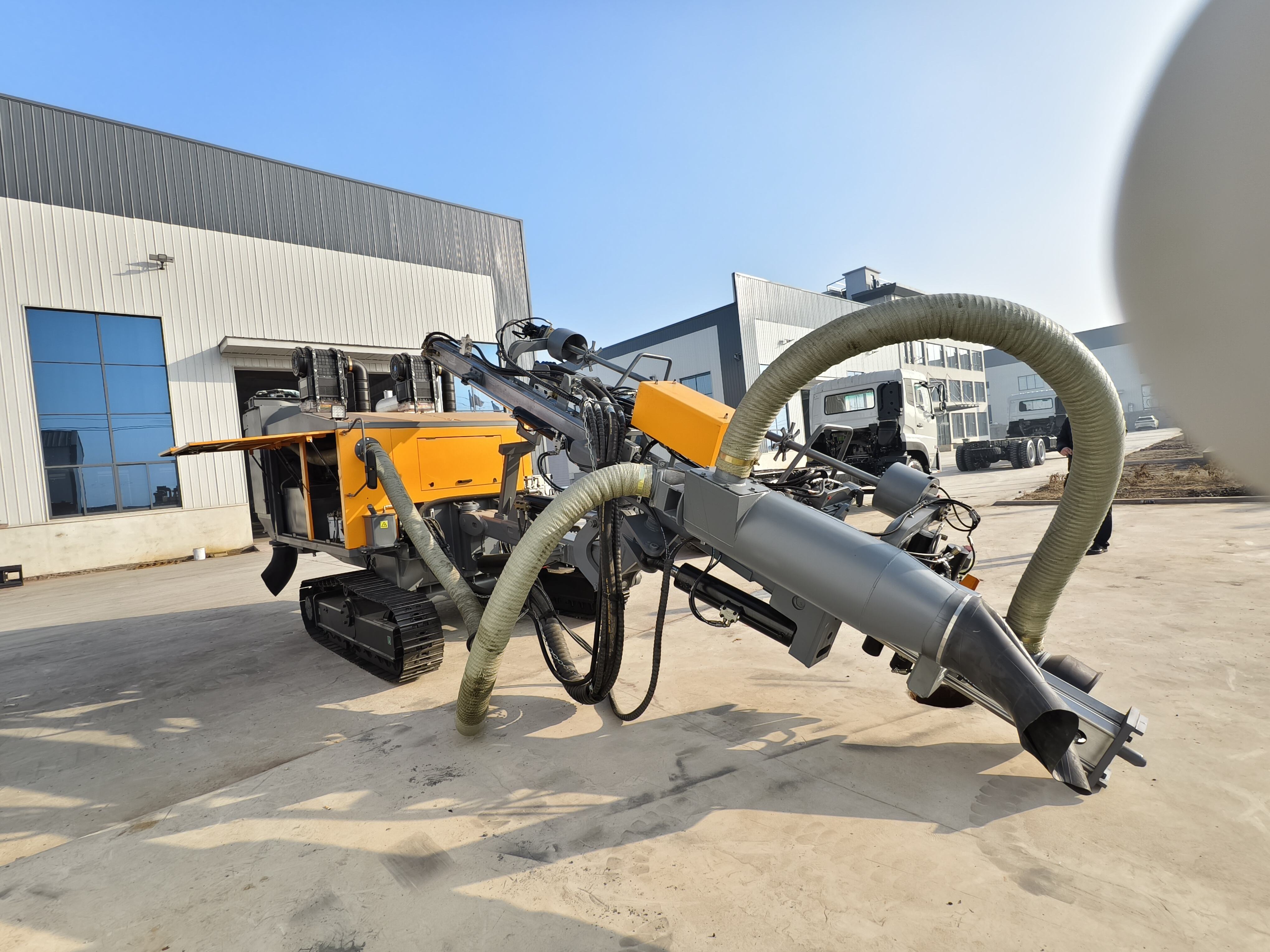
A hard rock drilling machine represents essential equipment designed specifically for penetrating dense geological formations including granite, basalt, quartzite, and other compact mineral deposits. This powerful machinery utilizes advanced mechanical systems to bore through challenging terrain where conventional drilling equipment often fails. The primary function involves creating precise holes in solid rock formations for various industrial purposes, including mining exploration, construction foundation work, and geological surveying operations. Modern hard rock drilling machines incorporate sophisticated hydraulic systems that deliver consistent penetration force while maintaining operational stability in demanding environments. These machines feature robust steel construction with reinforced drill bits manufactured from tungsten carbide or diamond-tipped materials, ensuring prolonged service life even under extreme operational stress. The technological framework integrates computerized control panels that allow operators to adjust drilling parameters including rotation speed, percussion frequency, and feed pressure to match specific rock characteristics. Advanced cooling systems prevent overheating during extended drilling sessions, while dust suppression mechanisms maintain visibility and protect surrounding environments. The versatility of hard rock drilling machines extends across multiple sectors, from surface mining operations extracting valuable minerals to infrastructure projects requiring deep foundation anchoring. Tunnel construction projects rely heavily on these machines to bore through mountainous terrain, while geothermal energy installations use them to access underground heat sources. The equipment operates through percussion drilling methodology combined with rotary motion, creating a crushing effect that fragments dense rock material efficiently. Mobility features including track-mounted or wheel-based chassis configurations enable deployment across varied topographical conditions, from steep mountain slopes to confined underground spaces. These machines typically offer drilling diameters ranging from small-scale exploration holes to large-diameter production blast holes, accommodating diverse project specifications. The integration of automated rod handling systems reduces manual labor requirements while improving operational safety standards. Environmental considerations have driven manufacturers to develop electric-powered variants that minimize emissions and reduce noise pollution in sensitive areas. Modern hard rock drilling machines represent the culmination of decades of engineering refinement, delivering reliable performance that transforms seemingly impenetrable geological barriers into accessible resources for human utilization and development purposes.


New Product Releases

Investing in a hard rock drilling machine delivers substantial operational benefits that directly impact your project efficiency and profitability. These machines dramatically reduce the time required to penetrate solid rock formations compared to manual methods or outdated equipment, allowing you to complete drilling projects weeks or even months ahead of schedule. The enhanced speed translates into lower labor costs as fewer workers accomplish more work within compressed timeframes. You gain precision that manual drilling simply cannot match, with computerized controls ensuring each hole meets exact depth and angle specifications critical for structural integrity and safety compliance. The consistency of automated systems eliminates human error variables that compromise drilling accuracy in traditional operations. Financial advantages extend beyond initial productivity gains through reduced maintenance requirements, as modern engineering emphasizes durable components that withstand harsh conditions without frequent replacement. You avoid expensive downtime that cripples project timelines when equipment fails unexpectedly, thanks to reliable hydraulic systems and robust mechanical design. The versatility of these machines means you can tackle multiple project types with a single equipment investment rather than maintaining separate specialized tools for different rock formations. This adaptability maximizes your return on investment while simplifying equipment management and operator training programs. Safety improvements protect your workforce from hazards inherent in rock drilling operations, with enclosed operator cabins shielding personnel from flying debris and dust exposure that causes respiratory problems. Remote control capabilities allow operators to work from safe distances during unstable ground conditions, reducing workplace injury incidents that generate costly compensation claims and project delays. The powerful penetration force of hard rock drilling machines enables you to access previously unreachable mineral deposits or construction sites, opening new revenue opportunities that competitors with inferior equipment cannot pursue. Energy efficiency features in modern models lower fuel consumption and electricity costs, improving your operational budget margins while supporting environmental sustainability goals that enhance corporate reputation. You benefit from faster project completion rates that allow acceptance of additional contracts, growing your business capacity without proportional increases in equipment inventory. The reduced physical demands on operators decrease fatigue-related mistakes and extend productive working hours, further amplifying output levels. Dust suppression systems maintain clear visibility that improves drilling accuracy while protecting expensive machinery components from abrasive particle damage that accelerates wear. The professional results achieved with hard rock drilling machines strengthen client satisfaction and generate repeat business relationships that stabilize long-term revenue streams. Your competitive positioning improves as you deliver superior quality work within tighter deadlines than rivals using outdated drilling methods, establishing market leadership in demanding geological conditions.

Tips And Tricks

How Can Maintenance Reduce Downtime for Underground Mining Dump Trucks?

17

Nov

How Can Maintenance Reduce Downtime for Underground Mining Dump Trucks?

Underground mining operations depend heavily on reliable equipment to maintain productivity and meet extraction targets. When heavy machinery experiences unexpected failures, the resulting downtime can cost mining companies thousands of dollars per h...
View More
Which Factors Affect the Lifespan of Underground Mining Dump Trucks?

17

Nov

Which Factors Affect the Lifespan of Underground Mining Dump Trucks?

The operational lifespan of underground mining dump trucks represents a critical investment consideration for mining operations worldwide. These specialized vehicles face some of the most challenging working conditions in industrial applications, ope...
View More
What Factors Affect the Performance of an Underground Mining Scoop?

07

Jan

What Factors Affect the Performance of an Underground Mining Scoop?

The performance of an underground mining scoop depends on numerous interconnected factors that directly impact productivity, safety, and operational efficiency in mining operations. Understanding these variables is crucial for mining engineers and op...
View More
What Performance Factors Define a Scooptram 1 Cubic Yard?

07

Jan

What Performance Factors Define a Scooptram 1 Cubic Yard?

Underground mining operations demand precision, reliability, and efficiency from every piece of equipment deployed in challenging subterranean environments. The scooptram 1 cubic yard represents a crucial component in modern mining fleets, offering t...
View More

Get a Free Quote

Our representative will contact you soon.
Email
Name
Company Name
Message
0/1000

hard rock drilling machine

Unmatched Penetration Power for Challenging Geological Formations

Unmatched Penetration Power for Challenging Geological Formations

The exceptional penetration capability of hard rock drilling machines stands as their most defining characteristic, enabling operations in geological conditions that defeat conventional drilling equipment. This superior power stems from advanced hydraulic systems generating tremendous impact force measured in thousands of foot-pounds, transmitted through hardened steel drill strings to specialized cutting bits. The percussion mechanism operates at precisely calibrated frequencies, delivering rapid hammer blows that fracture even the densest crystalline rock structures including reinforced granite and metamorphic formations. Unlike rotary-only systems that struggle against compact minerals, this combined percussion and rotation methodology creates a crushing action that progressively disintegrates resistant material. The engineering behind this power involves heavy-duty compressors or hydraulic pumps that maintain consistent pressure regardless of penetration depth, ensuring uniform drilling performance from surface entry through final target depth. Rock formations with compressive strengths exceeding 30,000 PSI pose no significant obstacle to properly configured hard rock drilling machines, whereas alternative equipment often stalls or suffers catastrophic bit failure under such conditions. This capability proves invaluable for mining operations targeting deep ore bodies encased in barren host rock that must be penetrated efficiently to reach valuable mineral zones. Construction projects requiring foundation anchoring in bedrock benefit immensely, as the machines bore through surface overburden and penetrate sufficient depth to establish stable support systems for heavy structures. The consistency of penetration rates allows accurate project scheduling, eliminating uncertainties that plague operations using underpowered equipment with unpredictable performance across varying rock types. Operators appreciate the reduced physical strain as the machine's power handles the workload, rather than requiring excessive manual force or constant equipment repositioning to achieve progress. The economic implications extend beyond faster drilling speeds to include reduced bit consumption, as the effective crushing action minimizes premature wear caused by inadequate penetration force. Projects in remote locations particularly value this reliability, where equipment failure or insufficient power would necessitate expensive mobilization of backup machinery across difficult terrain. The penetration power also enables exploration drilling through fault zones and fractured rock masses that cause conventional equipment to bind or deviate from intended trajectories, maintaining borehole integrity essential for accurate geological sampling. Environmental benefits accompany this power efficiency through reduced fuel consumption per meter drilled, as the machine completes tasks quickly rather than laboring inefficiently through resistant formations. The versatility this power provides means contractors can confidently bid on diverse projects without concerns about encountering rock hardness beyond equipment capabilities, expanding business opportunities across geological regions.
Advanced Control Systems for Precision and Operational Efficiency

Advanced Control Systems for Precision and Operational Efficiency

Modern hard rock drilling machines incorporate sophisticated electronic control systems that revolutionize operational precision and efficiency compared to legacy equipment relying on manual adjustments. These computerized platforms allow operators to monitor and adjust critical drilling parameters in real-time through intuitive touchscreen interfaces displaying comprehensive performance data. The system tracks penetration rates, percussion frequency, rotation speed, hydraulic pressure, and feed force, automatically optimizing settings to match changing rock characteristics encountered at different depths. This intelligent adaptation prevents equipment damage from excessive force application while maintaining maximum drilling efficiency throughout each hole's progression. Operators receive immediate alerts when parameters deviate from optimal ranges, enabling corrective action before minor issues escalate into costly mechanical failures or compromised hole quality. The precision achievable through digital controls ensures drilling angles remain within specified tolerances critical for blast hole patterns in mining operations or anchor placement in construction applications. GPS integration available on advanced models records exact drilling locations, creating detailed project maps that facilitate quality assurance documentation and future site reference. Data logging capabilities automatically record complete drilling histories including time stamps, depth measurements, and operational parameters for every hole, supporting regulatory compliance requirements and performance analysis. Remote monitoring functionality enables supervisors to oversee multiple drilling operations simultaneously from centralized control centers, optimizing resource allocation and identifying training opportunities when operator performance patterns emerge. The control systems interface with automated rod handling equipment, coordinating drill string additions as holes deepen without manual intervention that interrupts drilling continuity and reduces overall productivity. Preset drilling programs can be loaded for repetitive operations, ensuring consistency across hundreds of holes while minimizing operator decision fatigue during extended shifts. Safety interlocks programmed into control systems prevent equipment operation when hazardous conditions exist, such as inadequate stabilizer engagement or hydraulic pressure anomalies that risk mechanical failure. Diagnostic capabilities built into these systems identify developing maintenance needs before component failures occur, scheduling service interventions during planned downtime rather than experiencing unexpected breakdowns during critical project phases. The learning curve for new operators shortens dramatically with guided interfaces that provide step-by-step instructions and visual feedback, reducing training costs while maintaining operational standards. Energy management features optimize power consumption by adjusting engine speeds and hydraulic flow rates to match actual drilling demands rather than operating continuously at maximum output, extending equipment lifespan through reduced mechanical stress. The integration of control systems with fleet management platforms enables data-driven decisions regarding equipment utilization, identifying underperforming machines requiring maintenance attention or operational technique improvements. This technological sophistication transforms hard rock drilling from a purely mechanical task into a managed process with measurable quality metrics and continuous improvement opportunities.
Robust Construction Ensuring Reliability in Extreme Operating Conditions

Robust Construction Ensuring Reliability in Extreme Operating Conditions

The structural integrity and component durability of hard rock drilling machines directly determine operational reliability in the punishing environments where these machines perform their essential functions. Manufacturers employ high-grade steel alloys throughout critical structural elements, selecting materials specifically for their resistance to fatigue failure under cyclic loading conditions inherent in percussion drilling operations. Reinforced chassis designs distribute operational stresses across multiple load paths, preventing concentration points where cracks might initiate and propagate through repeated use. The drilling mast constructed from heavy-wall steel tubing withstands tremendous compressive and tensile forces as equipment pushes against solid rock while simultaneously pulling drill strings during rod changes. Hydraulic components utilize corrosion-resistant materials and precision manufacturing tolerances that maintain seal integrity despite exposure to abrasive dust, temperature extremes, and constant vibration. These systems incorporate redundant filtration stages removing contaminants before they reach sensitive valve assemblies and cylinder seals, extending component service life far beyond industry averages. The percussion mechanism itself represents a masterpiece of metallurgical engineering, with hardened steel pistons striking anvils thousands of times per minute without deformation or fracture. Specialized heat treatment processes create surface layers with exceptional wear resistance while maintaining core toughness that absorbs impact energy. Track undercarriages or wheel assemblies feature reinforced designs supporting machine weight plus operational forces transmitted through the drilling mast into the chassis during penetration. These mobility systems employ sealed bearings and heavy-duty components that function reliably despite constant exposure to rock fragments, mud, and moisture that would destroy lighter-duty mechanisms. Operator cabins utilize vibration-isolated mounting systems that protect electronic controls and provide comfortable working environments despite intense mechanical activity occurring mere feet away. Protective housings shield hydraulic lines, electrical wiring, and control panels from physical damage caused by falling rock fragments or accidental contact during maintenance procedures. The cooling systems essential for preventing overheating incorporate oversized radiators with protective screens blocking debris while maintaining airflow necessary for heat dissipation. Component accessibility receives careful consideration during design phases, with service points positioned for straightforward maintenance access that minimizes downtime during routine inspections and repairs. The proven reliability of these robustly constructed machines translates directly into superior project economics through reduced maintenance costs and higher operational availability compared to lighter-duty alternatives requiring frequent repairs. Contractors operating in remote locations particularly value this dependability, as equipment failures far from service facilities generate enormous mobilization costs and project delays. The extended service life achievable with proper maintenance spreads capital investment across many productive years, improving return on investment calculations. Resale values remain strong for well-maintained hard rock drilling machines due to their reputation for longevity, providing financial flexibility when fleet upgrades or business changes necessitate equipment disposition. This construction quality represents manufacturer commitment to customer success rather than planned obsolescence, building long-term relationships based on equipment performance that consistently meets demanding operational requirements.

Get a Free Quote

Our representative will contact you soon.
Email
Name
Company Name
Message
0/1000