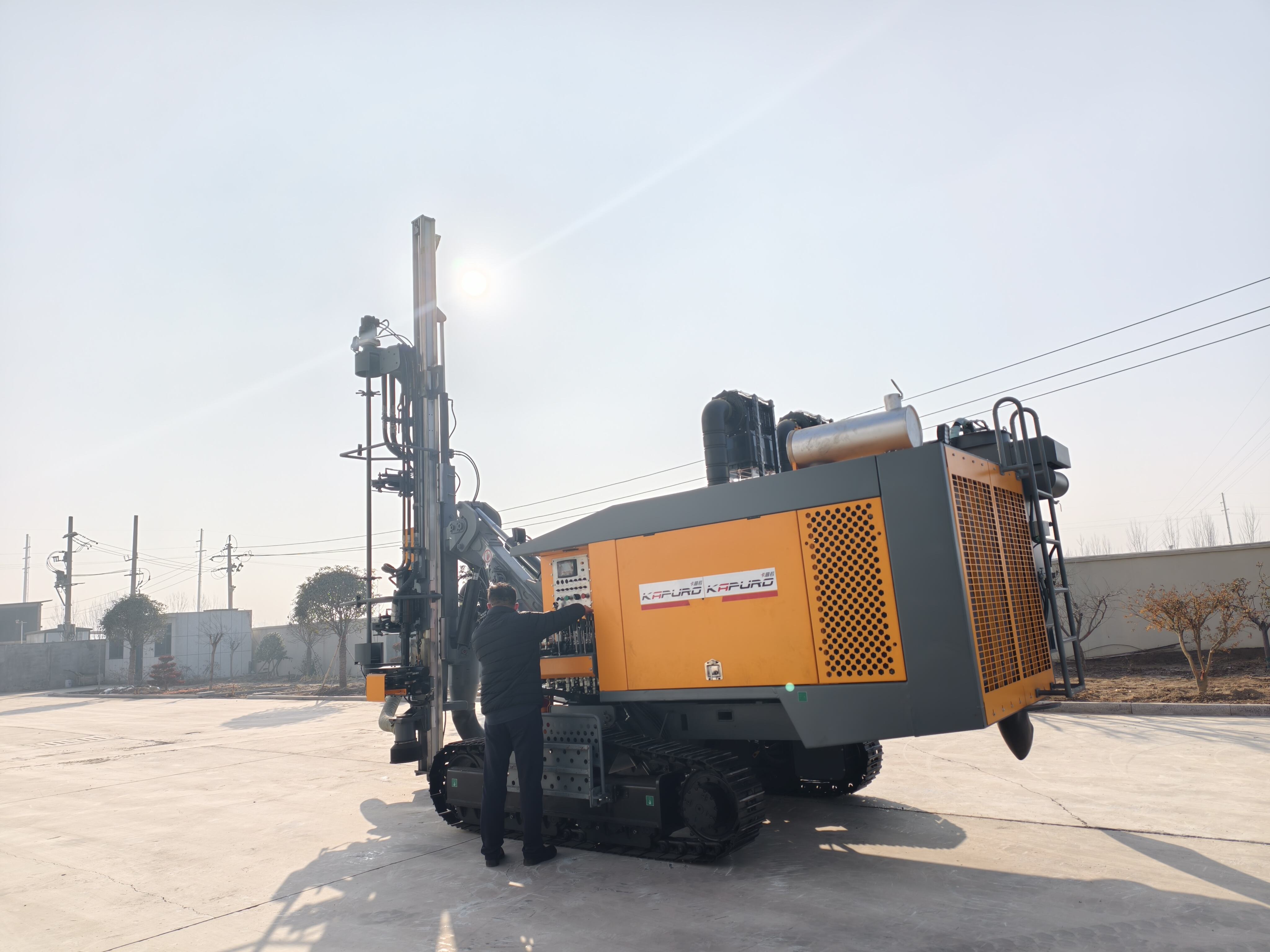
crawler mounted drill rig
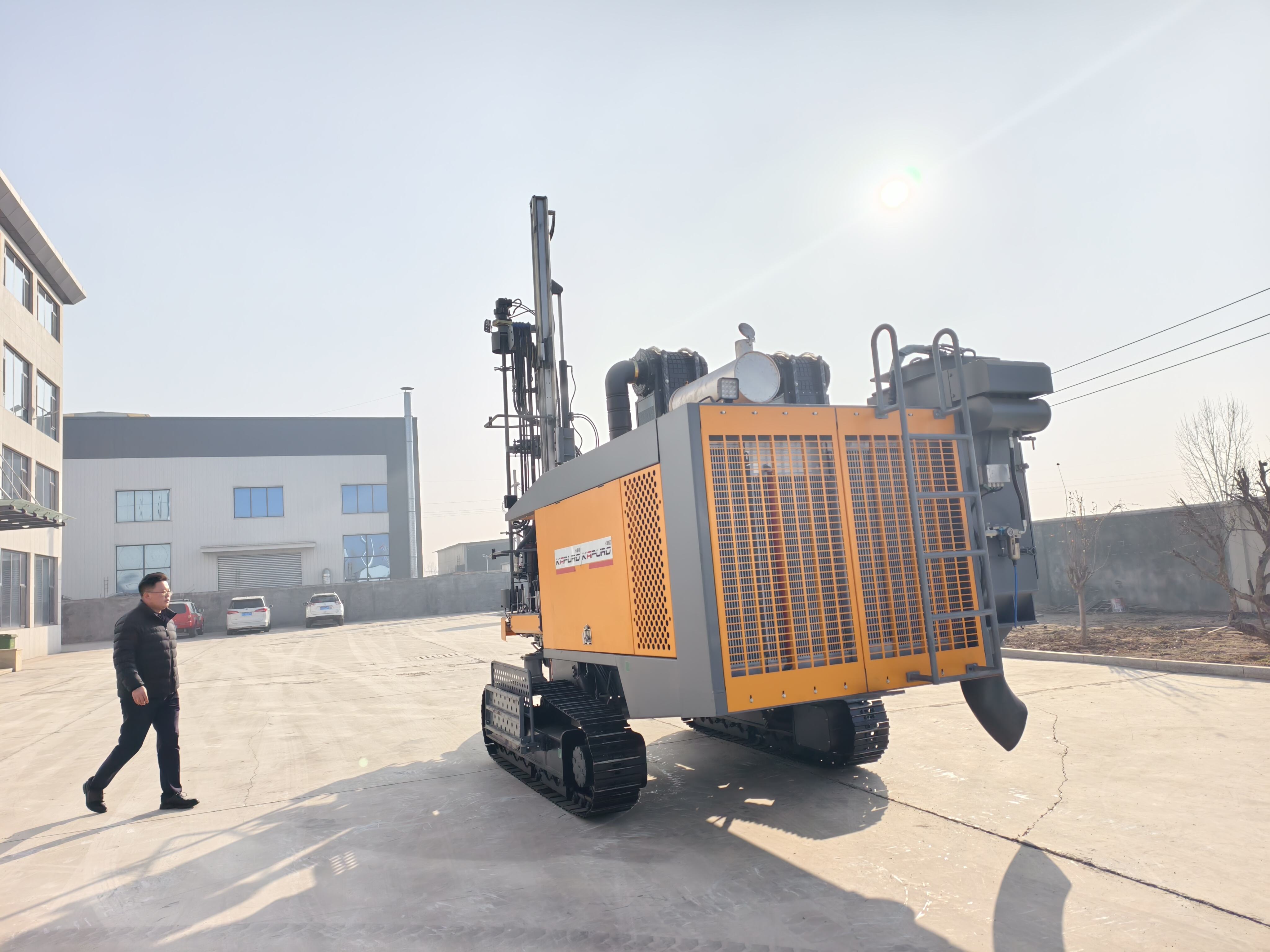
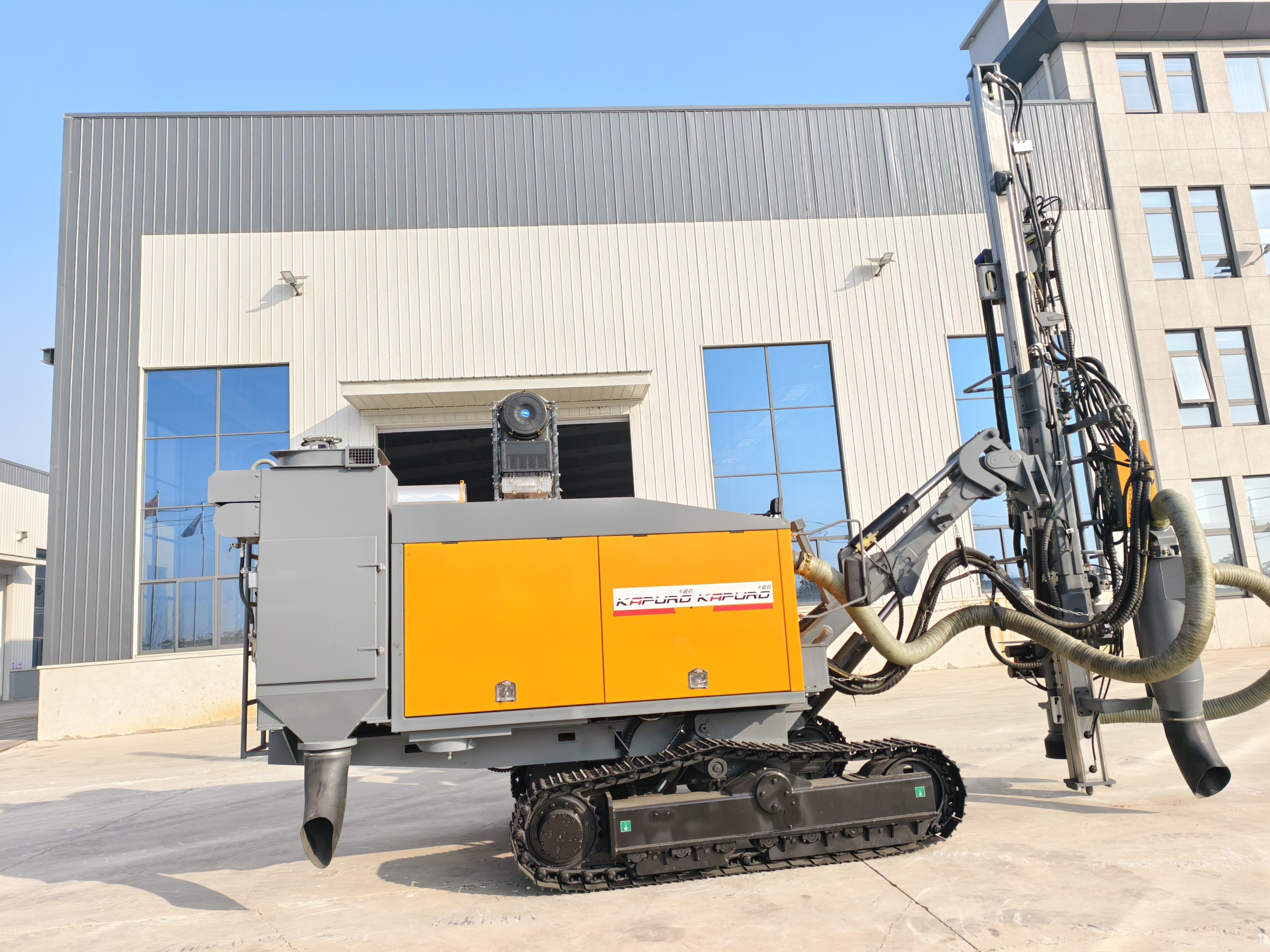
A crawler mounted drill rig represents a sophisticated piece of drilling equipment designed to perform various drilling operations across challenging terrains and diverse geological conditions. This powerful machinery combines a robust drilling system with a crawler-type undercarriage, providing exceptional mobility and stability during operation. The crawler mounted drill rig serves as an essential tool in multiple industries, including mining exploration, geotechnical investigation, water well drilling, and construction foundation work. The primary function of this equipment involves creating boreholes in the earth's surface for various purposes such as mineral sampling, soil testing, groundwater extraction, and anchoring installations. The technological architecture of a crawler mounted drill rig incorporates several advanced systems working in harmony. The crawler tracks distribute the machine's weight evenly across the ground surface, enabling operation on soft soil, steep slopes, and uneven terrain where wheeled vehicles would struggle. The drilling mechanism typically features hydraulic systems that provide precise control over drilling parameters including penetration rate, rotation speed, and downhole pressure. Modern crawler mounted drill rigs often integrate computerized control panels that allow operators to monitor real-time drilling data, adjust operational parameters instantly, and maintain optimal drilling efficiency. The versatility of these rigs enables them to accommodate various drilling methods such as rotary drilling, percussion drilling, diamond core drilling, and reverse circulation drilling, depending on project requirements. Applications span from shallow geotechnical investigations at depths of several meters to deep exploration drilling reaching hundreds of meters below the surface. The compact design of many crawler mounted drill rigs allows them to access confined spaces and remote locations that larger drilling equipment cannot reach. Environmental considerations have influenced modern designs, with manufacturers incorporating features that minimize ground disturbance, reduce noise emissions, and improve fuel efficiency. The integration of safety systems including emergency shutdown mechanisms, operator protection structures, and stability monitoring ensures secure operation in demanding conditions.

 EN
EN