Leading Locomotive Companies: Advanced Rail Solutions and Manufacturing Excellence

All Categories

locomotive companies

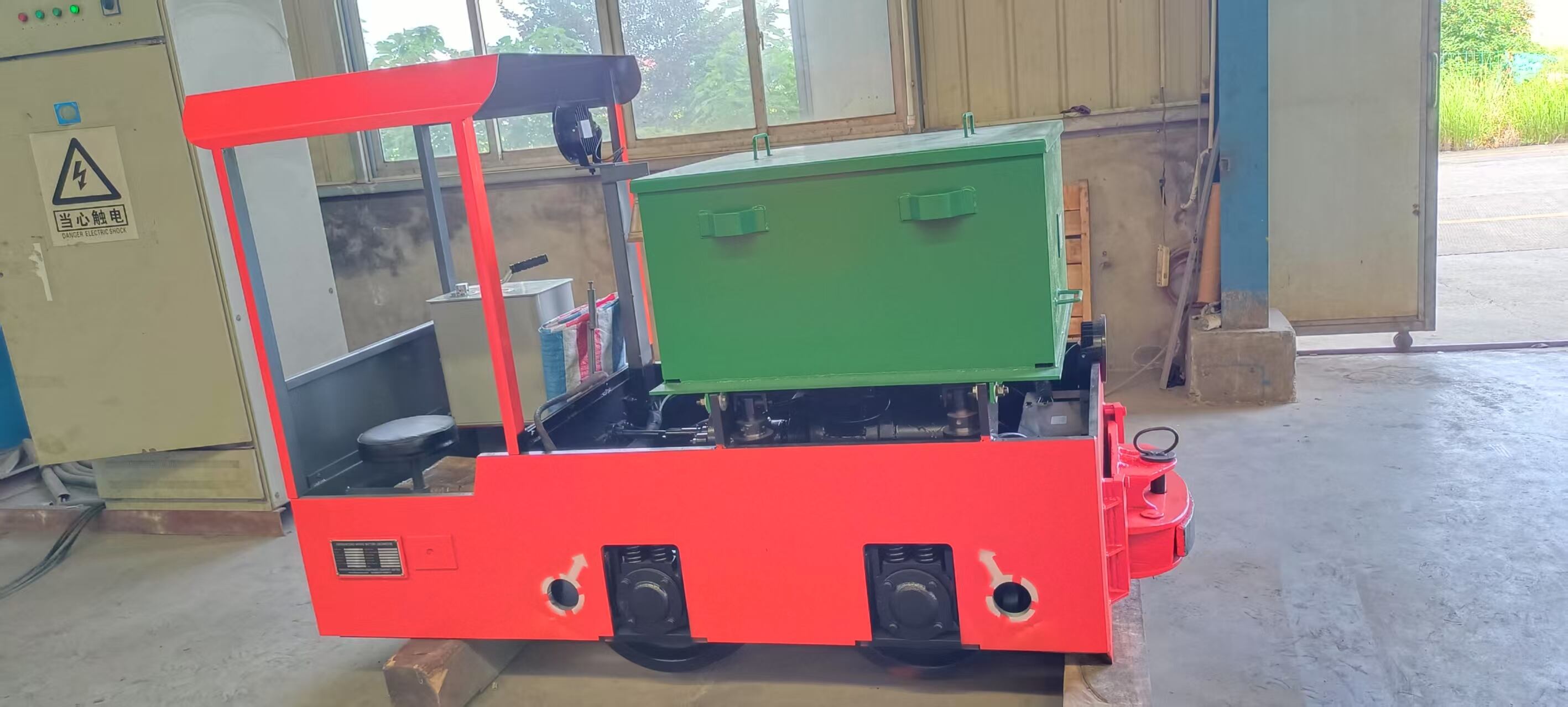
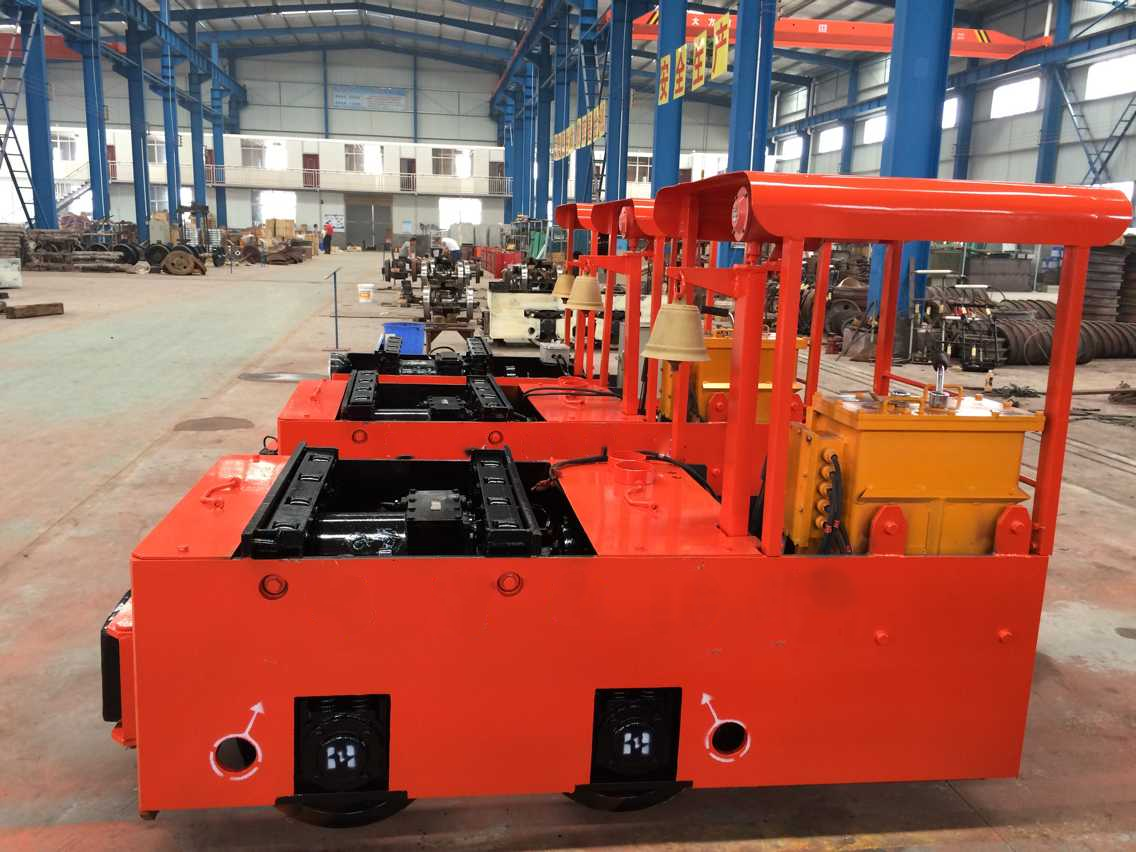
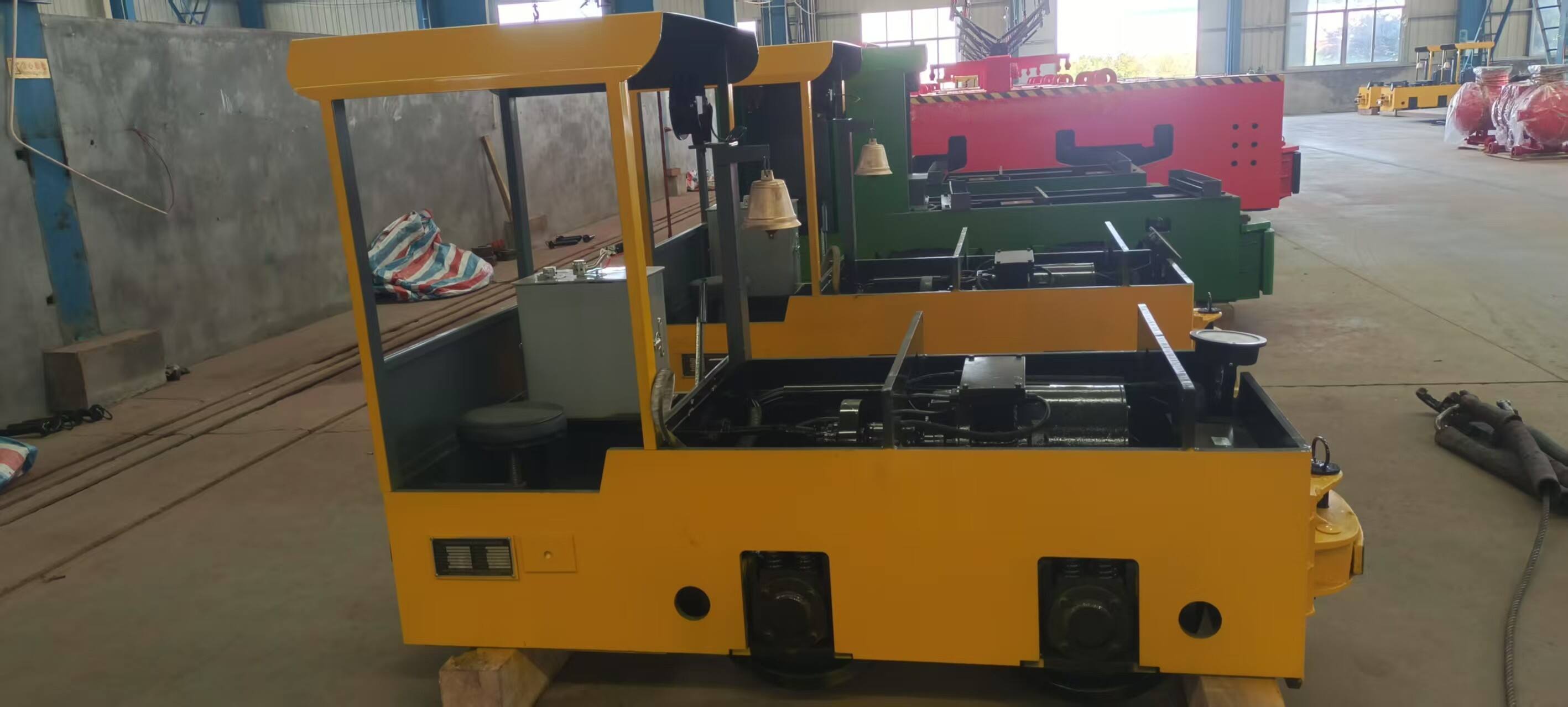
Locomotive companies stand at the forefront of modern rail transportation, delivering sophisticated engineering solutions that power freight and passenger services worldwide. These specialized manufacturers design, produce, and maintain railway locomotives that serve as the backbone of efficient cargo movement and public transit systems. The primary function of locomotive companies revolves around creating powerful engines capable of hauling substantial loads across vast distances while maintaining reliability and fuel efficiency. Their technological prowess encompasses electric, diesel-electric, and hybrid propulsion systems, each tailored to specific operational requirements and environmental conditions. Advanced computerized control systems enable precise speed regulation, traction management, and energy consumption optimization. Modern locomotive companies integrate cutting-edge safety mechanisms including automatic braking systems, collision avoidance technology, and real-time diagnostic monitoring. These organizations employ teams of mechanical engineers, electrical specialists, and software developers who collaborate to push the boundaries of rail technology. The applications of their products span diverse sectors including mining operations, intermodal freight transport, commuter rail networks, high-speed passenger services, and industrial switching operations. Locomotive companies also provide comprehensive aftermarket support encompassing maintenance programs, spare parts distribution, operator training, and performance upgrades. Their manufacturing facilities utilize precision machining, robotic welding, and stringent quality control protocols to ensure each unit meets rigorous safety standards and operational specifications. Environmental sustainability has become a central focus, with locomotive companies investing heavily in emissions reduction technologies, regenerative braking systems, and alternative fuel capabilities. The global reach of these manufacturers extends across continents, with production facilities, service centers, and research laboratories strategically positioned to serve regional markets. Customization capabilities allow locomotive companies to adapt their designs for different track gauges, climate conditions, and regulatory frameworks, ensuring compatibility with existing railway infrastructure while delivering optimal performance characteristics that meet customer expectations.


Popular Products

Choosing established locomotive companies delivers tangible benefits that directly impact your operational efficiency and bottom line. First and foremost, these manufacturers bring decades of specialized experience in rail engineering, translating into products that perform reliably under demanding conditions. You gain access to proven designs that have logged millions of operational hours across diverse environments, reducing the risk of unexpected failures that can disrupt your schedules and revenue streams. The purchasing power and supply chain relationships that locomotive companies maintain result in cost-effective component sourcing, which translates to competitive pricing without compromising quality standards. Their extensive service networks mean that technical support, maintenance expertise, and replacement parts remain readily available wherever your operations take you, minimizing downtime and keeping your fleet moving. Locomotive companies invest substantially in research and development, ensuring that you benefit from continuous technological improvements including better fuel economy, enhanced pulling capacity, and reduced maintenance requirements. This innovation pipeline keeps your equipment competitive and helps you meet evolving environmental regulations without costly retrofits. The training programs offered by these manufacturers equip your operators and maintenance crews with specialized knowledge specific to your equipment, improving safety outcomes and extending asset lifespan through proper handling and preventive care. Financial flexibility represents another significant advantage, as locomotive companies typically offer various acquisition options including outright purchase, leasing arrangements, and performance-based contracts that align with your budgetary constraints and cash flow preferences. Their engineering teams collaborate with customers to develop customized solutions addressing unique operational challenges, whether that involves specialized gearing for mountainous terrain, enhanced traction for heavy haul applications, or climate-specific modifications. Quality assurance processes implemented by locomotive companies ensure that every unit leaving their facilities meets stringent safety and performance benchmarks, protecting your investment and reducing liability exposure. The resale value of equipment from reputable locomotive companies remains stronger compared to lesser-known brands, preserving your asset value over time. Their established relationships with regulatory agencies streamline certification processes, accelerating deployment timelines and reducing administrative burdens. Environmental stewardship initiatives pursued by leading locomotive companies help your organization meet sustainability goals while potentially qualifying for green transportation incentives and improving your corporate reputation among environmentally conscious stakeholders.

Tips And Tricks

How Do Underground Mining Dump Trucks Handle Extreme Tunnel Conditions?

17

Nov

How Do Underground Mining Dump Trucks Handle Extreme Tunnel Conditions?

Underground mining operations present some of the most challenging working environments in industrial machinery, where specialized equipment must perform reliably under extreme conditions. Underground mining dump trucks represent a critical component...
View More
Why Is Automation Becoming Key in Underground Mining Dump Truck Design?

17

Nov

Why Is Automation Becoming Key in Underground Mining Dump Truck Design?

The mining industry is experiencing a revolutionary transformation as automation technologies reshape how operations are conducted beneath the earth's surface. Modern underground mining dump truck systems are at the forefront of this technological ev...
View More
What Should Mining Companies Consider When Selecting an Underground LHD Loader?

11

Dec

What Should Mining Companies Consider When Selecting an Underground LHD Loader?

Underground mining operations require specialized equipment that can withstand harsh conditions while maintaining optimal performance and safety standards. The selection of an underground LHD loader represents one of the most critical decisions minin...
View More
Cable vs. Battery: Comparing Power Sources for Electric LHDs Underground

18

Mar

Cable vs. Battery: Comparing Power Sources for Electric LHDs Underground

The power source selection for electric LHDs represents one of the most critical decisions facing underground mining operations today. As mines push deeper and operational demands intensify, the choice between cable-fed and battery-powered electric L...
View More

Get a Free Quote

Our representative will contact you soon.
Email
Name
Company Name
Message
0/1000

locomotive companies

Advanced Propulsion Technology and Energy Efficiency

Advanced Propulsion Technology and Energy Efficiency

Leading locomotive companies have revolutionized rail transportation through sophisticated propulsion systems that dramatically improve energy efficiency while delivering superior performance characteristics. Modern diesel-electric locomotives manufactured by these companies employ advanced engine management systems that optimize fuel combustion across varying load conditions, reducing consumption by up to thirty percent compared to older generation equipment. The integration of AC traction motors provides precise torque control and eliminates the wheel slip issues that plagued earlier DC motor designs, enabling operators to fully utilize available horsepower even on challenging grades and in adverse weather conditions. Locomotive companies have pioneered regenerative braking technology that converts kinetic energy back into electrical power during deceleration, either returning it to overhead catenary systems or storing it in onboard battery arrays for later use. This innovation substantially reduces brake wear while recovering energy that would otherwise dissipate as heat, contributing to lower operating costs and reduced environmental impact. The microprocessor-based control systems developed by locomotive companies continuously monitor hundreds of parameters including engine temperature, turbocharger pressure, alternator output, and wheel speed, making instantaneous adjustments that maximize efficiency while protecting critical components from damage. These intelligent systems also enable advanced operational modes such as distributed power configurations where multiple locomotives communicate wirelessly to coordinate their efforts, allowing a single operator to control units positioned throughout an extended train consist. Locomotive companies have invested heavily in alternative propulsion research, developing hydrogen fuel cell prototypes, battery-electric shunting locomotives, and dual-mode units capable of switching between diesel and electric power sources depending on infrastructure availability. These forward-thinking initiatives position their customers to adapt as the industry transitions toward zero-emission operations. The modular architecture employed by modern locomotive companies facilitates future upgrades, allowing operators to retrofit existing units with improved propulsion components as technology advances, protecting initial capital investments while maintaining competitive performance levels throughout the equipment lifecycle.
Comprehensive Lifecycle Support and Maintenance Solutions

Comprehensive Lifecycle Support and Maintenance Solutions

Distinguished locomotive companies understand that delivering quality equipment represents only the beginning of a successful customer relationship, which explains their commitment to comprehensive lifecycle support programs that maximize asset availability and return on investment. These manufacturers establish global service networks staffed by factory-trained technicians who possess intimate knowledge of every system and component within their locomotive designs, ensuring that repairs and maintenance procedures follow best practices that preserve warranty coverage and equipment integrity. Locomotive companies maintain extensive parts inventories strategically distributed across multiple facilities, guaranteeing rapid fulfillment of orders for both routine consumables and critical components, which minimizes the duration of unplanned outages that can severely impact operational schedules and customer commitments. Their predictive maintenance platforms leverage telematics systems installed on locomotives to continuously transmit operational data to centralized monitoring centers where specialized algorithms analyze performance trends and identify developing issues before they result in failures, enabling proactive intervention that prevents costly breakdowns and extends component lifespan. The condition-based maintenance protocols developed by locomotive companies move beyond fixed-interval servicing, instead scheduling interventions based on actual equipment condition and usage patterns, optimizing maintenance budgets by performing work only when truly necessary while avoiding premature component replacement. Technical publications produced by these manufacturers provide detailed troubleshooting guidance, illustrated parts catalogs, and step-by-step repair procedures that empower customer maintenance departments to handle routine tasks independently while knowing when to escalate complex issues to factory specialists. Locomotive companies offer customizable maintenance contracts ranging from basic parts supply agreements to comprehensive managed services where the manufacturer assumes full responsibility for fleet availability, allowing customers to focus on core transportation operations while benefiting from guaranteed uptime levels. Their continuous improvement programs incorporate field experience and customer feedback into design refinements and service procedure updates, ensuring that lessons learned from millions of operational hours benefit the entire customer base through enhanced reliability and reduced maintenance burden as equipment matures in service.
Customization Capabilities and Application-Specific Engineering

Customization Capabilities and Application-Specific Engineering

Premier locomotive companies distinguish themselves through exceptional customization capabilities that allow them to engineer solutions precisely matched to unique operational requirements rather than forcing customers to adapt their operations around standardized products. Their applications engineering teams collaborate closely with prospective customers during the specification development phase, conducting detailed analyses of route characteristics including grades, curves, altitude variations, and climate conditions to determine optimal power ratings, gear ratios, and equipment configurations. Locomotive companies maintain flexible manufacturing processes that accommodate modifications to standard designs without incurring prohibitive costs or extended delivery timelines, enabling customers to specify features such as enhanced dynamic braking capacity for mountainous territories, reinforced undercarriages for harsh mining environments, or specialized couplers compatible with existing rolling stock. The depth of engineering expertise concentrated within these organizations enables them to address complex technical challenges including clearance restrictions on legacy infrastructure, axle load limitations on branch lines, and integration requirements with proprietary control systems deployed across customer networks. Locomotive companies have developed extensive option catalogs covering cab configurations, fuel tank capacities, auxiliary power systems, communication equipment, and safety features, allowing customers to select combinations that align perfectly with their operational philosophy and regulatory obligations. Their prototype development capabilities permit validation of novel concepts before committing to production quantities, reducing risk when pioneering new service models or entering unfamiliar markets with uncertain equipment requirements. The global perspective maintained by major locomotive companies provides access to design solutions proven effective in analogous applications worldwide, accelerating development timelines and avoiding costly trial-and-error approaches when addressing uncommon challenges. Modular component architecture employed in modern designs facilitates mid-life upgrades and capability enhancements as customer needs evolve, protecting long-term asset value while maintaining technological relevance throughout multi-decade service lives typical of locomotive investments. Locomotive companies also provide comprehensive commissioning support including on-site technical assistance during initial deployment, operator familiarization training, and performance validation testing to ensure that customized equipment delivers anticipated results from the first revenue service, establishing a foundation for successful long-term operation and customer satisfaction.

Get a Free Quote

Our representative will contact you soon.
Email
Name
Company Name
Message
0/1000