
 EN
EN
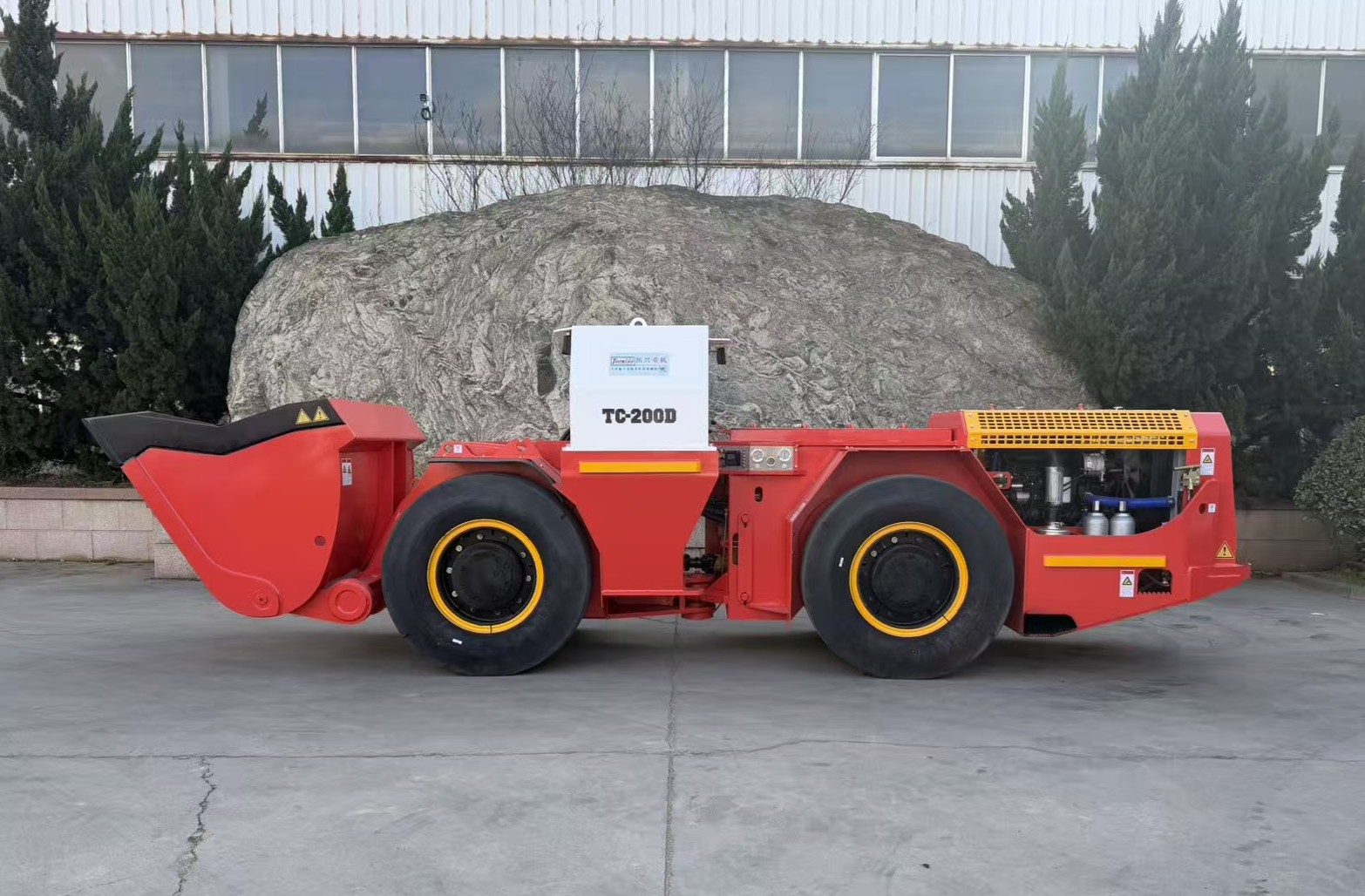
Underground mining operations demand precise vehicle control in confined spaces where steering cylinder performance directly impacts safety and productivity. The steering cylinder serves as the critical hydraulic component converting fluid pressure into mechanical force that turns the wheels of underground trucks through narrow tunnels and sharp corners. When operators navigate tight turns repeatedly throughout each shift, the steering cylinder experiences extreme lateral loads, pressure spikes, and continuous flexing that accelerates component wear compared to surface applications.
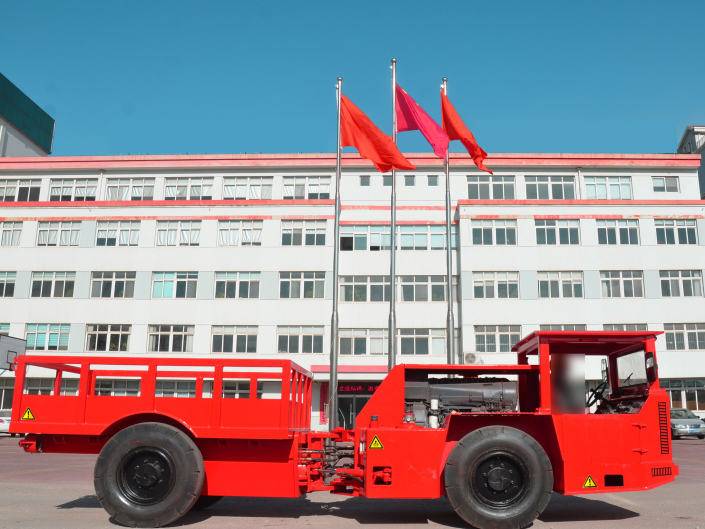
The inspection frequency for a steering cylinder on underground trucks operating in tight-turn environments should align with both operational intensity and manufacturer specifications, typically requiring daily visual checks before each shift and comprehensive inspections every 250 operating hours or monthly, whichever comes first. This elevated inspection cadence reflects the harsh underground conditions where confined turning radii, abrasive dust, temperature fluctuations, and continuous hydraulic pressure cycling create an environment that degrades steering cylinder seals, rod coatings, and mounting hardware faster than standard mobile equipment experiences on open surfaces.
Understanding Steering Cylinder Stress in Underground Turning Operations
Mechanical Loading Patterns During Tight Turns
The steering cylinder on underground trucks endures asymmetric loading during tight turns that differs fundamentally from gradual directional changes on surface roads. When an operator executes a sharp turn in a narrow drift or crosscut, the steering cylinder must generate maximum hydraulic force while simultaneously resisting side loads transmitted through the steering linkage as the truck pivots around its steering axis. This combined axial and lateral stress concentrates wear at the steering cylinder rod seal, piston seal interface, and mounting pivot points where metal-to-metal contact occurs under pressure.
The steering cylinder rod extends and retracts through its full stroke range dozens of times per shift in underground operations with frequent turns, exposing the polished chrome rod surface to abrasive silica dust and moisture that create microscopic scratches. These surface imperfections compromise the rod seal's ability to contain hydraulic fluid, leading to external leakage that reduces steering cylinder efficiency and contaminates the underground environment. Inspection protocols must detect early-stage rod scoring before seal damage progresses to complete steering cylinder failure that immobilizes the truck in a confined tunnel where extraction becomes costly and time-consuming.
Hydraulic Pressure Fluctuations and Seal Integrity
Each tight turn event subjects the steering cylinder to rapid pressure transitions as the hydraulic pump delivers fluid to extend or retract the cylinder while the operator modulates the steering wheel. Underground truck hydraulic systems typically operate at pressures between 2500 and 3500 psi, with pressure spikes reaching 4000 psi during aggressive steering maneuvers when the wheels encounter uneven rock surfaces or debris accumulation. The steering cylinder seals must maintain their elastomeric properties and sealing geometry despite these pressure cycles that generate heat within the confined cylinder bore.
The steering cylinder piston seal and rod seal materials gradually harden and lose flexibility when exposed to elevated temperatures, hydraulic fluid degradation products, and pressure-induced deformation cycles. Regular steering cylinder inspection identifies seal extrusion, compression set, and surface cracking before complete seal failure allows internal bypass that reduces steering response and creates erratic truck handling. The inspection interval must account for the cumulative effect of thousands of pressure cycles that occur weekly in underground operations where steering cylinder duty cycles far exceed surface equipment usage patterns.
Establishing Inspection Frequency Based on Operational Factors
Shift-Based Visual Inspection Requirements
Daily pre-shift inspection of the steering cylinder should include visual examination of the exposed rod surface for scratches, pitting, or chrome plating damage that indicates seal contact with compromised rod material. Operators must check for hydraulic fluid weeping at the rod seal gland, which appears as wet spots or fluid accumulation on the steering cylinder body near where the rod enters the cylinder barrel. Even minor steering cylinder leakage detected during pre-shift checks warrants immediate attention because underground conditions accelerate seal degradation once the initial seal lip damage occurs.
The steering cylinder mounting hardware requires daily verification that pivot pins, spherical bearings, and attachment bolts remain tight and show no evidence of wallowing in their mounting holes. Loose steering cylinder mounts allow excessive angular deflection during turns that bends the cylinder rod and creates side loading that the steering cylinder was not designed to withstand. Visual inspection takes less than three minutes per truck but prevents steering cylinder failures that could strand equipment underground where repair access is limited and production losses accumulate rapidly during downtime.
Comprehensive Periodic Steering Cylinder Assessment
Monthly or 250-hour steering cylinder inspections should include measurement of rod straightness using a dial indicator to detect bending that occurs from impact loads or misaligned mounting geometry. The steering cylinder rod should show less than 0.010 inches of runout across its full stroke length when rotated through 360 degrees while extended from the cylinder barrel. Rod bend indicates that the steering cylinder has experienced side loading that will accelerate seal wear and eventually cause binding during extension and retraction cycles.
Hydraulic pressure testing during the comprehensive steering cylinder inspection verifies that internal seals maintain proper separation between cylinder chambers and prevent fluid bypass that reduces steering force. A technician connects pressure gauges to the steering cylinder ports and cycles the steering wheel through full lock-to-lock turns while monitoring whether pressure builds equally in both cylinder chambers without decay when the steering wheel is held stationary. Steering cylinder internal leakage appears as pressure drop in the extending chamber or inability to maintain maximum system pressure during loaded turns, indicating piston seal wear that requires cylinder disassembly and seal replacement.
Condition-Based Inspection Triggers
Beyond scheduled intervals, certain operational symptoms require immediate steering cylinder inspection regardless of hours since the last service. Increased steering wheel effort to execute turns signals either declining steering cylinder efficiency from internal leakage or elevated friction from rod seal damage and contamination ingestion. Erratic steering response where the truck continues turning after the operator centers the steering wheel indicates steering cylinder internal bypass that allows fluid to transfer between chambers without proper valve control.
Visible steering cylinder rod score marks discovered during operation warrant immediate shutdown and inspection because continued operation with damaged rod chrome plating rapidly destroys the rod seal and allows massive hydraulic fluid loss. Underground trucks operating in exceptionally dusty conditions or areas with water infiltration require more frequent steering cylinder inspection because these environmental factors accelerate seal wear and rod surface degradation compared to dry, clean underground workings where airborne contamination remains minimal.
Inspection Procedures and Failure Prevention Strategies
Steering Cylinder Component Examination Methodology
Effective steering cylinder inspection begins with cleaning the exposed rod surface and cylinder body to remove accumulated dust and grime that obscures damage indicators. Technicians should wipe the steering cylinder rod with a clean, lint-free cloth dampened with hydraulic fluid to remove abrasive particles, then examine the chrome plating under adequate lighting for any scratches, pitting, or dull spots that indicate wear through the hard chrome layer to the base metal. The steering cylinder rod seal gland area requires particular attention for signs of fluid seepage, dust accumulation stuck to leaked fluid, or discoloration that suggests elevated operating temperatures.
Steering cylinder mounting point inspection involves checking that spherical bearings or pivot bushings show no radial play that would allow the cylinder to shift position during steering cycles. A technician should attempt to move the steering cylinder laterally at each mounting point while another person observes for any gap opening or movement at the bearing interface. Worn steering cylinder mounts create alignment problems that bend the rod and induce side loads that the cylinder seals cannot accommodate, leading to premature steering cylinder failure even when the hydraulic components remain in good condition.
Predictive Maintenance Through Steering Cylinder Monitoring
Advanced underground operations implement steering cylinder condition monitoring through hydraulic system pressure sensors and cycle counters that track actual steering cylinder usage rather than relying solely on hourly intervals. These monitoring systems record peak pressure events, cycle counts, and temperature excursions that indicate when a specific steering cylinder has accumulated sufficient stress cycles to warrant detailed inspection regardless of calendar time elapsed. Data-driven steering cylinder maintenance scheduling optimizes inspection intervals by focusing resources on trucks with the highest steering cylinder duty cycles while extending service intervals on units with lighter usage patterns.
Thermal imaging during operation provides non-invasive steering cylinder assessment by identifying temperature differentials that indicate internal friction, fluid turbulence from seal damage, or excessive pressure drop across worn seals. A steering cylinder operating with damaged seals shows elevated temperature in the rod seal gland area due to fluid turbulence and friction as hydraulic fluid bypasses the seal lip. Regular thermal surveys of steering cylinder assemblies during operation create baseline temperature profiles that highlight abnormal conditions requiring detailed inspection before complete steering cylinder failure occurs.
Seal Replacement Intervals and Preventive Overhaul
Most steering cylinder manufacturers specify seal replacement intervals between 2000 and 3000 operating hours for underground applications, with actual service life varying based on contamination control, hydraulic fluid condition, and operational severity. Preventive steering cylinder seal replacement at these intervals prevents unexpected failures and allows scheduled maintenance during planned downtime rather than emergency repairs during production shifts. The steering cylinder overhaul process includes measuring bore diameter, piston diameter, and rod diameter to verify that wear remains within tolerance and the cylinder can be returned to service with new seals rather than requiring component replacement.
Underground operations maintaining multiple trucks benefit from establishing a rotating steering cylinder overhaul schedule where a percentage of the fleet undergoes preventive cylinder rebuild each month based on accumulated hours and cycle counts. This approach ensures that steering cylinder condition remains consistent across the fleet and reduces the likelihood of multiple simultaneous failures that could constrain production capacity. Rebuilt steering cylinder cores should undergo pressure testing and cycle endurance testing on a bench before reinstallation to verify that seal replacement restored full performance and no internal component damage exists that could cause early repeat failure.
FAQ
What are the first signs that a steering cylinder needs immediate inspection on an underground truck?
The earliest warning signs include visible hydraulic fluid weeping at the rod seal, increased steering wheel effort required to turn, erratic steering response after releasing the wheel, or visible scratches on the polished rod surface. Any steering cylinder rod damage or fluid leakage warrants immediate inspection because underground conditions accelerate deterioration once initial seal damage occurs, potentially leading to complete steering failure in confined spaces.
Can steering cylinder inspection intervals be extended if the underground truck operates in less dusty conditions?
While cleaner operating environments reduce contamination-related steering cylinder wear, the mechanical stress from tight turns and continuous pressure cycling remains unchanged, so inspection intervals should not be extended significantly. Daily visual checks remain essential regardless of dust levels, though comprehensive inspection intervals might extend from 250 to 300 hours in exceptionally clean, climate-controlled underground facilities with documented low contamination levels and rigorous hydraulic fluid filtration maintenance.
How does steering cylinder failure impact underground truck operation compared to surface equipment?
Steering cylinder failure in underground environments creates severe operational challenges because disabled trucks block narrow tunnels and prevent access for other equipment, halting production across multiple areas. Surface equipment with failed steering cylinders can typically be towed to maintenance facilities without blocking critical infrastructure, whereas underground steering cylinder failures require complex extraction procedures, specialized rescue equipment, and extended production downtime that makes preventive inspection and maintenance far more cost-effective than reactive repairs after failure.
Table of Contents
- Understanding Steering Cylinder Stress in Underground Turning Operations
- Establishing Inspection Frequency Based on Operational Factors
- Inspection Procedures and Failure Prevention Strategies
-
FAQ
- What are the first signs that a steering cylinder needs immediate inspection on an underground truck?
- Can steering cylinder inspection intervals be extended if the underground truck operates in less dusty conditions?
- How does steering cylinder failure impact underground truck operation compared to surface equipment?