
 EN
EN
When a mine operator asks whether an articulated underground truck can maintain traction on a 25% gradient decline, the answer depends on several intersecting engineering and operational factors. A 25% gradient is steep by any standard, translating to a roughly 14-degree slope where gravitational forces place significant stress on drivetrains, braking systems, and tire-to-surface contact. Understanding how an articulated underground truck performs under these conditions is essential for mine planning, equipment selection, and daily operational safety.
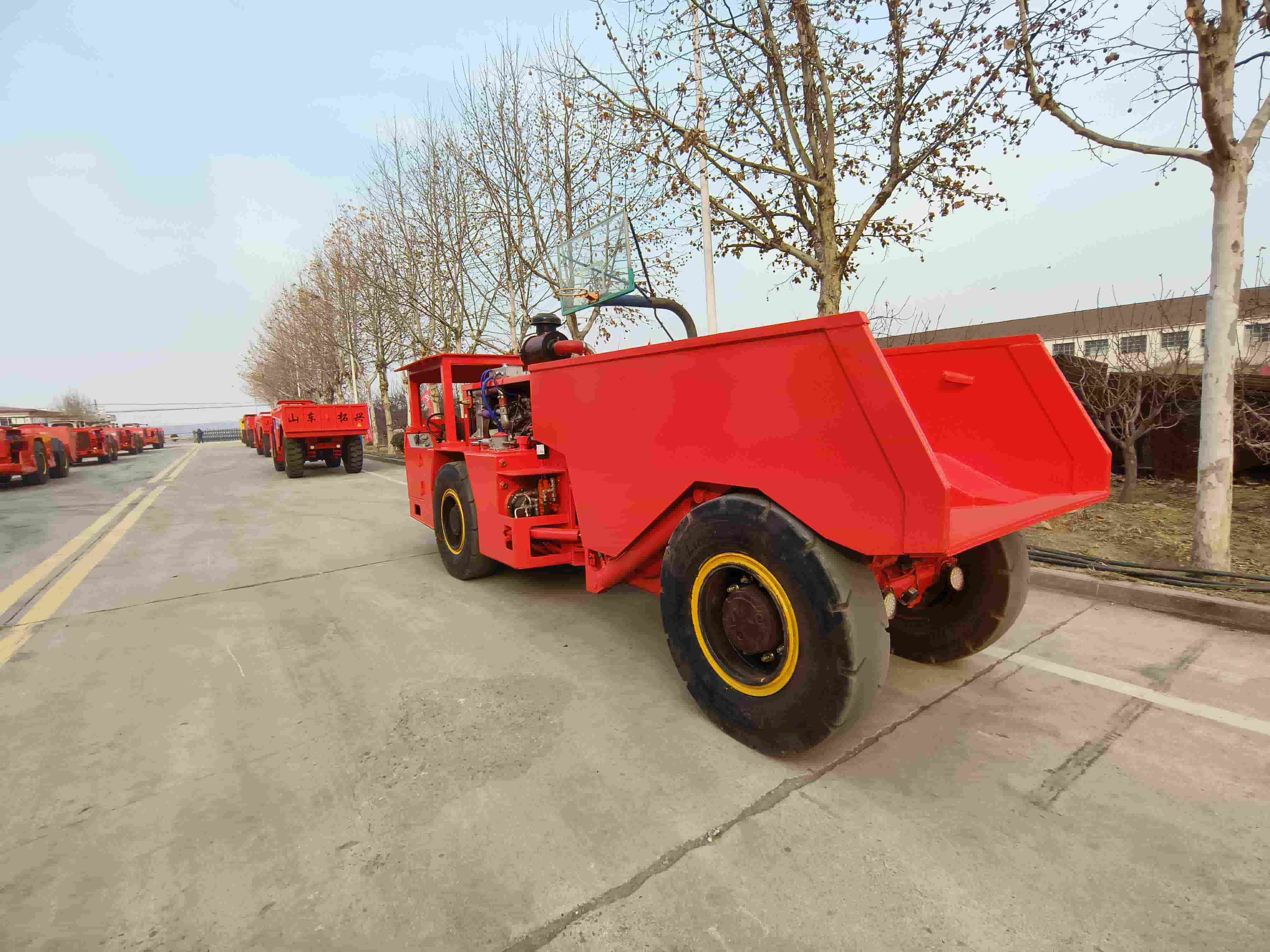
The short answer is yes — a properly engineered articulated underground truck can maintain traction on a 25% gradient decline, provided that the machine is designed for such grades, the tires are correctly specified, and operational protocols are followed. However, traction is not guaranteed by machine type alone. Every articulated underground truck model has defined gradient ratings, and operating beyond those ratings introduces serious risk. This article examines the mechanical design features, traction management systems, and operational conditions that determine whether an articulated underground truck can safely descend a 25% ramp.
Drivetrain and Axle Design for Steep Gradients
All-Wheel Drive and Differential Locking
The most critical mechanical feature that allows an articulated underground truck to maintain traction on steep declines is all-wheel drive combined with differential locking capability. When an articulated underground truck descends a 25% gradient, uneven ground pressure and surface irregularities can cause individual wheels to lose grip momentarily. A differential lock forces all driven wheels to rotate at the same speed, transferring torque away from slipping wheels and maintaining forward or controlled downhill motion. Without this feature, an articulated underground truck risks losing directional control on wet or muddy decline surfaces.
Many modern articulated underground truck designs use inter-axle and cross-axle differential locks that engage automatically or manually depending on surface conditions. The articulated underground truck benefits particularly from this because its frame-steered design naturally distributes weight across all axles more evenly than a rigid-frame vehicle. This balanced weight distribution helps each tire maintain adequate contact pressure even when the articulated underground truck navigates uneven ramp surfaces during a steep descent.
Frame Articulation and Load Stability
The articulated frame joint of an articulated underground truck plays a dual role on steep declines. It allows the front and rear sections to pivot independently, which helps the machine follow the contour of the ramp without lifting any tire off the surface. On a 25% gradient, even a slight deviation in the decline surface geometry could cause a rigid-frame truck to lose one or more tire contact points, reducing traction significantly. The articulated underground truck avoids this problem because its articulation joint continuously adjusts the relative angle between tractor and trailer sections.
Load stability on an articulated underground truck during downhill travel is also affected by how the payload shifts toward the front axle under gravity. Operators of an articulated underground truck must account for this weight redistribution, as excessive front axle loading can reduce rear traction. Proper loading practices ensure the articulated underground truck maintains balanced grip across all tires throughout a 25% gradient descent.
Braking Systems and Retardation on 25% Declines
Service Brakes and Retarder Integration
Traction control on a steep decline is inseparable from braking performance. An articulated underground truck operating on a 25% gradient must use its retardation systems continuously to prevent speed buildup. Most purpose-built articulated underground truck models are equipped with engine retarders, exhaust brakes, or hydraulic retarders that absorb kinetic energy without relying solely on friction brakes. This is important because repeated friction brake application heats the brake components and can lead to brake fade, which reduces the articulated underground truck driver's ability to control descent speed.
On a 25% decline, an articulated underground truck with an integrated retarder maintains a consistent descent speed even under full load. This controlled speed is essential for traction because it prevents the wheels from transitioning into a skid, which destroys grip immediately. An articulated underground truck relying only on service brakes for descent control on a 25% gradient faces much higher traction risk than one using combined retardation systems properly.
Anti-Lock Braking and Traction Control Electronics
Advanced articulated underground truck models incorporate electronic traction control and anti-lock braking systems. These systems monitor wheel slip in real time and modulate braking force individually to prevent any wheel from locking under load. When an articulated underground truck encounters a slippery patch on a 25% gradient, electronic traction control reallocates braking effort to wheels with better grip, keeping the articulated underground truck stable and directionally controlled. This technology effectively extends the safe operating envelope of an articulated underground truck on steep declines.
Tire Selection and Surface Conditions
Tire Specifications for High-Gradient Operations
Tire selection is one of the most underestimated factors affecting traction for an articulated underground truck on a 25% gradient. Underground mines generate significant water, mud, and fine rock dust on ramp surfaces, all of which reduce the coefficient of friction between the tire and the ground. An articulated underground truck equipped with tires specifically rated for underground mining applications will feature deep lug patterns, reinforced sidewalls, and compounds designed to maintain grip in wet, abrasive environments. Using the wrong tire specification on an articulated underground truck operating a 25% decline is a primary cause of traction failure in real mining operations.
Tire pressure management also affects how an articulated underground truck performs on steep grades. Under-inflated tires on an articulated underground truck increase the contact patch but reduce structural rigidity, sometimes allowing the tire to squirm under load and lose directional traction. Over-inflated tires on an articulated underground truck reduce the contact patch and increase sensitivity to surface irregularities. Maintaining manufacturer-specified tire pressure is therefore a direct traction management requirement for any articulated underground truck working on a 25% gradient.
Ramp Surface Preparation and Housekeeping
Even the best-engineered articulated underground truck cannot fully compensate for a poorly maintained ramp surface. Mine operators should ensure that ramps used by any articulated underground truck on a 25% gradient are regularly graded, free of large debris, and adequately drained. Water accumulation on a steep decline creates conditions where even an articulated underground truck with excellent traction technology will struggle. Consistent ramp housekeeping is a non-mechanical factor that directly supports the articulated underground truck's ability to hold traction on steep downhill sections.
FAQ
What is the maximum gradient an articulated underground truck can safely operate on?
Most articulated underground truck models are rated for gradients between 20% and 25%, though some purpose-built machines can handle up to 30% under specific conditions. Always refer to the manufacturer's gradient specification for your articulated underground truck model before assigning it to steep ramp operations.
Does payload weight affect articulated underground truck traction on steep declines?
Yes. A fully loaded articulated underground truck has more weight pressing tires into the surface, which can improve grip, but it also increases braking demand and shifts weight distribution forward. Proper load management ensures the articulated underground truck maintains balanced traction across all axles on a 25% gradient.
How does wet ramp surface affect articulated underground truck traction performance?
A wet ramp significantly reduces available friction for an articulated underground truck. Water mixed with fine mine dust can reduce the surface coefficient of friction substantially. Operators should reduce speed, engage differential locks early, and rely on retarder systems to keep the articulated underground truck under control on wet 25% gradient declines.