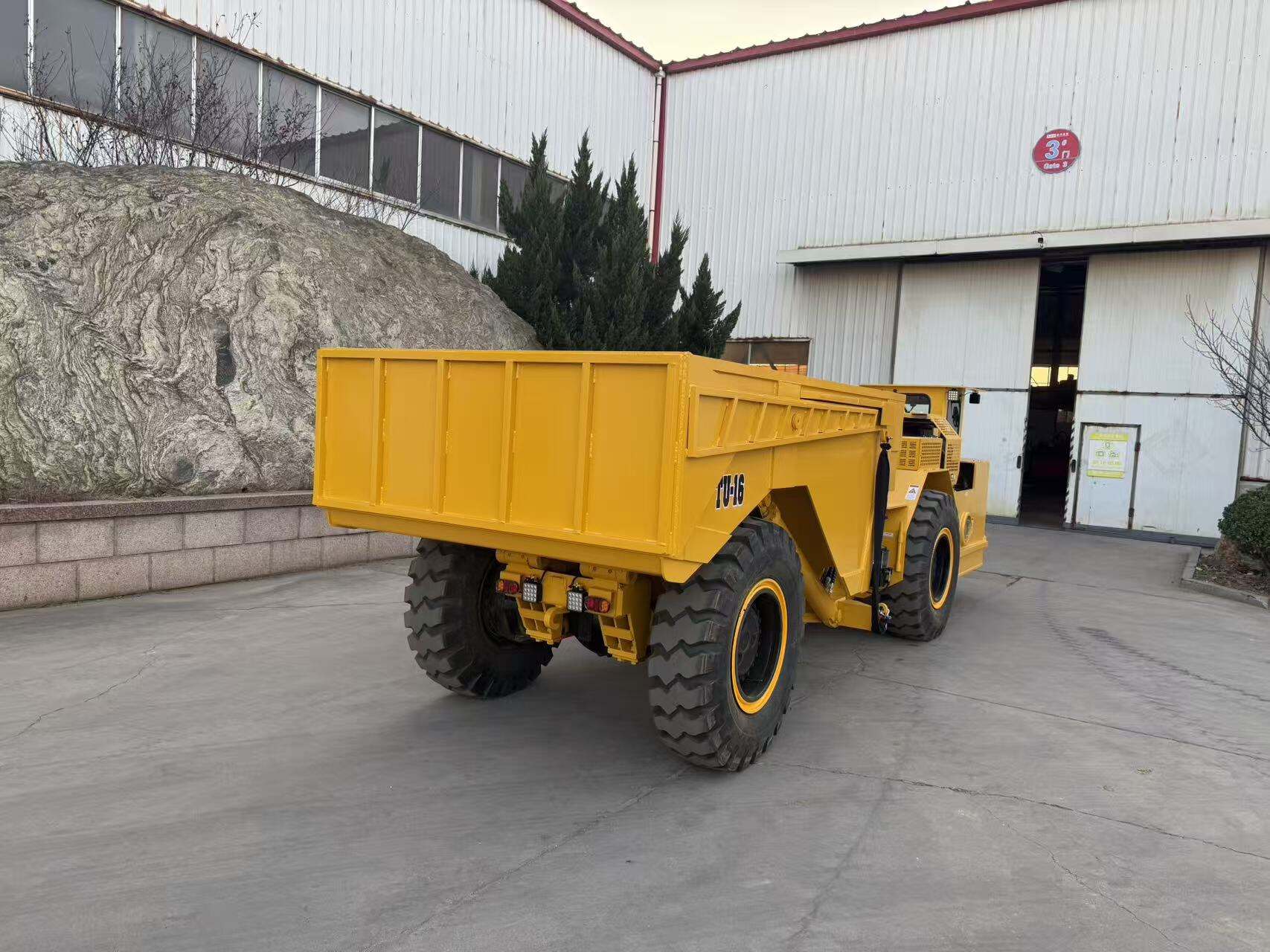
Cutting-Edge Safety Features That Protect People and Assets
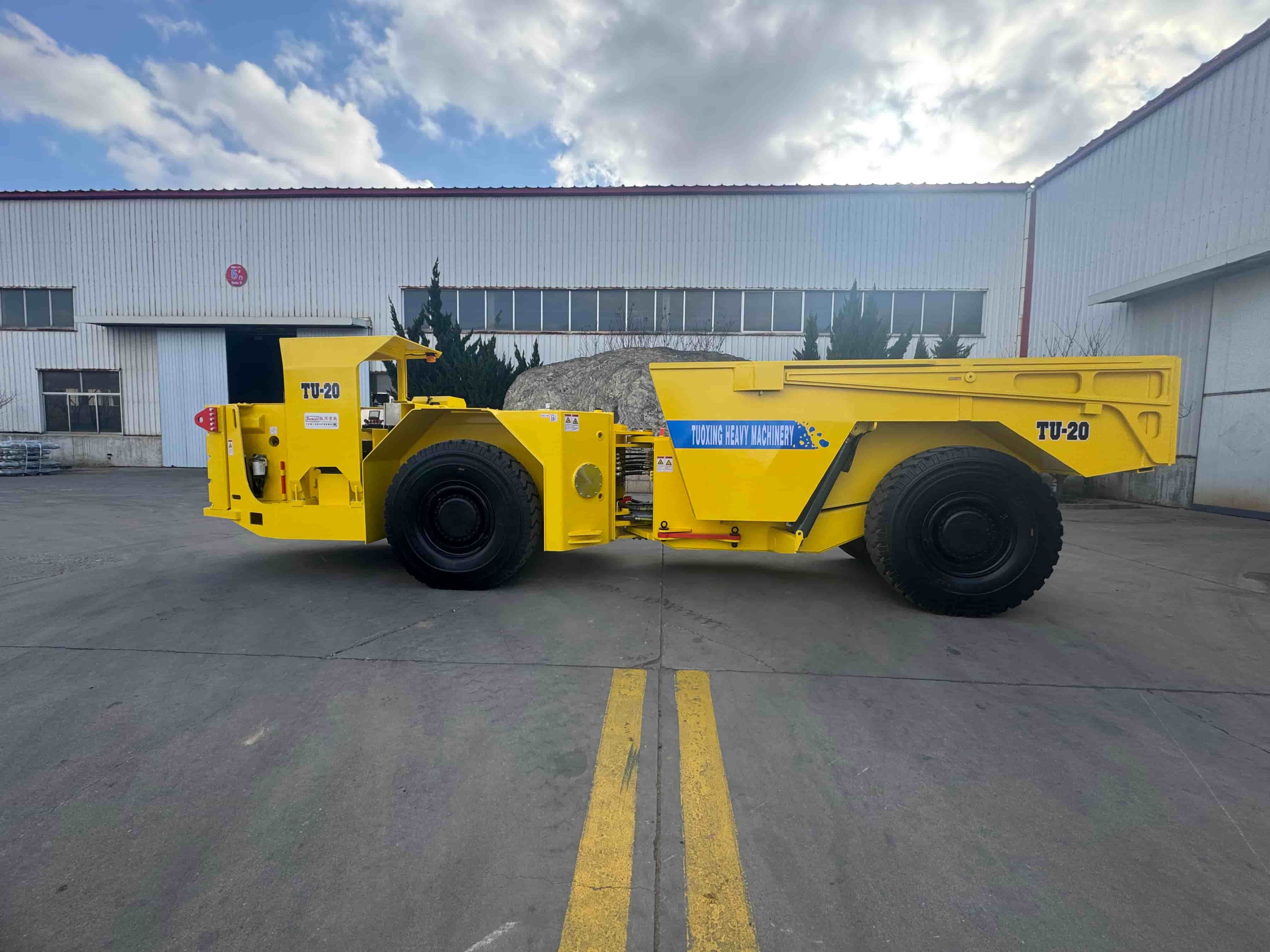
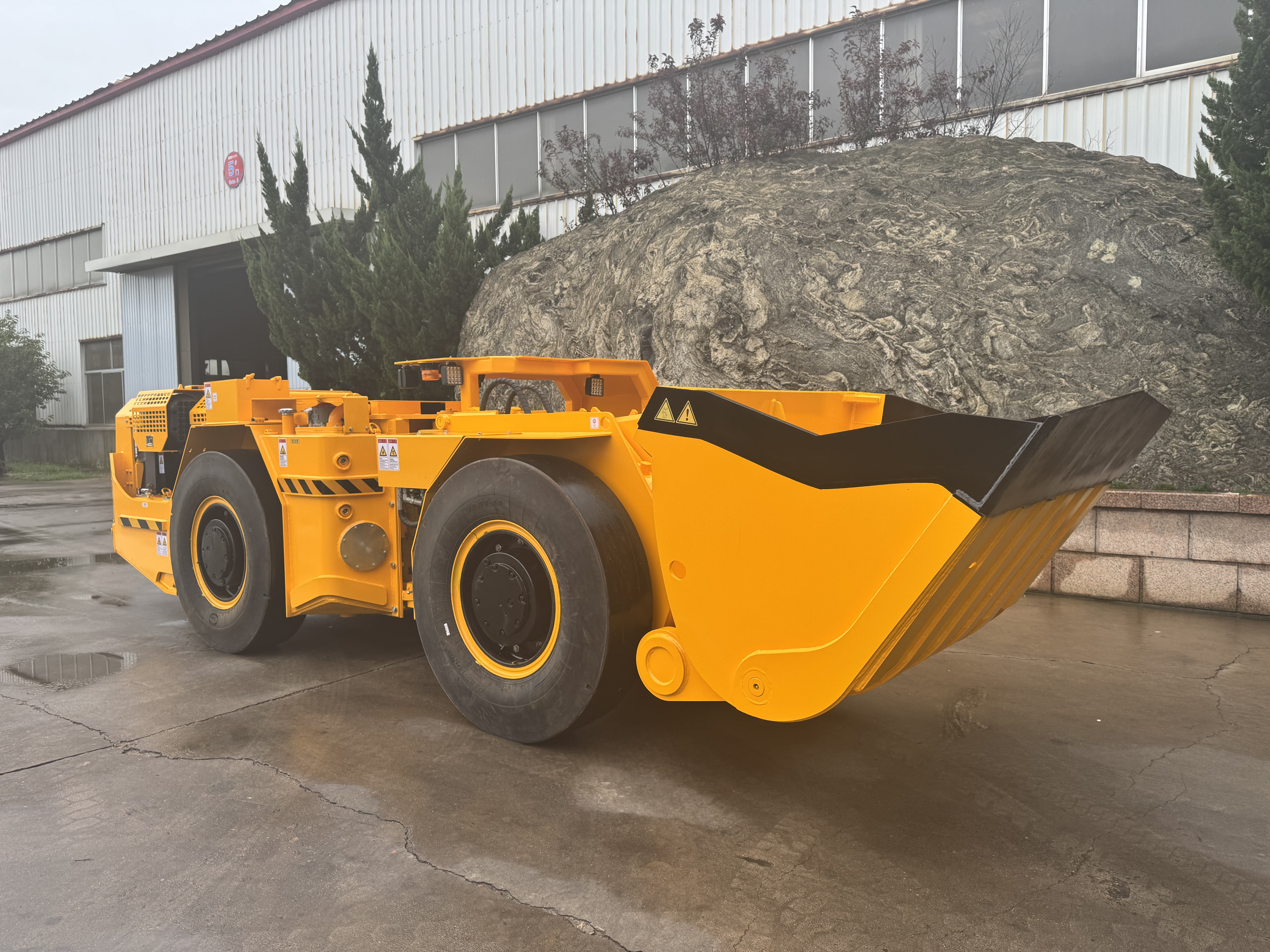
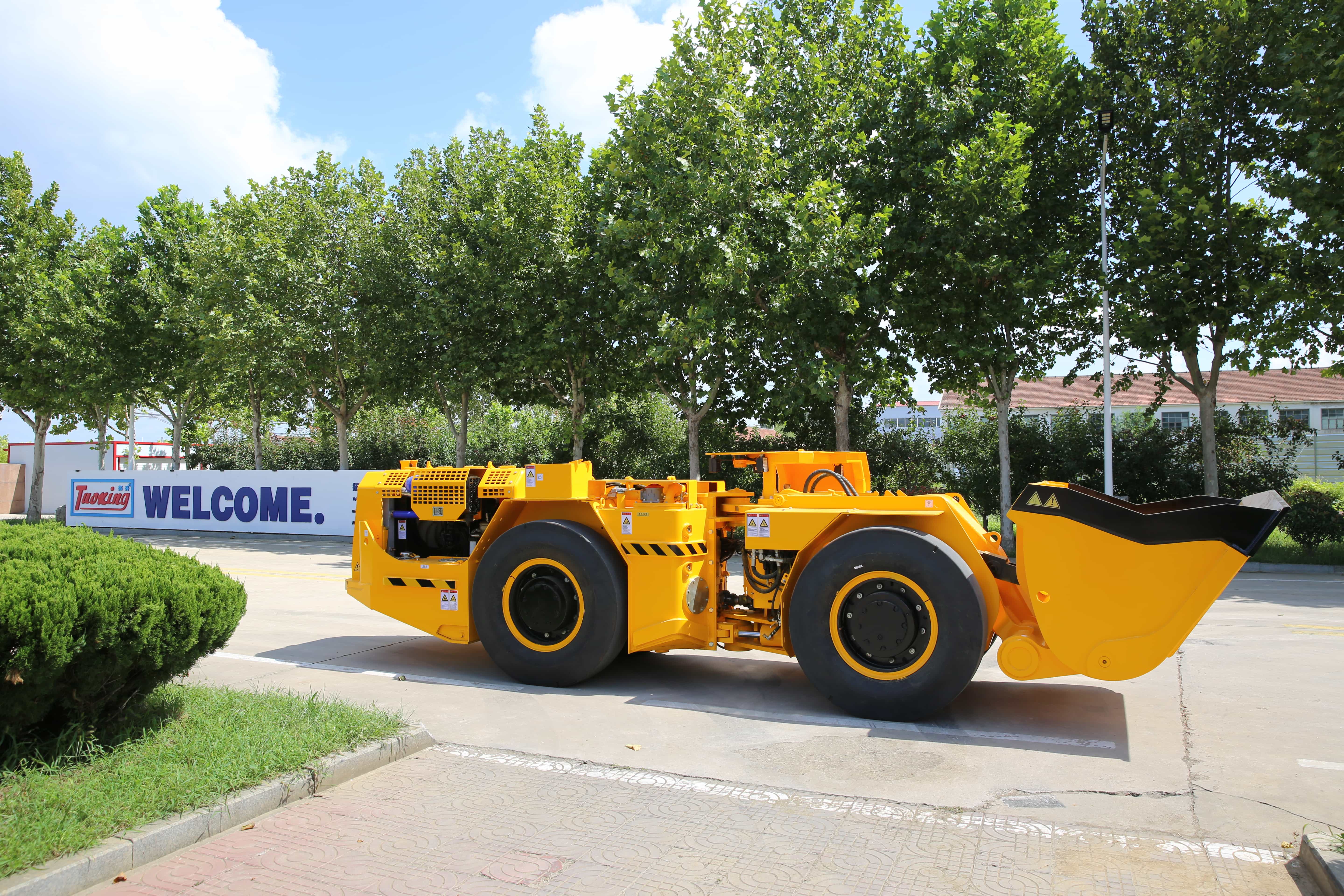
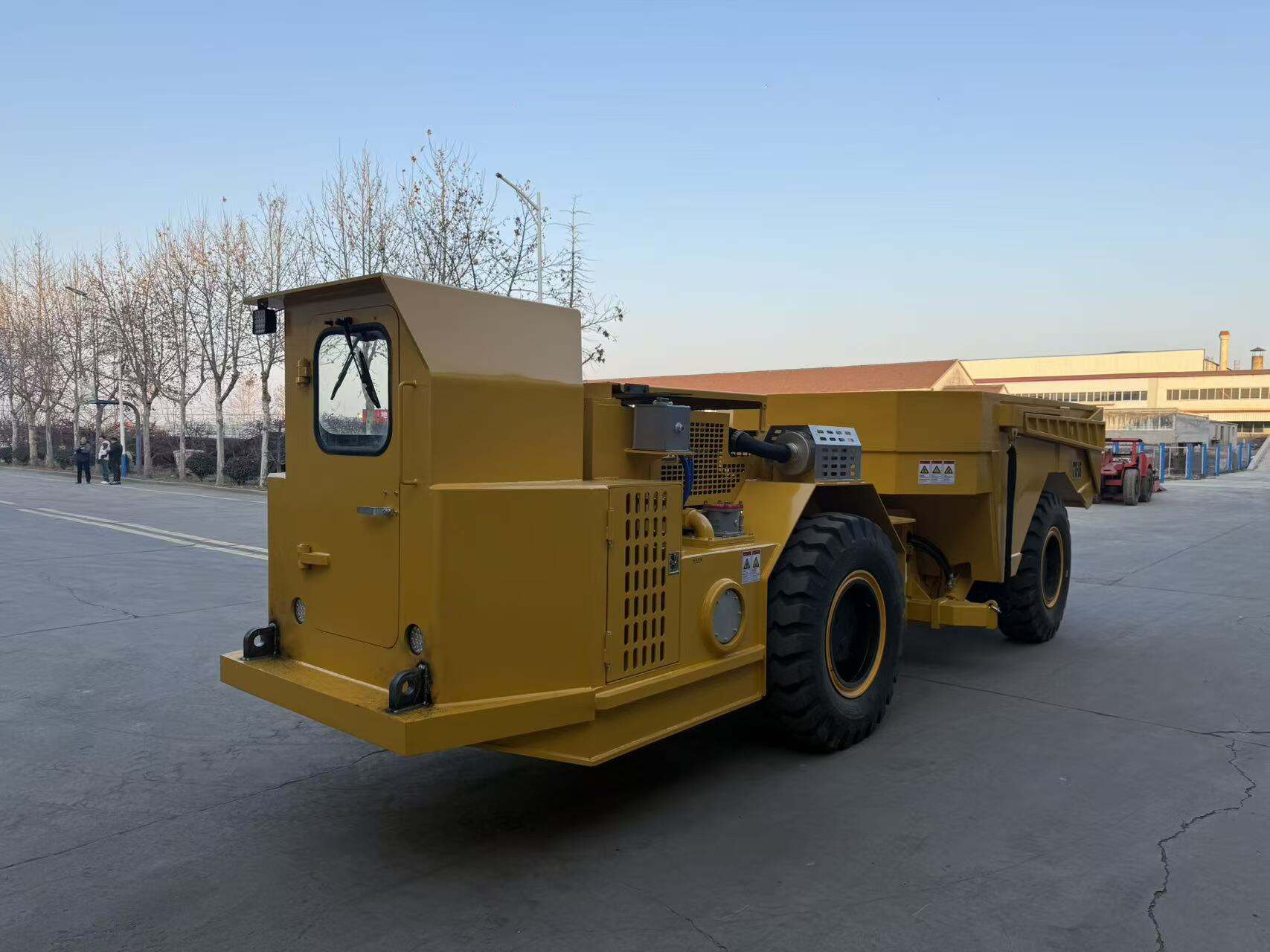
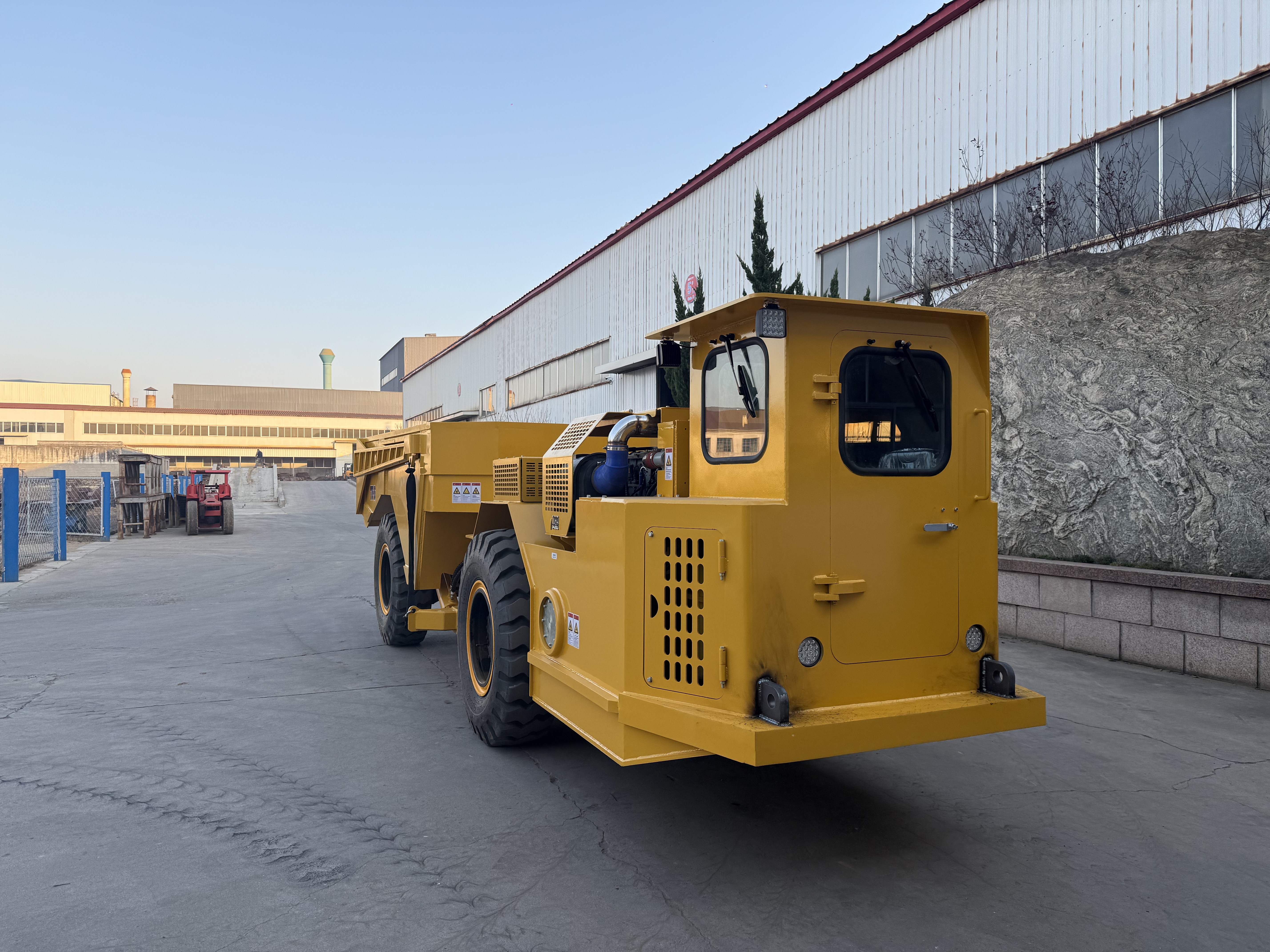
Safety technology integrated into contemporary mine rock truck designs establishes new standards for protecting operators, ground personnel, and expensive mining assets. Collision avoidance systems represent perhaps the most significant safety advancement, utilizing radar sensors, cameras, and proximity detection technology to create a protective awareness zone around the vehicle. These systems provide graduated warnings as objects enter defined zones, beginning with visual alerts on cabin displays, progressing to audible alarms, and culminating in automatic intervention through throttle reduction or brake application when collision risk reaches critical thresholds. The technology proves particularly valuable in congested loading areas where multiple vehicles and personnel operate simultaneously, and during limited visibility conditions created by dust, darkness, or weather. Rollover protection structures built into mine rock truck cabins provide certified crush resistance, creating a survival space that protects operators during rollover incidents. These structures undergo rigorous testing and certification processes, meeting or exceeding international safety standards. Fire suppression systems installed in engine compartments automatically detect and extinguish fires before they threaten operators or cause total vehicle loss. Advanced braking systems combine service brakes with retarder technology that provides continuous speed control on descents without overheating friction components. This capability prevents brake fade, the dangerous condition where conventional brakes lose effectiveness due to excessive heat generation during prolonged descending operation. Emergency backup braking systems ensure stopping capability even with primary system failures. Visibility enhancements eliminate traditional blind spots through strategically positioned cameras that provide composite views on cabin displays, showing areas not visible through direct sight lines. Lighting systems provide exceptional illumination for night operations, using LED technology that delivers superior visibility while consuming less electrical power and requiring less frequent replacement than traditional lighting. Tire pressure monitoring systems alert operators to pressure losses that could indicate punctures or leaks, preventing the catastrophic failures that occur when heavily loaded vehicles operate with deflated tires. Operator fatigue monitoring uses cameras or sensors to detect signs of drowsiness, providing alerts that prompt breaks before impaired performance creates safety risks. Access systems including stairs, handrails, and platforms follow slip-resistant design principles, with positioning that encourages safe entry and exit practices. Some mine rock truck models incorporate operator presence detection that prevents vehicle movement unless the operator is properly seated and restrained, eliminating incidents caused by premature vehicle motion. Emergency egress provisions include secondary exit paths, easily accessible fire extinguishers, and clearly marked emergency controls. Training simulators allow new operators to develop skills in risk-free virtual environments before controlling actual equipment, reducing the learning-curve incidents that occur when inexperienced operators encounter unexpected situations.

 EN
EN