Total Ownership Cost Analysis Beyond Initial Mining Truck Price
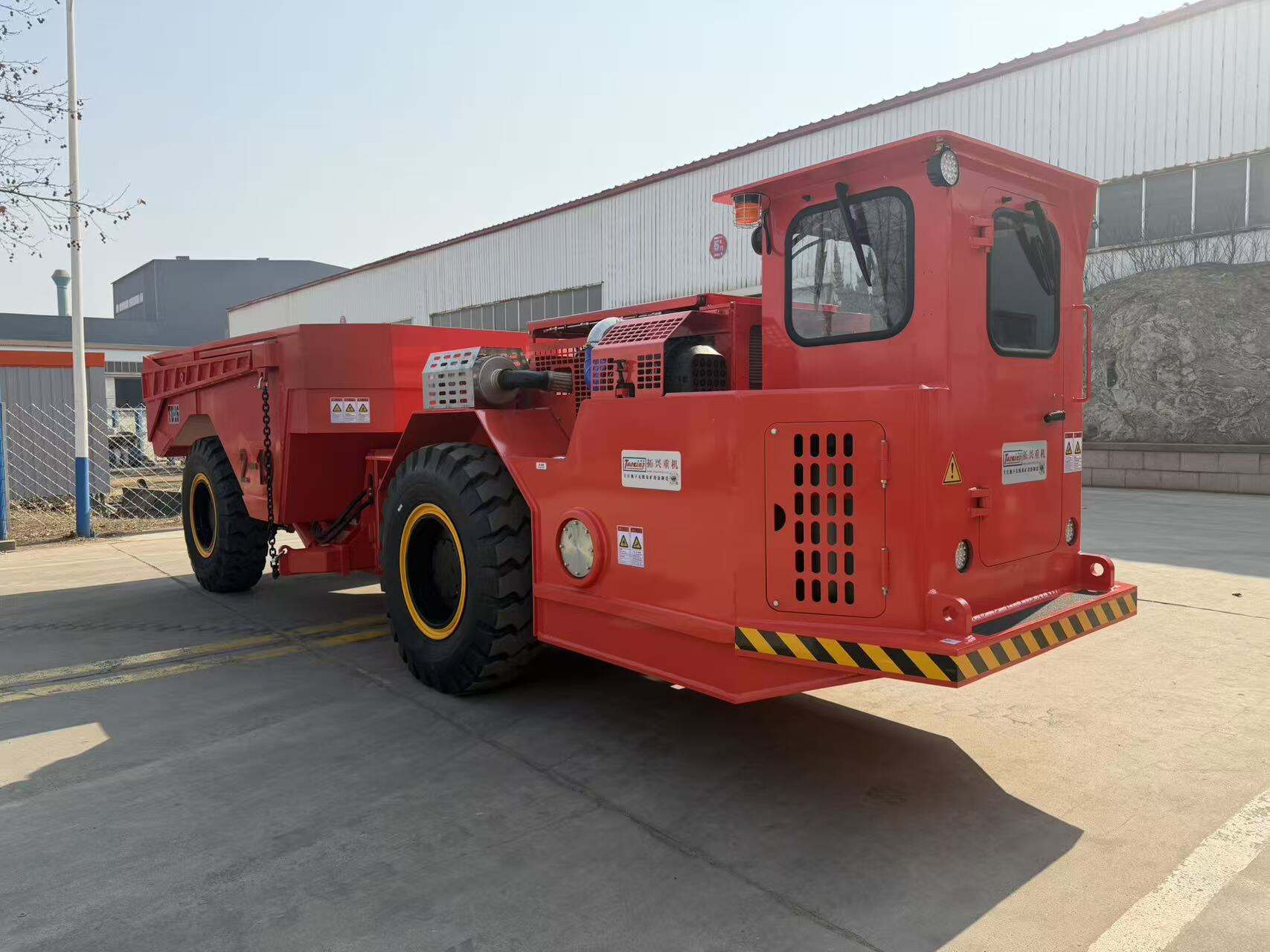
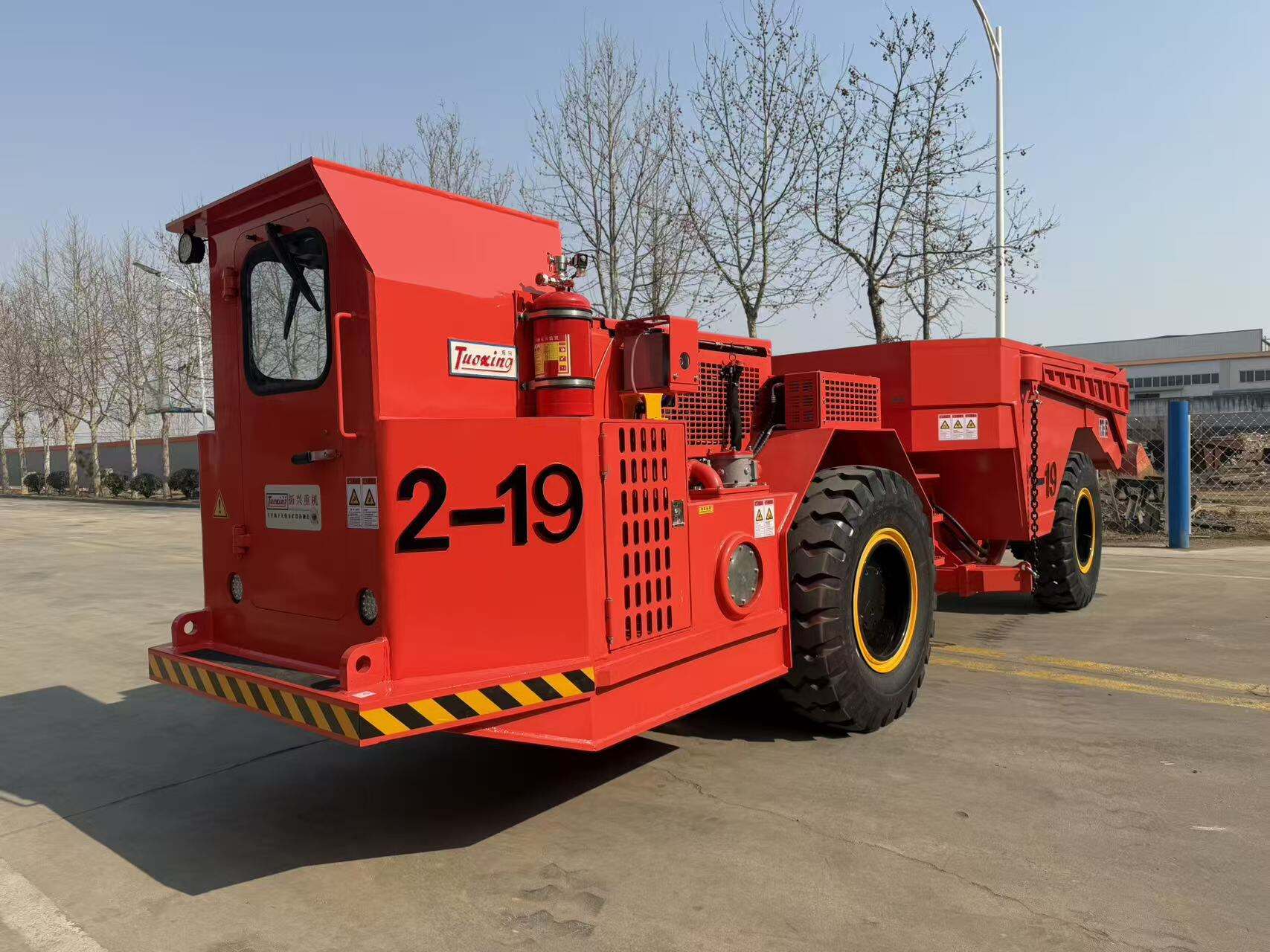
Comprehensive total ownership cost analysis provides essential perspective beyond initial mining truck price considerations, revealing the true economic impact of equipment decisions over operational lifespans. The purchase price represents only the first component in a complex financial equation that includes fuel consumption, maintenance expenses, tire replacement, operator wages, insurance premiums, financing costs, and eventual resale values. Smart mining operations evaluate mining truck price within this broader context to identify genuine value rather than simply selecting the lowest upfront cost. Fuel consumption patterns vary dramatically between truck models, with efficient designs reducing diesel usage by thousands of gallons annually compared to older or poorly optimized alternatives. These fuel savings accumulate over typical 10-15 year operational periods into amounts that can exceed the initial mining truck price differential between economy-focused and standard models. Maintenance requirements directly impact total ownership costs through parts expenses, labor hours, and production losses during repair periods. Mining trucks engineered with accessible service points, durable components, and extended maintenance intervals reduce these ongoing costs substantially despite potentially higher initial mining truck price points. Tire expenses represent enormous ongoing costs for mining operations, with single ultra-class truck tires costing tens of thousands of dollars and requiring replacement after relatively short service lives. The mining truck price should be evaluated alongside tire consumption rates, as trucks with superior suspension systems, optimized weight distribution, and appropriate power-to-weight ratios extend tire life significantly. Operator efficiency varies between truck models based on cab comfort, visibility, control responsiveness, and automation features that reduce fatigue and improve productivity. Higher mining truck price options that enhance operator experience deliver measurable benefits through reduced training time, lower turnover, fewer errors, and improved cycle times that compound across entire fleets. Insurance costs reflect equipment values, safety records, and replacement expenses, making the relationship between mining truck price and risk management complex. Trucks with advanced safety features may qualify for premium discounts that offset their higher purchase prices over policy periods. Financing arrangements significantly affect total ownership economics, with interest rates, payment terms, and deposit requirements varying based on equipment specifications and buyer creditworthiness. The effective mining truck price including financing costs may differ substantially from advertised base prices, requiring careful analysis of all payment structure options. Residual values and resale potential complete the total ownership equation, as quality trucks from reputable manufacturers maintain value better than budget alternatives, recovering more capital when operations eventually upgrade or downsize fleets. This comprehensive mining truck price analysis methodology ensures mining companies make equipment investments that optimize long-term financial performance rather than minimizing short-term expenditures at the expense of operational efficiency and profitability.

 EN
EN