Mining Dump Truck Size Guide: Specifications, Benefits & Selection Tips

All Categories

mining dump truck size

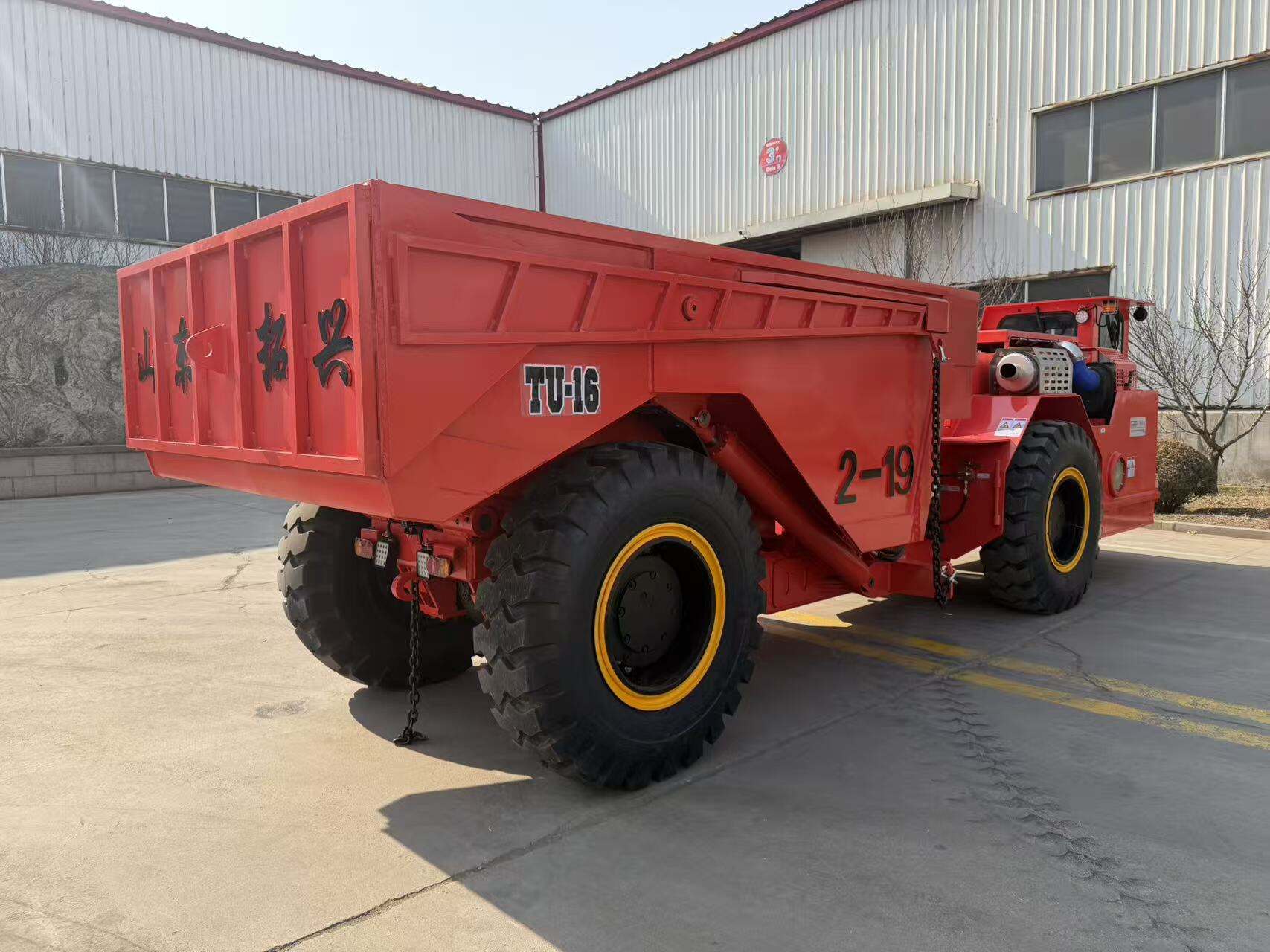
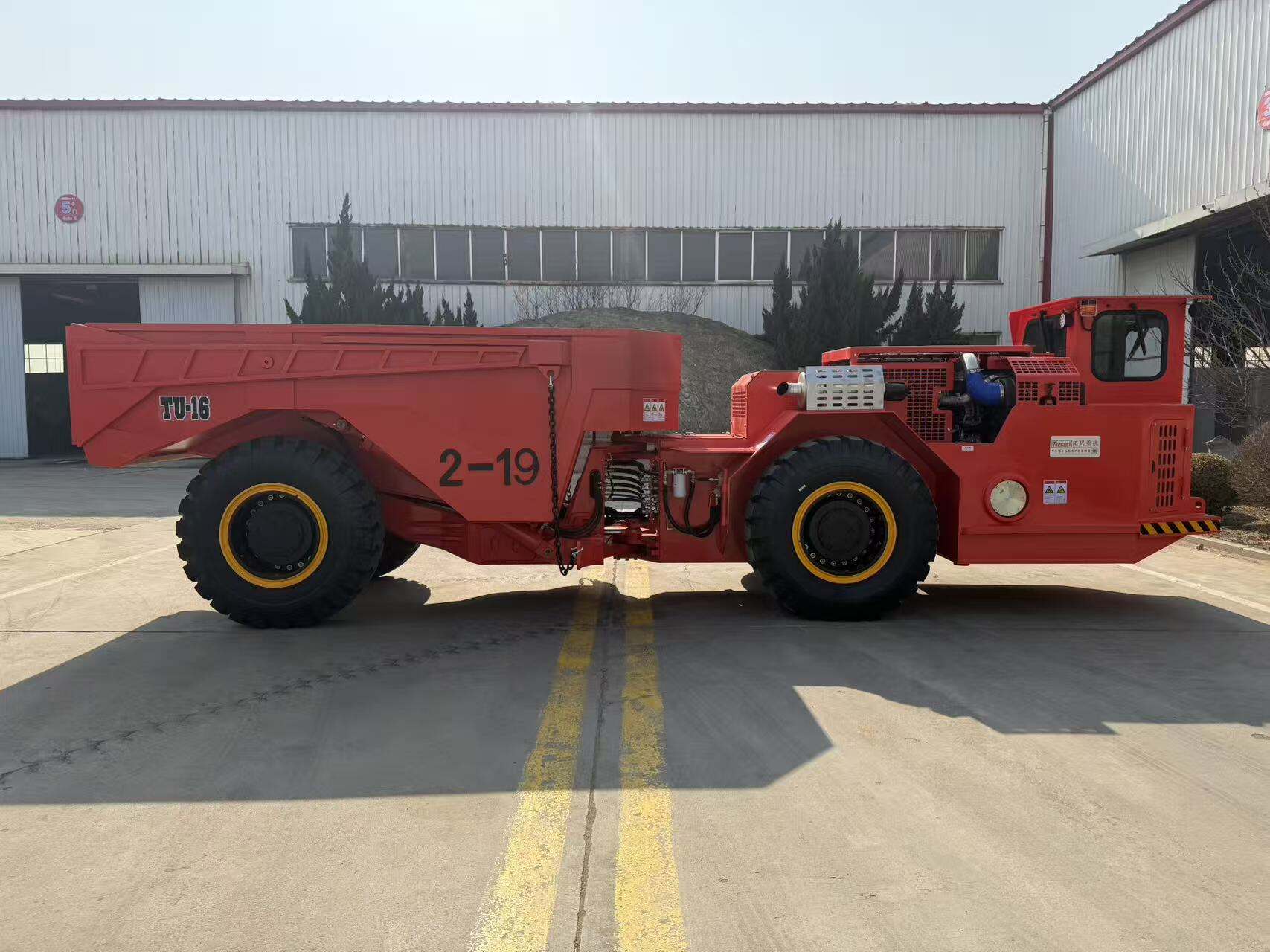
Mining dump truck size represents a critical specification in the heavy equipment industry, determining the vehicle's capacity, operational efficiency, and suitability for various mining operations. These massive vehicles range from compact models with payload capacities of 40 tons to ultra-class giants capable of hauling over 400 tons of material in a single load. The mining dump truck size directly influences productivity levels, fuel consumption rates, and the overall economics of mining operations. Understanding the appropriate mining dump truck size for specific applications requires careful consideration of mine layout, haul road conditions, loading equipment compatibility, and production targets. Modern mining dump trucks are engineered with advanced sizing options that balance power, maneuverability, and payload capacity to maximize operational efficiency. The physical dimensions of these trucks include critical measurements such as overall length, width, height, wheelbase, and turning radius, all of which impact their ability to navigate mining sites effectively. The main functions of appropriately sized mining dump trucks include efficient material transportation, optimized loading cycles, reduced operational costs per ton, and enhanced safety through better stability and control. Technological features integrated into modern mining dump truck size options include payload monitoring systems, advanced suspension designs, automated transmission systems, and intelligent hauling technologies that adjust performance based on load weight and terrain conditions. Applications for various mining dump truck size categories span across surface mining operations, quarries, construction projects, and large-scale earthmoving activities. Smaller-sized models excel in confined spaces and shorter haul distances, while larger mining dump truck size options dominate open-pit mining operations where maximum payload capacity translates directly into cost savings. The selection process for the optimal mining dump truck size involves analyzing production requirements, evaluating site constraints, calculating total cost of ownership, and projecting long-term operational demands to ensure the investment delivers maximum return throughout the vehicle's service life.


Popular Products

Selecting the correct mining dump truck size delivers substantial practical benefits that directly impact your bottom line and operational success. First and foremost, the right-sized truck matches your production goals perfectly, eliminating the inefficiency of running undersized equipment that requires multiple trips or oversized vehicles that never reach full capacity utilization. When your mining dump truck size aligns with your loading equipment, you achieve optimal loading times, typically completing loads in three to five bucket passes, which maximizes both loader and truck productivity. This synchronization reduces idle time, decreases fuel consumption per ton hauled, and extends equipment lifespan by preventing overloading damage or underutilization wear patterns. Properly sized mining dump trucks significantly improve your site's traffic flow and safety standards. Trucks that fit your haul roads comfortably reduce congestion, minimize passing requirements, and decrease accident risks associated with maneuvering oversized equipment in confined spaces. The financial advantages of appropriate mining dump truck size selection become evident through lower operating costs per ton, reduced tire wear expenses, optimized fuel efficiency, and decreased maintenance requirements. Larger mining dump truck size options provide economies of scale for high-volume operations, reducing the number of trucks needed to meet production targets, which translates to fewer operators required, simplified fleet management, and reduced overall capital expenditure per ton of capacity. Conversely, smaller mining dump truck size models offer flexibility for operations with variable conditions, easier transportation between sites, lower initial investment costs, and better performance on grade-intensive haul profiles where power-to-weight ratios become critical. Modern mining dump truck size options incorporate advanced payload management systems that prevent overloading, protect structural components, and ensure consistent load distribution for optimal tire life and fuel economy. The environmental benefits of correctly sized equipment include reduced emissions per ton hauled, lower noise pollution levels, and decreased ground pressure that minimizes haul road degradation and maintenance costs. Your mining dump truck size choice affects operator comfort and retention, as appropriately sized cabs provide better visibility, improved ergonomics, and enhanced safety features that create better working conditions and reduce fatigue-related incidents. The versatility of having the right mining dump truck size extends equipment utility across different mining phases, from initial overburden removal through ore extraction to final site rehabilitation, maximizing your return on investment throughout the mine's operational life and providing resale value advantages when upgrading or retiring equipment from your active fleet.

Practical Tips

How Can Maintenance Reduce Downtime for Underground Mining Dump Trucks?

17

Nov

How Can Maintenance Reduce Downtime for Underground Mining Dump Trucks?

Underground mining operations depend heavily on reliable equipment to maintain productivity and meet extraction targets. When heavy machinery experiences unexpected failures, the resulting downtime can cost mining companies thousands of dollars per h...
View More
How Can an Underground LHD Loader Improve Efficiency in Mining Operations?

11

Dec

How Can an Underground LHD Loader Improve Efficiency in Mining Operations?

Enhancing Mining Productivity with Underground LHD Loaders Underground mining operations demand high efficiency, safety, and reliability. The introduction of underground LHD (Load, Haul, Dump) loaders has revolutionized mining processes, providing a ...
View More
Why Some Mines Still Choose Diesel Over Electric Underground Trucks

18

Mar

Why Some Mines Still Choose Diesel Over Electric Underground Trucks

The underground mining industry stands at a technological crossroads where electric vehicle adoption accelerates across surface operations, yet many mine operators continue selecting diesel-powered underground mining trucks for their critical hauling...
View More
LHD vs. Excavator: Why Underground Mines Choose One Over the Other

18

Mar

LHD vs. Excavator: Why Underground Mines Choose One Over the Other

Underground mining operations face critical equipment selection decisions that directly impact productivity, safety, and operational costs. When evaluating LHD vs excavator options, mining engineers must consider the unique challenges of subterranean...
View More

Get a Free Quote

Our representative will contact you soon.
Email
Name
Company Name
Message
0/1000

mining dump truck size

Optimal Payload Capacity Matching for Maximum Productivity

Optimal Payload Capacity Matching for Maximum Productivity

The mining dump truck size selection process centers fundamentally on achieving the perfect balance between payload capacity and operational requirements, a critical factor that determines overall mining efficiency and profitability. When evaluating mining dump truck size options, payload capacity serves as the primary specification that influences every aspect of your hauling operation. Modern mining dump trucks offer payload capacities ranging from 40 tons for smaller articulated models up to 450 tons for the largest ultra-class rigid frame trucks, providing mining operations with precise options to match their specific production targets and site conditions. The optimal mining dump truck size creates a harmonious relationship with your loading equipment, typically achieving full payload in three to five loading passes, which represents the industry standard for maximum efficiency. This careful matching prevents the costly scenario of load-and-carry cycles where either the truck waits excessively for the loader or the loader struggles to fill an oversized truck bed efficiently. The physical mining dump truck size dimensions correlate directly with payload capacity, affecting ground clearance, approach and departure angles, and the truck's ability to navigate varying terrain conditions while maintaining stability under full load. Larger mining dump truck size categories distribute weight across broader wheelbases and wider track widths, reducing ground pressure despite higher absolute weights, which proves essential for maintaining haul road integrity and minimizing maintenance costs associated with road degradation. The engineering behind mining dump truck size optimization incorporates advanced materials science, utilizing high-strength steel alloys in body construction that maximize payload capacity while minimizing tare weight, directly improving the payload-to-total-weight ratio that determines operational economics. Sophisticated suspension systems scaled appropriately to each mining dump truck size category absorb shock loads during loading and hauling, protecting structural components and extending service life while maintaining operator comfort and safety. The selection of appropriate mining dump truck size based on payload requirements must account for material density variations, as hauling low-density overburden may volumetrically fill the truck body before reaching weight capacity, while dense ores achieve weight limits with volume remaining, requiring careful analysis to maximize utilization regardless of material characteristics throughout the mining operation's lifespan.
Enhanced Maneuverability Through Intelligent Size Engineering

Enhanced Maneuverability Through Intelligent Size Engineering

The mining dump truck size engineering process prioritizes maneuverability characteristics that directly impact operational efficiency, safety standards, and site productivity across diverse mining environments. Understanding how mining dump truck size affects turning radius, articulation capabilities, and spatial requirements enables operators to select equipment that navigates their specific mine layout with confidence and efficiency. Compact mining dump truck size options excel in confined mining operations, underground applications, and sites with restricted haul road widths, offering tight turning radii that minimize the required road width and reduce the excavation costs associated with creating adequate transportation infrastructure. Articulated mining dump truck size models provide exceptional maneuverability through their pivot-steer design, allowing navigation of challenging terrain, steep gradients, and confined spaces that would prove impossible for larger rigid-frame alternatives. The wheelbase length inherent in different mining dump truck size categories dramatically affects turning performance, with shorter wheelbases enabling tighter turns but potentially compromising stability, while longer wheelbases associated with larger mining dump truck size options provide superior stability at the expense of requiring wider turning areas and more extensive maneuvering space. Modern mining dump truck size designs incorporate advanced steering systems, including all-wheel steering technologies in some models, that enhance maneuverability without compromising the stability benefits associated with longer wheelbases and larger overall dimensions. The relationship between mining dump truck size and grade performance proves critical for mines with elevation changes, as smaller trucks typically offer superior power-to-weight ratios that translate into better performance on steep inclines, while larger mining dump truck size categories may require more carefully engineered haul road gradients to maintain acceptable cycle times and fuel efficiency. Visibility considerations directly correlate with mining dump truck size selection, as larger trucks require elevated operator positions that improve sightlines over the massive hood and body structures, while smaller mining dump truck size options provide more intimate cab positioning that enhances spatial awareness in confined areas. The operational flexibility afforded by appropriate mining dump truck size selection extends to multi-site operations where equipment may need relocation, as smaller trucks transport more easily between locations, while larger mining dump truck size categories typically remain dedicated to single sites due to transportation logistics and infrastructure requirements for moving such massive equipment across public roadways.
Advanced Technology Integration Scaled to Equipment Size

Advanced Technology Integration Scaled to Equipment Size

The mining dump truck size directly influences the sophistication and type of technological systems that can be effectively integrated into these massive machines, with modern manufacturers developing size-appropriate innovations that enhance safety, productivity, and operational intelligence across all equipment categories. Smaller mining dump truck size options benefit from advanced technology packages that include collision avoidance systems utilizing radar and camera arrays scaled appropriately to the vehicle's dimensions and operational environments, providing operators with comprehensive awareness of surrounding personnel and equipment. Larger mining dump truck size categories incorporate more extensive sensor networks due to their increased blind spot challenges, deploying multiple camera systems, proximity detection technologies, and sophisticated alert mechanisms that compensate for the visibility limitations inherent in ultra-class equipment operation. Payload monitoring systems represent critical technology integrations across all mining dump truck size ranges, utilizing sophisticated onboard weighing systems that provide real-time load information, preventing overloading that could damage structural components, exceed tire load ratings, or violate haul road weight restrictions while ensuring optimal utilization of available capacity. The mining dump truck size selection influences the type and capacity of engine management systems, transmission controls, and retardation technologies employed, with larger trucks requiring more sophisticated thermal management, braking systems capable of dissipating tremendous kinetic energy, and transmission strategies that optimize efficiency across the extended speed and load ranges encountered in large-scale mining operations. Telematics integration scales with mining dump truck size considerations, as larger equipment investments justify more comprehensive monitoring systems that track fuel consumption, component temperatures, maintenance requirements, and operational parameters that enable predictive maintenance strategies reducing unexpected downtime and extending component life. Autonomous hauling technologies, representing the frontier of mining innovation, deploy differently across mining dump truck size categories, with some operations implementing automation across uniform fleets of large trucks operating in controlled environments, while others utilize smaller mining dump truck size options with automation in specific applications where flexibility and varied terrain challenge larger autonomous systems. The cab technology and operator interface sophistication generally increases with mining dump truck size, as larger equipment commands premium pricing that supports advanced climate control, ergonomic seating systems, intuitive digital displays, and operator assistance technologies that reduce fatigue and enhance decision-making during extended shifts operating these complex machines in demanding mining environments.

Get a Free Quote

Our representative will contact you soon.
Email
Name
Company Name
Message
0/1000