DTH Drilling Machine: High-Performance Down-The-Hole Drilling Solutions for Mining and Construction

All Categories

dth drilling machine

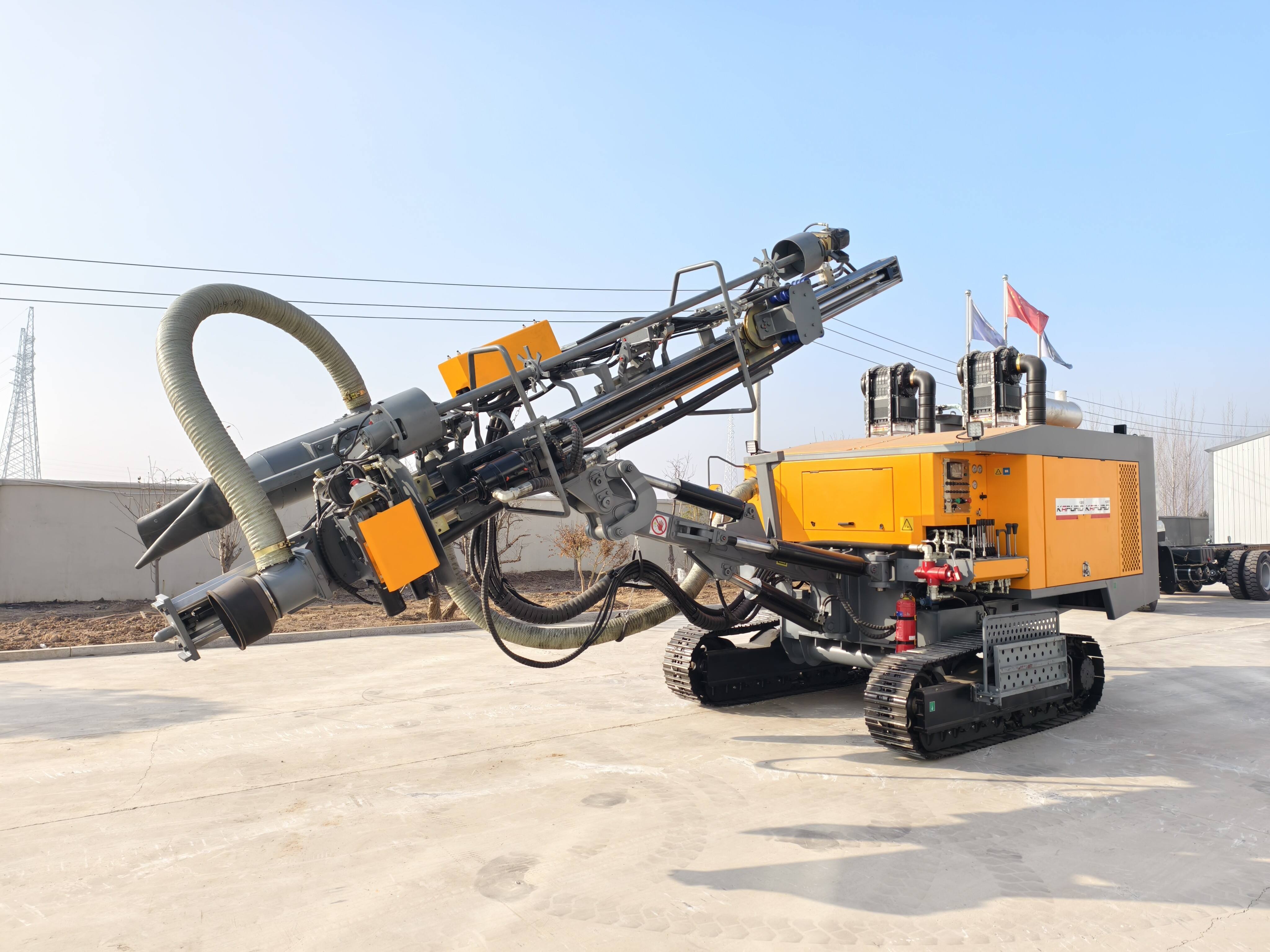
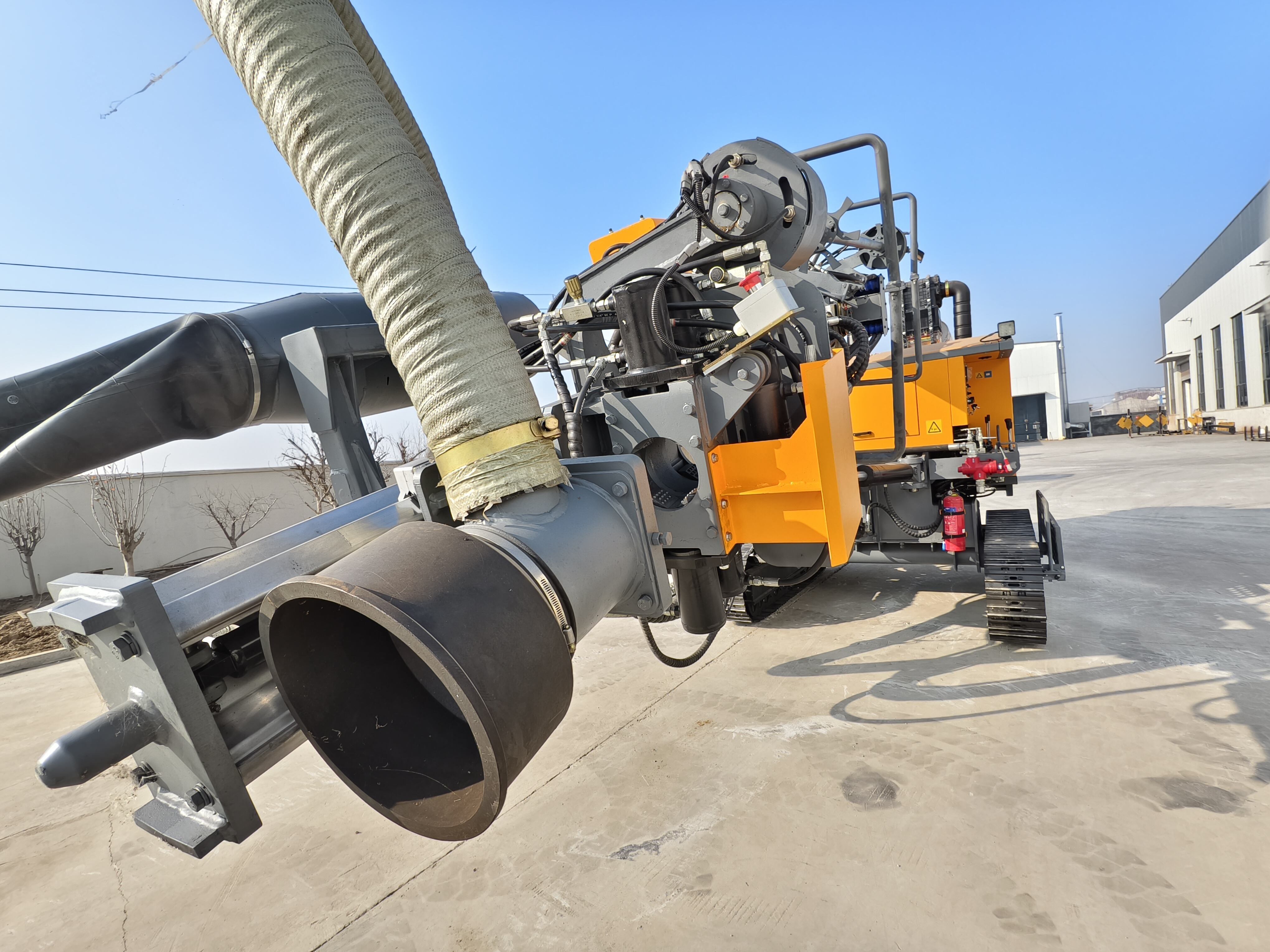
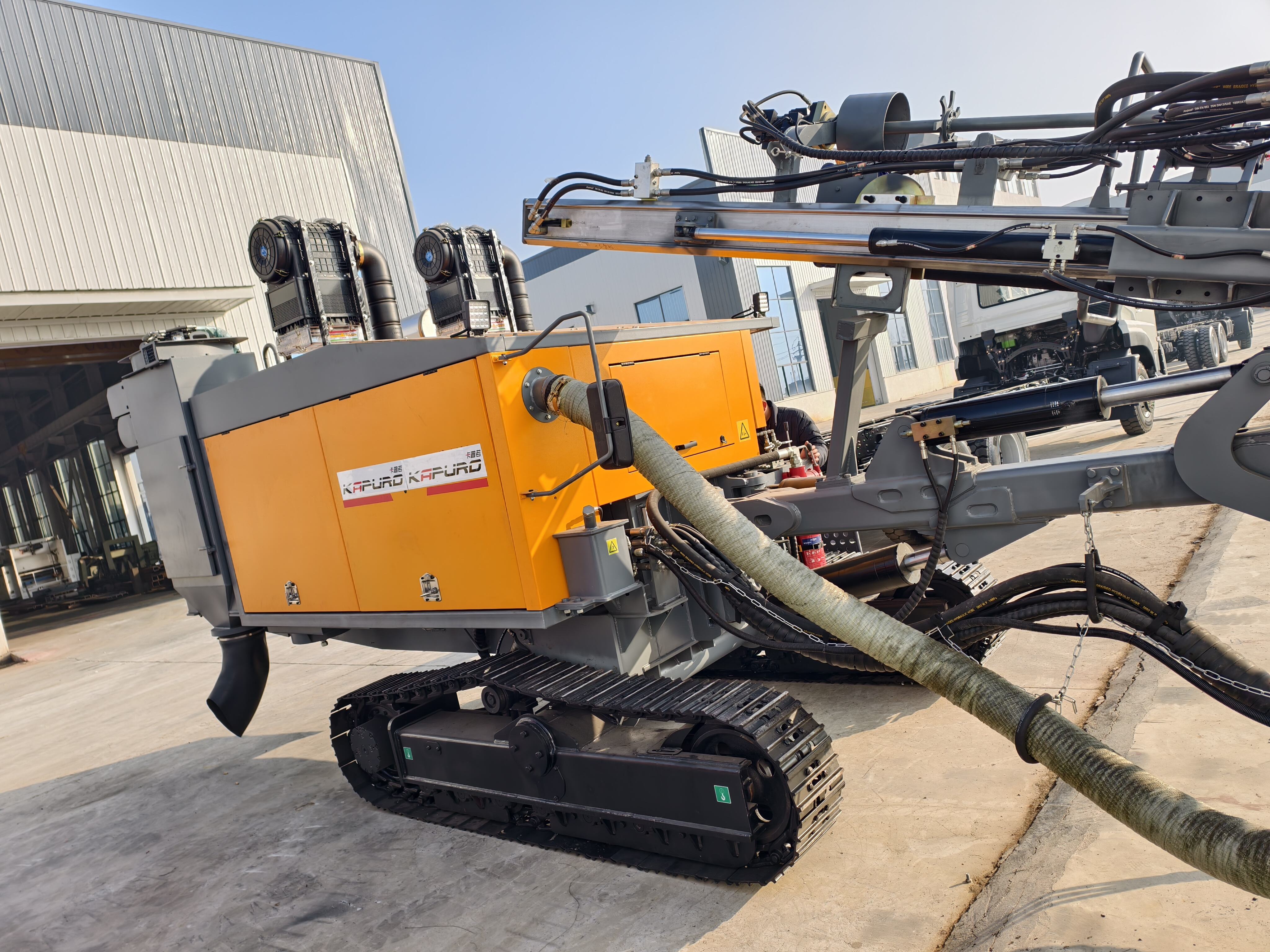
The dth drilling machine represents a breakthrough in modern drilling technology, designed to tackle challenging ground conditions with remarkable efficiency. DTH stands for Down-The-Hole, referring to the unique hammer mechanism positioned at the drill bit rather than at the surface. This drilling equipment has revolutionized mining, construction, and water well industries by delivering powerful penetration rates across various geological formations. The dth drilling machine operates by transmitting compressed air through the drill string, activating a pneumatic hammer located directly behind the bit. This configuration ensures maximum energy transfer to the rock face, minimizing energy loss that typically occurs in conventional drilling methods. The machine comprises several critical components including a powerful air compressor, drill rig frame, feed system, rotation mechanism, and the signature DTH hammer assembly. Modern dth drilling machine models feature advanced hydraulic systems that provide precise control over drilling parameters such as feed pressure, rotation speed, and percussion intensity. These machines can drill holes ranging from small diameters of 3 inches to large diameters exceeding 12 inches, with depths reaching several hundred meters depending on the model and application. The versatility of the dth drilling machine makes it indispensable for quarrying operations, foundation construction, geothermal exploration, blast hole drilling, and groundwater development projects. Operators appreciate the straightforward design that facilitates maintenance and reduces downtime. The technology has evolved significantly, with contemporary models incorporating computerized monitoring systems that track performance metrics in real-time, allowing operators to optimize drilling parameters for maximum productivity. Environmental considerations have also influenced design improvements, with newer dth drilling machine units featuring dust suppression systems and noise reduction technologies that comply with stringent regulatory standards while maintaining exceptional drilling performance across diverse operational environments.


Popular Products

Investing in a dth drilling machine delivers tangible benefits that directly impact your project timelines and bottom line. The first major advantage centers on drilling speed. The hammer mechanism strikes the rock directly at the bottom of the hole, converting nearly all the compressed air energy into breaking force. This means you complete drilling tasks faster than traditional methods, reducing project duration and labor costs significantly. The design eliminates the need for heavy drill strings that absorb energy, allowing the machine to maintain consistent performance even at greater depths. Another crucial benefit involves versatility across different ground conditions. Whether you encounter hard granite, fractured limestone, or abrasive sandstone, the dth drilling machine adapts seamlessly. The adjustable parameters let operators fine-tune performance for specific geological challenges without switching equipment. This flexibility translates to fewer mobilization costs and streamlined operations across multiple project sites. Accuracy represents another compelling advantage. The rigid drill string and bottom-mounted hammer create straight holes with minimal deviation, which proves essential for blast pattern precision, foundation work, and exploration drilling. You achieve better results with less rework, saving time and materials. Cost efficiency extends beyond initial drilling speed. The dth drilling machine consumes less fuel compared to alternative technologies while delivering superior penetration rates. Maintenance requirements remain manageable because the simple mechanical design features fewer components prone to failure. Replacement parts are readily available and installation typically requires minimal technical expertise, keeping your equipment operational with minimal downtime. Safety features built into modern units protect operators through automated monitoring systems that detect anomalies before they become hazardous. Emergency shutdown mechanisms, enclosed moving parts, and ergonomic operator stations reduce accident risks significantly. The machines operate with lower vibration levels compared to top-hammer systems, reducing operator fatigue during extended shifts. Environmental responsibility has become increasingly important, and the dth drilling machine addresses this concern effectively. Integrated dust collection systems minimize airborne particles, protecting worker health and meeting environmental regulations. The efficient energy conversion reduces the carbon footprint of drilling operations. Noise levels remain controlled through engineered dampening systems, making the equipment suitable for urban construction projects where disturbance must be minimized. Finally, the learning curve for operating personnel remains gentle. Training programs quickly bring new operators up to speed, and intuitive controls reduce the likelihood of operational errors. This accessibility means you can deploy the equipment rapidly without extensive preparation, maximizing return on investment from day one of ownership.

Practical Tips

How Can an Underground LHD Loader Improve Efficiency in Mining Operations?

11

Dec

How Can an Underground LHD Loader Improve Efficiency in Mining Operations?

Enhancing Mining Productivity with Underground LHD Loaders Underground mining operations demand high efficiency, safety, and reliability. The introduction of underground LHD (Load, Haul, Dump) loaders has revolutionized mining processes, providing a ...
View More
What Should Mining Companies Consider When Selecting an Underground LHD Loader?

11

Dec

What Should Mining Companies Consider When Selecting an Underground LHD Loader?

Underground mining operations require specialized equipment that can withstand harsh conditions while maintaining optimal performance and safety standards. The selection of an underground LHD loader represents one of the most critical decisions minin...
View More
How Do Load Capacity and Size Affect Underground LHD Loader Performance?

11

Dec

How Do Load Capacity and Size Affect Underground LHD Loader Performance?

Underground mining operations depend heavily on efficient material handling equipment, with the underground LHD loader serving as the backbone of productive ore extraction and transportation. These versatile machines must navigate confined spaces whi...
View More
How to Select a Scooptram 1 Cubic Yard for Narrow Vein Mines?

07

Jan

How to Select a Scooptram 1 Cubic Yard for Narrow Vein Mines?

Mining operations in narrow vein environments present unique challenges that require specialized equipment designed for confined spaces and efficient material handling. The selection of appropriate mining machinery becomes critical when working in re...
View More

Get a Free Quote

Our representative will contact you soon.
Email
Name
Company Name
Message
0/1000

dth drilling machine

Unmatched Penetration Power Through Direct Energy Transfer

Unmatched Penetration Power Through Direct Energy Transfer

The defining characteristic that sets the dth drilling machine apart from conventional drilling systems lies in its revolutionary hammer placement strategy. Unlike surface-mounted percussion mechanisms that waste substantial energy through drill string absorption and friction losses, the dth drilling machine positions the pneumatic hammer directly behind the drill bit at the bottom of the hole. This engineering approach fundamentally changes how drilling energy reaches the rock face. When compressed air flows down through the hollow drill pipes, it arrives at the hammer assembly with minimal pressure loss, driving the piston with full force against the bit. Each impact delivers concentrated energy precisely where rock breaking occurs, creating a highly efficient drilling process that maintains consistent performance regardless of hole depth. The advantages of this direct energy transfer become particularly evident when drilling deep holes or working in extremely hard rock formations. Traditional drilling methods experience progressive efficiency decline as depth increases because the drill string flexes and absorbs impact energy. The dth drilling machine eliminates this limitation entirely, maintaining the same powerful penetration rate whether drilling at 10 meters or 300 meters depth. This consistency allows project managers to predict drilling timelines accurately and schedule subsequent operations with confidence. The technology proves especially valuable in mining applications where blast hole patterns require uniform depth and precise spacing for optimal fragmentation results. The dth drilling machine delivers this uniformity reliably across entire drilling campaigns. Furthermore, the direct energy application reduces wear on drill string components because they function primarily as conduits for compressed air and rotation rather than as percussion transmission elements. This extends the service life of expensive drill pipes and reduces maintenance overhead substantially. The hammer design itself has evolved through decades of refinement, incorporating wear-resistant materials and optimized air flow patterns that maximize striking efficiency while minimizing component degradation. Modern dth drilling machine hammers feature replaceable wear parts that can be serviced quickly in the field, ensuring continuous productivity during demanding projects. The bit technology has advanced in parallel, with button configurations and carbide grades specifically engineered to complement the hammer's striking pattern. This synergy between hammer and bit creates a drilling system where each component enhances the performance of the other, resulting in penetration rates that consistently exceed alternative technologies across diverse geological conditions.
Exceptional Versatility Across Diverse Applications and Conditions

Exceptional Versatility Across Diverse Applications and Conditions

The dth drilling machine stands out for its remarkable adaptability to vastly different operational requirements and environmental conditions. This versatility stems from the modular design philosophy that allows configuration adjustments to match specific project demands. Whether your operation involves shallow water well development in sedimentary formations or deep exploration drilling through metamorphic rock, the dth drilling machine can be optimized accordingly. The equipment accommodates various hammer sizes, bit diameters, and compressor capacities, creating a customizable platform that serves multiple purposes without requiring entirely different machinery. Construction companies particularly value this flexibility because a single dth drilling machine can handle foundation piling, anchor hole drilling, and utility installation across different project phases. Mining operations benefit from the ability to drill production blast holes, exploration core holes, and dewatering wells using the same base equipment with minor modifications. The geographic versatility of the dth drilling machine extends its utility across climate zones and terrain types. Models designed for arctic conditions incorporate heating systems that prevent moisture freezing in air lines, while tropical variants feature corrosion-resistant coatings that withstand high humidity environments. Compact track-mounted versions navigate challenging terrain in mountainous regions, whereas truck-mounted configurations offer rapid mobility across flat mining benches. This geographic adaptability reduces the need for specialized equipment fleets, allowing companies to standardize on dth drilling machine platforms while still addressing regional operational challenges effectively. The technology performs equally well in confined urban construction sites where space constraints demand compact equipment footprints and in remote wilderness locations where reliability and self-sufficiency become paramount. Operational versatility extends to drilling angles and orientations. While vertical drilling represents the most common application, the dth drilling machine handles inclined and horizontal holes with appropriate rig modifications. This capability proves essential for underground mining where fan patterns of holes support tunnel advance, and for directional drilling applications in geotechnical investigations. The equipment adapts to different power sources as well, with diesel-powered compressors for remote sites lacking electrical infrastructure and electric-driven systems for operations prioritizing emissions reduction or working in confined spaces requiring superior air quality. The automation compatibility of modern dth drilling machine models represents another dimension of versatility. Basic manual units suit small contractors with straightforward drilling requirements, while fully automated systems with computer controls appeal to large mining operations seeking to optimize drilling parameters continuously and reduce operator dependency. This scalability means organizations can start with fundamental equipment and upgrade capabilities as operational sophistication increases, protecting initial investment while supporting growth.
Superior Operational Economics Through Efficiency and Reliability

Superior Operational Economics Through Efficiency and Reliability

The financial advantages of deploying a dth drilling machine extend far beyond the initial purchase price, creating compelling operational economics that strengthen project profitability throughout the equipment lifecycle. At the core of these economic benefits lies exceptional drilling efficiency that translates directly into reduced cycle times. When you can complete drilling tasks in less time, you decrease labor costs, equipment rental durations, and project timelines simultaneously. The dth drilling machine achieves this efficiency through its optimized energy conversion process, where compressed air energy becomes rock-breaking work with minimal waste. Competitors require more time to drill equivalent footage because their systems dissipate energy through mechanical inefficiencies. The fuel consumption profile of the dth drilling machine creates ongoing cost savings that accumulate substantially over months and years of operation. The pneumatic hammer design requires less air pressure than hydraulic alternatives need in fluid pressure, allowing smaller compressors to achieve equivalent or superior drilling performance. Smaller compressors consume less diesel fuel per operating hour while remaining fully capable of driving the drilling process effectively. When you multiply these hourly savings across the typical annual operating schedule of commercial drilling equipment, the fuel cost advantage becomes a significant contributor to overall project economics. This efficiency gain becomes even more pronounced in regions where fuel costs remain elevated or supply logistics present challenges. Maintenance economics favor the dth drilling machine through its mechanically straightforward design featuring fewer complex components than competing technologies. The hammer assembly contains a limited number of moving parts manufactured from durable materials specifically selected for impact resistance and longevity. When service becomes necessary, technicians can disassemble, inspect, and rebuild hammers using standard tools without specialized equipment or extensive training. Replacement parts remain readily available through established supply networks, and their costs represent reasonable percentages of overall operating budgets. The drill string requires minimal maintenance beyond periodic inspection because it experiences less mechanical stress than in top-hammer systems. This simplicity reduces both planned maintenance expenses and unexpected breakdown costs that disrupt project schedules. Reliability represents perhaps the most valuable economic attribute of the dth drilling machine because equipment downtime creates cascading financial impacts across entire projects. When drilling stops unexpectedly, you continue paying for idle labor, immobilized support equipment, and delayed project milestones that may trigger contractual penalties. The proven mechanical design of dth technology has evolved through decades of field experience, eliminating weak points and optimizing component durability. Modern units incorporate condition monitoring systems that alert operators to developing issues before failures occur, enabling proactive maintenance that prevents unplanned stoppages. This reliability allows accurate project scheduling and resource allocation, reducing the contingency buffers that companies must build into bids to account for equipment uncertainty. The residual value retention of quality dth drilling machine equipment supports favorable total cost of ownership calculations, as well-maintained units command strong prices in secondary markets when companies update their fleets.

Get a Free Quote

Our representative will contact you soon.
Email
Name
Company Name
Message
0/1000