Articulated Underground Loader - Advanced Mining Equipment for Confined Space Material Handling

All Categories

articulated underground loader

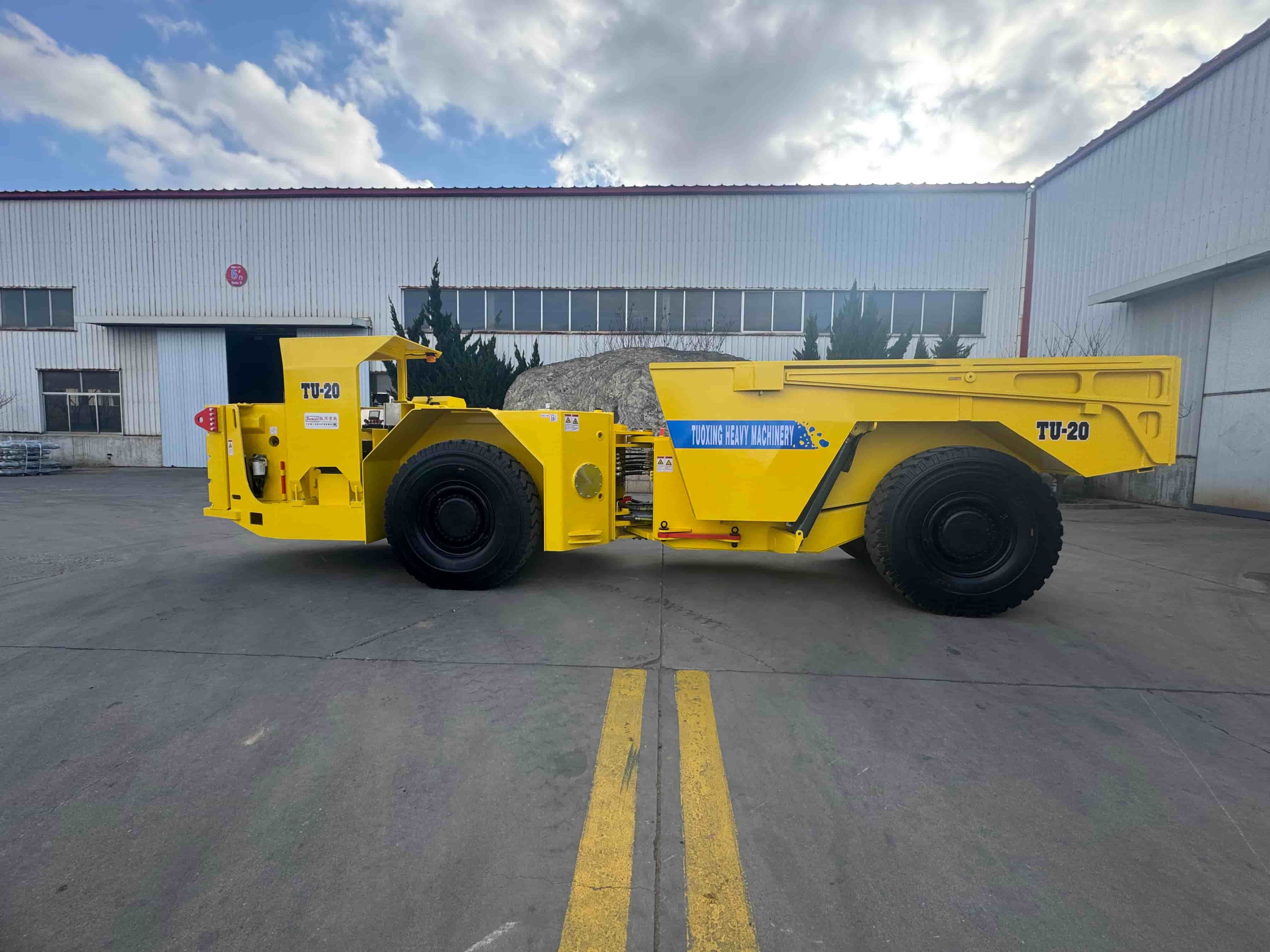
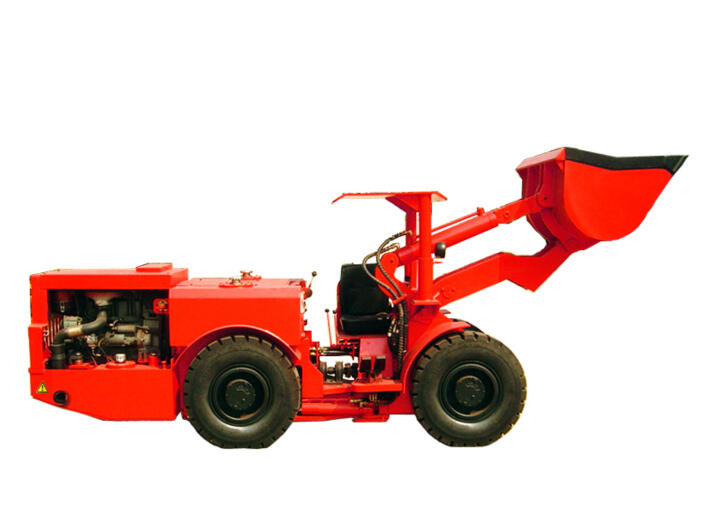
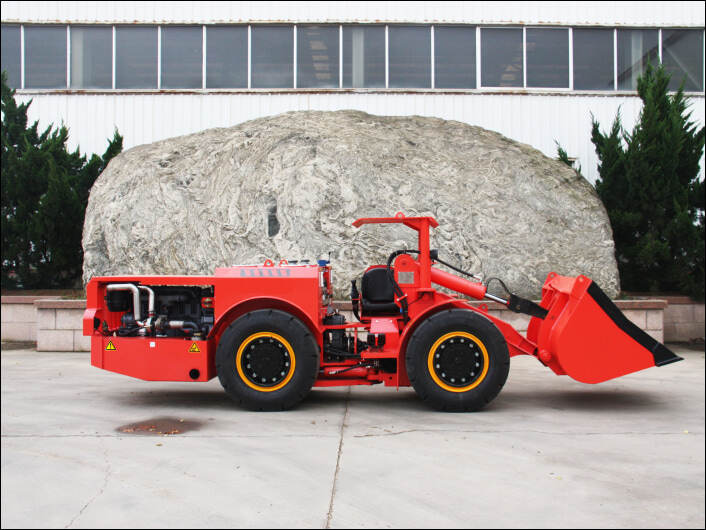
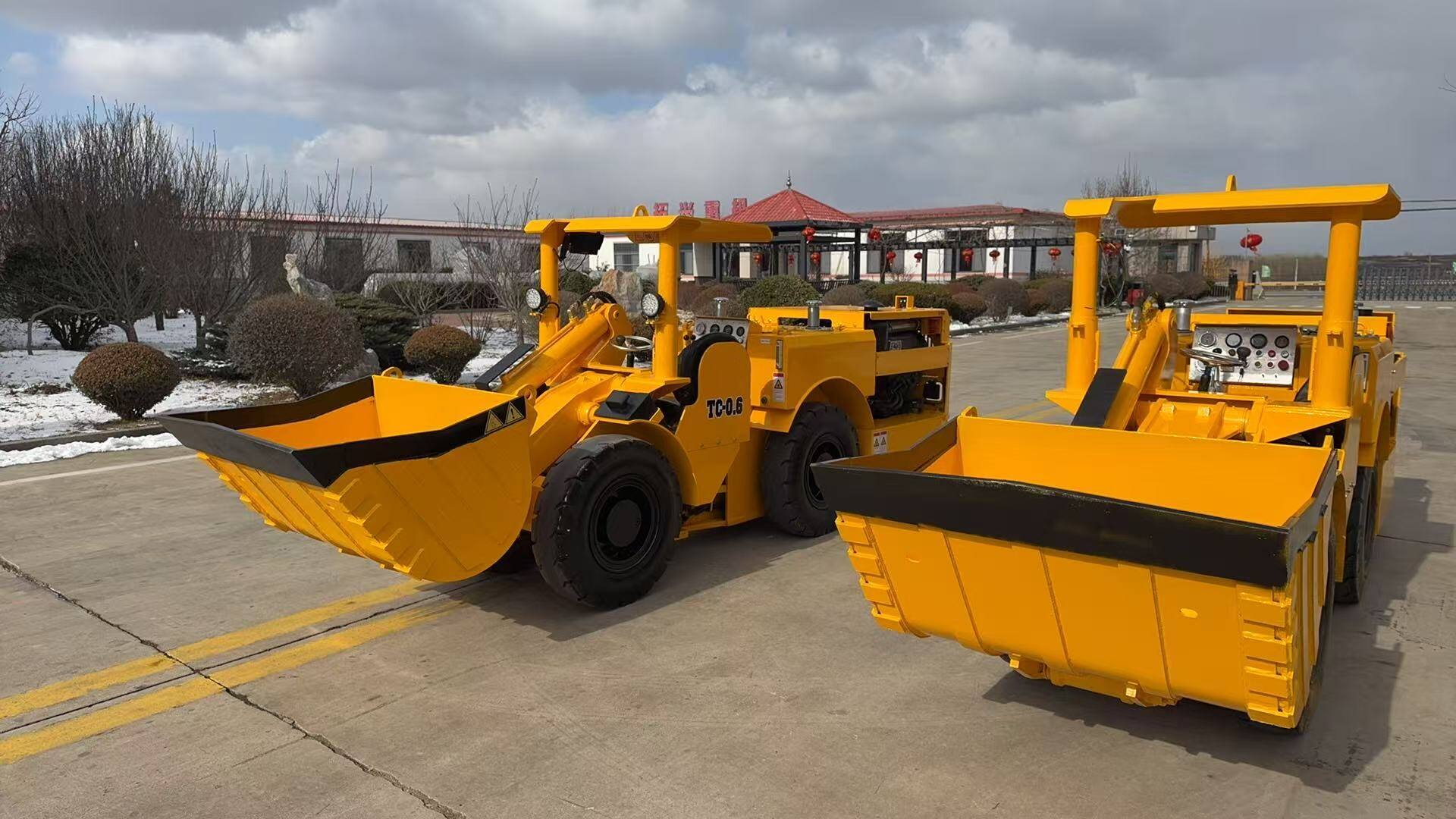
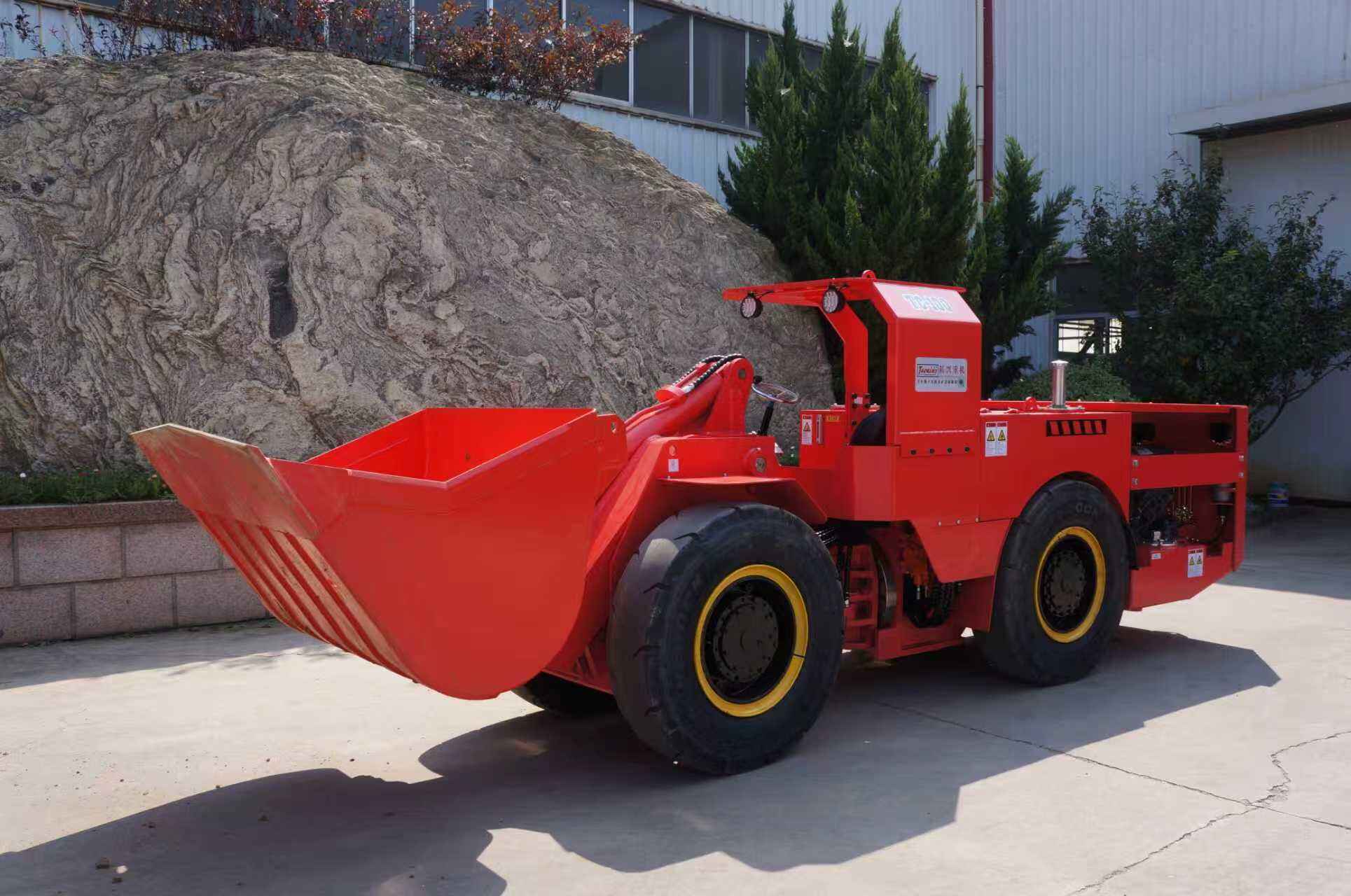
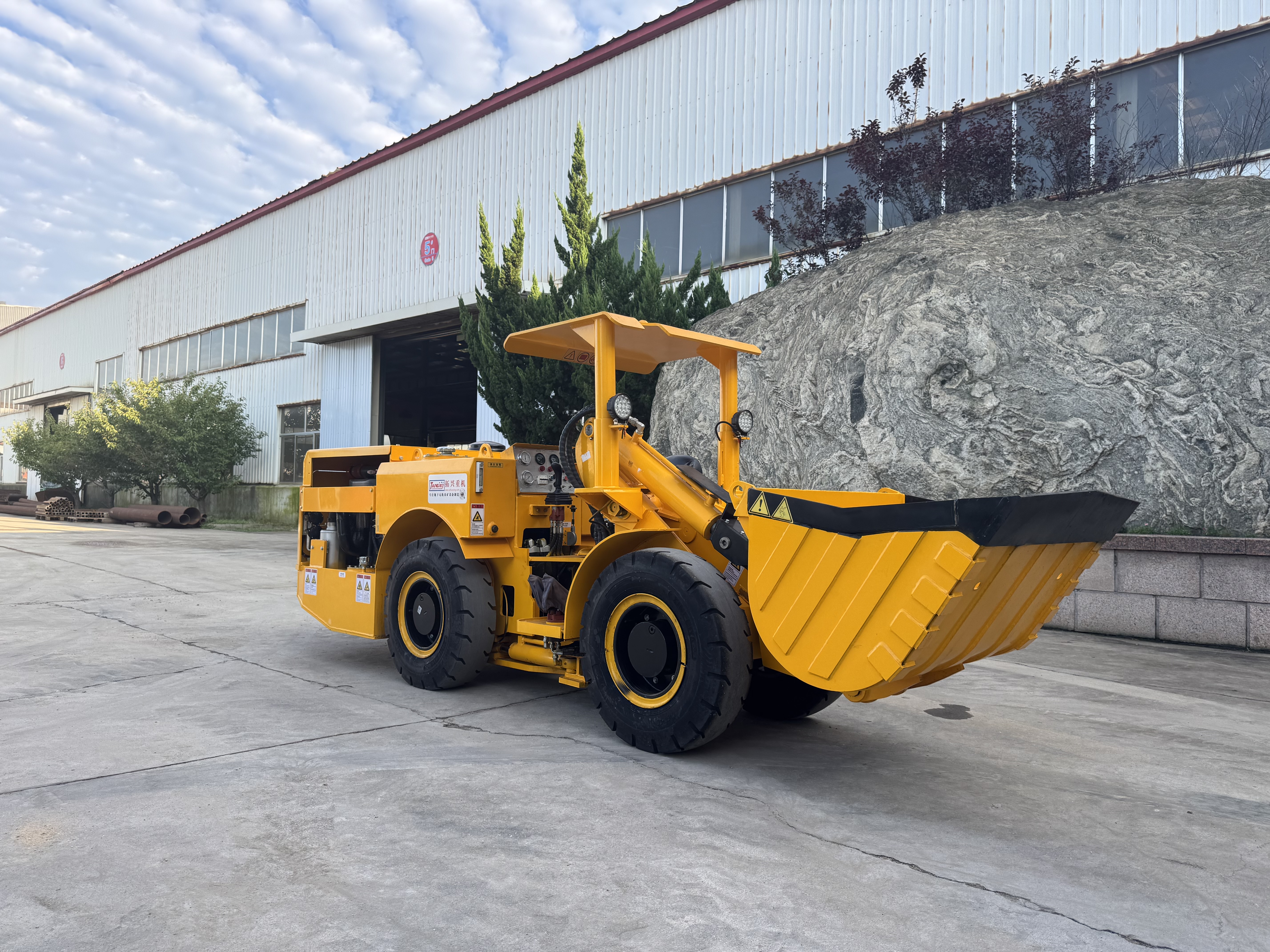
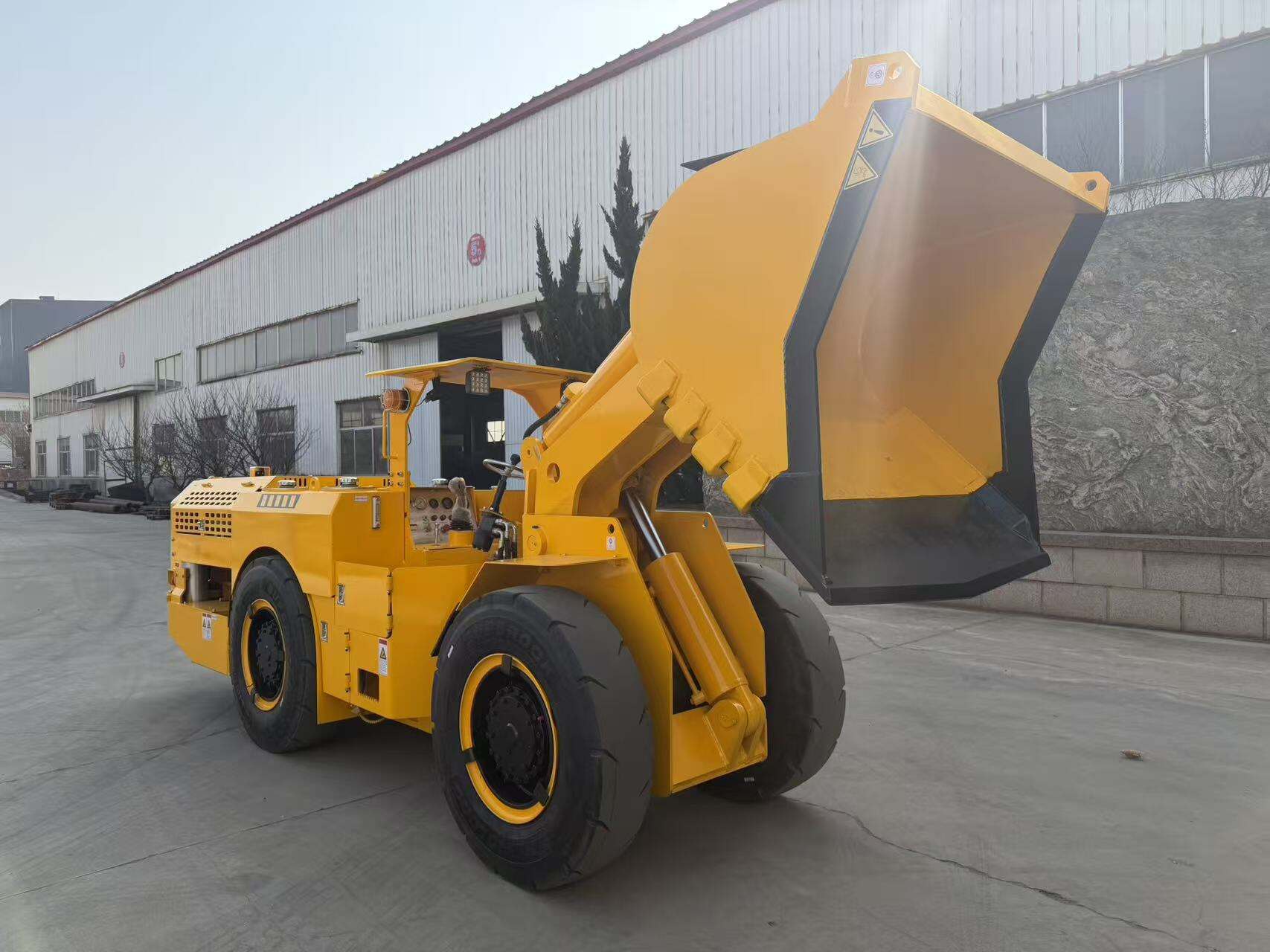
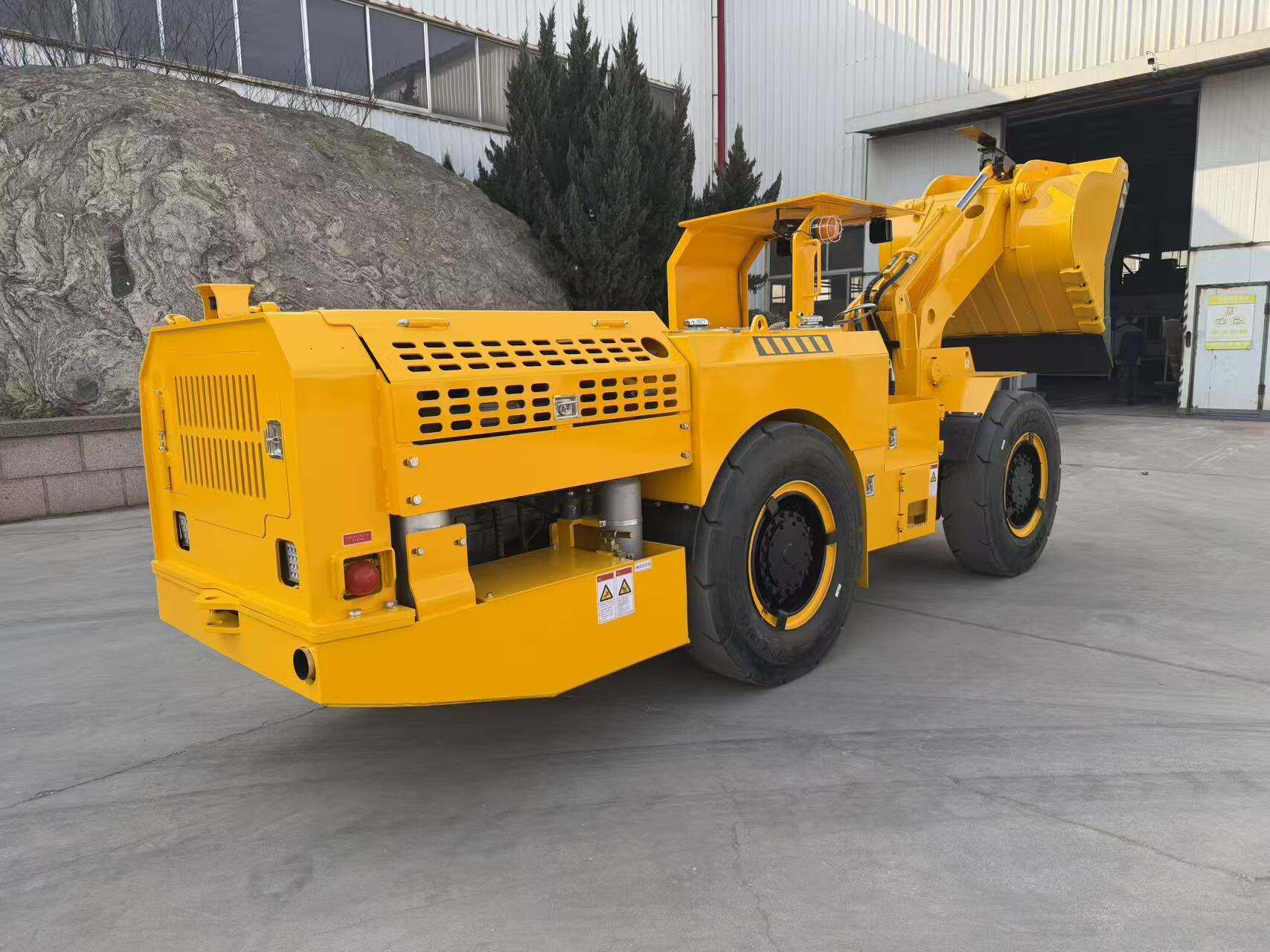
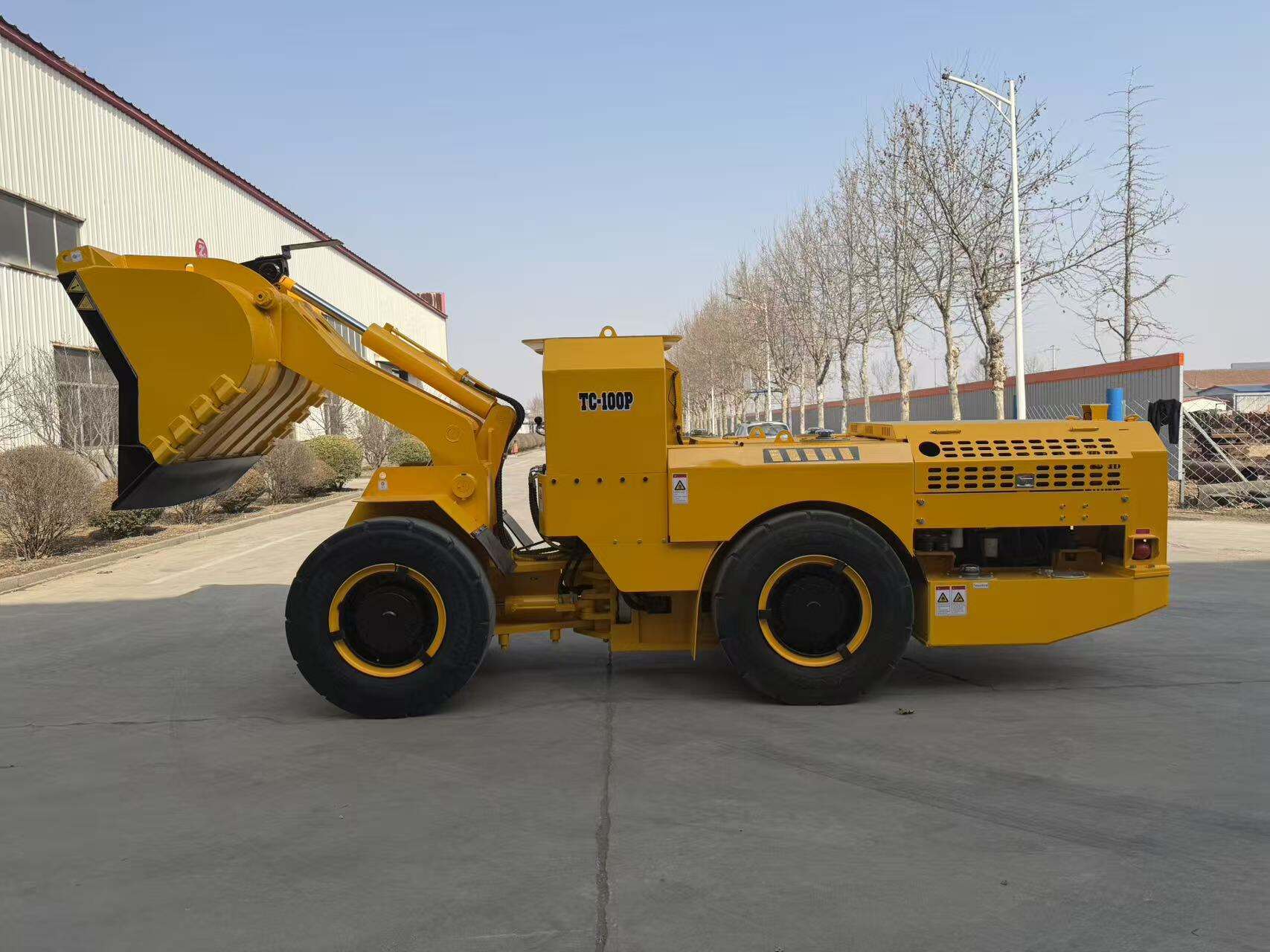
The articulated underground loader represents a specialized piece of mining equipment designed specifically for material handling operations in confined underground spaces. This robust machine plays a crucial role in extracting ore, rock, and other materials from mining sites where conventional surface loaders cannot operate effectively. The articulated underground loader features a unique jointed frame design that allows the front and rear sections to pivot independently, providing exceptional maneuverability in narrow tunnels and restricted working areas. These machines are engineered to withstand the harsh conditions of underground mining environments, including low ceilings, tight corners, and challenging terrain. The primary function of an articulated underground loader involves scooping, transporting, and dumping materials efficiently within underground mine networks. Modern versions incorporate advanced hydraulic systems that deliver powerful digging force while maintaining precise control during operation. The loader bucket capacity typically ranges from 1 to 6 cubic yards, depending on the specific model and intended application. Technological features include four-wheel drive systems that ensure optimal traction on uneven surfaces, reinforced frames constructed from high-strength steel to endure constant stress, and operator cabins equipped with ergonomic controls and safety features. Many contemporary models integrate diesel or electric powertrains, with electric versions gaining popularity due to their reduced emissions and lower operating costs in ventilation-restricted environments. The steering mechanism utilizes the articulation point as a pivot, enabling the machine to navigate through tunnels with widths only slightly larger than the loader itself. Applications extend across various underground mining operations, including hard rock mining, coal extraction, tunnel construction, and infrastructure development projects. The articulated underground loader has become indispensable in modern mining operations, significantly improving productivity and safety standards while reducing manual labor requirements in dangerous underground environments.

Popular Products

The articulated underground loader delivers substantial practical benefits that directly impact operational efficiency and cost-effectiveness for mining companies. First and foremost, these machines dramatically increase productivity by moving large volumes of material quickly and consistently throughout underground operations. A single operator can accomplish work that would otherwise require multiple workers with manual tools, reducing labor costs while improving output rates. The articulated design provides unmatched maneuverability in confined spaces, allowing operators to navigate tight corners and narrow passages that would be impossible for rigid-frame equipment. This flexibility means fewer repositioning movements and faster cycle times, translating directly into more material moved per shift. The powerful hydraulic systems deliver strong breakout force, enabling operators to fill buckets efficiently even when dealing with compacted or challenging materials. This capability reduces the time spent on each loading cycle and minimizes wear on the equipment. Safety represents another critical advantage, as the enclosed operator cabin protects workers from falling rocks, dust, and other hazards common in underground environments. Modern visibility features, including improved lighting systems and camera technology, help operators work more safely and confidently in low-light conditions. The robust construction ensures long service life even under demanding conditions, providing better return on investment compared to lighter equipment that requires frequent replacement. Maintenance accessibility has been carefully considered in design, with service points positioned for easy reach, reducing downtime and keeping machines operational longer. Fuel efficiency or electrical power options help control operating costs while meeting environmental regulations and ventilation requirements underground. The versatility of these machines extends their value, as they can handle various attachments beyond standard buckets, including forks for material handling and specialized tools for different mining applications. Operators appreciate the ergonomic controls and comfortable working environment, which reduce fatigue during long shifts and improve overall performance. Training requirements are manageable, allowing mining operations to develop skilled operators relatively quickly. The reliability of modern articulated underground loaders minimizes unexpected breakdowns that can halt production and create costly delays. Additionally, these machines contribute to better mine planning and development by efficiently removing material from working faces, allowing continuous advancement of mining operations and maintaining production schedules that keep projects on track and profitable.

Practical Tips

Why Are LHD Loaders Preferred for Material Handling in Confined Spaces?

11

Dec

Why Are LHD Loaders Preferred for Material Handling in Confined Spaces?

Underground mining operations and construction projects in confined spaces present unique challenges that require specialized equipment capable of navigating narrow tunnels and restricted work areas. LHD loaders have emerged as the preferred solution...
View More
How Does an Underground Mining Scoop Compare to Other LHD Equipment?

07

Jan

How Does an Underground Mining Scoop Compare to Other LHD Equipment?

The selection of appropriate Load Haul Dump (LHD) equipment plays a critical role in underground mining operations, with the underground mining scoop representing one of the most versatile and essential pieces of machinery in modern mining environmen...
View More
How Does an Underground Loader Affect Operating Costs?

07

Jan

How Does an Underground Loader Affect Operating Costs?

The impact of equipment selection on mining operations extends far beyond initial purchase price, with underground loader choices significantly influencing long-term operational expenses. Underground mining operations face unique challenges that requ...
View More
Mining’s Next Frontier: How 5G and Remote-Controlled Underground LHDs Are Revolutionizing Underground Operations

18

Mar

Mining’s Next Frontier: How 5G and Remote-Controlled Underground LHDs Are Revolutionizing Underground Operations

The mining industry stands at a transformative crossroads where cutting-edge telecommunications technology meets advanced underground equipment automation. This revolution centers on the deployment of 5G networks paired with remote-controlled undergr...
View More

Get a Free Quote

Our representative will contact you soon.
Email
Name
Company Name
Message
0/1000

articulated underground loader

Superior Articulated Steering System for Extreme Maneuverability

Superior Articulated Steering System for Extreme Maneuverability

The articulated underground loader stands apart from conventional mining equipment through its innovative steering system that utilizes a central pivot point between the front and rear chassis sections. This engineering approach fundamentally changes how the machine navigates through underground tunnels and mining drifts. Unlike traditional rigid-frame loaders that require wide turning circles, the articulation point allows the rear section to follow a tighter path than the front wheels, creating what engineers call a reduced turning radius. This capability proves invaluable when working in tunnel widths that barely exceed the machine dimensions. Operators can execute complete 180-degree turns in spaces where conventional equipment would need to reverse and reposition multiple times. The hydraulic cylinders controlling the articulation provide smooth, responsive steering that experienced operators can control with precision. This system reduces the physical space required for maneuvering, which directly translates to lower development costs since tunnels can be excavated to smaller dimensions while still accommodating efficient equipment operation. The articulated steering also distributes stress more evenly across the machine frame compared to rigid designs, contributing to longer structural life and reduced maintenance requirements. During operation, the articulated design allows the front bucket to be positioned accurately while the rear drive section maintains optimal traction, even on uneven or sloped surfaces common in underground mining. This separation of functions between front and rear sections enhances stability during loading operations. The steering geometry has been refined through decades of underground application, resulting in predictable handling characteristics that operators quickly master. Safety benefits include better obstacle avoidance and the ability to retreat quickly from unstable ground conditions. The articulation point itself is engineered as a heavily reinforced joint with sealed bearings and bushings that resist contamination from rock dust and moisture. Modern designs incorporate sensors that provide feedback to the operator about articulation angle, preventing over-steering that could damage the machine or surrounding rock walls. This steering technology represents one of the most significant advantages of articulated underground loaders, enabling efficient material movement in the challenging spatial constraints that define underground mining environments.
Powerful Load Handling Capacity with Advanced Hydraulic Technology

Powerful Load Handling Capacity with Advanced Hydraulic Technology

The load handling capability of an articulated underground loader stems from sophisticated hydraulic systems that deliver exceptional performance in demanding underground conditions. These systems generate impressive breakout force that allows the bucket to penetrate compacted material piles and load efficiently even when dealing with blasted rock containing large fragments. The hydraulic architecture typically employs high-pressure pumps driven by the main engine, distributing power through control valves to cylinders operating the bucket and lift arms. Modern designs incorporate load-sensing hydraulic systems that automatically adjust pump output based on actual demand, improving fuel efficiency while maintaining responsive control. The lift arm geometry has been optimized through extensive engineering to provide strong lifting capacity throughout the entire range of motion, from ground level to full dump height. This consistent power delivery ensures operators can fill trucks or transfer points efficiently without struggling at extreme angles. Bucket capacities are carefully matched to machine size and power output, ensuring the articulated underground loader can move maximum payload without compromising stability or component life. The hydraulic cylinders feature robust construction with hardened chrome rods and heavy-duty seals that resist contamination from the dusty underground environment. Operators benefit from proportional control systems that allow fine modulation of bucket and lift functions, providing the precision needed when working near infrastructure or positioning loads carefully. Quick coupler systems enable rapid attachment changes, expanding machine versatility beyond standard bucket work to include fork handling of materials, concrete placement tools, or scaling equipment for roof maintenance. The hydraulic system design incorporates filtration that removes contaminants, protecting expensive components and extending service intervals. Temperature management through oil coolers prevents overheating during intensive work cycles, maintaining consistent performance throughout long shifts. Relief valves protect against over-pressure situations, adding safety margins during operation. Maintenance accessibility for hydraulic components has been prioritized, with hoses routed away from damage points and service connections positioned where technicians can reach them efficiently. The power and reliability of these hydraulic systems directly impact productivity, as stronger breakout force and faster cycle times mean more material moved per hour. This capability becomes especially valuable in high-production mining operations where equipment utilization rates directly affect profitability. The technological advancement in hydraulic systems represents a key reason why modern articulated underground loaders outperform older equipment generations, delivering better performance with improved reliability.
Operator-Focused Design Enhancing Safety and Productivity

Operator-Focused Design Enhancing Safety and Productivity

The operator cabin of an articulated underground loader embodies decades of refinement focused on creating a safe, comfortable, and productive working environment in challenging underground conditions. Modern designs prioritize operator wellbeing, recognizing that comfortable, alert operators perform better and work more safely throughout demanding shifts. The cabin structure provides certified rollover and falling object protection, using reinforced steel construction that meets international safety standards while maintaining visibility. Ergonomic seating with adjustable suspension absorbs vibrations and impacts that would otherwise cause fatigue and long-term health issues for operators spending hours in the machine. Climate control systems maintain comfortable temperatures despite the often extreme heat or cold found in underground mining environments, with effective filtration removing dust and diesel particulates from cabin air. Visibility enhancements include strategically positioned LED lighting arrays that illuminate the working area without creating glare, along with camera systems providing views of blind spots around the machine. The control layout reflects input from experienced operators, positioning joysticks, pedals, and switches within natural reach patterns that reduce strain and enable intuitive operation. Instrumentation provides clear feedback about machine status, including engine parameters, hydraulic pressure, fuel levels, and diagnostic alerts that help prevent breakdowns. Sound insulation reduces noise levels inside the cabin, protecting hearing while allowing operators to detect unusual sounds that might indicate developing mechanical issues. Emergency systems include clearly marked exits, fire suppression equipment, and communication devices ensuring operators can summon help if needed. The entry and exit points feature anti-slip surfaces and grab handles positioned to facilitate safe mounting and dismounting, reducing the risk of falls that represent a common injury source. Visibility through reinforced glass provides clear sightlines to the bucket edge and surrounding tunnel walls, essential for precise positioning and avoiding contact with infrastructure or other equipment. Many models incorporate telematics systems that collect operational data, helping management optimize equipment utilization while providing operators with performance feedback. Training simulators based on actual cabin layouts allow new operators to develop skills in safe environments before operating real equipment underground. The investment in operator-focused design pays dividends through reduced fatigue, fewer accidents, improved productivity, and better retention of skilled operators who appreciate working with well-designed equipment. This human-centered engineering approach recognizes that the articulated underground loader is only as effective as the person operating it, and providing the best possible working environment creates value throughout the entire mining operation.


Get a Free Quote

Our representative will contact you soon.
Email
Name
Company Name
Message
0/1000