Narrow Vein Underground Loader: Compact Mining Equipment for Efficient Ore Extraction in Confined Spaces

All Categories

narrow vein underground loader

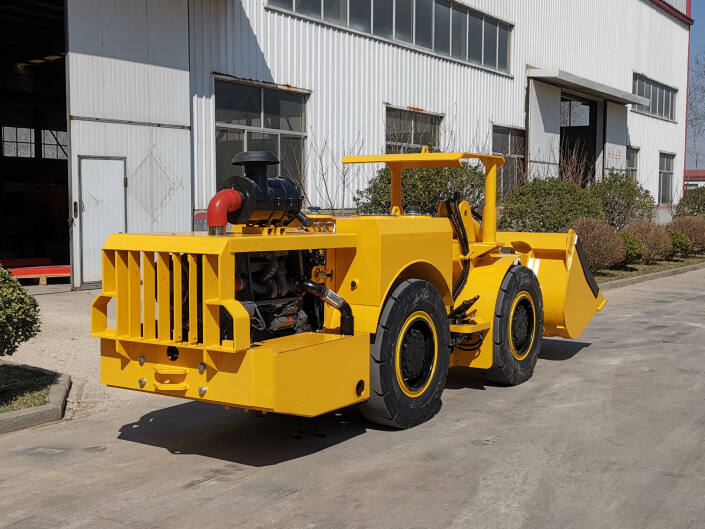
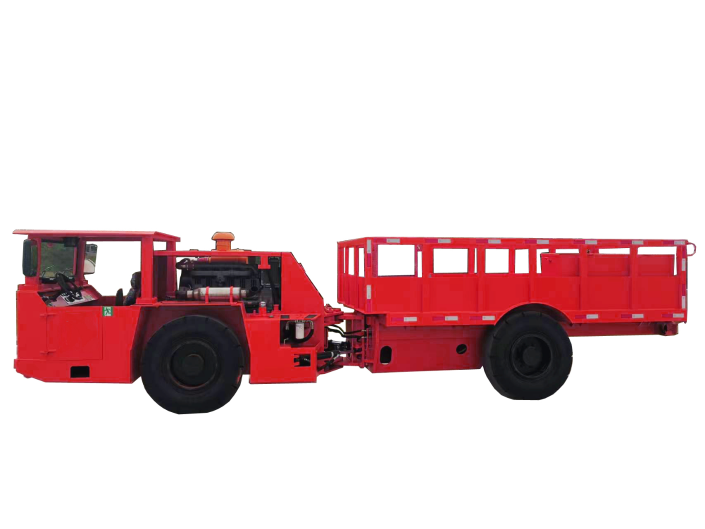
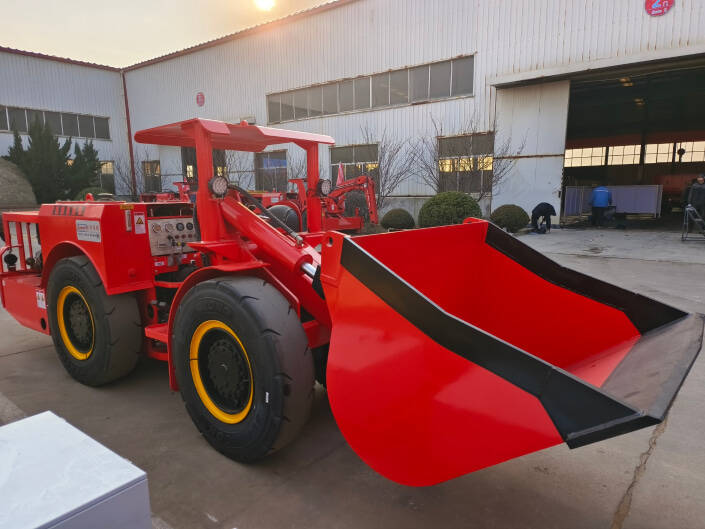
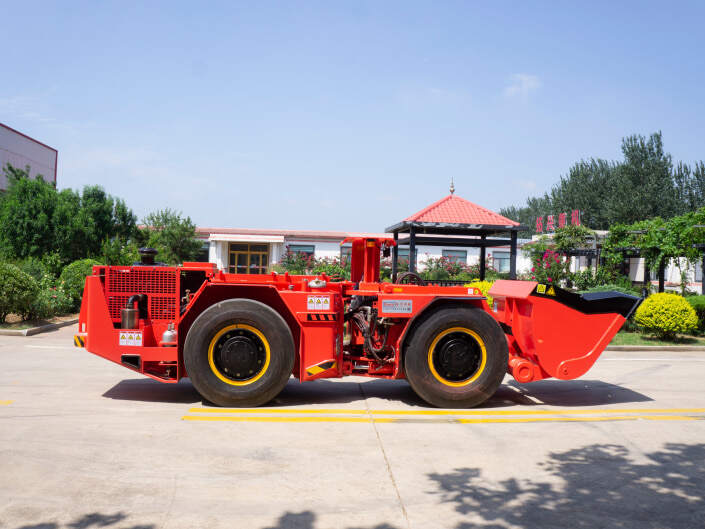
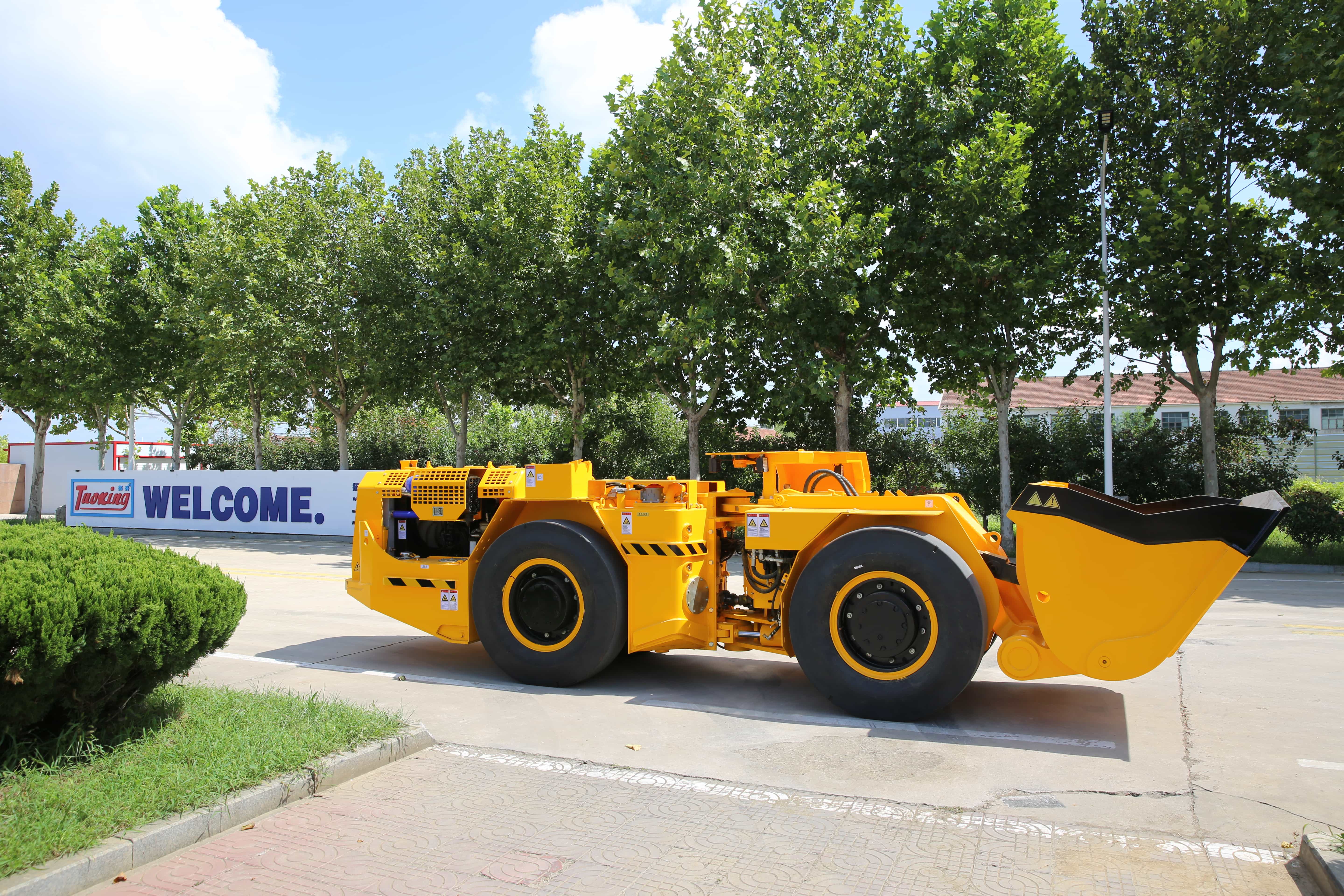
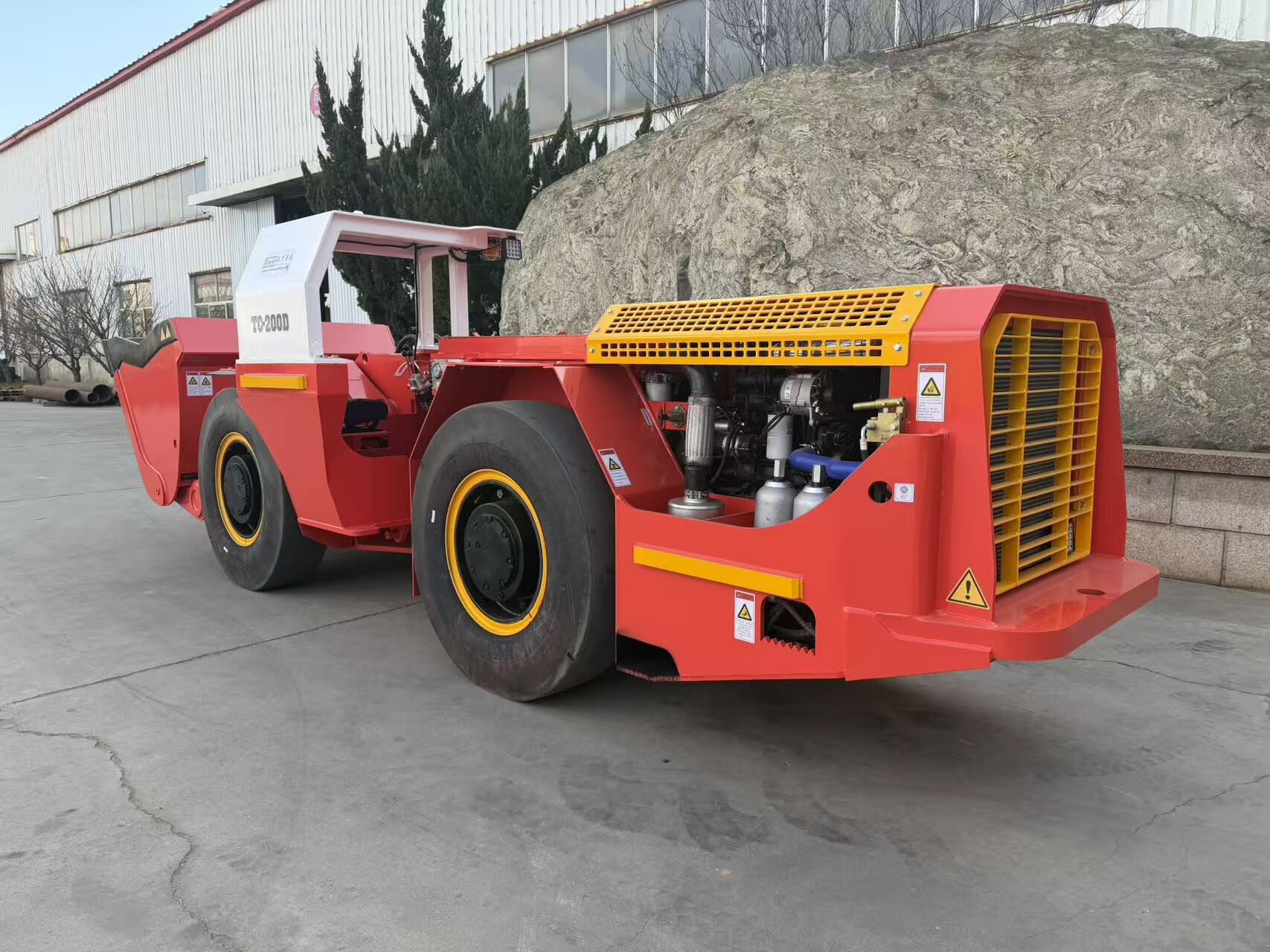
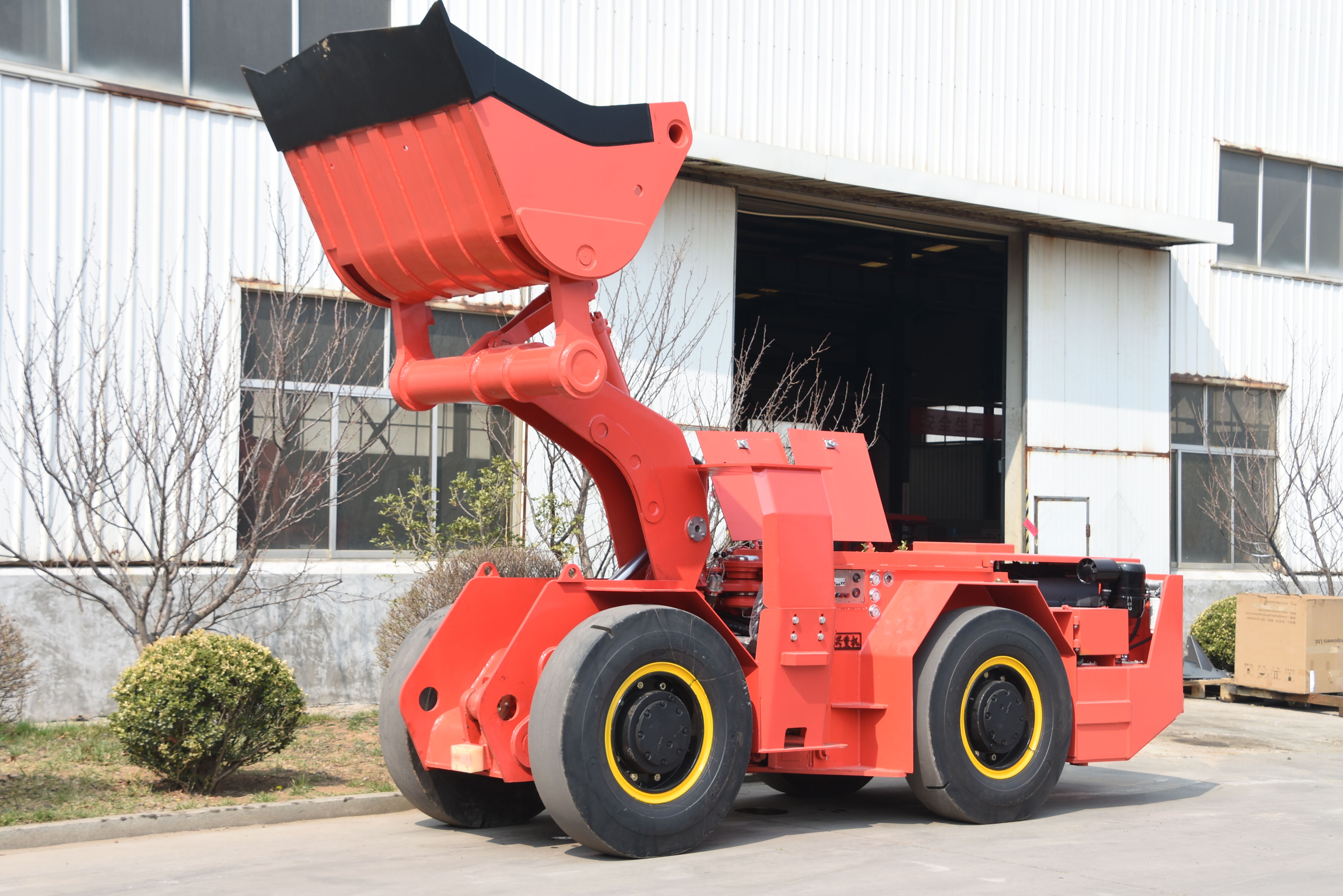
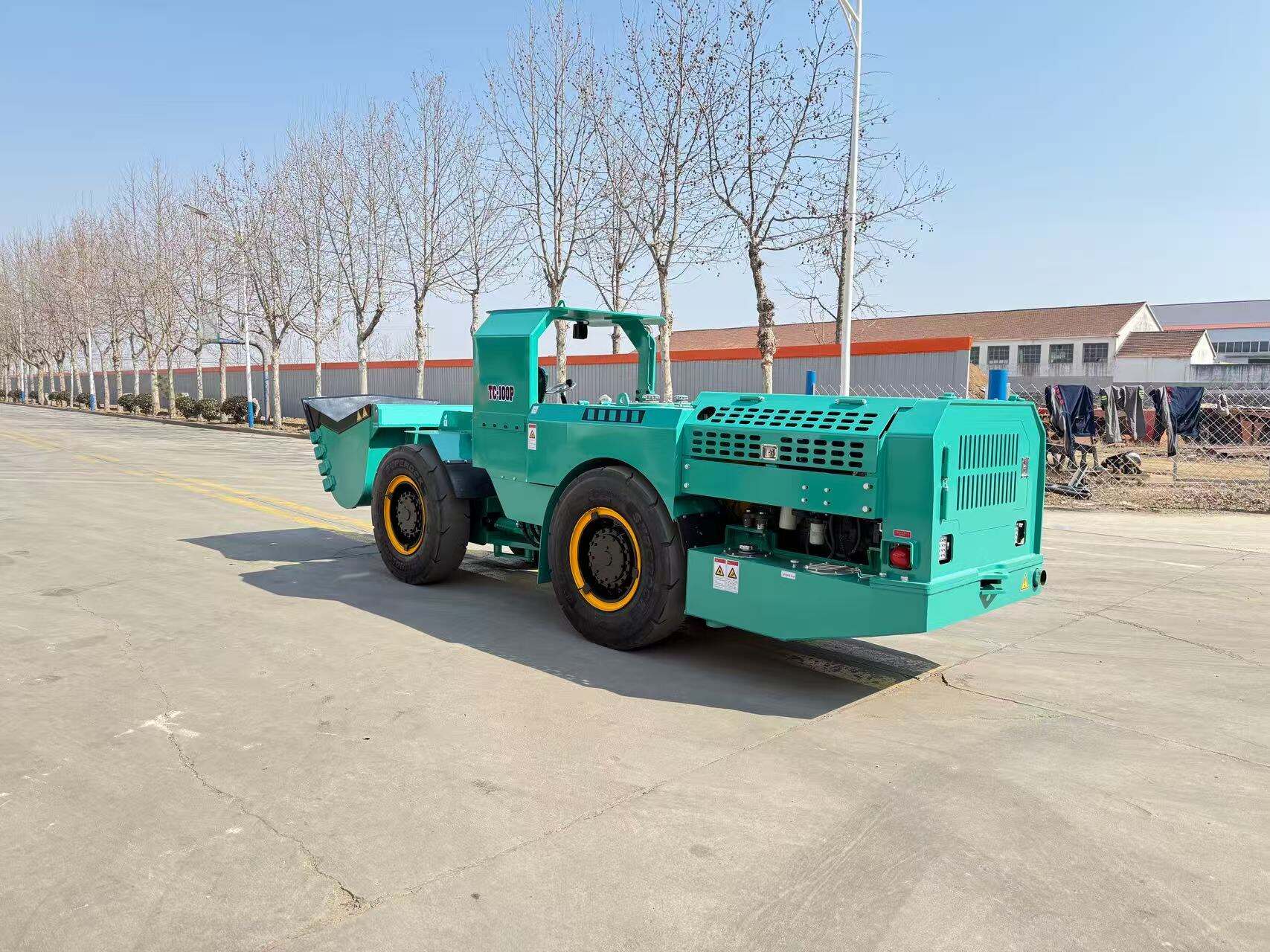
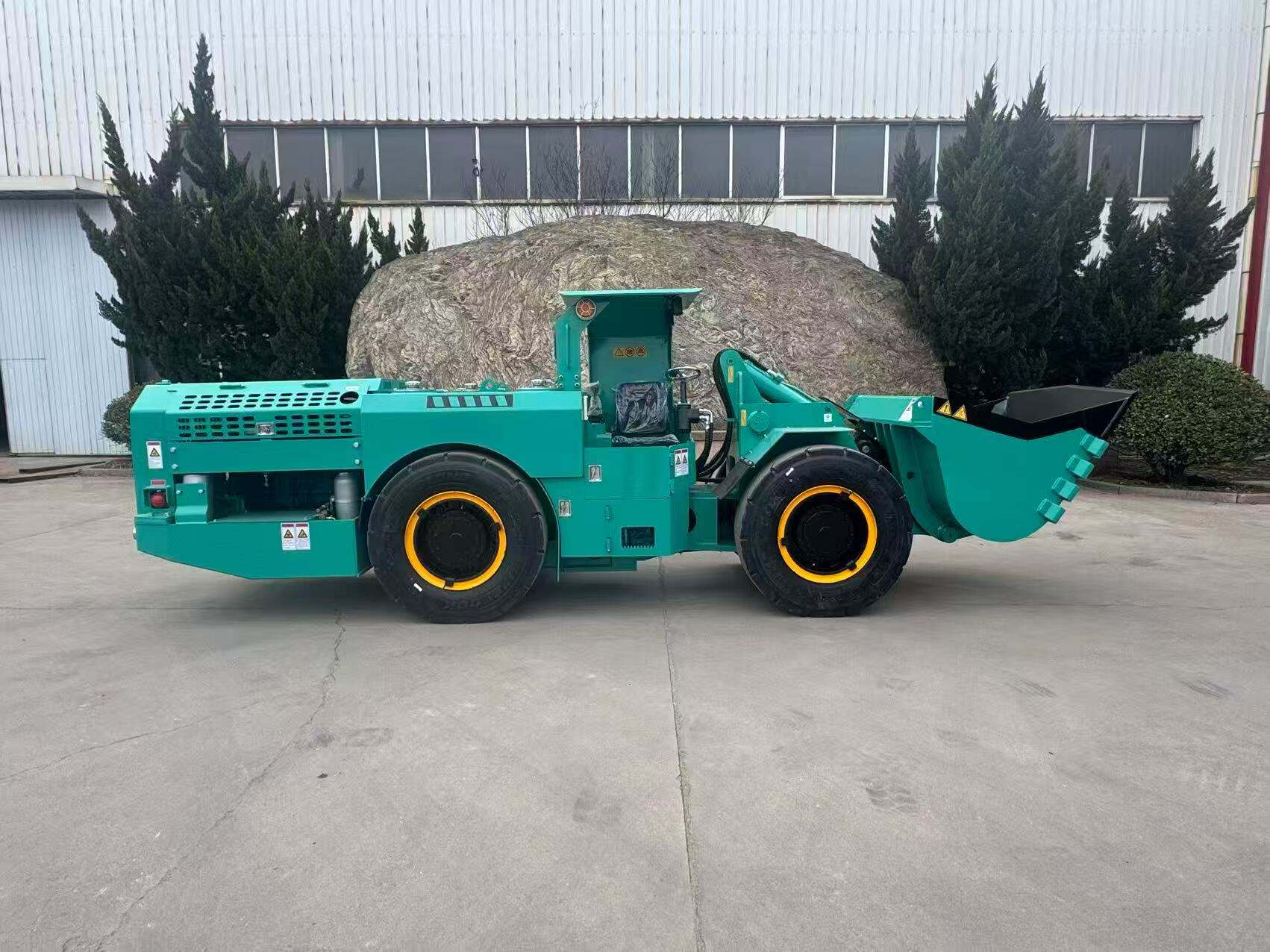
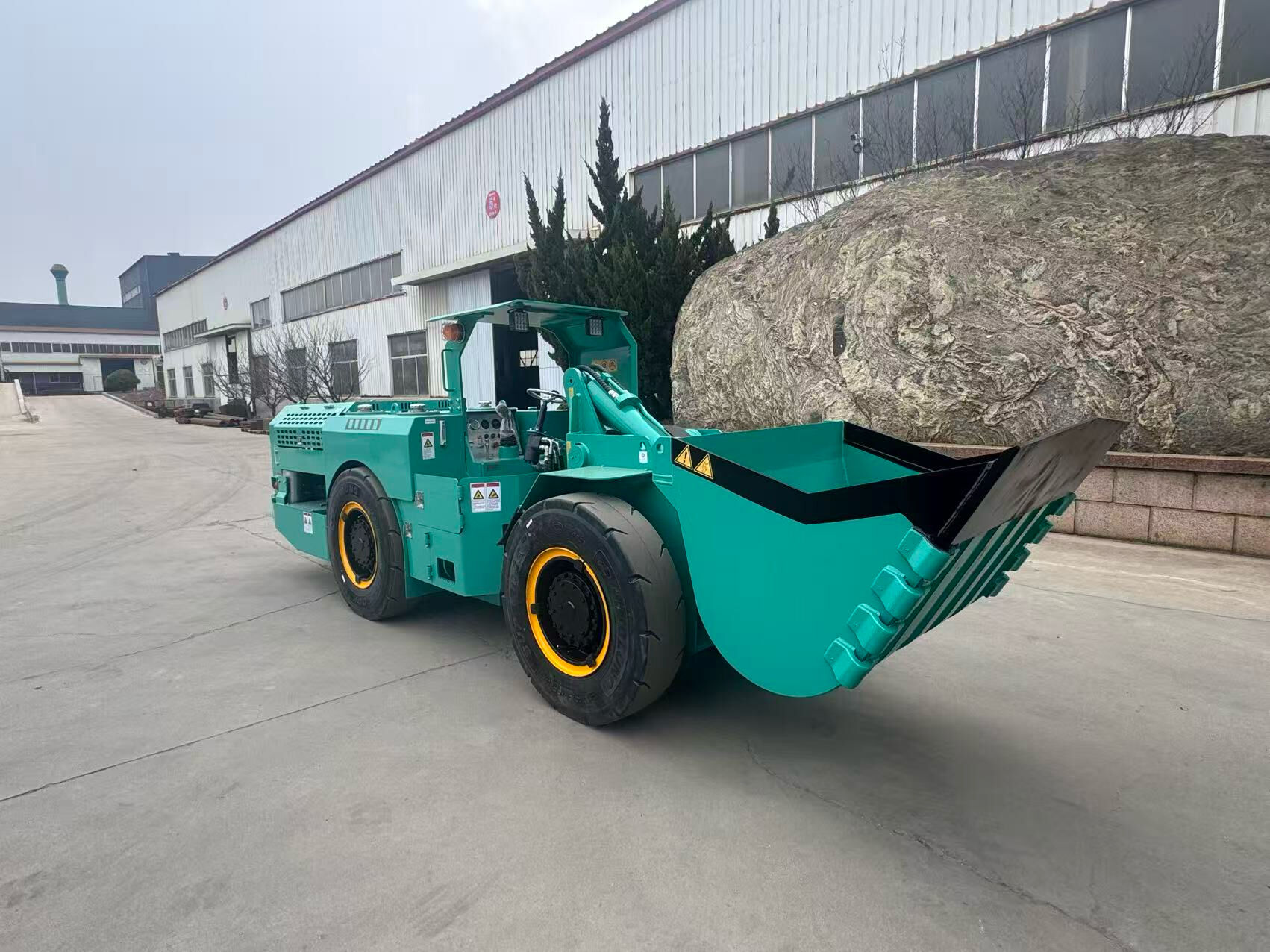
The narrow vein underground loader represents a specialized piece of mining equipment engineered specifically for operations in confined underground mining environments where ore bodies are limited in width. This compact machinery plays a crucial role in extracting valuable minerals from narrow vein deposits, typically ranging from 0.8 to 2.5 meters in width, where conventional mining equipment cannot operate effectively. The primary function of this loader involves gathering blasted ore and waste rock from the mining face and transporting it to designated collection points or ore passes for further processing. These machines are designed with a low profile and reduced overall dimensions, enabling them to navigate through tight mining drifts, tunnels, and stopes with remarkable efficiency. The technological features incorporated into modern narrow vein underground loaders include advanced hydraulic systems that provide powerful digging and lifting capabilities despite the machine's compact size. Many models feature articulated steering mechanisms that allow for exceptional maneuverability in restricted spaces, enabling operators to navigate sharp turns and confined areas with precision. The equipment typically utilizes diesel engines or electric power systems, with the latter becoming increasingly popular due to improved ventilation requirements and reduced emissions in underground settings. Modern units integrate sophisticated control systems that enhance operator safety and productivity, including remote control capabilities that allow operators to work from safe distances away from potential hazards. Applications for narrow vein underground loaders extend across various mining operations, including gold, silver, copper, and other precious metal extraction facilities where narrow vein deposits are common. These machines prove invaluable in small to medium-scale mining operations, artisanal mining ventures, and established mining companies working thin ore bodies. The loader's versatility makes it suitable for both development work and production mining activities, contributing significantly to the economic viability of narrow vein mining projects that would otherwise be challenging to exploit profitably using conventional equipment.

Popular Products

When mining companies invest in a narrow vein underground loader, they gain access to numerous practical benefits that directly impact their operational efficiency and bottom line. First and foremost, these specialized loaders enable mining operations to access and extract ore from deposits that would otherwise remain unexploited due to space constraints. This capability opens up entirely new revenue streams and extends the productive life of mining properties by making previously uneconomical ore bodies viable for extraction. The compact design of these machines translates into reduced development costs because mining companies can create smaller tunnels and drifts while maintaining full operational capability. Smaller tunnels require less rock removal, shorter development times, and decreased ventilation requirements, all of which contribute to substantial cost savings throughout the mine's operational lifespan. Operators appreciate the enhanced maneuverability these loaders provide, as the articulated steering and compact dimensions allow them to work efficiently in tight spaces where larger equipment would struggle or become completely ineffective. This maneuverability reduces the time spent on material handling operations and minimizes the need for additional repositioning, directly increasing the volume of ore moved per shift. The fuel efficiency of modern narrow vein underground loaders represents another significant advantage, as their smaller engines consume less fuel while still delivering the power needed for demanding underground operations. This efficiency reduces operating costs and, in the case of electric models, dramatically improves the underground working environment by eliminating diesel exhaust emissions. Safety improvements constitute a major benefit, with modern models incorporating protective operator cabins, excellent visibility, and remote control options that keep workers away from hazardous areas during loading operations. The reduced equipment weight also minimizes ground pressure, decreasing the risk of floor failures in areas with challenging ground conditions. Maintenance accessibility has been carefully considered in these machines, with service points positioned for easy access even in confined underground locations, reducing downtime and maintenance costs. The versatility of narrow vein underground loaders allows them to handle various tasks beyond ore loading, including material transport, cleanup operations, and supporting development activities, maximizing the return on investment. Mining operations also benefit from the reduced capital investment required compared to larger equipment, making these loaders particularly attractive for smaller mining companies or those testing new ore bodies. The equipment's ability to operate in low-ceiling environments means mines can maintain lower excavation profiles, further reducing development costs and improving overall project economics while maintaining safe and productive operations.

Latest News

How Do Underground Mining Dump Trucks Handle Extreme Tunnel Conditions?

17

Nov

How Do Underground Mining Dump Trucks Handle Extreme Tunnel Conditions?

Underground mining operations present some of the most challenging working environments in industrial machinery, where specialized equipment must perform reliably under extreme conditions. Underground mining dump trucks represent a critical component...
View More
What Safety Features Are Essential in Modern Underground LHD Loaders?

11

Dec

What Safety Features Are Essential in Modern Underground LHD Loaders?

Underground mining operations present unique challenges that demand specialized equipment designed with safety as the paramount concern. Underground LHD loaders have evolved significantly over the decades, incorporating advanced safety technologies t...
View More
What Factors Affect the Performance of an Underground Mining Scoop?

07

Jan

What Factors Affect the Performance of an Underground Mining Scoop?

The performance of an underground mining scoop depends on numerous interconnected factors that directly impact productivity, safety, and operational efficiency in mining operations. Understanding these variables is crucial for mining engineers and op...
View More
LHD vs. Excavator: Why Underground Mines Choose One Over the Other

18

Mar

LHD vs. Excavator: Why Underground Mines Choose One Over the Other

Underground mining operations face critical equipment selection decisions that directly impact productivity, safety, and operational costs. When evaluating LHD vs excavator options, mining engineers must consider the unique challenges of subterranean...
View More

Get a Free Quote

Our representative will contact you soon.
Email
Name
Company Name
Message
0/1000

narrow vein underground loader

Superior Maneuverability in Confined Underground Spaces

Superior Maneuverability in Confined Underground Spaces

The exceptional maneuverability of the narrow vein underground loader stands as one of its most valuable characteristics, fundamentally changing how mining operations approach work in restricted environments. This maneuverability stems from several integrated design features working in harmony to create a machine that navigates tight spaces with remarkable ease. The articulated steering system represents the cornerstone of this capability, allowing the loader to bend in the middle rather than relying on traditional front-wheel steering alone. This articulation point enables the machine to execute extremely tight turning radii, often approaching zero-radius turns, which proves essential when working in narrow drifts where turning space is severely limited. Operators can position the loader precisely at the face, load material efficiently, and then navigate through winding tunnels without the constant repositioning that wastes valuable production time. The compact wheelbase and overall reduced dimensions complement the articulated steering, ensuring the machine fits comfortably within the geometric constraints of narrow vein mining environments. Engineers have optimized the weight distribution across the chassis to maintain stability during the articulation movement, preventing tipping or loss of traction that could compromise safety or productivity. The low profile design allows these loaders to operate in areas with limited overhead clearance, accessing ore bodies beneath low-hanging rock formations or within shallow stopes that larger equipment cannot enter. This vertical compactness does not sacrifice operator comfort or visibility, as cab designs incorporate intelligent space utilization to maintain ergonomic working conditions. The steering responsiveness has been calibrated to provide operators with intuitive control, allowing even less experienced personnel to maneuver effectively after minimal training periods. Advanced hydraulic systems power the articulation mechanism, delivering smooth, controlled movements that prevent jarring motions which could destabilize loads or create unsafe conditions. The maneuverability advantage extends beyond simple navigation, enabling operators to approach loading faces from optimal angles, maximizing bucket fill rates and reducing cycle times. In practical terms, this superior maneuverability means mining operations can maintain higher productivity levels in challenging environments, access ore that would otherwise require extensive and costly additional development, and operate safely in spaces where conventional equipment would create bottlenecks or safety hazards. The ability to work efficiently in these confined areas directly translates to improved mine economics and enhanced worker satisfaction.
Optimized Power and Efficiency for Underground Operations

Optimized Power and Efficiency for Underground Operations

The power and efficiency optimization in narrow vein underground loaders represents a sophisticated engineering achievement that balances performance requirements with the unique constraints of underground mining environments. Modern narrow vein underground loaders incorporate powertrains specifically calibrated to deliver maximum productivity while minimizing energy consumption and environmental impact. The engine selection process considers factors including power output, fuel efficiency, emissions profiles, and heat generation, all critical considerations in confined underground spaces with limited ventilation capacity. Diesel-powered variants utilize advanced engine technologies including turbocharging, intercooling, and electronic fuel injection to extract maximum power from compact engine packages while maintaining reasonable fuel consumption rates. These engines meet stringent emissions standards, incorporating after-treatment systems that reduce particulate matter and harmful gases, protecting worker health and reducing ventilation demands. Electric-powered narrow vein underground loaders have gained considerable traction in recent years, offering zero-point-of-use emissions that dramatically improve underground air quality. These electric models connect to mine power distribution systems or utilize advanced battery technologies that provide sufficient operational duration between charging cycles. The elimination of diesel exhaust means ventilation systems can be downsized, reducing infrastructure costs and ongoing operating expenses associated with moving massive volumes of air through underground workings. The hydraulic systems on these loaders exemplify efficiency optimization, with load-sensing pumps that adjust flow rates based on actual demand rather than running continuously at maximum capacity. This intelligent hydraulic management reduces parasitic power losses, lowers heat generation, and extends component life while maintaining the rapid cycle times essential for productive operations. The transmission systems, whether hydrostatic or powershift designs, are matched precisely to the loader's operating profile, ensuring smooth power delivery across the speed range while maximizing fuel efficiency. Operators benefit from intuitive control interfaces that allow them to modulate power delivery based on conditions, conserving energy during light-duty operations while accessing full power reserves when needed for heavy loading tasks. The overall efficiency of these machines translates directly into lower operating costs per ton of ore moved, a critical metric for mining profitability. Additionally, the reduced heat output from efficient powertrains decreases cooling requirements and contributes to more comfortable working conditions in underground environments where heat accumulation poses significant challenges. Mining operations appreciate how these efficiency gains compound over time, with fuel savings, reduced maintenance requirements, and lower infrastructure demands creating substantial economic advantages throughout the equipment's service life.

Enhanced Safety Features and Operator Protection

Enhanced Safety Features and Operator Protection

Safety considerations dominate the design philosophy of modern narrow vein underground loaders, with manufacturers incorporating multiple protective systems that safeguard operators while maintaining productivity in inherently hazardous underground mining environments. The operator cabin represents the first line of defense, constructed using reinforced structures that provide rollover protection and falling object protection, essential safeguards when working beneath potentially unstable ground conditions. These cabins undergo rigorous testing to meet or exceed international safety standards, ensuring they can withstand significant impacts without compromising operator safety. The cabin design also incorporates strategic visibility enhancements, with large glass areas and thoughtfully positioned structural members that minimize blind spots, allowing operators to maintain constant awareness of their surroundings. This comprehensive visibility proves particularly valuable when working in confined spaces where hazards may approach from unexpected directions or when coordinating with ground personnel working nearby. Advanced lighting systems integrated into the loader provide brilliant illumination of working areas, essential for safe operations in the perpetual darkness of underground mining environments. Modern narrow vein underground loaders frequently incorporate remote control capabilities, representing a quantum leap in operator safety by allowing personnel to operate the equipment from protected locations away from active loading faces. This remote operation proves invaluable during potentially hazardous operations such as scaling loose rock, clearing unstable material, or working in areas with questionable ground conditions. The remote control systems utilize reliable wireless communication protocols with fail-safe mechanisms that bring the machine to a controlled stop if communication is interrupted. Ergonomic considerations within the operator station reduce fatigue-related errors, with adjustable seating, climate control systems, and vibration dampening that keep operators comfortable and alert throughout extended shifts. The control interfaces employ intuitive layouts that reduce the cognitive load on operators, allowing them to focus attention on the working environment rather than struggling with complex machine operation. Emergency stop systems are positioned for easy access, enabling rapid machine shutdown if dangerous situations develop. The loader's stability control systems prevent tip-overs during operation on sloped surfaces or when handling unbalanced loads, automatically modulating hydraulic functions to maintain safe operating parameters. Maintenance safety receives equal attention, with lockout-tagout provisions, clearly marked service points, and guarding around moving components that protect technicians during routine service operations. Fire suppression systems on many models provide automatic detection and suppression capabilities, addressing one of the most serious hazards in underground mining. These comprehensive safety features demonstrate a holistic approach to protecting workers while enabling productive operations in challenging underground environments.

Get a Free Quote

Our representative will contact you soon.
Email
Name
Company Name
Message
0/1000