Remote Control Underground Scooptram: Advanced Safety and Productivity for Modern Mining Operations

All Categories

remote control underground scooptram

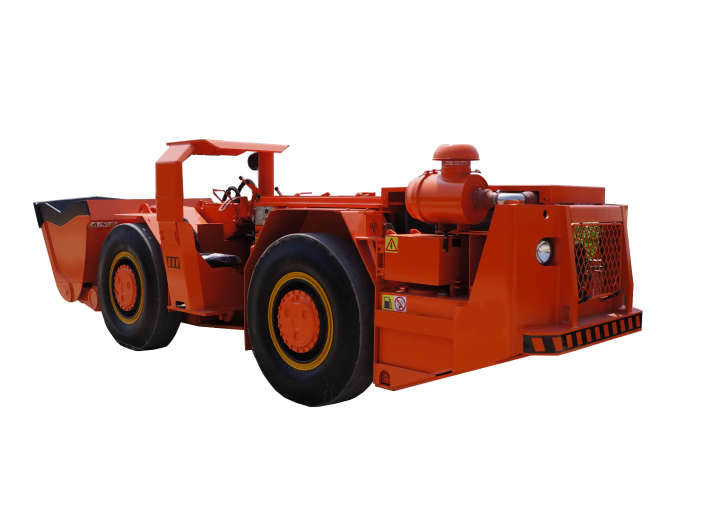
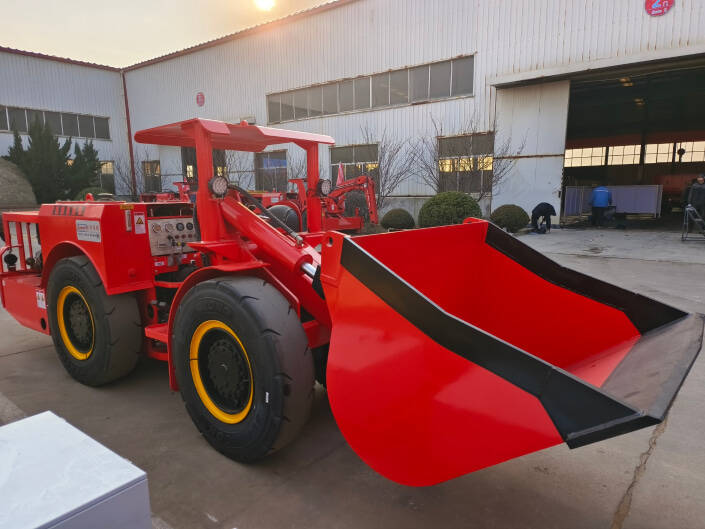
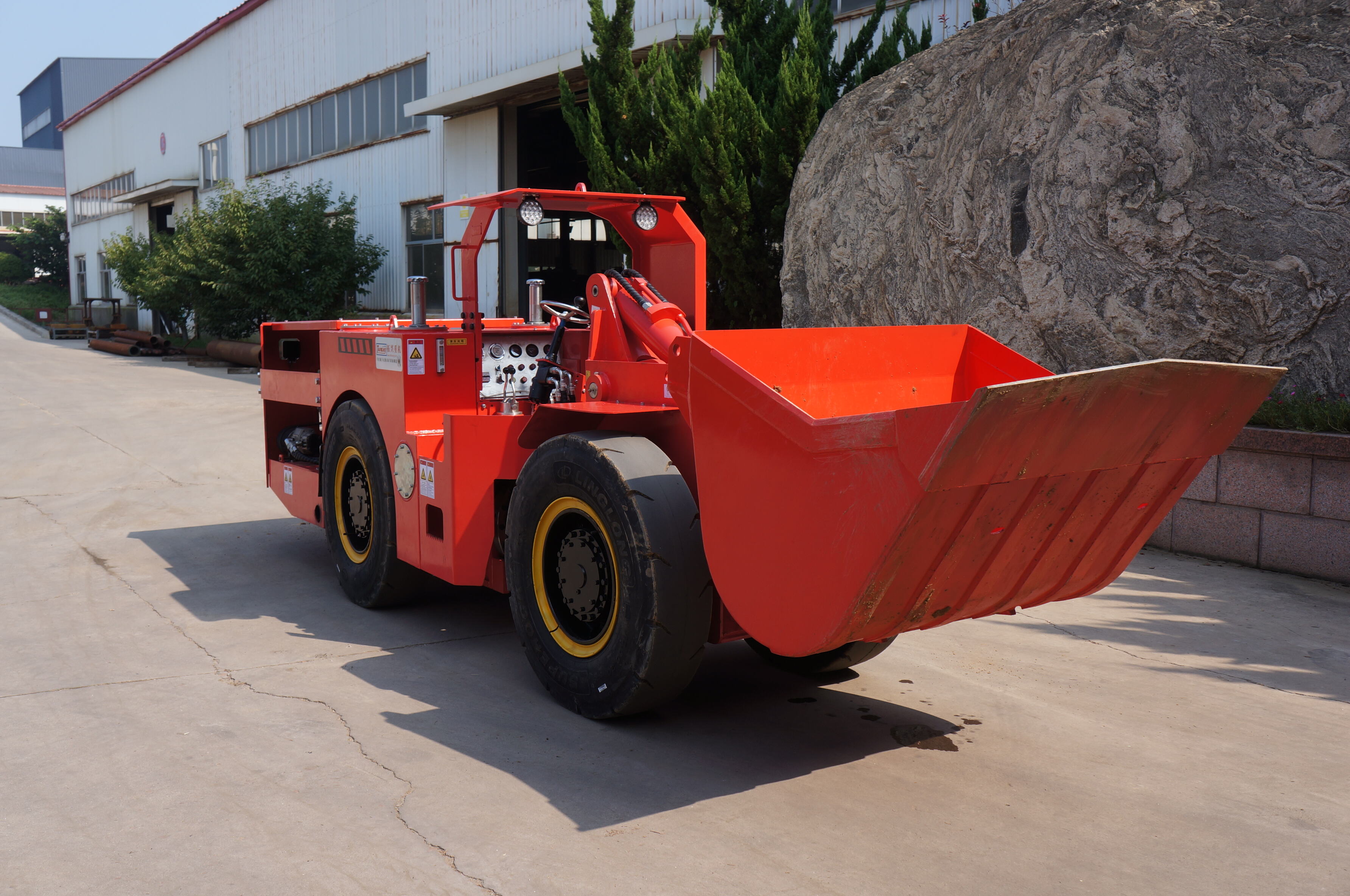
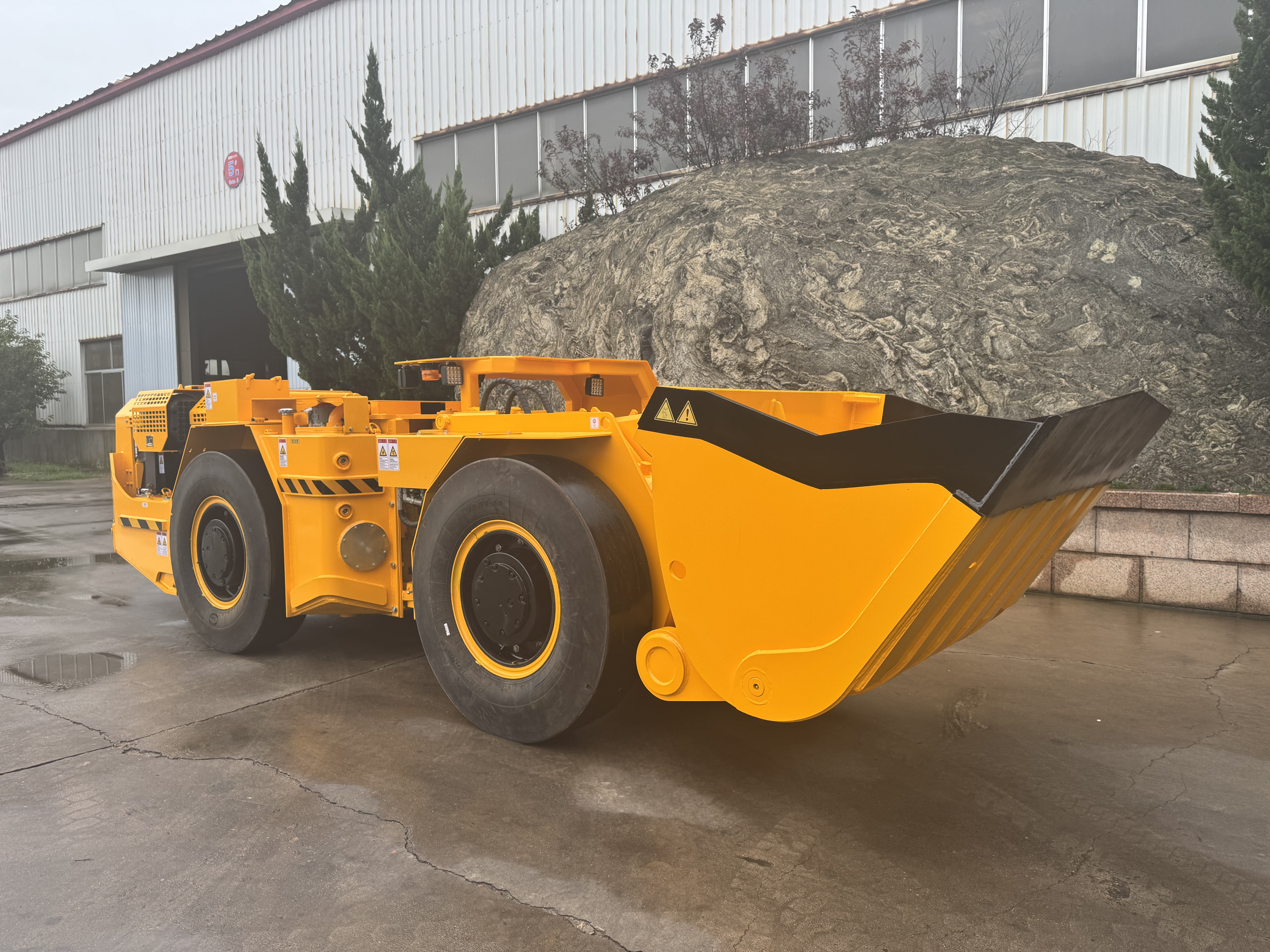
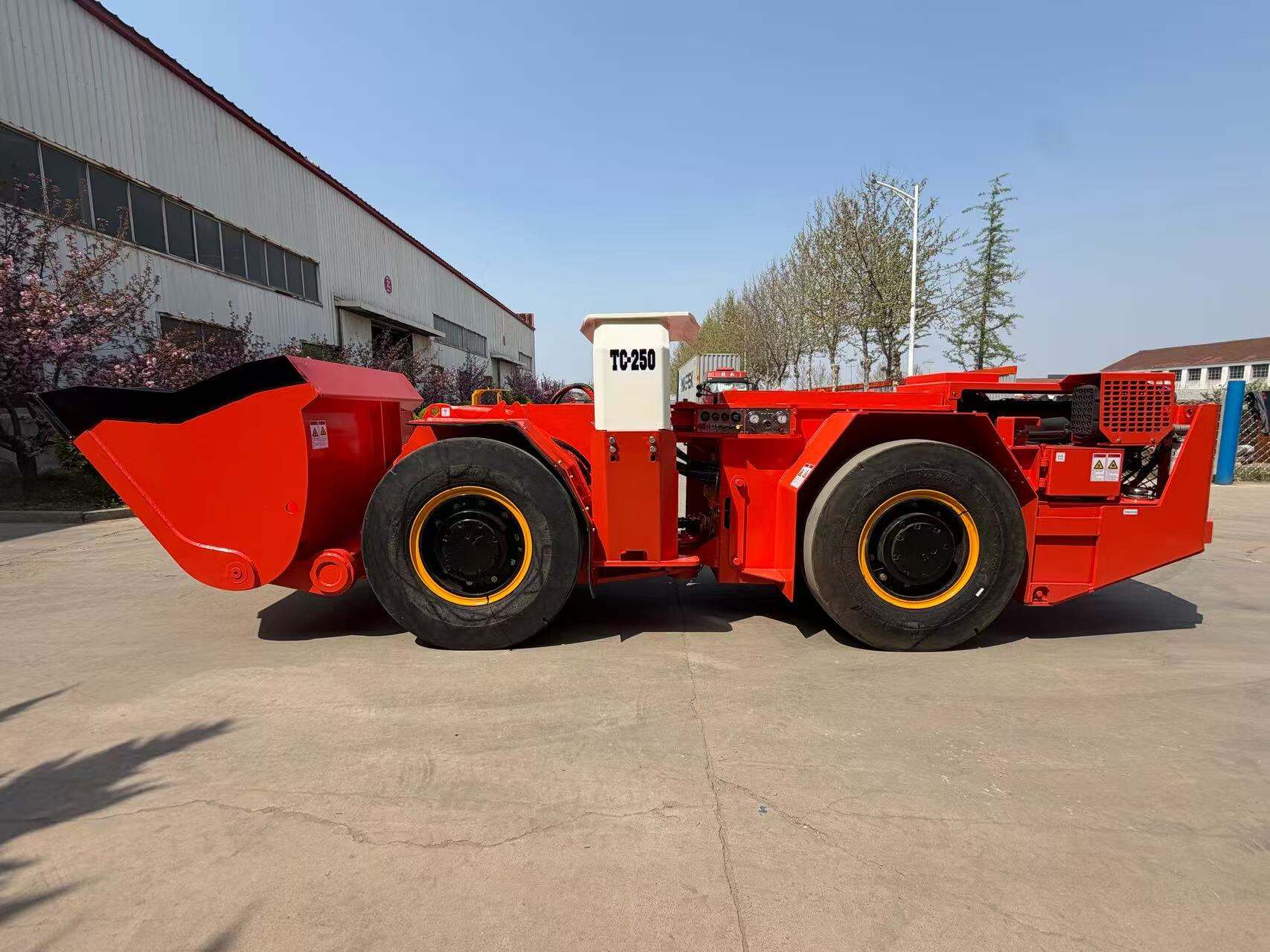
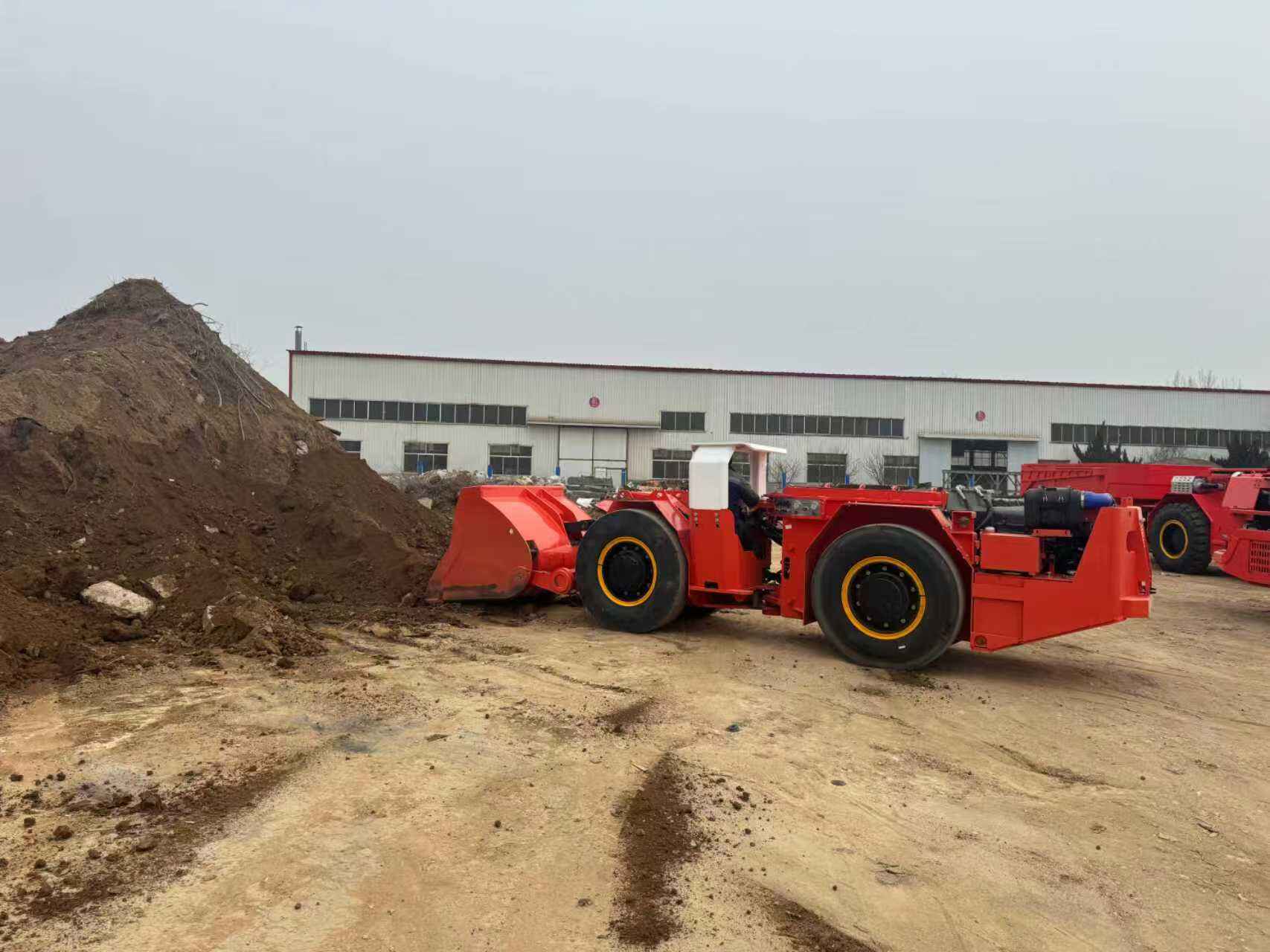
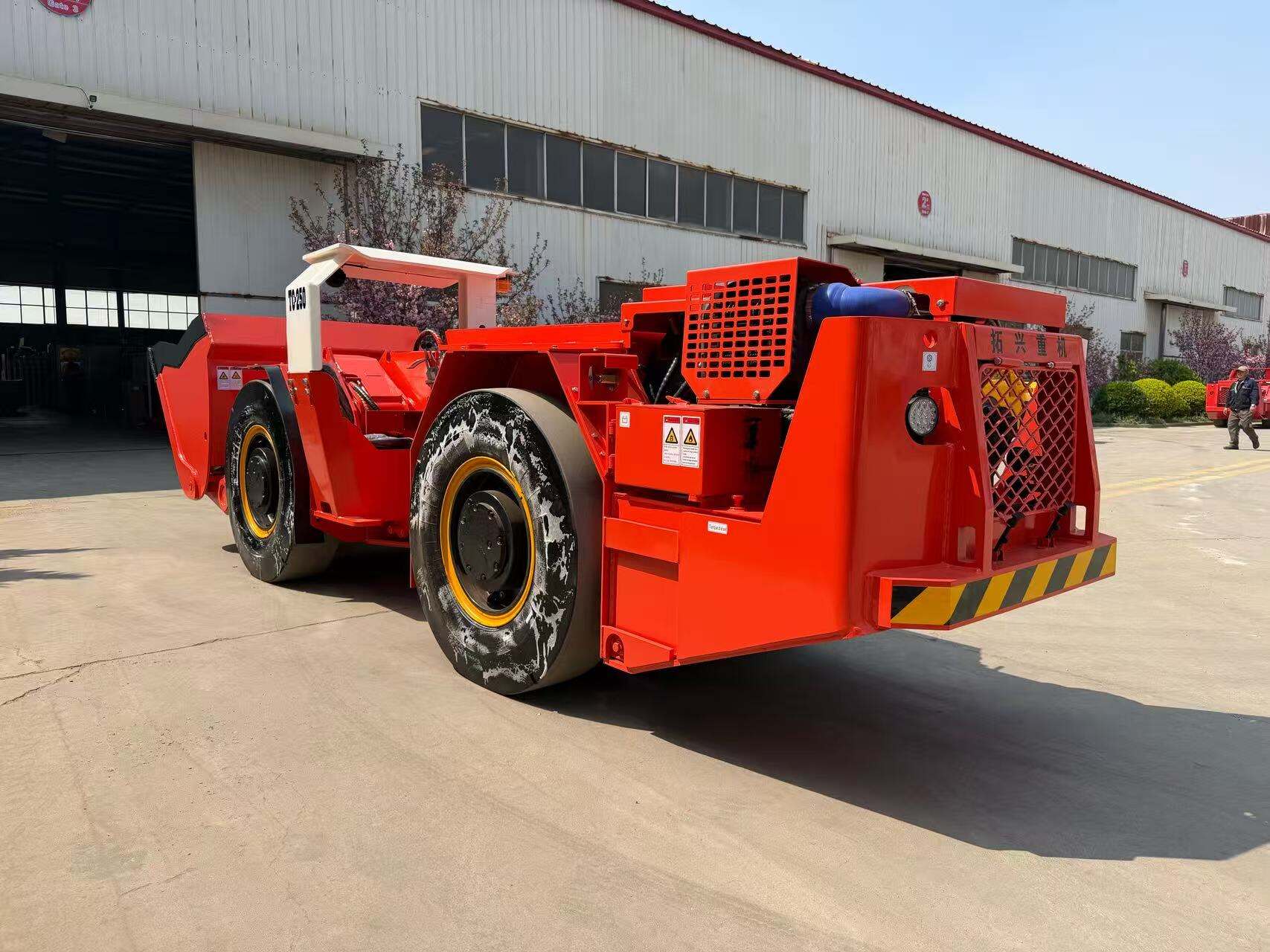
The remote control underground scooptram represents a groundbreaking advancement in mining equipment technology, designed specifically to enhance safety and productivity in underground mining operations. This innovative machine allows operators to control loading and hauling activities from a secure distance, eliminating the need for personnel to work in potentially hazardous underground environments. The remote control underground scooptram combines robust mechanical engineering with cutting-edge wireless communication systems to deliver precise control and exceptional performance in the most challenging mining conditions. At its core, this equipment functions as a load-haul-dump vehicle that can be operated via a remote interface, giving operators full command over movement, loading, dumping, and navigation without physical presence in the cabin. The technological architecture incorporates real-time video feedback systems, allowing operators to maintain complete situational awareness through multiple camera angles positioned strategically around the machine. Advanced sensor arrays provide critical information about the surrounding environment, detecting obstacles and ensuring safe operation even in low-visibility conditions. The remote control underground scooptram features powerful hydraulic systems capable of handling substantial payloads, typically ranging from 3 to 6 cubic meters depending on the model, making it suitable for various mining scales and applications. Its compact design enables maneuverability through narrow underground tunnels and tight working spaces where larger equipment cannot operate effectively. The machine's application scope extends across multiple mining sectors, including gold, copper, iron ore, and other metallic and non-metallic mineral extraction operations. Beyond traditional mining, these machines prove invaluable in tunnel construction projects, underground maintenance work, and rehabilitation of abandoned mine sites where human safety concerns are paramount. The integration of remote control technology transforms conventional scooptram operations into safer, more efficient processes that maximize resource extraction while minimizing operational risks and protecting valuable human resources from underground hazards.

New Product Releases

The remote control underground scooptram delivers transformative benefits that directly impact your mining operation's safety record, productivity levels, and overall profitability. First and foremost, this technology dramatically improves workplace safety by removing operators from dangerous underground locations where rock falls, equipment collisions, and exposure to harmful gases pose constant threats. Your team can now manage loading operations from safe control rooms located on the surface or in protected areas, significantly reducing injury risks and insurance costs. This distance-based operation model means your personnel no longer breathe dust-filled air or endure the physical stress of operating machinery in confined, high-temperature environments. The equipment increases operational efficiency by maintaining consistent performance throughout shifts without the fatigue factors that affect human operators working in harsh conditions. Your mine can achieve higher productivity rates because remote operators can switch between multiple machines without travel time, managing several scooptrams during a single shift. The technology enables continuous operation during blasting activities and in areas with poor ground conditions where sending personnel would be unsafe, maximizing your extraction windows and reducing costly downtime. Maintenance becomes more predictable and cost-effective as the remote control underground scooptram incorporates diagnostic systems that monitor component health in real-time, alerting your maintenance teams before minor issues escalate into expensive breakdowns. This predictive approach reduces unplanned stoppages and extends equipment lifespan, protecting your capital investment. The machines offer remarkable flexibility in staffing, allowing you to deploy skilled operators across different shifts and locations without geographical constraints, optimizing your labor resources. Training new operators becomes safer and more efficient using simulation modes that let trainees develop skills without risking equipment or safety. Your operation gains competitive advantages through reduced operating costs per ton of material moved, as the technology minimizes personnel exposure time, reduces the need for elaborate ventilation in working areas, and decreases compensation claims. Environmental compliance improves because operators can work effectively in sections with marginal air quality that would otherwise require expensive ventilation upgrades. The precision control available through remote operation reduces accidental damage to mine infrastructure, lowering repair costs and maintaining optimal haulage routes. Investment in remote control underground scooptram technology positions your operation at the forefront of mining innovation, making your company more attractive to investors, partners, and talented personnel who value modern, safety-focused work environments.

Tips And Tricks

How Can an Underground LHD Loader Improve Efficiency in Mining Operations?

11

Dec

How Can an Underground LHD Loader Improve Efficiency in Mining Operations?

Enhancing Mining Productivity with Underground LHD Loaders Underground mining operations demand high efficiency, safety, and reliability. The introduction of underground LHD (Load, Haul, Dump) loaders has revolutionized mining processes, providing a ...
View More
How Do Load Capacity and Size Affect Underground LHD Loader Performance?

11

Dec

How Do Load Capacity and Size Affect Underground LHD Loader Performance?

Underground mining operations depend heavily on efficient material handling equipment, with the underground LHD loader serving as the backbone of productive ore extraction and transportation. These versatile machines must navigate confined spaces whi...
View More
Mining’s Next Frontier: How 5G and Remote-Controlled Underground LHDs Are Revolutionizing Underground Operations

18

Mar

Mining’s Next Frontier: How 5G and Remote-Controlled Underground LHDs Are Revolutionizing Underground Operations

The mining industry stands at a transformative crossroads where cutting-edge telecommunications technology meets advanced underground equipment automation. This revolution centers on the deployment of 5G networks paired with remote-controlled undergr...
View More
Cable vs. Battery: Comparing Power Sources for Electric LHDs Underground

18

Mar

Cable vs. Battery: Comparing Power Sources for Electric LHDs Underground

The power source selection for electric LHDs represents one of the most critical decisions facing underground mining operations today. As mines push deeper and operational demands intensify, the choice between cable-fed and battery-powered electric L...
View More

Get a Free Quote

Our representative will contact you soon.
Email
Name
Company Name
Message
0/1000

remote control underground scooptram

Advanced Safety Features That Protect Your Most Valuable Asset

Advanced Safety Features That Protect Your Most Valuable Asset

The remote control underground scooptram revolutionizes mining safety through comprehensive protective systems that prioritize human life above all operational considerations. This equipment eliminates the single greatest risk factor in underground mining by removing operators from direct exposure to unstable rock formations, unpredictable ground conditions, and the numerous hazards inherent in confined underground spaces. The machine's safety architecture begins with its robust communication infrastructure, utilizing redundant wireless protocols that maintain reliable connections even in challenging underground environments where radio frequency interference and signal attenuation typically disrupt conventional systems. Multiple fail-safe mechanisms automatically halt operations if communication is interrupted, preventing uncontrolled machine movement that could endanger personnel or damage infrastructure. The remote control underground scooptram incorporates sophisticated collision avoidance technology featuring proximity sensors that create a protective envelope around the machine, detecting nearby objects, walls, and personnel before contact occurs. Visual warning systems alert both the remote operator and any personnel in the vicinity when the equipment enters operation, establishing clear safety protocols that prevent accidents caused by unexpected machine movement. The elevated control position afforded by remote operation provides operators with superior visibility through high-definition camera systems that surpass the limited sight lines available from traditional cabin positions, enabling better decision-making and hazard recognition. Emergency stop capabilities can be activated from multiple sources including the remote control unit, the machine itself, and strategically positioned emergency stations throughout the work area, ensuring that operations can be halted immediately when safety concerns arise. The technology significantly reduces exposure to airborne contaminants including silica dust, diesel particulate matter, and naturally occurring radiation present in certain ore bodies, directly improving long-term health outcomes for your workforce. By operating from climate-controlled environments, your team avoids the physiological stress of extreme temperatures, humidity, and the ergonomic challenges of navigating rough terrain in cramped operator cabins. This safety-first approach translates directly into reduced insurance premiums, lower compensation costs, improved employee retention, and enhanced corporate reputation as a responsible employer committed to protecting workers while maintaining productive operations.
Productivity Enhancement Through Intelligent Automation

Productivity Enhancement Through Intelligent Automation

The remote control underground scooptram transforms operational efficiency by integrating intelligent systems that maximize material movement while minimizing cycle times and energy consumption. Unlike conventional equipment where productivity fluctuates based on operator fatigue, skill variation, and the physical demands of underground work, this technology maintains consistent performance standards throughout entire shifts and across your operation's lifecycle. The machine's precision control systems enable operators to execute loading maneuvers with accuracy that reduces material spillage, optimizes bucket fill rates, and minimizes unnecessary movements that waste time and fuel. Advanced hydraulic management automatically adjusts power delivery based on load requirements, ensuring maximum efficiency during digging operations while conserving energy during transport cycles. The remote control underground scooptram supports simultaneous operation of multiple units by single operators during specific workflow phases, dramatically improving your asset utilization rates and reducing the operator-to-machine ratio that traditionally limits productivity scaling. Sophisticated path planning algorithms assist operators in selecting optimal routes through underground workings, reducing travel distances and cycle times while avoiding congestion points that slow material flow. Real-time performance monitoring provides supervisors with comprehensive data on machine utilization, payload weights, cycle times, and fuel consumption, enabling data-driven decisions that continuously improve operational efficiency. The technology facilitates 24-hour operation in areas where personnel access would be restricted due to ground control activities, ventilation limitations, or environmental conditions, effectively expanding your productive hours without increasing safety risks. Integration capabilities allow the remote control underground scooptram to communicate with broader mine management systems, coordinating activities with crushers, conveyors, and haulage trucks to optimize the entire material handling chain. Operators working from comfortable control environments maintain higher concentration levels and make better decisions throughout their shifts compared to counterparts enduring physical stress in underground cabins, directly improving productivity and reducing errors. The equipment's ability to operate effectively in recently blasted areas before ventilation fully clears enables faster development rates and quicker access to ore bodies, compressing project timelines and accelerating revenue generation. Predictive maintenance scheduling based on actual operating conditions rather than generic time intervals keeps machines in service longer, reducing the productivity losses associated with unnecessary preventive maintenance or unexpected breakdowns that halt operations.
Cost Efficiency Through Reduced Operational Expenses

Cost Efficiency Through Reduced Operational Expenses

The remote control underground scooptram delivers substantial financial benefits that improve your bottom line through multiple cost-reduction mechanisms spanning labor, infrastructure, maintenance, and operational efficiency. Labor cost optimization begins with the ability to centralize operators in surface control facilities, eliminating the significant time and expense associated with transporting personnel to underground work locations, providing dedicated operator transport vehicles, and maintaining extensive underground facilities for crew rooms and amenities. This centralization enables flexible scheduling where operators can quickly transition between controlling different machines or supporting various mining sections without the travel overhead that limits traditional equipment deployment. Your operation can strategically position highly skilled operators to manage critical production areas remotely while utilizing less experienced personnel for auxiliary tasks, optimizing your labor investment and reducing training costs across the workforce. The remote control underground scooptram dramatically decreases ventilation requirements in active working areas because fewer personnel need access to these locations, translating into substantial energy savings from reduced fan operation, lower diesel consumption from decreased airflow resistance, and deferred capital expenditure on ventilation infrastructure expansion. Infrastructure cost reductions extend to eliminated or simplified access development because remote-controlled equipment can operate in areas where providing safe personnel access would require extensive ground support, wider openings, and enhanced escape routes. Maintenance expenses decrease through the diagnostic capabilities that monitor component wear, fluid conditions, and system performance continuously, enabling condition-based servicing that replaces components only when necessary rather than following conservative schedules that prematurely retire serviceable parts. The technology reduces damage-related repair costs because operators viewing multiple camera angles and receiving proximity warnings make more informed decisions that avoid collisions with walls, infrastructure, and other equipment that commonly occur in restricted-visibility underground environments. Fuel efficiency improvements result from optimized operating patterns, reduced idle time, and intelligent power management systems that match engine output to instantaneous demand rather than maintaining constant high-power states regardless of task requirements. The remote control underground scooptram extends equipment lifespan by eliminating operator-induced wear patterns including excessive speed over rough terrain, harsh braking, and aggressive hydraulic cycling that accelerate component deterioration when operators rush to complete tasks or cope with uncomfortable working conditions. Insurance cost reductions follow naturally from improved safety records, with fewer incidents leading to lower premiums and reduced self-insured retention expenses that significantly impact annual operating budgets. The technology enables operation in marginally economic ore zones that would not justify the safety infrastructure required for personnel access, expanding your resource base and extending mine life without proportional cost increases.


Get a Free Quote

Our representative will contact you soon.
Email
Name
Company Name
Message
0/1000