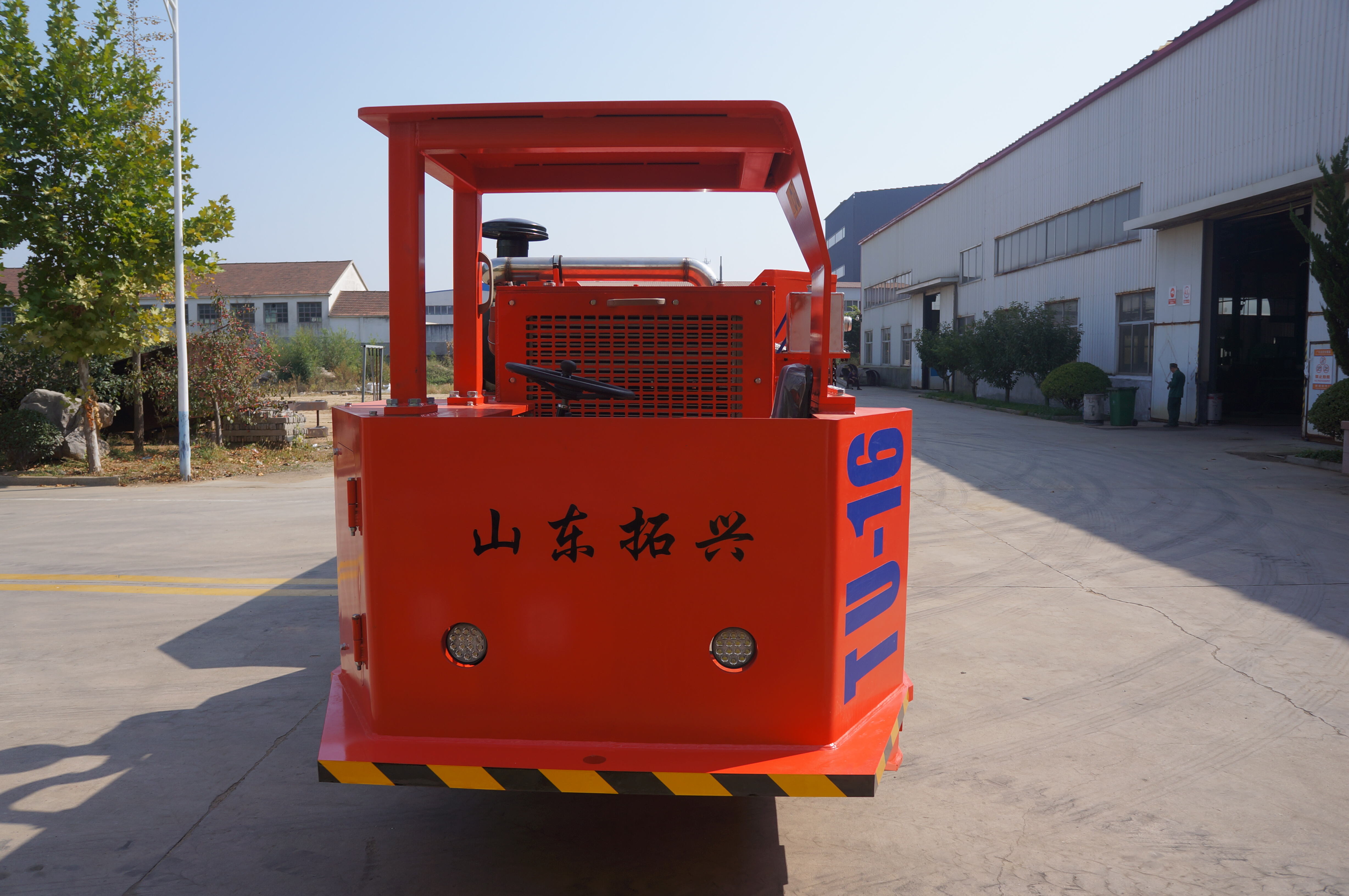
Advanced Technology Integration Enhances Operational Control
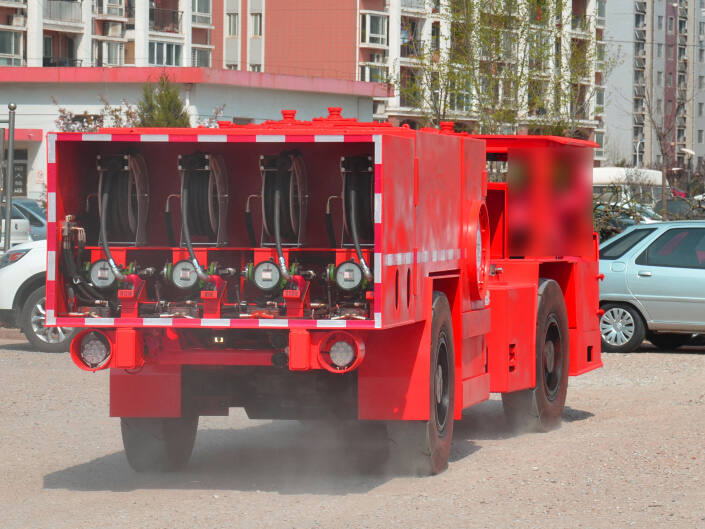
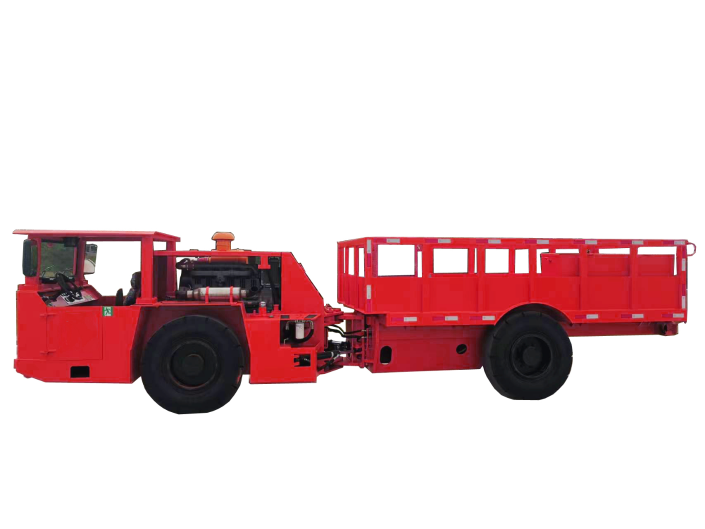
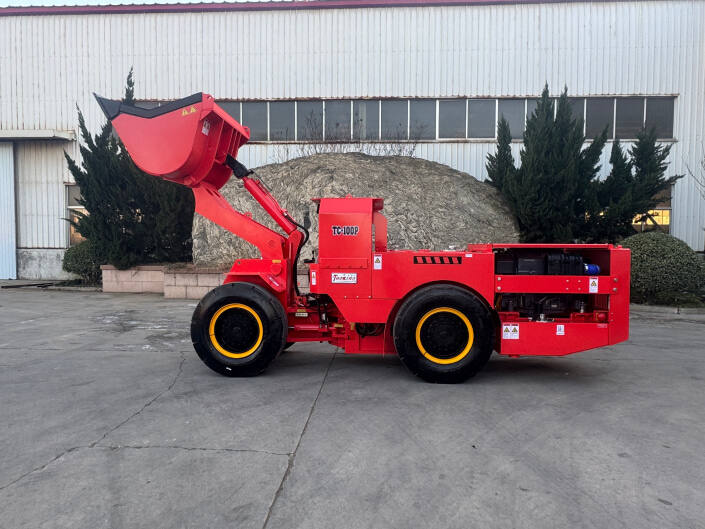
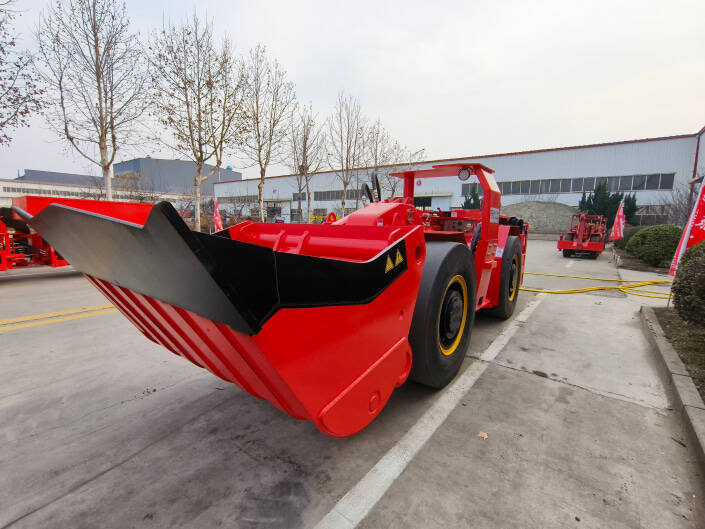
Modern mining big truck models incorporate sophisticated technology systems that transform these vehicles from simple haulers into intelligent assets providing comprehensive operational intelligence and automated assistance. GPS tracking systems monitor vehicle location with precision, enabling dispatchers to optimize traffic flow, reduce congestion at loading points, and ensure efficient assignment of trucks to shovels or excavators based on real-time conditions. Onboard diagnostic systems continuously monitor hundreds of parameters including engine performance, transmission temperatures, brake wear, hydraulic pressure levels, and structural stress indicators, alerting operators and maintenance teams to potential issues before they escalate into costly failures requiring extended downtime. The integration of collision avoidance technology uses radar, lidar, and camera systems to detect obstacles, other vehicles, and personnel in the vicinity of the mining big truck, automatically alerting operators or even applying brakes if dangerous situations develop. Operator assistance features include grade monitoring that warns drivers about excessively steep slopes, speed limiting systems that prevent unsafe velocities based on load status and road conditions, and traction control that optimizes power delivery to wheels experiencing varying grip levels. Telematics platforms aggregate data from entire fleets of mining big truck vehicles, providing managers with actionable insights about fuel efficiency trends, operator performance variations, maintenance cost patterns, and productivity metrics that guide strategic decisions about equipment deployment and operational procedures. Automated payload optimization uses sensors to measure material volume and weight, providing feedback to loading equipment operators to ensure each mining big truck departs with appropriate loads that maximize efficiency without exceeding design parameters. Climate control systems maintain comfortable cabin temperatures regardless of external conditions, while air filtration technology protects operators from dust and diesel particulates that could compromise health over extended exposure periods. Communication systems integrate with mine-wide networks, enabling coordination between different operational areas, emergency response protocols, and real-time updates about changing conditions such as weather events or equipment failures elsewhere in the operation. The technology integration extends to maintenance management, with automated scheduling systems generating work orders based on hour meters, cycle counts, or diagnostic alerts, ensuring preventive maintenance occurs at optimal intervals rather than reacting to unexpected breakdowns that disrupt production schedules and increase repair costs.

 EN
EN