Operational Efficiency Through Smart Technology Integration
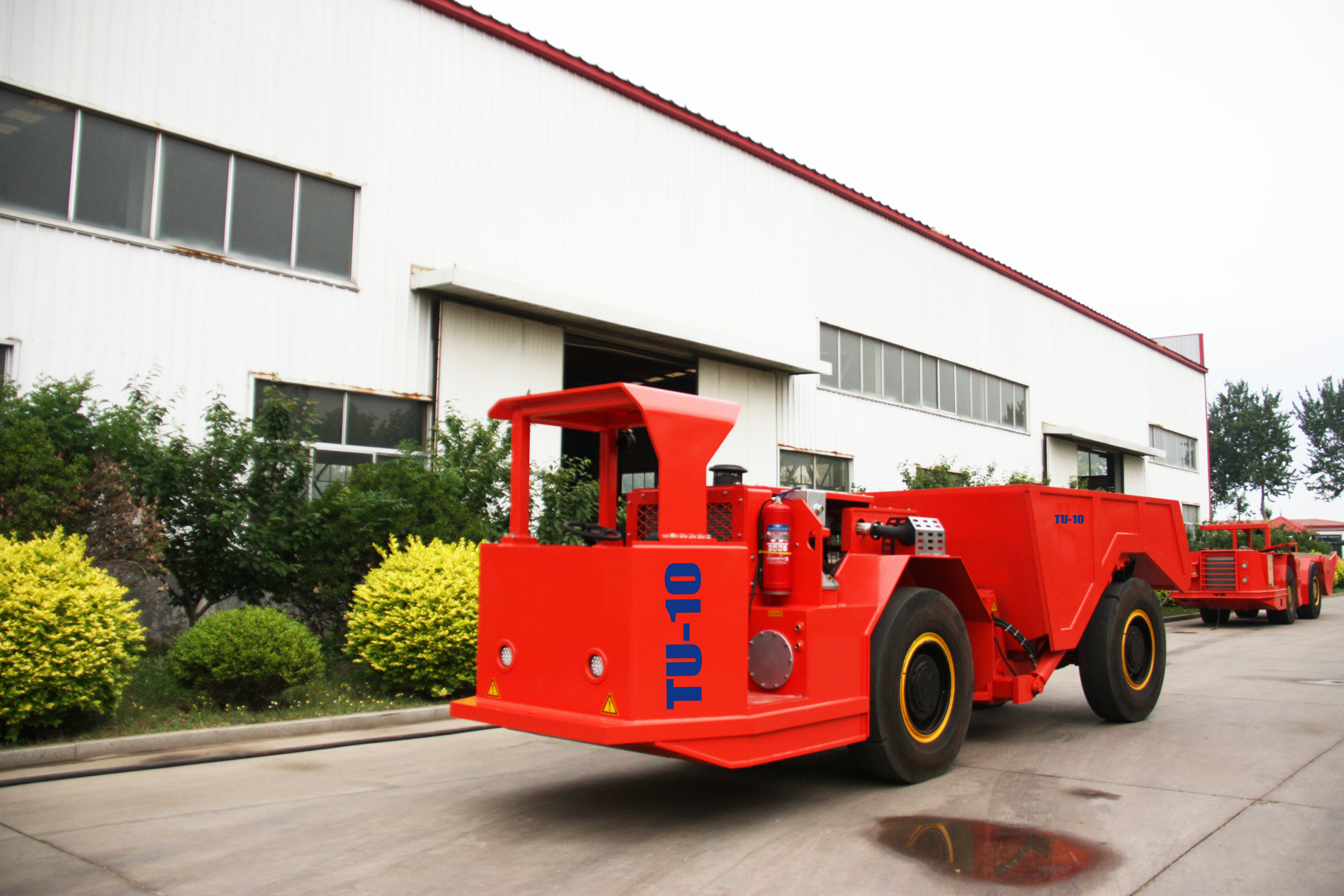
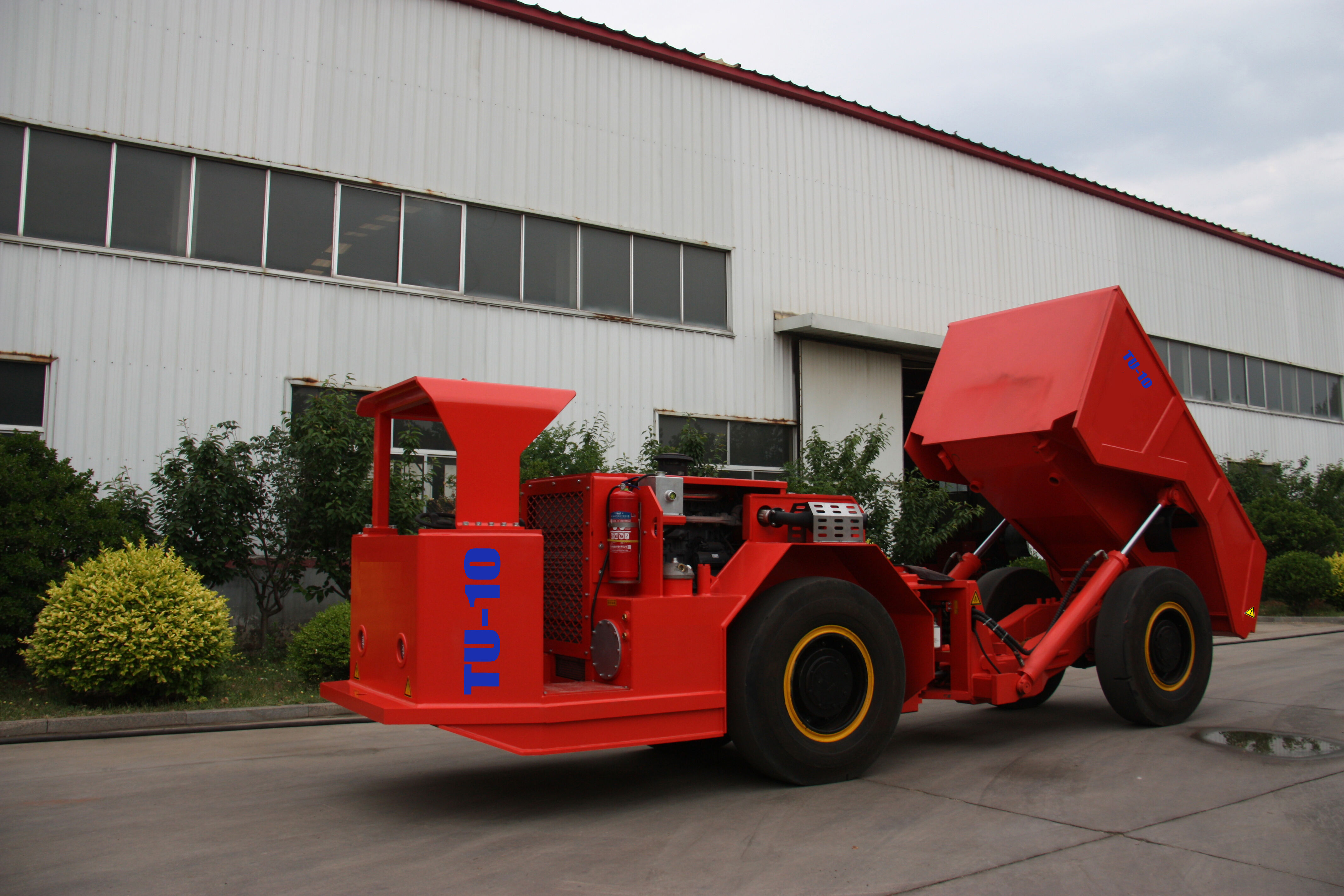
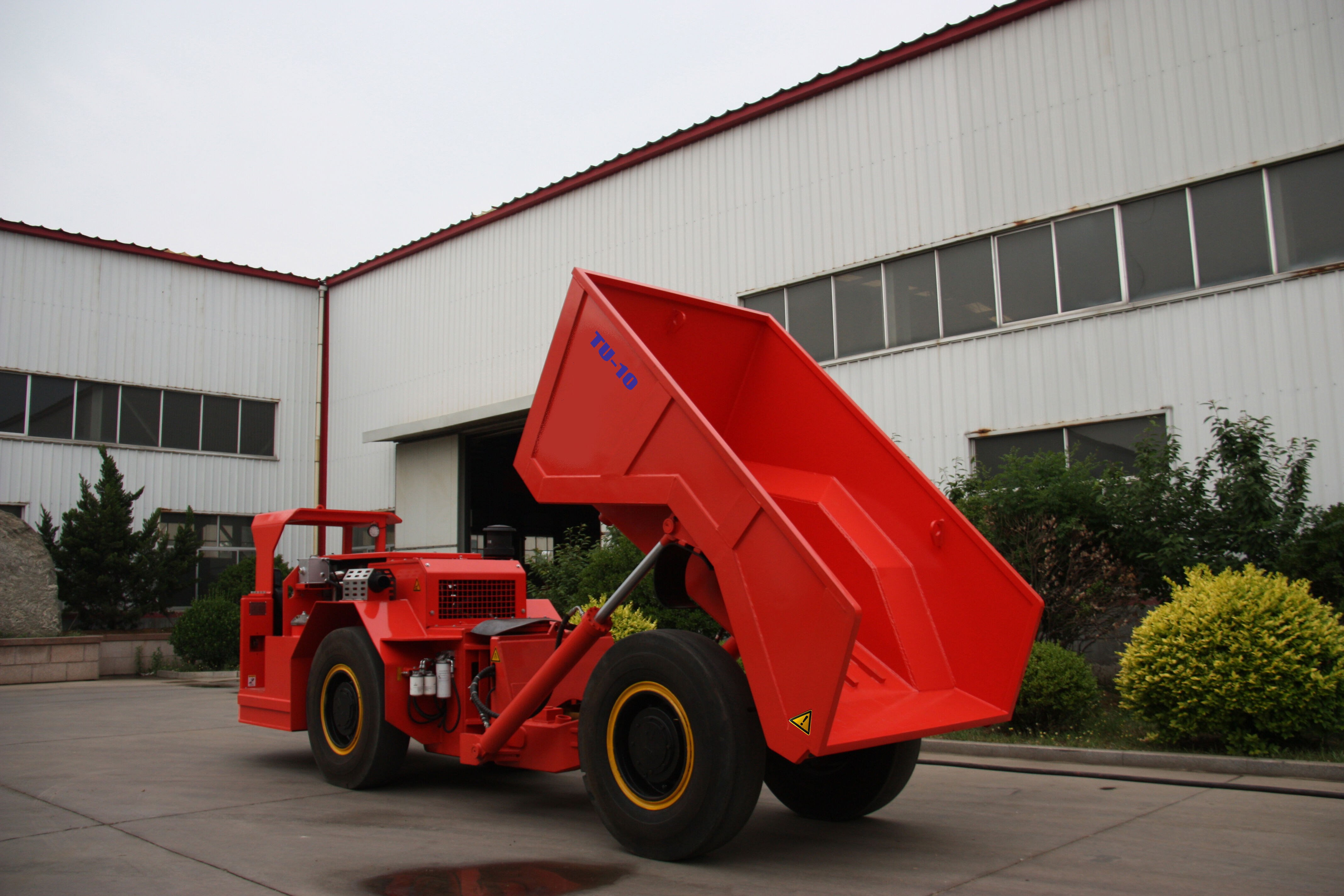
Modern mine loader trucks leverage advanced technology systems that transform these heavy machines into intelligent assets capable of optimizing performance, reducing operational costs, and providing valuable data for continuous improvement initiatives. Onboard computers constantly monitor engine parameters including temperature, pressure, and fuel consumption rates, alerting operators to developing problems before minor issues escalate into major failures requiring expensive repairs and extended downtime. GPS tracking systems provide fleet managers with real-time location data for every mine loader truck in operation, enabling efficient dispatching decisions that minimize empty travel distances and maximize productive hauling cycles throughout each shift. Telematics platforms collect operational data transmitted wirelessly to central management systems where analytics software identifies patterns, trends, and opportunities for performance optimization based on historical information and predictive algorithms. Load sensors integrated into the dump bed measure payload weight automatically, preventing overloading that accelerates component wear and creates safety hazards while ensuring each trip maximizes efficiency without exceeding design specifications. Automated lubrication systems deliver precisely measured amounts of grease to critical pivot points and bearings on programmed intervals, reducing maintenance labor requirements while ensuring consistent component protection that extends service life and prevents premature wear. Fuel management systems optimize engine performance across varying load conditions and terrain profiles, automatically adjusting injection timing and throttle response to achieve maximum fuel economy without sacrificing power delivery or responsiveness. Diagnostic capabilities enable maintenance technicians to connect laptop computers directly to vehicle control systems, retrieving detailed error codes and performance logs that accelerate troubleshooting and reduce the time required to identify and resolve mechanical or electrical problems. Integration with existing mine management software creates seamless information flow between equipment operators, maintenance departments, and production planning teams, supporting coordinated decision-making based on accurate, current data rather than estimates or assumptions. Remote monitoring capabilities allow equipment specialists to assess vehicle condition and performance from office locations, providing expert guidance to field personnel and identifying maintenance requirements before scheduling service interventions that minimize production disruption. Predictive maintenance algorithms analyze sensor data to forecast component failures weeks or months in advance, enabling proactive parts ordering and maintenance scheduling during planned downtime rather than reactive repairs following unexpected breakdowns. The technology integration transforms the mine loader truck from a simple hauling vehicle into a sophisticated production tool that contributes valuable operational intelligence while performing its primary material transport function, delivering measurable returns on investment through reduced operating costs, improved equipment availability, and enhanced productivity that strengthens competitive positioning in cost-sensitive mining markets.

 EN
EN