Mining Wheel Loader: Heavy-Duty Equipment for Enhanced Mining Operations and Productivity

All Categories

mining wheel loader

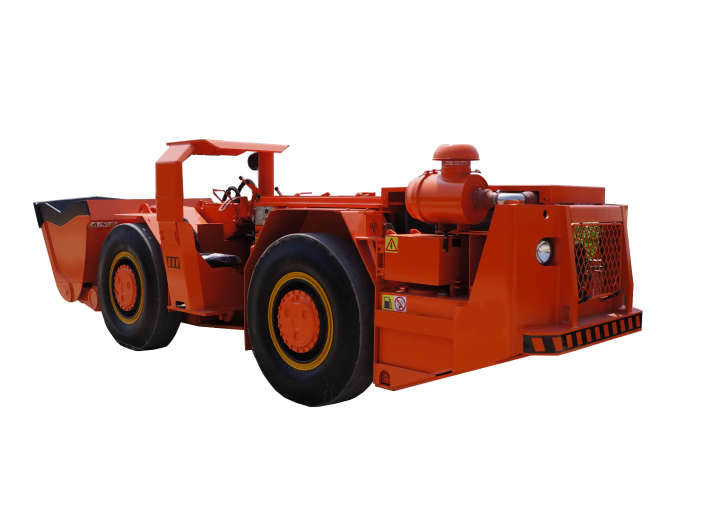
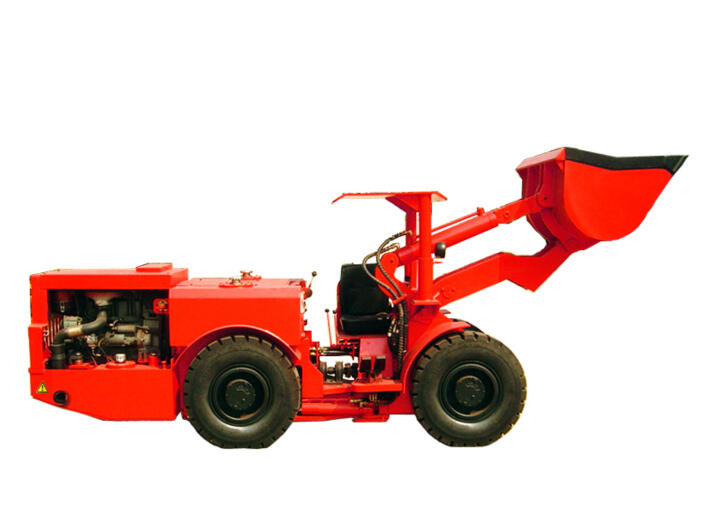
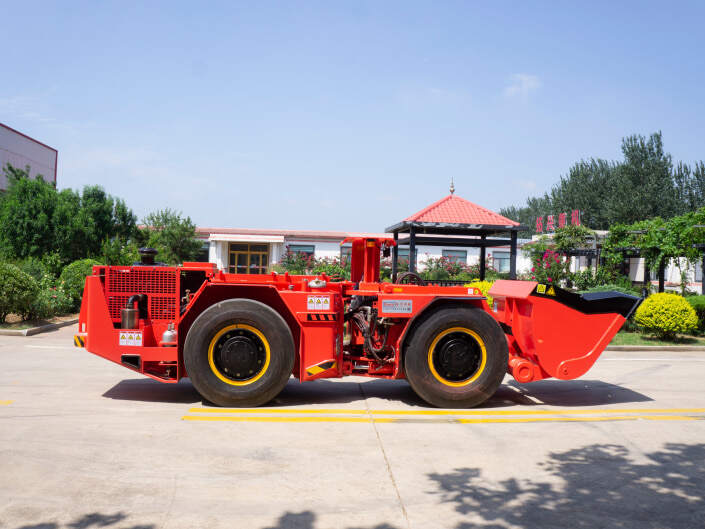
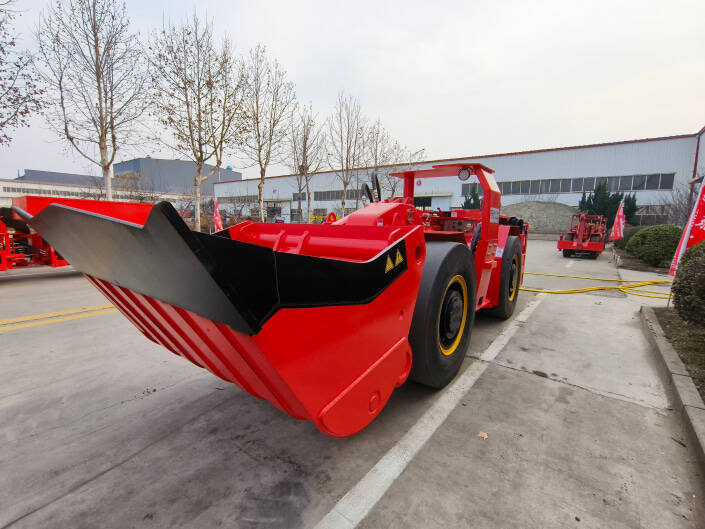
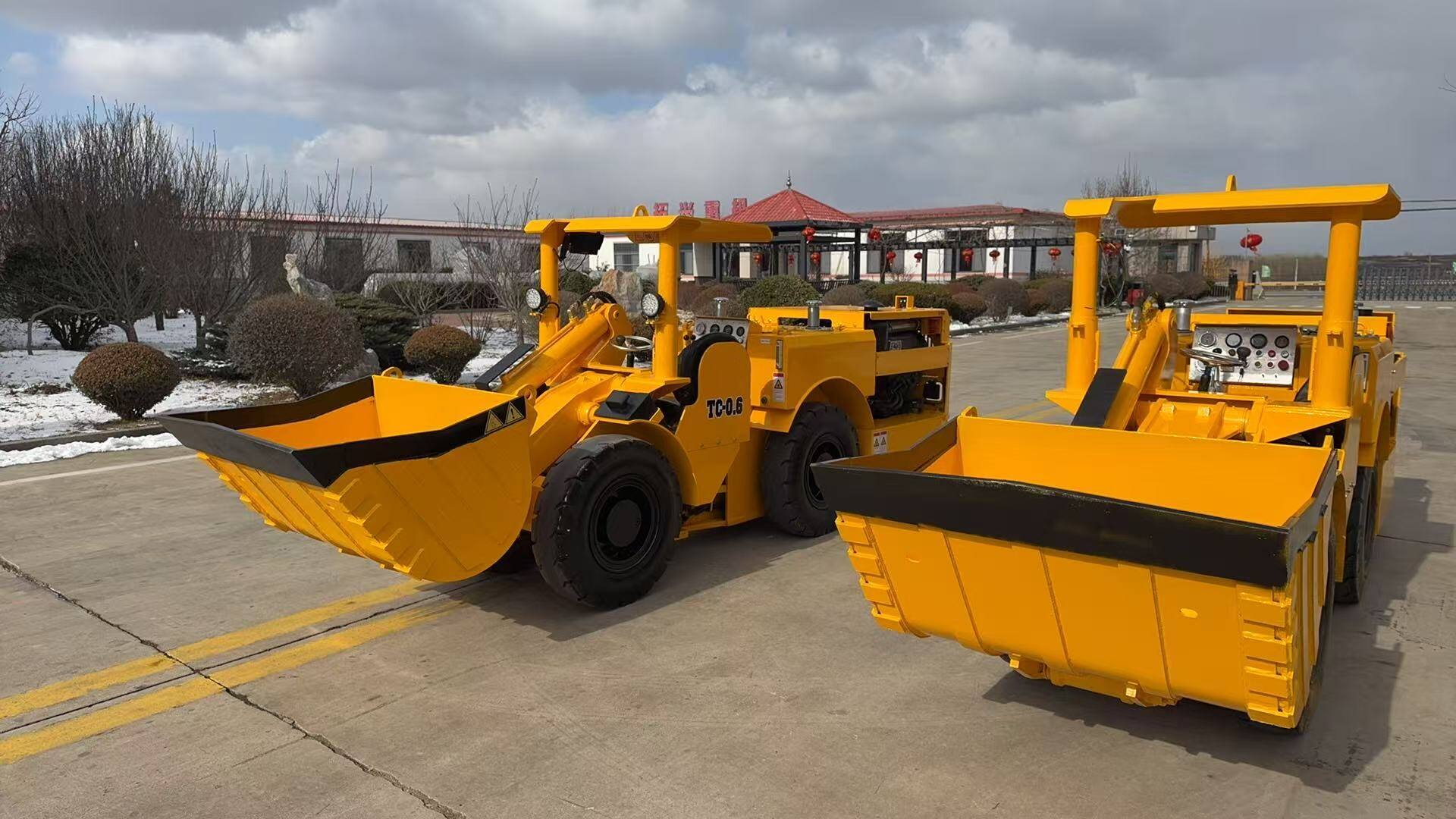
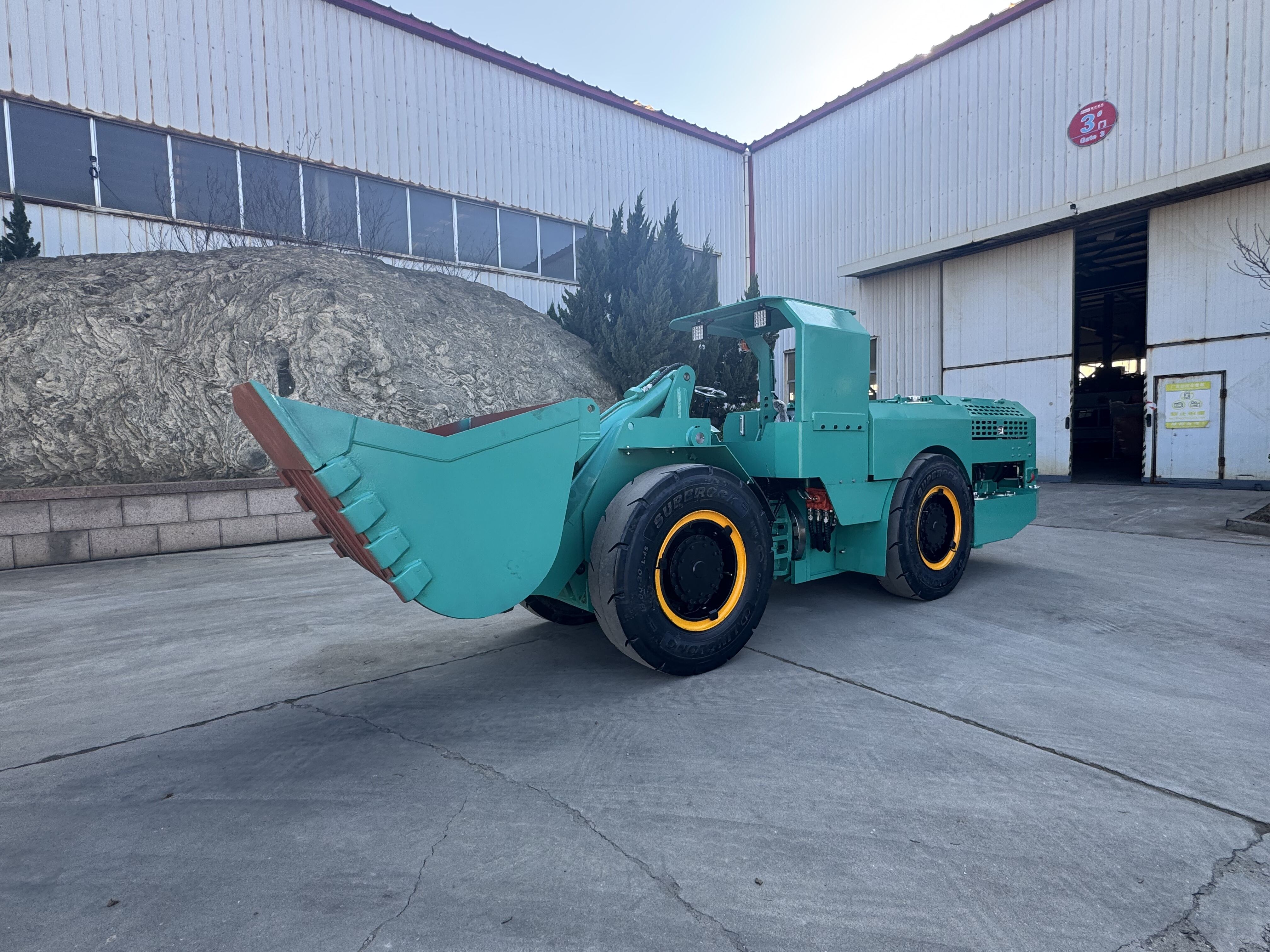
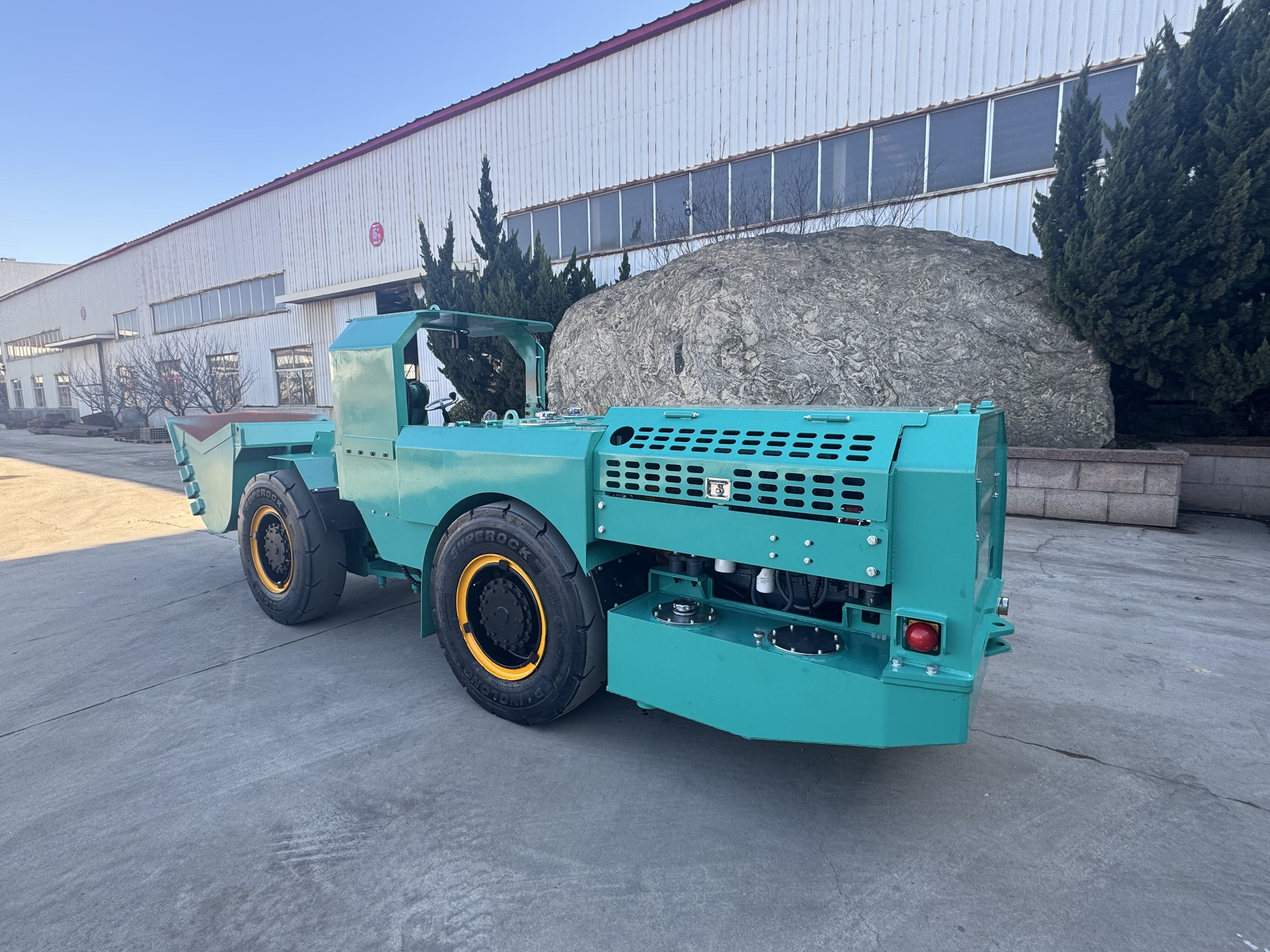
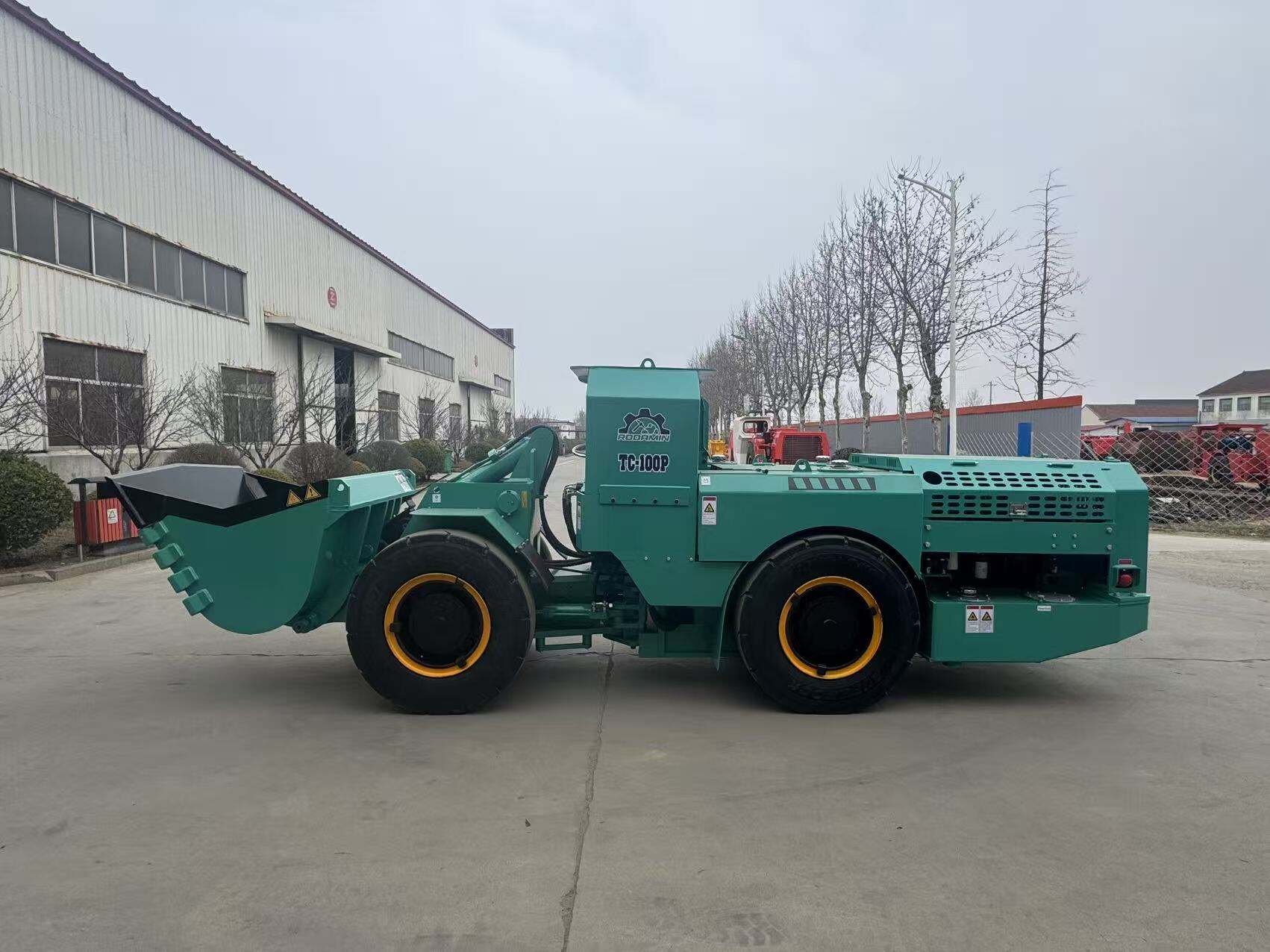
A mining wheel loader represents a specialized heavy-duty construction machine engineered specifically for demanding underground and surface mining operations. This powerful equipment combines robust construction with advanced hydraulic systems to handle the most challenging material handling tasks in mining environments. The mining wheel loader serves as an essential workhorse in extraction sites, quarries, and large-scale mining projects where reliability and performance are non-negotiable. Its primary functions include loading, transporting, and stockpiling various materials such as ore, coal, rock, and other extracted minerals. The machine features a front-mounted bucket that can be raised, lowered, and tilted to scoop up materials efficiently. Mining wheel loaders are designed with reinforced frames and heavy-duty components to withstand the harsh conditions typical of mining sites, including extreme temperatures, abrasive materials, and continuous operation cycles. Technological features distinguish modern mining wheel loaders from standard construction loaders. These machines incorporate advanced engine management systems that optimize fuel consumption while delivering maximum power output. The hydraulic systems utilize sophisticated pressure management to provide smooth operation and precise bucket control. Many models include automated transmission systems that adjust gear selection based on load conditions and terrain, reducing operator fatigue and improving productivity. The operator cabin is engineered with ergonomic controls, climate control systems, and enhanced visibility features including reinforced glass and strategically positioned cameras. Safety systems include rollover protection structures, falling object guards, and emergency shutdown mechanisms. Applications for mining wheel loaders extend across various mining sectors including coal mining, metal ore extraction, aggregate production, and mineral processing facilities. These machines excel in confined spaces where maneuverability is essential, yet possess sufficient power to handle large volumes of material. Their versatility allows them to perform multiple tasks including tunnel development, stockpile management, truck loading, and site cleanup operations, making them indispensable assets in modern mining operations.


New Products

The mining wheel loader delivers exceptional productivity gains that directly impact your bottom line. These machines can move significantly more material per hour compared to alternative equipment, allowing your operation to meet production targets consistently. The quick cycle times mean operators can complete loading sequences rapidly, reducing truck waiting times and maximizing fleet utilization across your entire site. This efficiency translates into lower cost per ton of material moved, giving your operation a competitive advantage in the marketplace. Durability stands as a cornerstone benefit of mining wheel loaders. Built with reinforced structural components and premium materials, these machines endure punishing conditions that would quickly deteriorate standard equipment. The robust construction means fewer breakdowns and extended service life, protecting your capital investment over many years of operation. Components such as axles, frames, and bucket assemblies are specifically engineered to handle abrasive materials and heavy loads without premature wear. This durability reduces replacement costs and keeps your equipment working when you need it most. Operational flexibility provides tremendous value in dynamic mining environments. Mining wheel loaders can quickly switch between different tasks throughout the workday without requiring special modifications or attachments. Operators can move from loading trucks to cleaning work areas to building stockpiles seamlessly. This adaptability means you need fewer specialized machines on site, reducing equipment acquisition costs and simplifying maintenance logistics. The machines perform effectively across various material types, from fine coal to large rocks, making them suitable for diverse mining applications. Operator comfort and safety features contribute to better performance and reduced liability. Modern mining wheel loaders include spacious cabins with excellent visibility, reducing operator fatigue during long shifts. Comfortable operators make fewer mistakes and work more efficiently, improving overall productivity. Advanced safety systems protect your workforce from potential hazards, reducing accident rates and associated costs. Features like backup cameras, proximity sensors, and automatic braking systems help prevent collisions and injuries. Lower maintenance requirements save both time and money compared to older equipment designs. Accessible service points allow technicians to complete routine maintenance quickly, minimizing downtime. Diagnostic systems alert operators to potential issues before they become serious problems, enabling proactive maintenance scheduling. Common wear parts are designed for easy replacement, reducing the skill level required for basic maintenance tasks. This serviceability keeps your machines operating at peak performance with minimal interruption to production schedules. Fuel efficiency has improved dramatically in modern mining wheel loader designs. Advanced engine technology extracts maximum work from every liter of fuel, reducing operating costs substantially. Automated systems optimize engine speed based on actual load requirements rather than running at maximum power constantly. Over thousands of operating hours, these fuel savings accumulate into significant cost reductions that improve project profitability and reduce environmental impact simultaneously.

Tips And Tricks

How Can Maintenance Reduce Downtime for Underground Mining Dump Trucks?

17

Nov

How Can Maintenance Reduce Downtime for Underground Mining Dump Trucks?

Underground mining operations depend heavily on reliable equipment to maintain productivity and meet extraction targets. When heavy machinery experiences unexpected failures, the resulting downtime can cost mining companies thousands of dollars per h...
View More
Which Factors Affect the Lifespan of Underground Mining Dump Trucks?

17

Nov

Which Factors Affect the Lifespan of Underground Mining Dump Trucks?

The operational lifespan of underground mining dump trucks represents a critical investment consideration for mining operations worldwide. These specialized vehicles face some of the most challenging working conditions in industrial applications, ope...
View More
Why Are LHD Loaders Preferred for Material Handling in Confined Spaces?

11

Dec

Why Are LHD Loaders Preferred for Material Handling in Confined Spaces?

Underground mining operations and construction projects in confined spaces present unique challenges that require specialized equipment capable of navigating narrow tunnels and restricted work areas. LHD loaders have emerged as the preferred solution...
View More
Mining’s Next Frontier: How 5G and Remote-Controlled Underground LHDs Are Revolutionizing Underground Operations

18

Mar

Mining’s Next Frontier: How 5G and Remote-Controlled Underground LHDs Are Revolutionizing Underground Operations

The mining industry stands at a transformative crossroads where cutting-edge telecommunications technology meets advanced underground equipment automation. This revolution centers on the deployment of 5G networks paired with remote-controlled undergr...
View More

Get a Free Quote

Our representative will contact you soon.
Email
Name
Company Name
Message
0/1000

mining wheel loader

Advanced Load Sensing Hydraulic System for Superior Performance

Advanced Load Sensing Hydraulic System for Superior Performance

The mining wheel loader incorporates a sophisticated load sensing hydraulic system that represents a quantum leap forward in equipment efficiency and operational precision. This advanced technology continuously monitors the pressure requirements of each hydraulic function in real time, delivering exactly the amount of hydraulic flow needed for the task at hand. Unlike conventional systems that operate at maximum pressure regardless of actual demand, load sensing technology adjusts pump output dynamically, resulting in substantial fuel savings and reduced component wear. The system employs multiple sensors throughout the hydraulic circuit that communicate with the electronic control unit, creating an intelligent network that responds instantaneously to operator commands and load conditions. When the operator initiates a bucket lift or tilt function, the system calculates the optimal pressure and flow rate required based on current load weight, boom position, and movement speed desired. This precision control eliminates wasted energy and reduces heat generation within the hydraulic system, extending component lifespan significantly. The practical benefits for mining operations are substantial and measurable. Operators experience smoother, more predictable machine responses that enhance their ability to perform delicate positioning tasks or aggressive loading cycles with equal confidence. The reduced hydraulic system temperatures mean fewer cooling system demands and lower risk of thermal-related failures during extended operation in hot mining environments. Maintenance intervals can be extended because components operate within optimal temperature and pressure ranges consistently, reducing the frequency of seal replacements and fluid changes. The load sensing hydraulic system also contributes to improved cycle times by eliminating the lag associated with pressure buildup in conventional systems. When operators need immediate bucket response for catching falling material or quick repositioning, the system delivers instantaneous power. This responsiveness increases the number of loading cycles achievable per hour, directly boosting productivity metrics. Additionally, the reduced fuel consumption associated with load sensing technology can decrease operating costs by fifteen to twenty percent compared to older loader models, creating substantial savings over the machine's operational lifetime. For mining companies focused on sustainability and environmental responsibility, this hydraulic technology reduces carbon emissions proportionally to fuel savings while maintaining or exceeding productivity expectations.
Reinforced Structural Design for Extreme Duty Cycles

Reinforced Structural Design for Extreme Duty Cycles

The structural engineering behind mining wheel loaders addresses the unique challenges of continuous operation in aggressive mining environments where equipment faces extreme stress and wear. The mainframe construction utilizes high-strength steel alloys specifically selected for their superior resistance to fatigue and impact loading. Engineers employ advanced finite element analysis during the design phase to identify stress concentration points and reinforce these areas before manufacturing begins. The result is a skeletal structure that distributes loads evenly throughout the frame, preventing premature cracking or deformation even under sustained heavy use. Critical stress points such as bucket mounting locations, boom pivot areas, and chassis articulation joints receive additional reinforcement through multiple techniques. Thicker steel sections increase load-bearing capacity at these high-stress locations, while strategic welding patterns ensure maximum joint strength. Many manufacturers incorporate boxed construction methods that create enclosed structural members with exceptional rigidity and resistance to torsional forces. These design choices prove essential when mining wheel loaders encounter side loads during material penetration or operate on uneven terrain that twists the frame. The bucket assembly itself represents a masterpiece of wear-resistant engineering. Cutting edges are fabricated from hardfacing alloys that maintain sharp penetration capability even after moving thousands of tons of abrasive rock or ore. Replaceable wear plates protect high-contact areas of the bucket interior, allowing operators to restore bucket performance economically without replacing the entire assembly. The bucket back and sides are constructed from thick steel plate that resists punctures from sharp rocks and withstands the impact forces of material dropping from overhead conveyors or chutes. Axle and drivetrain components receive equal attention to durability in mining wheel loader design. Heavy-duty planetary final drives transfer engine power to the wheels through gear sets engineered for extreme torque loads. These sealed units operate in oil baths that provide continuous lubrication and cooling, extending service life far beyond standard construction equipment specifications. The axle housings are cast or fabricated from materials selected for their ability to handle shock loads without cracking, a critical requirement when loaders traverse rough haul roads or encounter buried obstacles. This comprehensive approach to structural reinforcement ensures mining wheel loaders deliver reliable performance throughout their intended service life, typically measured in tens of thousands of operating hours. The investment in superior structural design pays dividends through reduced unplanned downtime, lower repair costs, and higher residual value when equipment eventually reaches retirement age. Mining operations benefit from predictable equipment availability that supports consistent production scheduling and efficient resource utilization.
Intelligent Operator Assistance Systems Enhancing Productivity

Intelligent Operator Assistance Systems Enhancing Productivity

Modern mining wheel loaders integrate sophisticated operator assistance technologies that transform these machines into intelligent partners rather than simple mechanical tools. These systems leverage sensors, cameras, computing power, and intuitive displays to provide operators with enhanced situational awareness and decision-making support. The technology suite typically includes payload monitoring systems that weigh each bucket load in real time, allowing operators to optimize truck loading and prevent overloading that could damage haul vehicles or violate road weight restrictions. This weighing capability eliminates guesswork and improves loading consistency across shifts and operators, ensuring more uniform truck payloads that maximize haulage efficiency. Collision avoidance systems represent another critical component of intelligent operator assistance. Using radar, lidar, or camera-based detection, these systems monitor the area surrounding the mining wheel loader and alert operators to potential collision risks with personnel, vehicles, or stationary objects. The systems can distinguish between different object types and calculate collision probability based on current speed and trajectory. When imminent collision is detected, the system can activate audible and visual warnings inside the cabin, and in advanced implementations, automatically apply brakes or restrict machine movement to prevent contact. This technology dramatically improves safety in congested mining areas where multiple vehicles and personnel operate in close proximity. Automated bucket positioning systems utilize boom and bucket angle sensors combined with programmable height limits to assist operators in achieving consistent loading positions. Operators can program frequently used positions such as truck loading height or stockpile discharge angle, then recall these positions with a single button press. The system automatically moves the boom and bucket to the saved position, allowing operators to focus on machine positioning and cycle efficiency rather than manual control manipulation. This automation reduces operator fatigue during repetitive tasks and improves loading accuracy, particularly beneficial for less experienced operators who are still developing their equipment handling skills. Telematics integration connects mining wheel loaders to fleet management systems that track machine location, operating hours, fuel consumption, and maintenance requirements. Managers gain visibility into equipment utilization patterns, identifying underutilized assets or operational inefficiencies that can be addressed through scheduling changes or operator training. The systems generate automated maintenance alerts based on actual operating conditions rather than simple hour meters, enabling condition-based maintenance strategies that reduce unnecessary service while preventing unexpected failures. Remote diagnostics capabilities allow technicians to interrogate machine systems without traveling to the equipment location, accelerating troubleshooting and reducing repair times. These intelligent systems collectively enhance the value proposition of mining wheel loaders by improving productivity, safety, and operational efficiency while reducing the skill level required to operate the equipment effectively. The technology supports mining operations in achieving their production targets while maintaining high safety standards and controlling operating costs.

Get a Free Quote

Our representative will contact you soon.
Email
Name
Company Name
Message
0/1000