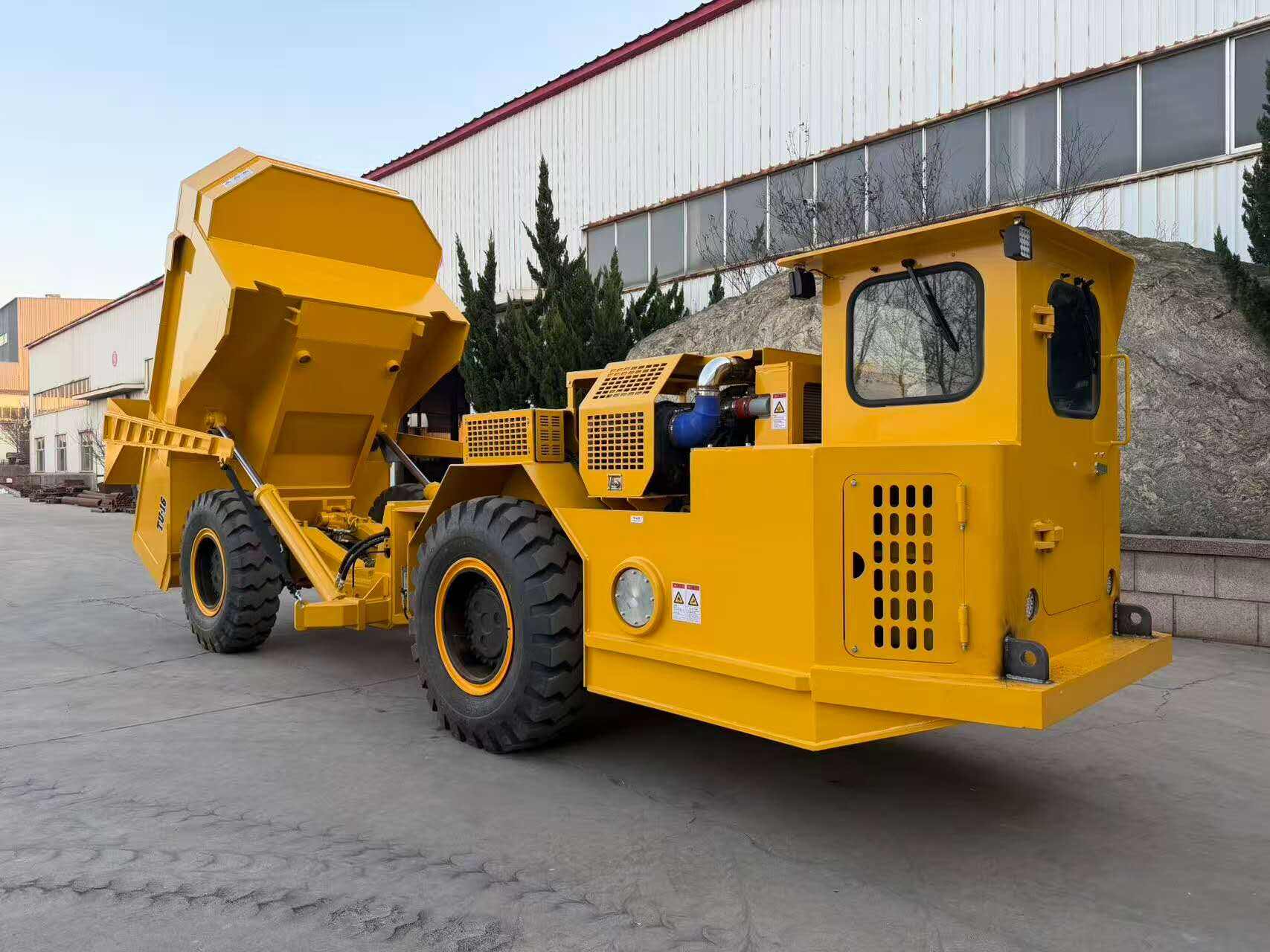
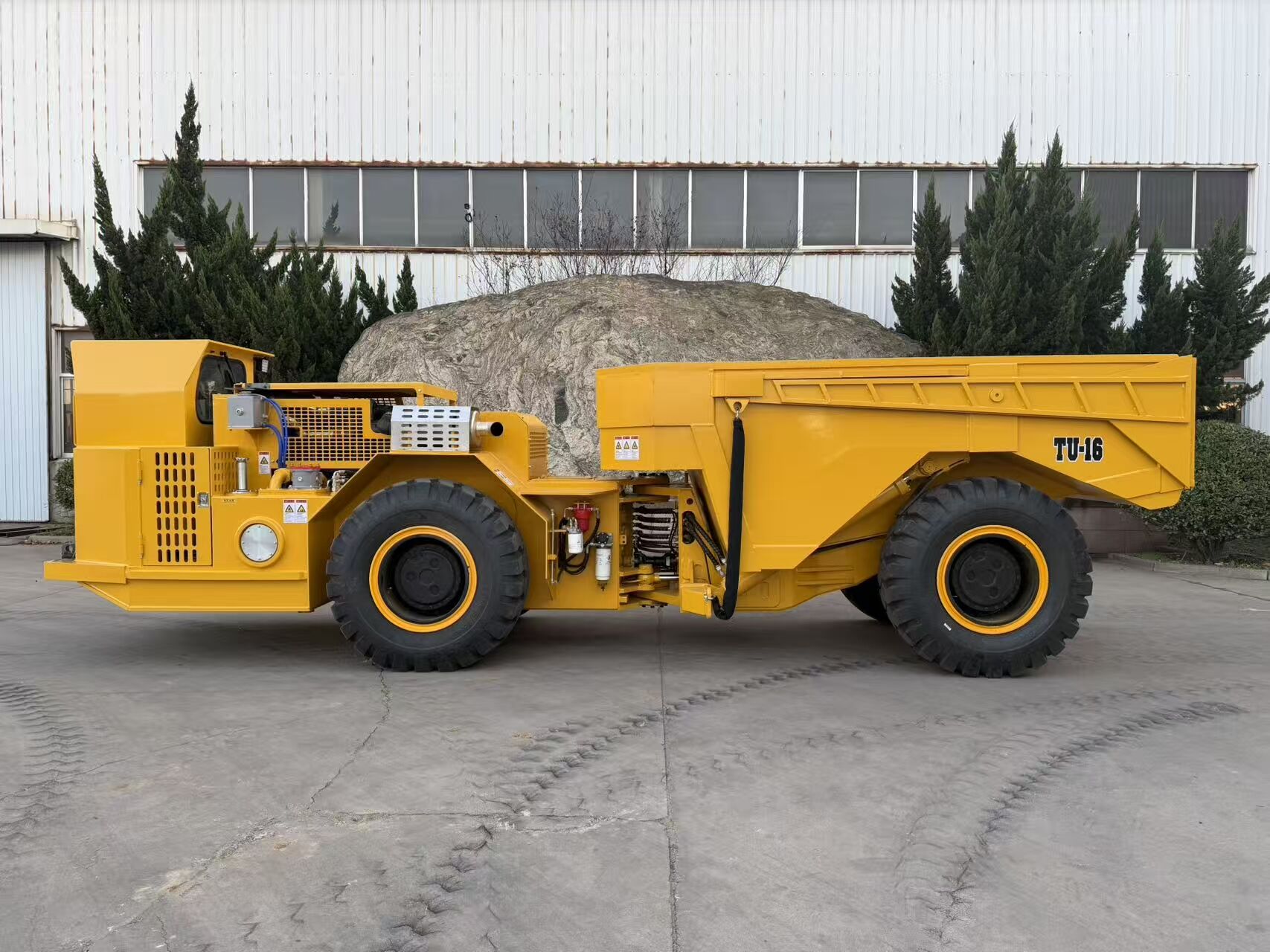
Advanced Technology Integration for Intelligent Operations
Contemporary heavy mining trucks incorporate sophisticated technology systems that elevate them far beyond simple material haulers into intelligent, data-generating assets that optimize entire mining operations. At the heart of this technological revolution lies comprehensive onboard monitoring and diagnostics that continuously track dozens of performance parameters in real-time. Engine temperature, oil pressure, transmission function, brake system status, tire pressure, and payload weight are constantly measured and displayed to the operator while simultaneously being transmitted to central fleet management systems. This wealth of data enables predictive maintenance strategies that identify potential component failures before they occur, allowing maintenance teams to schedule repairs during planned downtime rather than responding to unexpected breakdowns that halt production. The integration of GPS positioning and telematics systems provides mine managers with precise location tracking for every truck in the fleet, enabling sophisticated dispatch optimization algorithms that assign trucks to loading equipment and routes based on real-time conditions. This intelligent dispatching reduces idle time, balances loader utilization, and ensures that trucks follow the most efficient paths through the mine, all of which contribute to increased productivity and lower operating costs. Many modern heavy mining trucks feature autonomous or semi-autonomous capabilities that can operate without human intervention in appropriately equipped mining environments. These autonomous systems use multiple sensors including radar, lidar, and cameras to navigate safely, avoid obstacles, and coordinate with other equipment. The safety benefits of autonomous operation are substantial, removing human operators from potentially dangerous environments while maintaining consistent operational performance without fatigue-related productivity decline. For mines implementing autonomous systems, the heavy mining truck becomes part of an integrated technology ecosystem where loading equipment, trucks, and infrastructure communicate seamlessly to optimize the entire material movement workflow. The technology integration extends to operator assistance systems in manned trucks, including features like stability control that prevents rollovers on steep grades or sharp turns, collision avoidance systems that warn operators of nearby personnel or equipment, and automated retarding systems that control descent speeds on downhill hauls without excessive brake wear. These intelligent systems make operations safer while extending component life and reducing maintenance costs. The data generated by technologically advanced heavy mining trucks also supports continuous improvement initiatives, as fleet managers can analyze performance trends, identify inefficiencies, and implement targeted improvements based on objective evidence rather than anecdotal observations.

 EN
EN