Comprehensive Hydraulic Power System Delivering Unmatched Control and Reliability
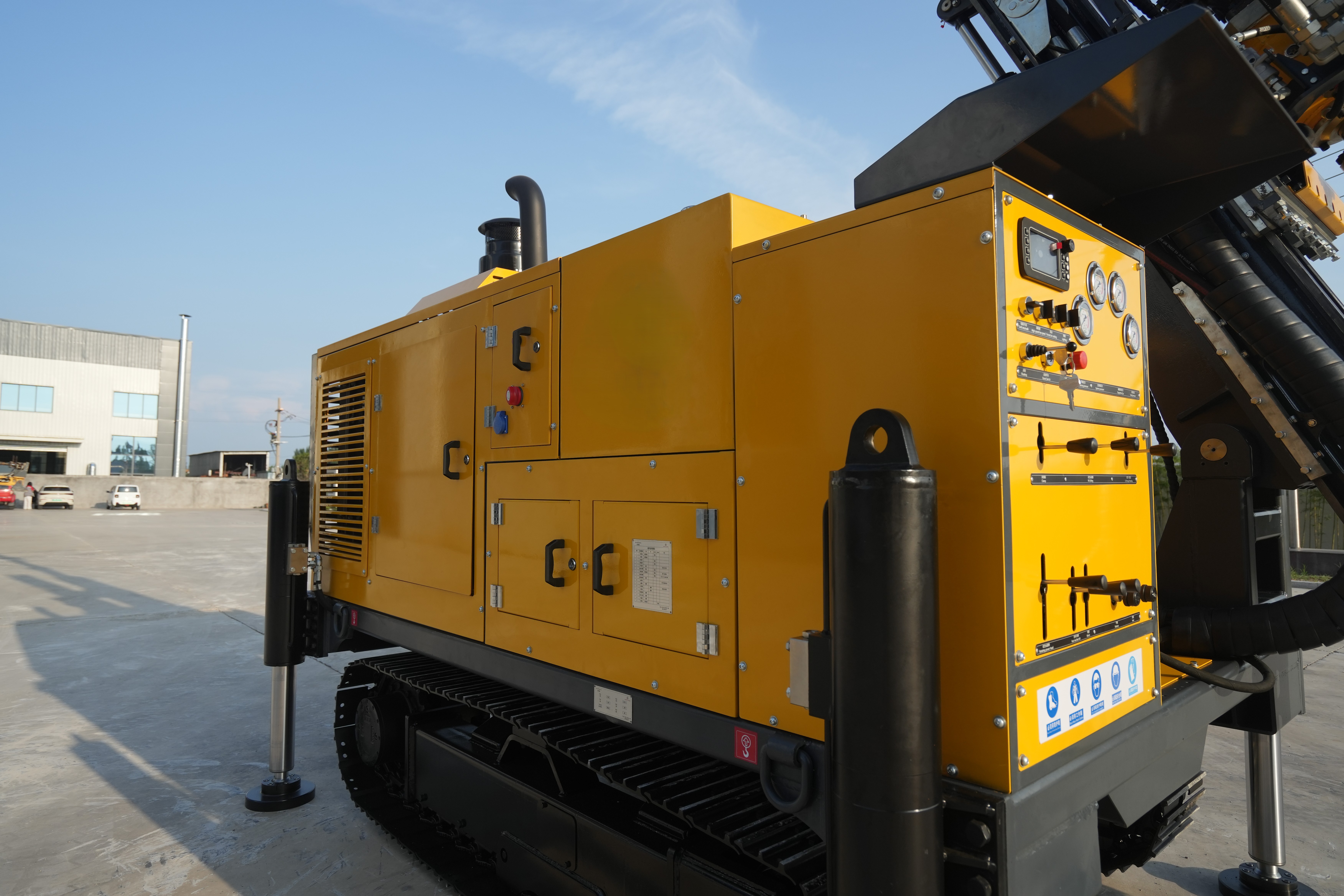
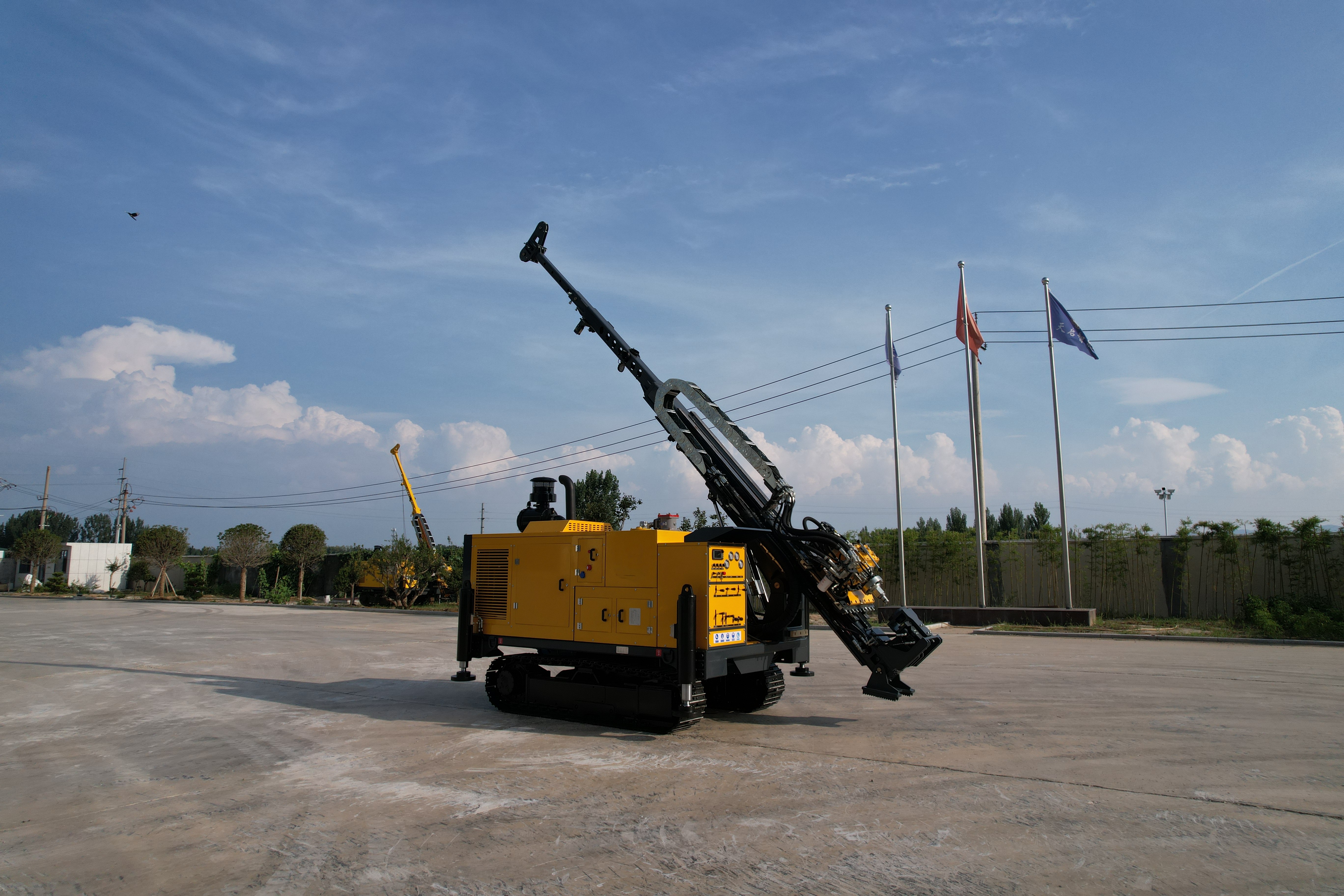
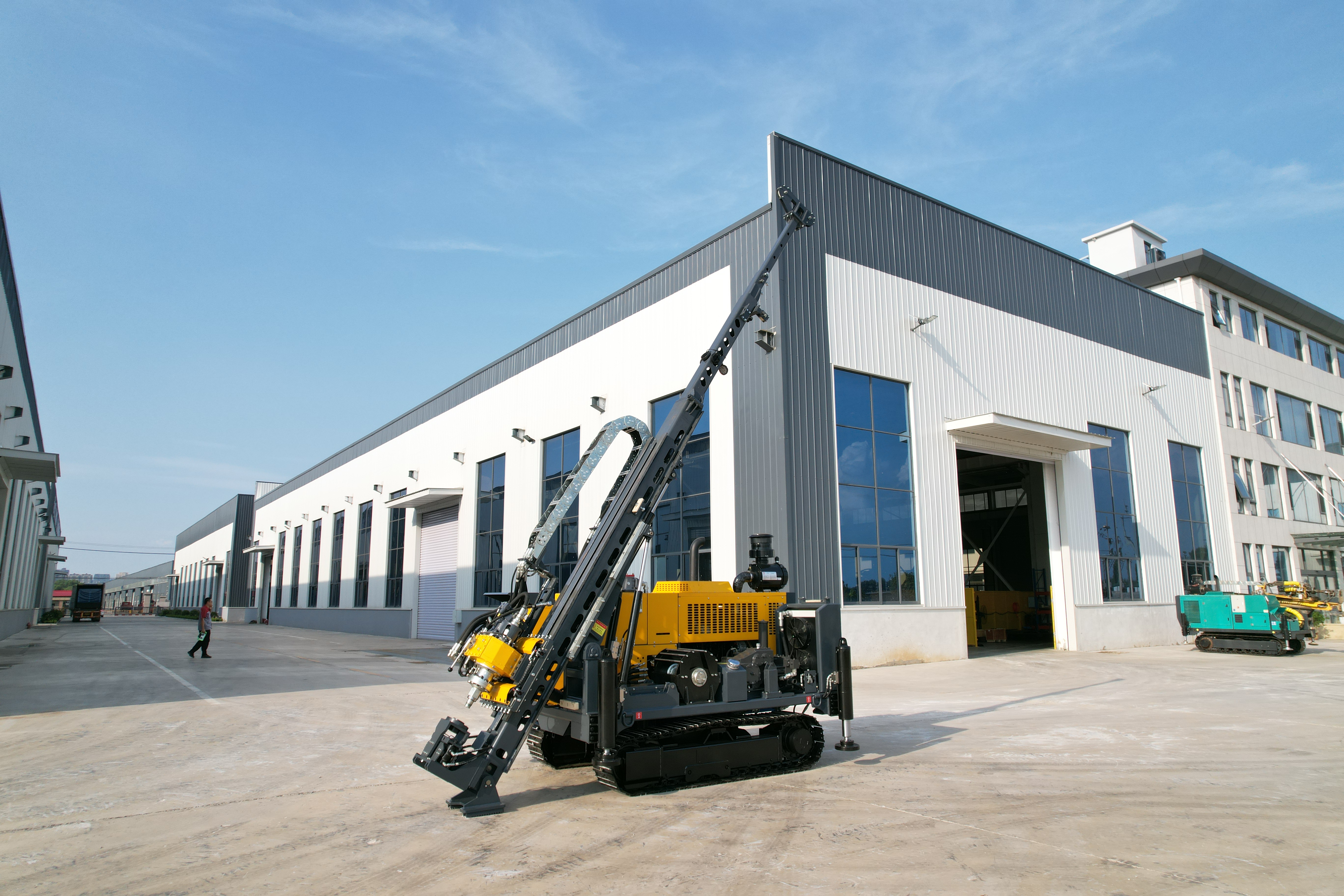
The full hydraulic wireline core drilling rig 1000m employs an integrated hydraulic power system that controls every critical function, creating operational advantages that mechanical or mixed-power rigs simply cannot match. Hydraulic technology converts engine power into controlled fluid pressure that drives motors, cylinders, and actuators throughout the rig with precision and consistency. This approach provides infinitely variable speed control for drill rotation, allowing operators to select the optimal RPM for each geological formation encountered, from slow speeds for fractured rock that requires gentle handling to higher speeds for competent formations that permit faster penetration. Feed pressure adjusts with equal precision, applying exactly the right downward force on the drill bit to maintain efficient cutting action without overloading the system or damaging the bit, extending bit life and reducing costly replacements. The hydraulic system responds instantly to operator inputs through intuitive controls, eliminating the lag and imprecision associated with mechanical transmissions, clutches, and gear systems. This responsiveness becomes critically important when drilling conditions change suddenly, such as encountering a void, fault zone, or transition between rock types, where immediate adjustment prevents equipment damage and maintains core recovery quality. Power distribution through hydraulic circuits is efficient and adaptable, automatically adjusting to varying loads without the energy losses inherent in mechanical power trains. The full hydraulic wireline core drilling rig 1000m incorporates pressure compensation systems that maintain consistent performance regardless of external factors like temperature changes or component wear, ensuring reliable operation throughout long shifts and extended drilling campaigns. Hydraulic components operate smoothly with minimal vibration, reducing stress on structural members and extending the overall service life of the rig while creating a more comfortable working environment for operators. Maintenance intervals extend because hydraulic systems contain fewer wearing parts than mechanical alternatives, with sealed components protected from dust, dirt, and moisture that degrade mechanical systems quickly in field conditions. When service is required, hydraulic components are modular and accessible, allowing technicians to replace pumps, motors, or valves without extensive disassembly or specialized equipment. The system incorporates multiple safety features including pressure relief valves that prevent overload damage, emergency shutdown circuits that halt all operations instantly if needed, and fail-safe mechanisms that prevent uncontrolled movement if power is lost. Environmental advantages accompany the technical benefits, as modern hydraulic fluids are increasingly biodegradable and pose minimal contamination risk, while the system's efficiency reduces fuel consumption and emissions compared to less sophisticated power systems. Noise levels remain substantially lower than mechanical rigs, benefiting both operator hearing health and community relations when drilling occurs near populated areas. The hydraulic system's ability to deliver high torque at low speeds proves particularly valuable when drilling challenging formations or when stuck pipe situations require controlled force application to free the string without causing damage. Operators quickly develop confidence in the system's responsiveness and predictability, allowing them to work more productively and make better decisions based on immediate feedback from the controls. For companies managing drilling fleets, the standardization on hydraulic technology across equipment simplifies training, parts inventory management, and technical support, while the proven reliability of hydraulic systems reduces unexpected downtime that disrupts project schedules and erodes profitability.

 EN
EN