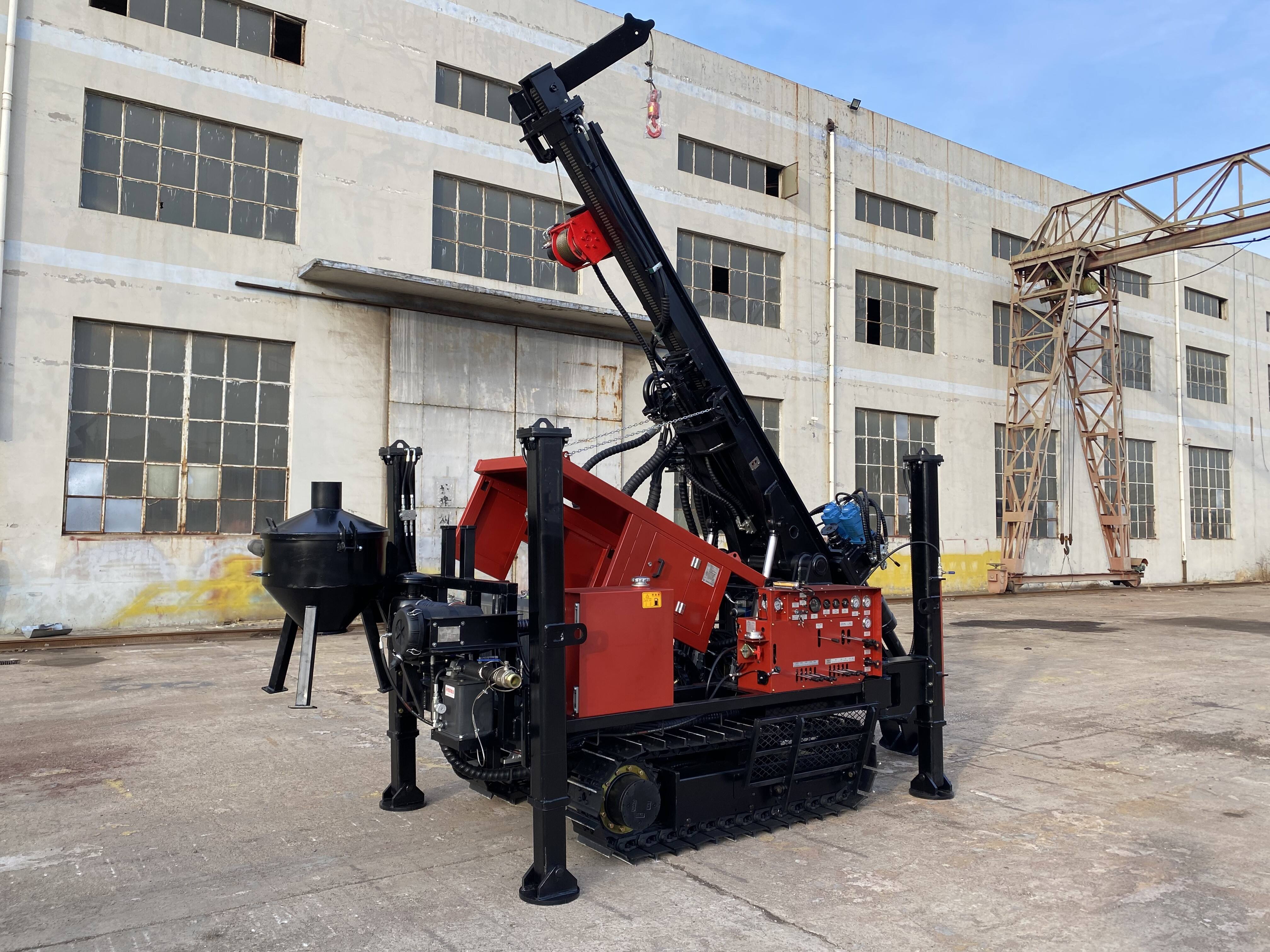
Minimal Surface Disruption Protects Property and Maintains Community Access
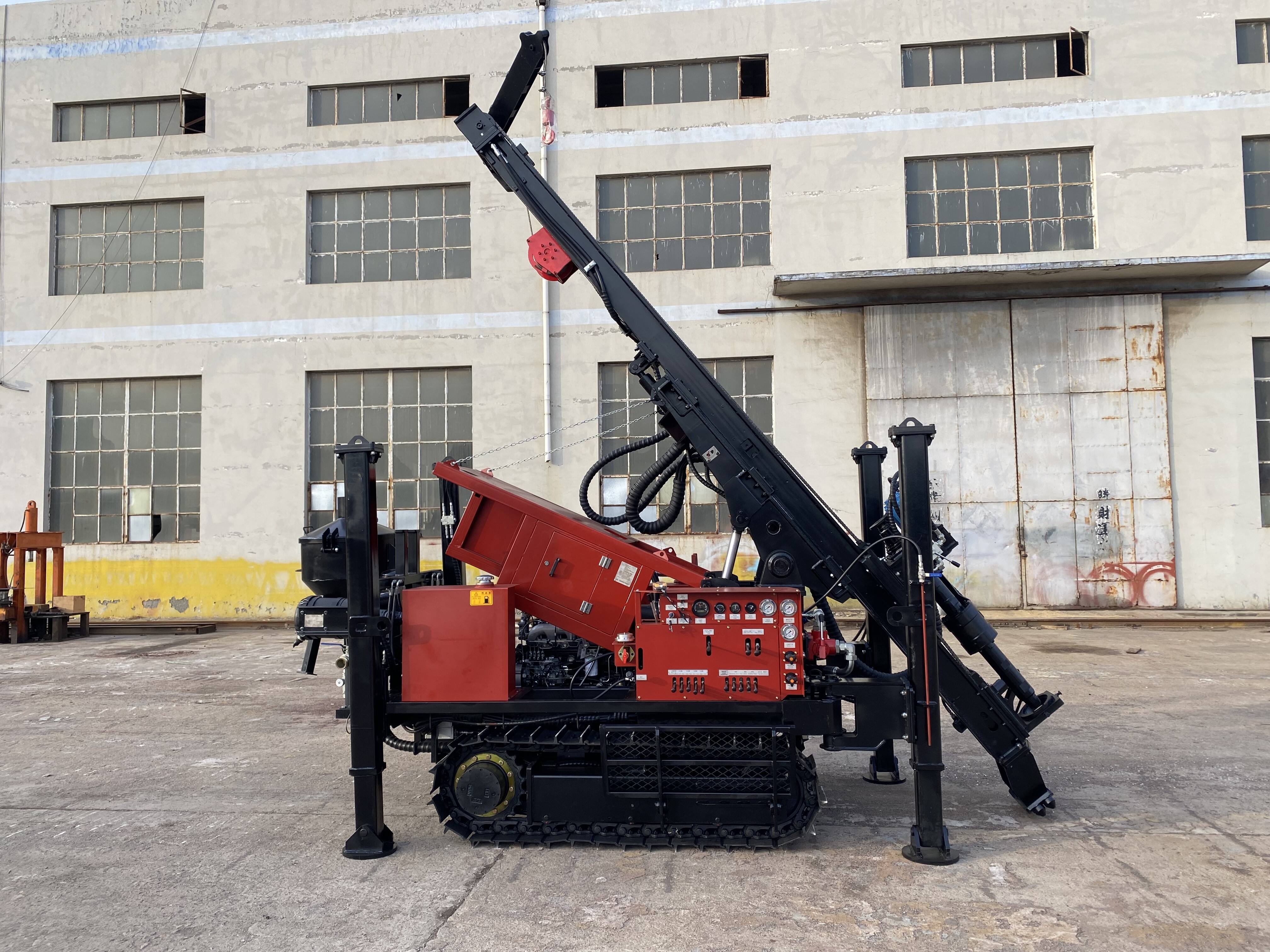
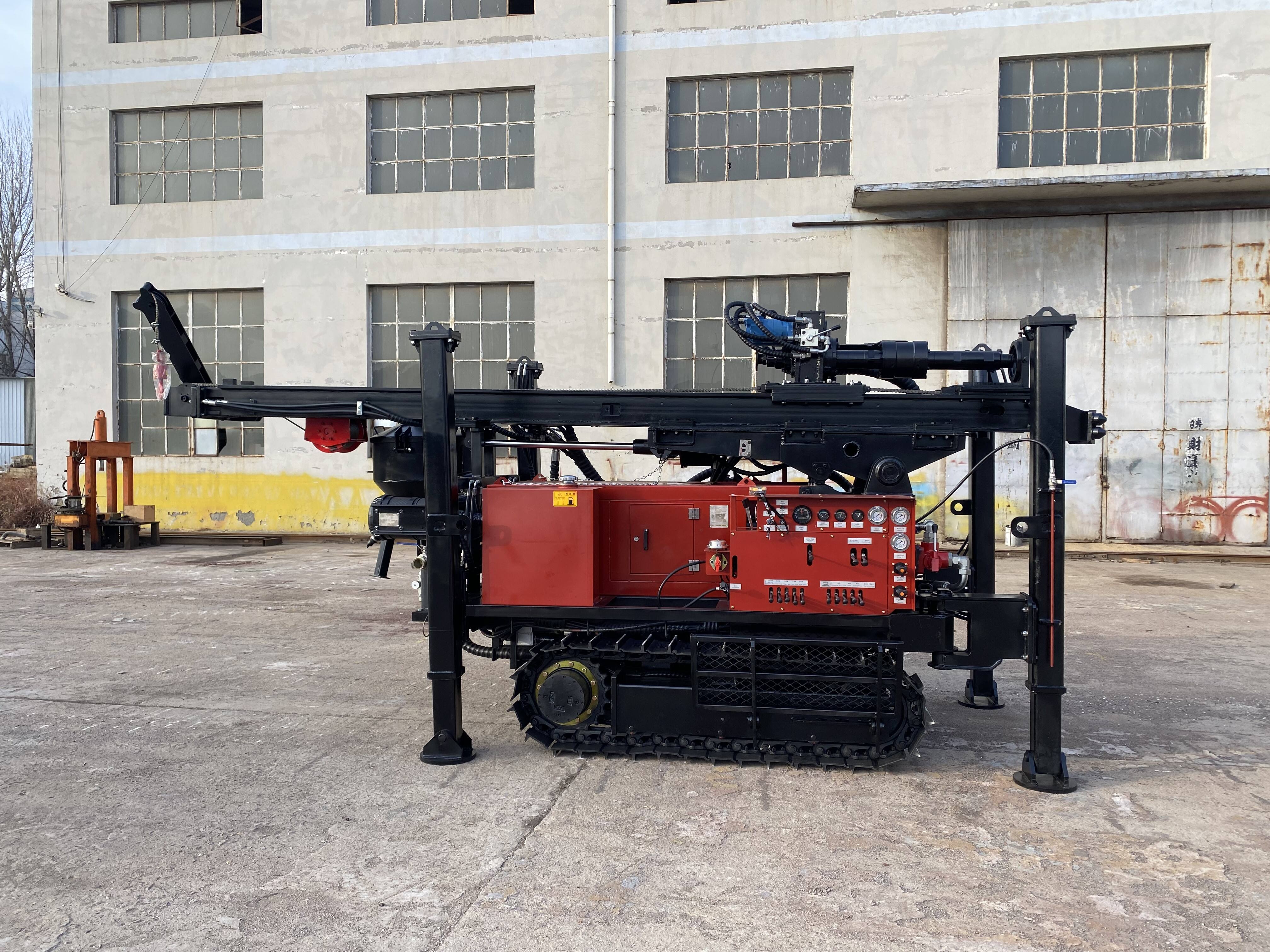
The directional boring machine revolutionizes infrastructure installation by requiring only small entry and exit pits, typically measuring just a few feet in diameter, rather than continuous trenches stretching the entire length of the installation route. This fundamental advantage preserves the surface landscape, protects existing structures, and maintains normal access for residents and businesses throughout the construction period. Property owners avoid the stress and expense of restored landscaping, replaced driveways, repaired fencing, and reconstructed hardscaping that inevitably follows traditional excavation projects. The entry pit, where the boring machine begins its work, and the exit pit, where the drill emerges and the utility is pulled back through the completed bore, can be strategically located in areas that minimize impact on property use and aesthetics. Mature trees with extensive root systems remain undisturbed, preserving property values and maintaining the environmental benefits these trees provide. Paved surfaces including roads, parking lots, and sidewalks retain their structural integrity since the boring process occurs deep beneath the surface, avoiding the weakening effects of cutting and patching associated with traditional trenching. This preservation proves particularly valuable in urban environments where pavement restoration never quite matches the original quality and often leads to premature deterioration along patch edges. Traffic flow continues normally since the small work areas can typically be accommodated with minor lane shifts or temporary parking restrictions rather than complete road closures. Businesses remain accessible to customers, preventing the revenue losses that accompany blocked entrances and disrupted access during lengthy excavation projects. The reduced surface footprint means smaller staging areas for equipment and materials, important in congested urban settings where space comes at a premium. Noise levels remain moderate compared to the constant backup alarms, concrete breaking, and heavy equipment movement characteristic of open-cut projects. Dust generation decreases substantially since the drilling process occurs underground and the excavated soil is contained within the drilling fluid slurry rather than exposed and dried at the surface. Neighborhood relations improve dramatically when residents can maintain their normal routines without navigating barricades, detours, and construction debris for weeks at a time. The directional boring machine enables utility installations through parks, school grounds, and recreational areas without closing these facilities or destroying playing fields and green spaces. Historical districts and areas with strict aesthetic standards become feasible installation locations since the work leaves no permanent surface scarring. The technology proves essential when crossing beneath protected wetlands, wildlife habitats, or environmentally sensitive areas where surface disturbance would violate regulations or cause ecological harm.

 EN
EN