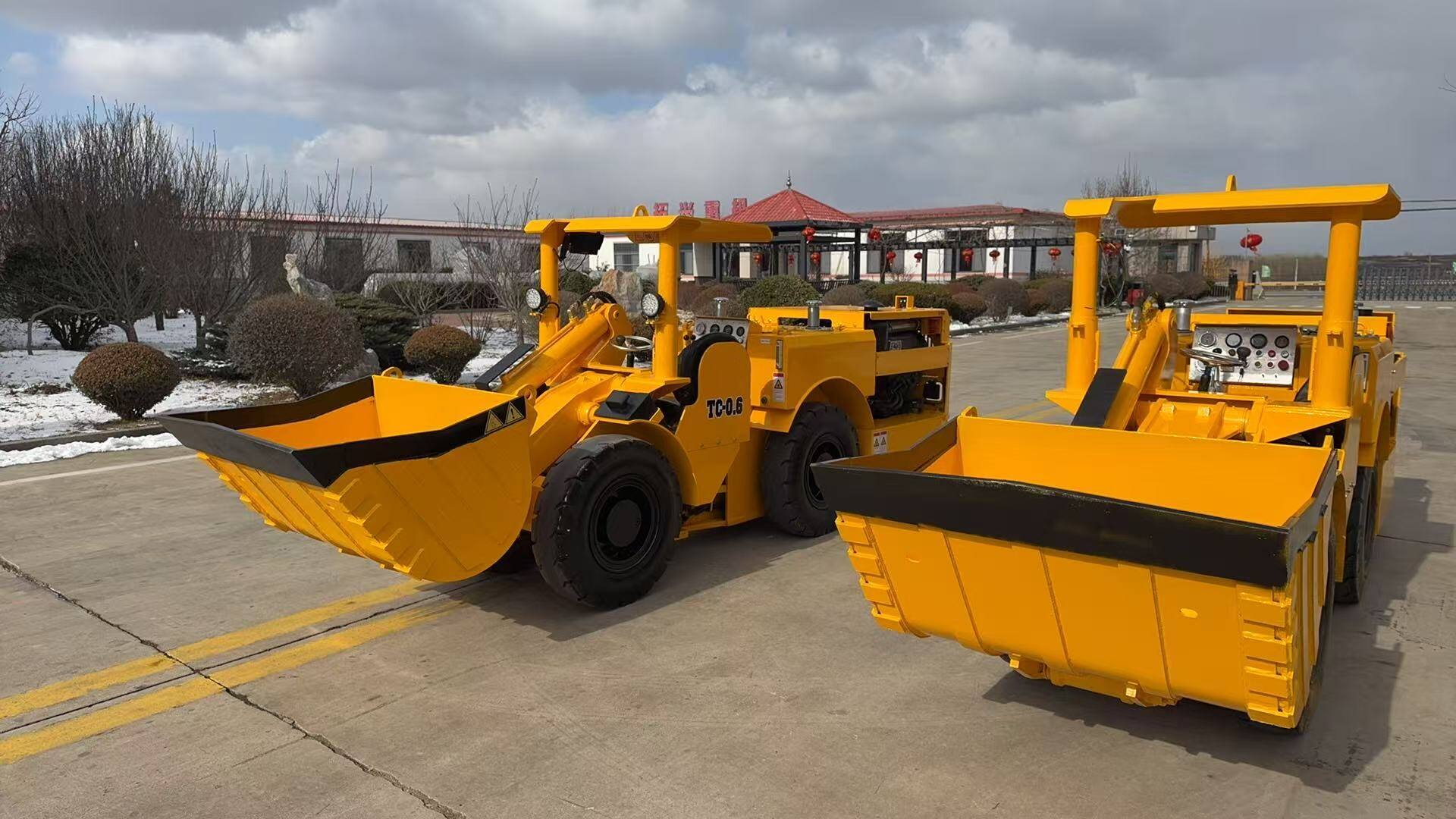
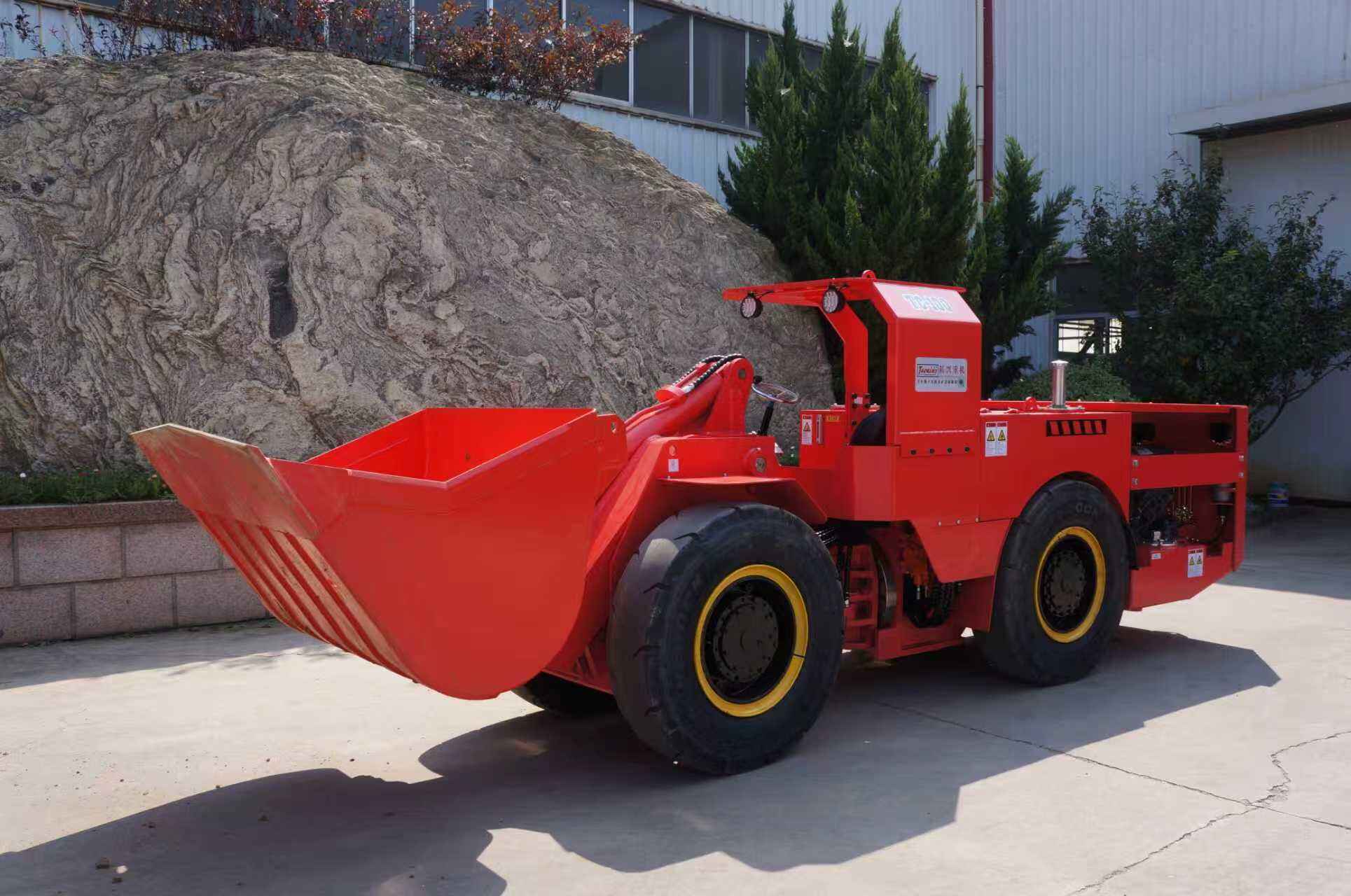
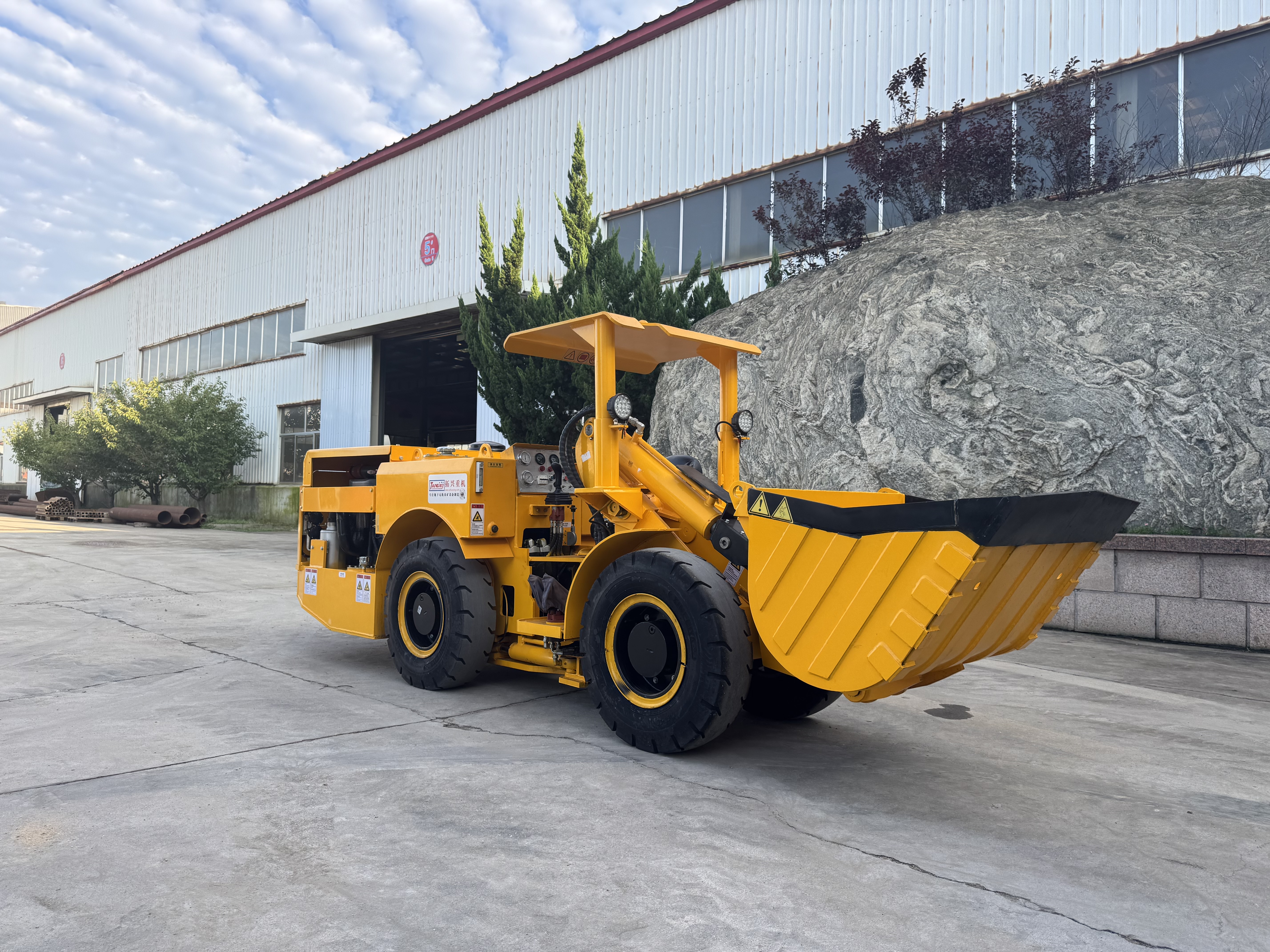
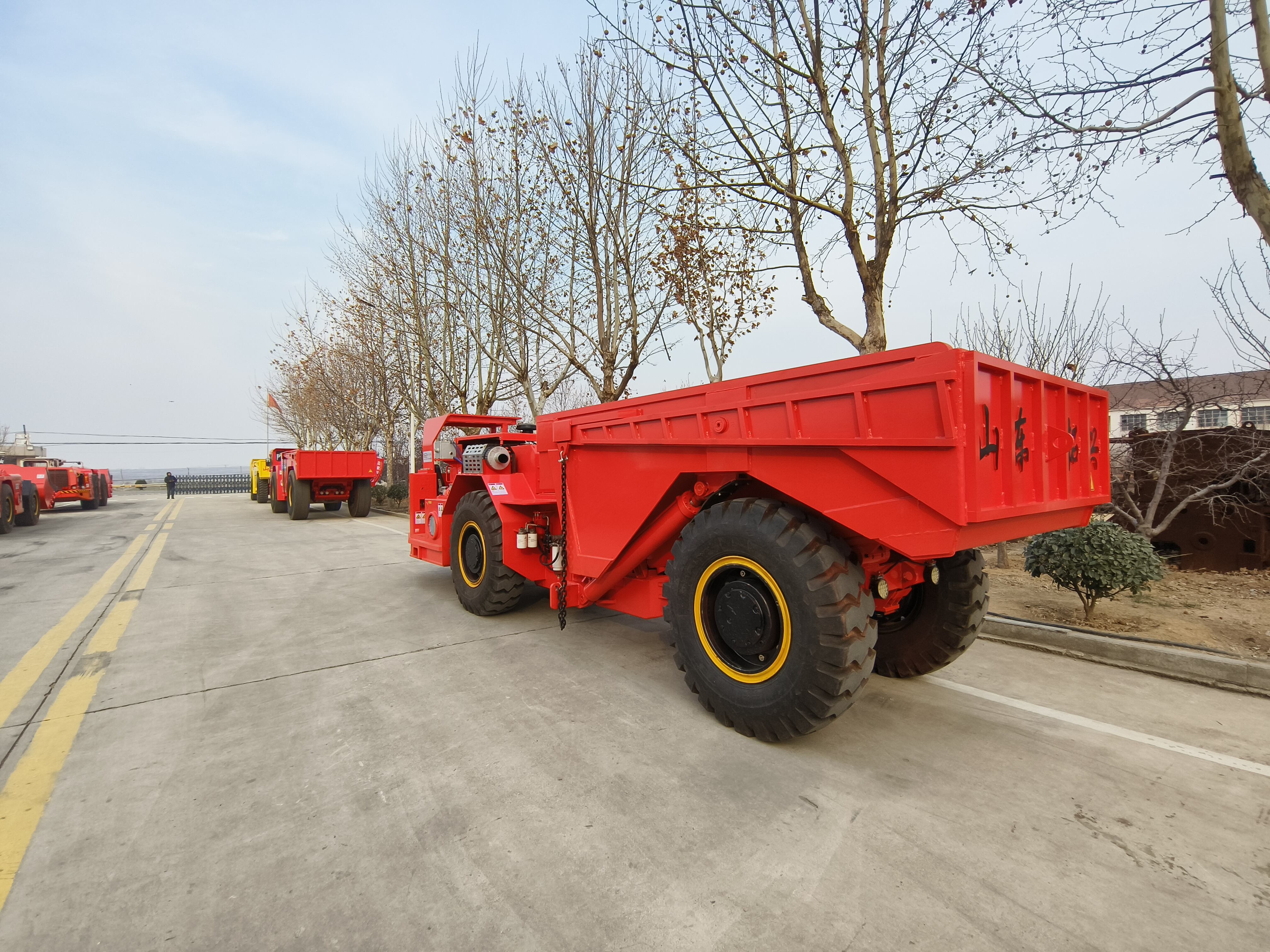
bespoke wet concrete spraying machine
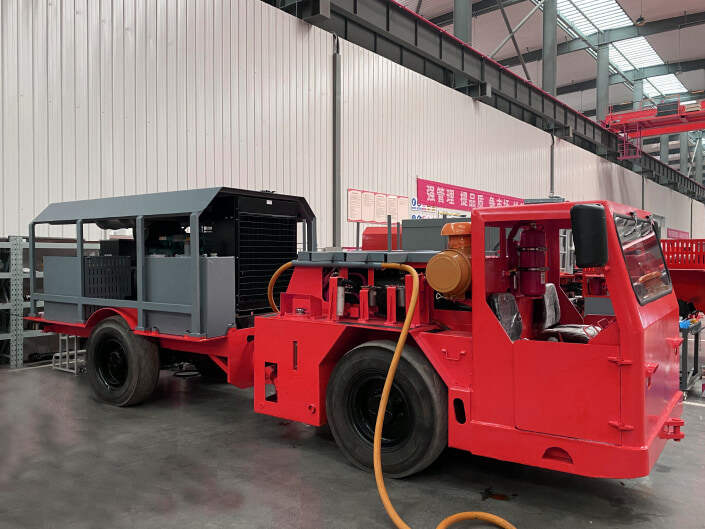
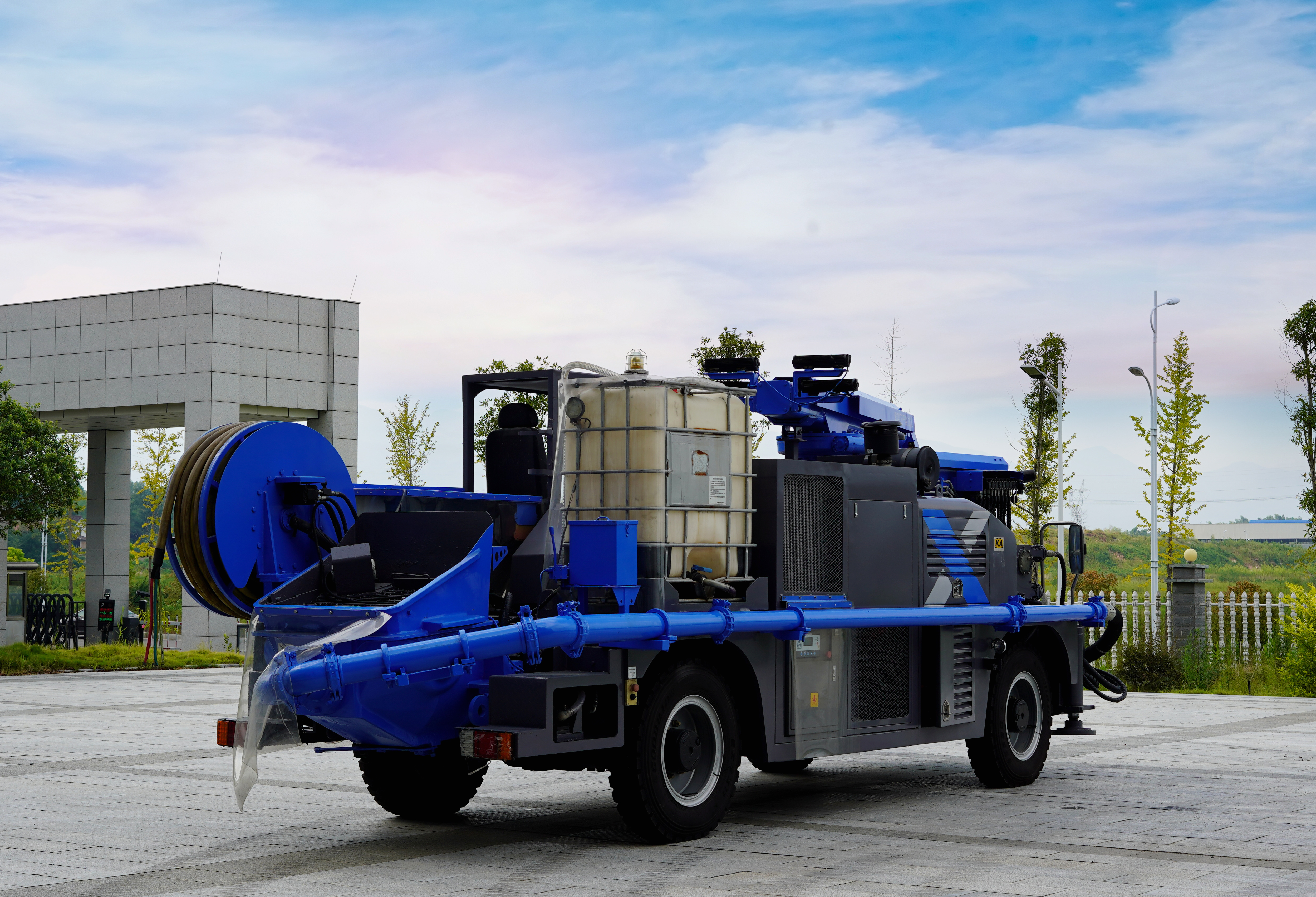
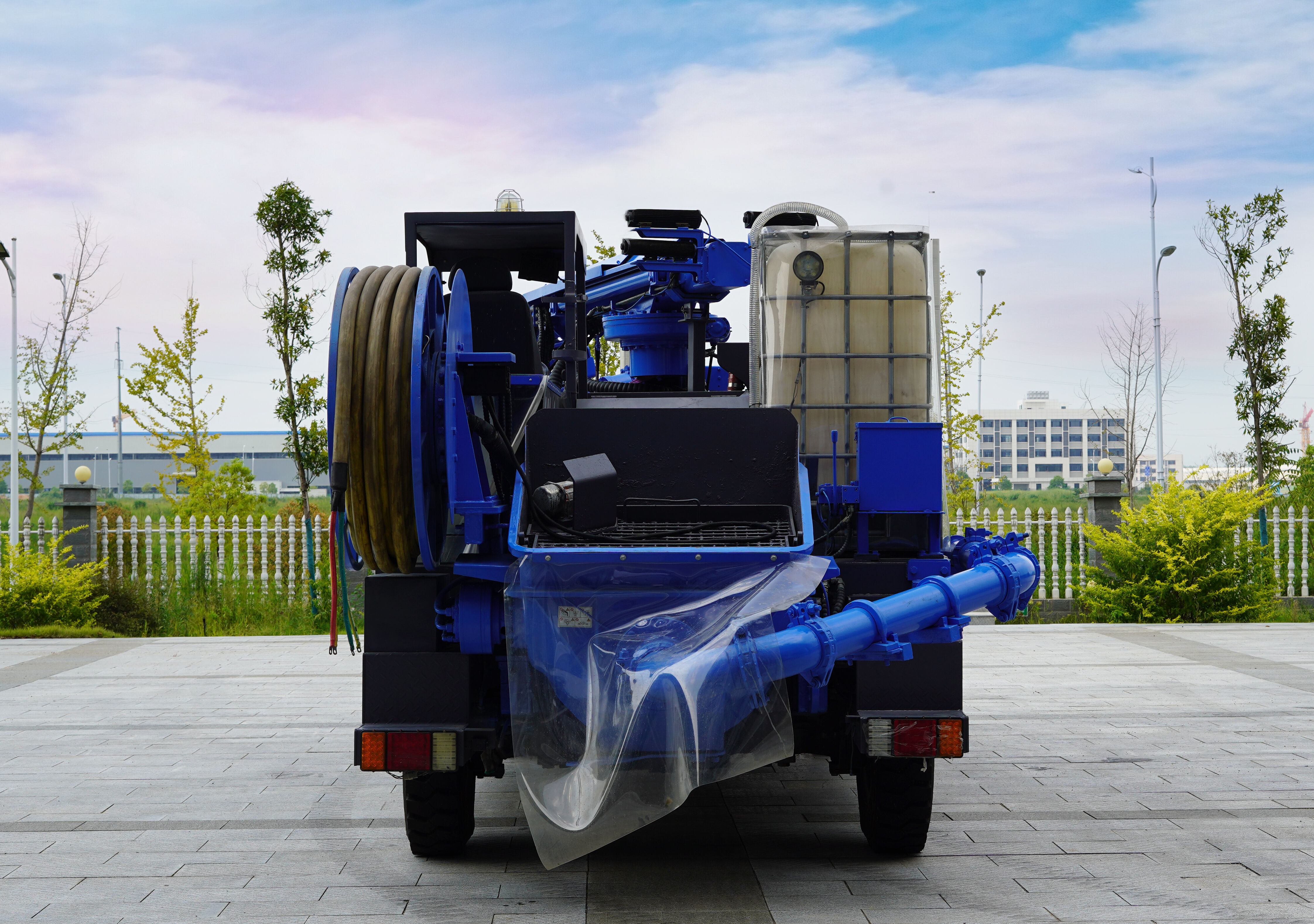
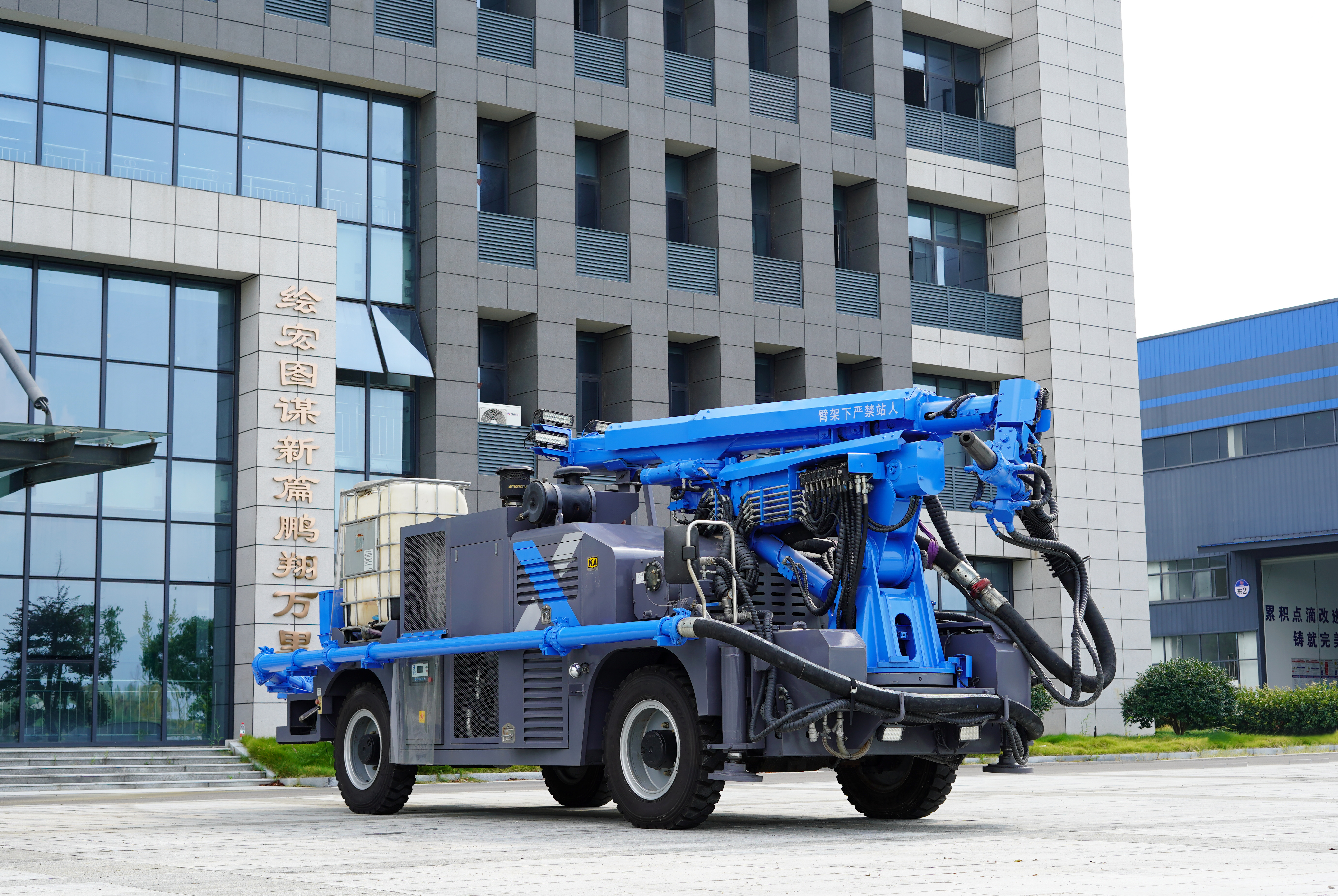
The bespoke wet concrete spraying machine represents a specialized construction equipment solution designed to meet unique project requirements and specific operational demands. This customized machinery delivers a continuous stream of wet concrete mixture through a high-pressure pumping system, allowing operators to apply concrete efficiently onto various surfaces including tunnel walls, slopes, swimming pools, and structural reinforcements. The bespoke wet concrete spraying machine integrates advanced control systems with robust mechanical components to ensure precise material delivery and consistent application quality. Unlike standard models, bespoke versions are engineered according to client specifications, considering factors such as project scale, environmental conditions, output capacity, and operational constraints. The main functions encompass mixing cement, aggregates, water, and additives into a homogeneous mixture, then propelling this material through delivery hoses to application nozzles where compressed air assists in achieving optimal spray patterns. Technological features include adjustable flow rate controls, automated feeding mechanisms, variable pressure settings, and digital monitoring displays that provide real-time operational data. The machine typically consists of a mixing chamber, high-capacity pump unit, hydraulic or electric drive system, control panel, and reinforced delivery hoses capable of withstanding substantial internal pressures. Applications span across underground construction projects, slope stabilization works, tunnel lining operations, swimming pool construction, building repairs, and architectural concrete formations. The bespoke wet concrete spraying machine serves industries such as mining, civil engineering, infrastructure development, and specialty construction where standard equipment cannot adequately address specific technical challenges or productivity requirements. Customization options may include enhanced pumping distances, specialized nozzle configurations, increased hopper capacities, mobility features for difficult terrain, or integration with automated control systems for precision applications.

 EN
EN