
 EN
EN
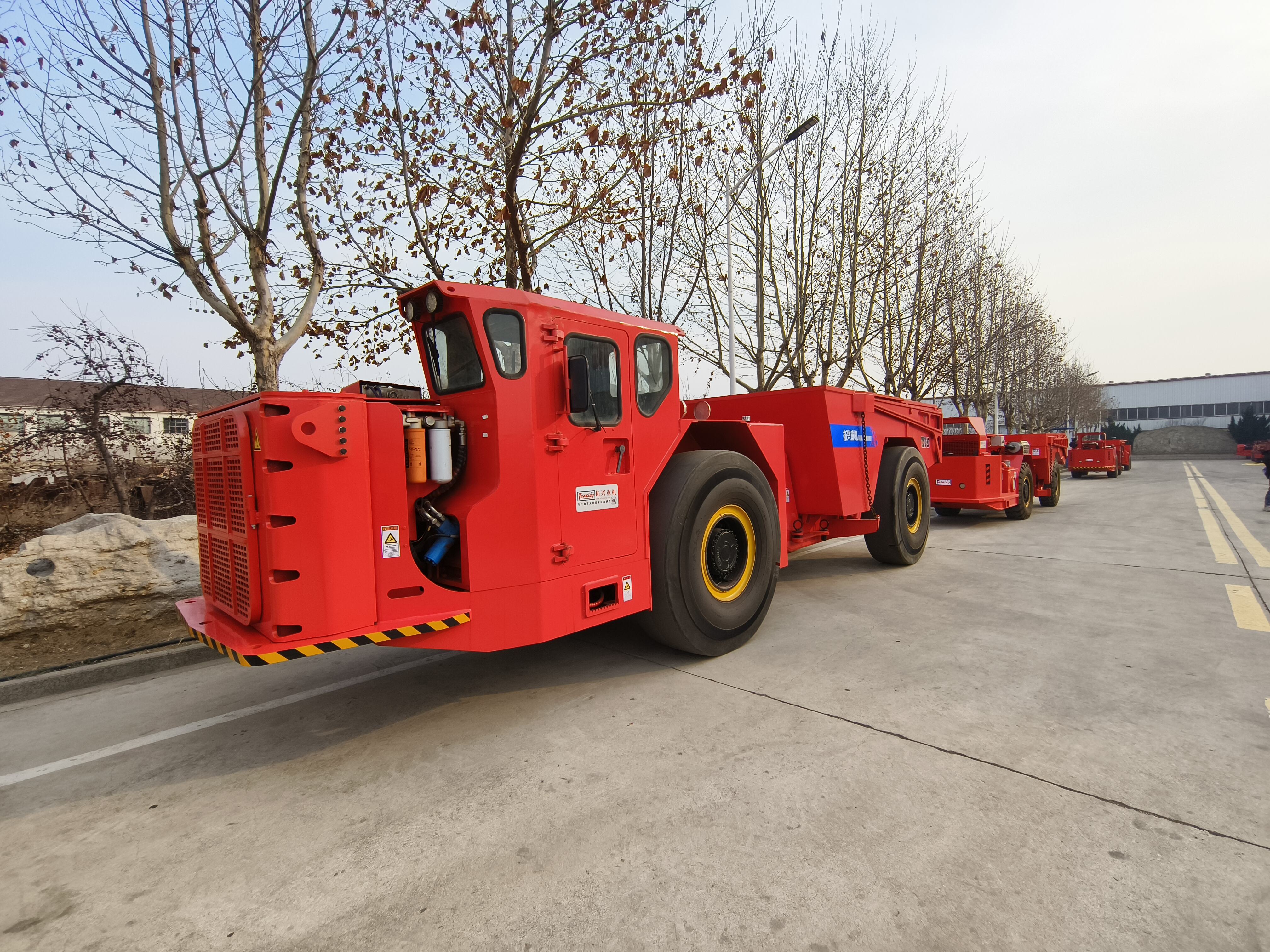
Deep mining operations demand equipment that can perform reliably in confined, high-pressure environments where every minute of downtime translates directly into lost production. The underground loader has become a cornerstone of modern hard rock mining, offering the combination of compact power, maneuverability, and load capacity that underground ore haulage requires. Without a dependable underground loader, achieving consistent deep mining efficiency is extremely difficult, regardless of how well other systems are optimized.
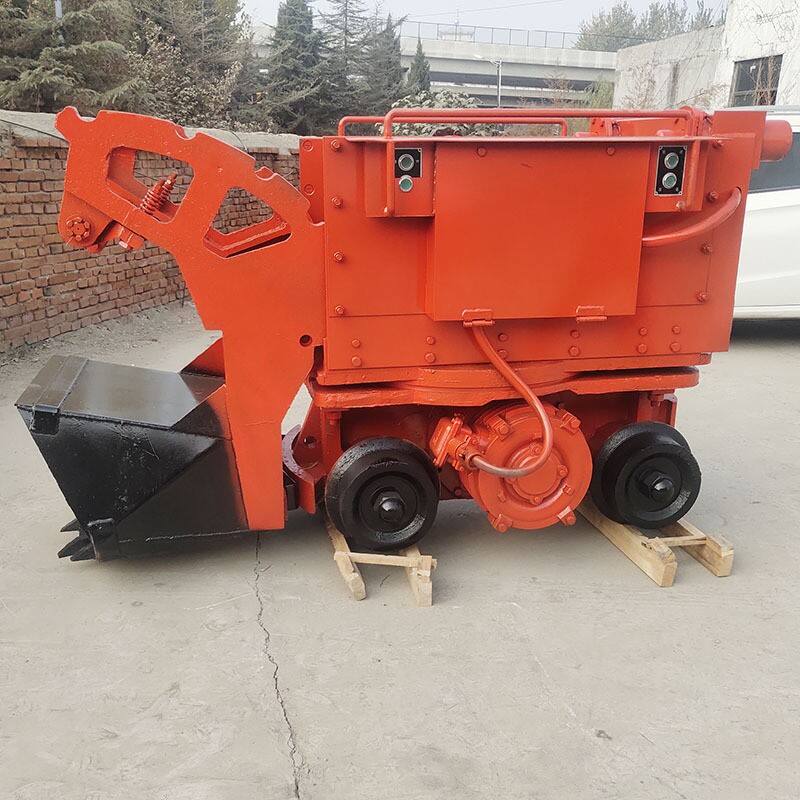
Tuoxing has engineered its underground loader specifically to address the challenges that deep mining teams face daily. From narrow drift widths to steep ramp gradients and demanding production schedules, a well-designed underground loader must handle it all without compromising safety or throughput. Understanding why the underground loader is essential begins with examining how it fits into the overall production workflow, what mechanical advantages it brings, and how it directly influences cycle efficiency at depth.
The Role of an Underground Loader in Deep Mining Workflows
Connecting Blasting and Haulage Cycles
After a blast, the broken ore must be moved quickly and efficiently to maintain production momentum. The underground loader is the critical link between the blast site and the ore pass or haulage vehicle. A fast, reliable underground loader reduces the time muck sits at the face, enabling drilling crews to re-enter sooner and begin the next cycle. Every improvement in the underground loader cycle time compounds over a shift, a week, and a month into significantly higher ore tonnage.
The underground loader operates in environments where visibility is limited, dust is heavy, and the floor is uneven. A robust underground loader designed for these conditions minimizes operator fatigue while maintaining consistent loading speed. Tuoxing's underground loader uses a low-profile frame that allows it to work comfortably in tight headings, reducing the delays caused by repositioning or restricted clearance that slower equipment would suffer.
Material Flow and Productivity at Depth
The deeper a mine goes, the more critical material flow management becomes. An underground loader that can carry a large bucket payload per pass directly reduces the number of loading cycles needed per blast round. Fewer cycles mean less machine wear, lower fuel consumption per tonne, and faster face clearance. The underground loader therefore acts as a multiplier for overall site productivity, not just a single-task machine. When production teams select the right underground loader capacity for their drift size and blast volume, the efficiency gains are immediate and measurable.
Mechanical Advantages That Define Underground Loader Performance
Power-to-Weight Ratio and Tramming Speed
An underground loader must balance raw bucket-fill force with the ability to tram loaded material across meaningful distances. Tuoxing's underground loader achieves a strong power-to-weight ratio that allows it to accelerate quickly even under full bucket load. Fast tramming speed matters enormously when the underground loader must cycle between the face and a dump point that is 50 to 150 meters away. A slow underground loader that loses time on every loaded tram run will never match the output of a machine engineered for speed under load.
The hydraulic system in a high-quality underground loader directly determines bucket breakout force and lift speed. Tuoxing designs its underground loader with high-flow hydraulics that allow the bucket to fill completely in a single pass into the muck pile. This 'full bucket, first pass' capability is one of the most important performance attributes an underground loader can have, because partial fills force repeat scooping, which wastes time and increases tire and bucket wear across the life of the underground loader.
Articulation and Drift Navigation
Underground drifts are rarely straight, and ramp corners can be extremely tight. The articulation angle of an underground loader determines how well it navigates these constraints without damage to the machine or drift walls. A well-articulated underground loader can make sharp turns at full load without slowing production or creating safety risks. Tuoxing engineers the steering geometry of its underground loader to provide maximum articulation while keeping the machine stable and predictable for operators working in low-light, confined conditions.
How an Underground Loader Supports Safety and Operational Continuity
Reducing Manual Exposure at the Face
One of the most valuable contributions an underground loader makes to deep mining safety is removing workers from the most hazardous zone of the mine. By rapidly clearing broken ore from the blast area, the underground loader shortens the window during which personnel are exposed to unsupported ground and residual blast gases. A fast, mechanically reliable underground loader is therefore not just a productivity tool — it is a safety tool. Operations that treat the underground loader as central to their safety strategy see measurable reductions in face-area exposure time per shift.
Minimizing Unplanned Downtime
Unplanned mechanical failure of the underground loader can halt an entire production level. Tuoxing builds its underground loader with heavy-duty components, simplified service access points, and robust protective structures to minimize unscheduled maintenance. When an underground loader is easy to service underground, routine inspections and part replacements take less time, keeping the machine in the production cycle longer. A reliable underground loader that runs through full shifts without interruption is worth far more to a deep mining operation than a technically impressive underground loader that frequently requires surface-level repairs.
Operational continuity depends on the underground loader meeting its planned availability targets shift after shift. Tuoxing's engineering philosophy prioritizes mean time between failures, ensuring that the underground loader delivers consistent output across the life of the equipment. When a mine can count on its underground loader to perform on schedule, production planning becomes more accurate, shift targets become achievable, and the entire downstream haulage and processing chain benefits from predictable feed rates.
FAQ
What bucket size should an underground loader have for narrow-vein mining?
For narrow-vein operations, the underground loader should have a compact bucket sized between 1.5 and 3 cubic meters. The right underground loader bucket size balances payload capacity with the physical constraints of the heading width, ensuring the machine can fill, tram, and dump without clearance issues that slow the overall cycle.
How does an underground loader differ from a surface wheel loader?
An underground loader is purpose-built with a low-profile frame, enclosed protective cabin, and high-articulation steering to function in confined underground drifts. A surface wheel loader is taller, wider, and lacks the structural protection needed for underground conditions. Using a surface loader underground compromises both safety and performance, making the dedicated underground loader the only practical choice for deep mining.
How often should an underground loader undergo scheduled maintenance?
Most manufacturers recommend that an underground loader undergo a thorough inspection every 250 operating hours, with major service intervals at 1000 hours. Tuoxing designs its underground loader for accessible underground servicing so that routine maintenance does not require bringing the machine to the surface, keeping the underground loader in productive operation for longer periods between full overhauls.