
 EN
EN
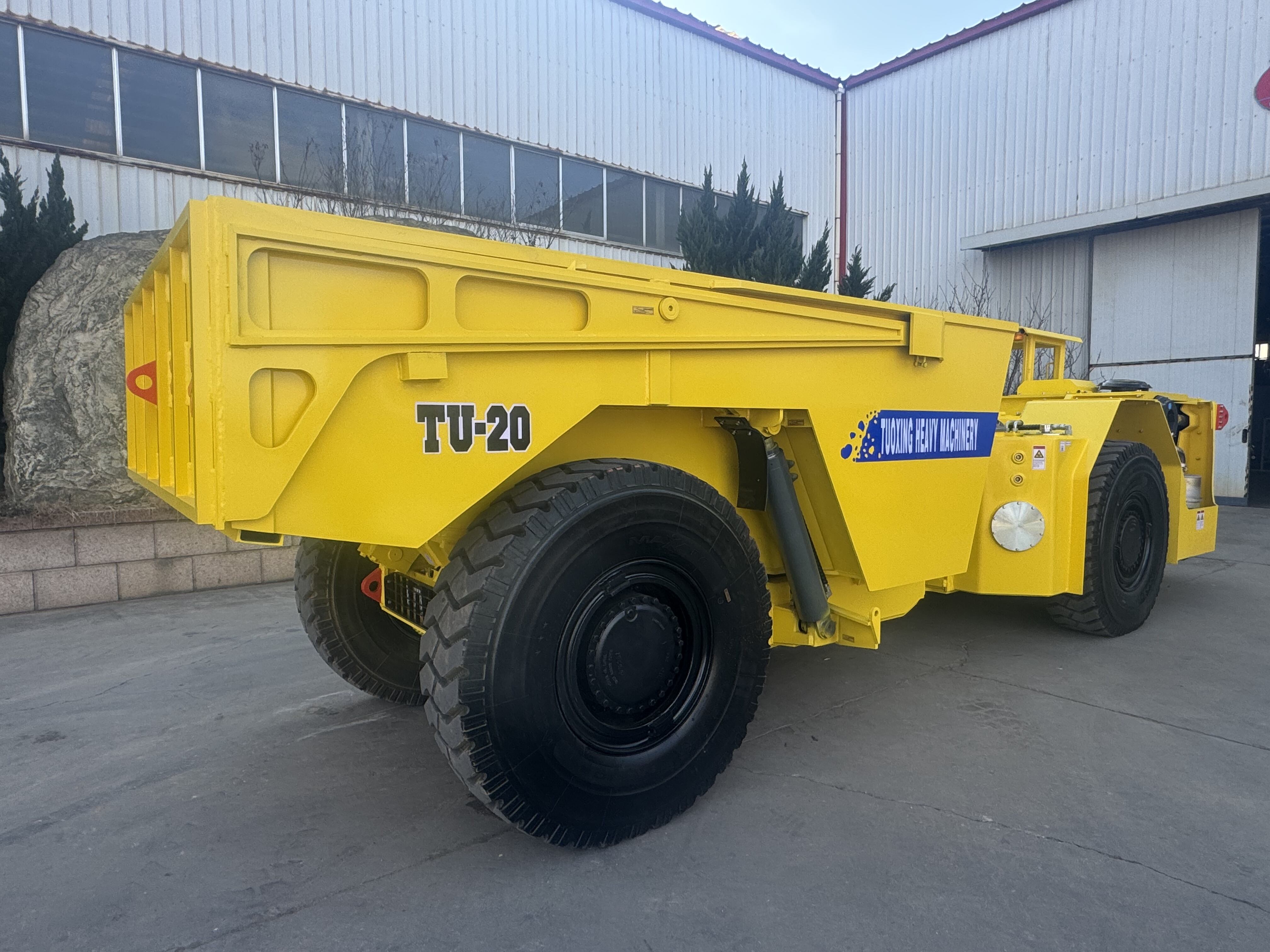
In modern hard rock mining, operator safety is no longer just a regulatory requirement — it is a core engineering priority. The intelligent underground loader has emerged as one of the most impactful technologies for reducing the human risk that comes with working deep inside tunnels, confined drifts, and unstable rock environments. As mining operations push deeper and production demands grow, the question is not whether to adopt smarter equipment, but how quickly those systems can be integrated to protect the people operating them.
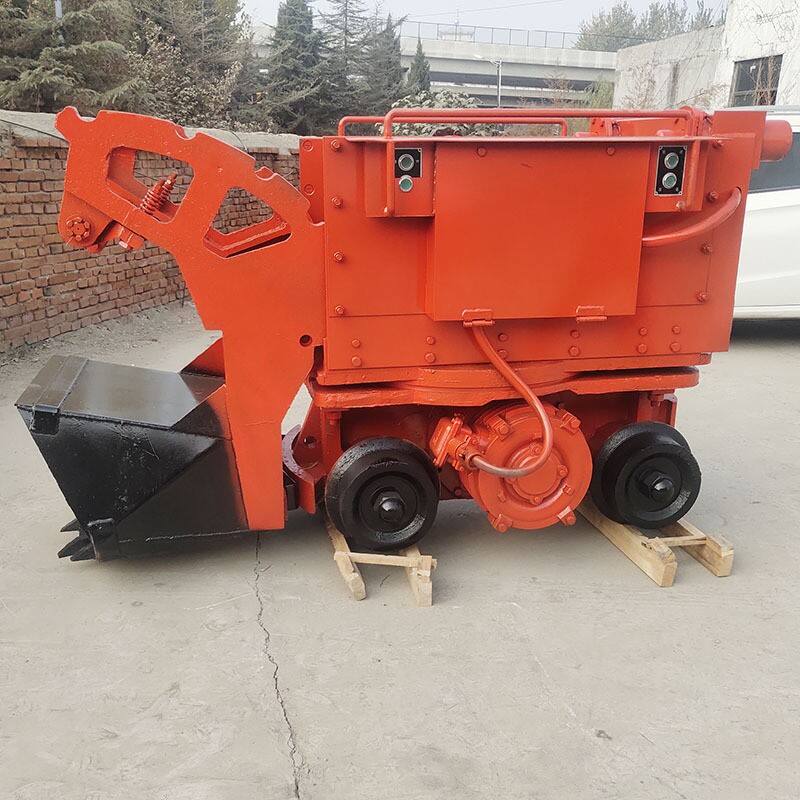
An intelligent underground loader combines advanced sensor arrays, onboard computing, proximity detection, and automated control systems into a single piece of loading equipment designed for the harshest underground conditions. Unlike conventional loaders that depend entirely on operator judgment, an intelligent underground loader actively assists the operator — and in some modes, removes the operator from the hazard zone entirely. Understanding how each of these features contributes to a stronger operator safety profile is essential for any mine planning team evaluating equipment upgrades.
Operator Safety Risks in Underground Mining
Physical Hazards Facing Loader Operators
Underground loader operators face a distinct and severe category of workplace risk. They work in environments with limited visibility, unpredictable roof conditions, restricted ventilation, and heavy equipment traffic moving through narrow drifts. A conventional loader operator must simultaneously manage machine controls, monitor the surrounding environment, coordinate with blast crews, and respond to changing ground conditions — all at once. This cognitive and physical burden significantly raises the probability of error-related incidents. Every conventional loader cycle that takes place in an active blast zone or near unstable ground places the operator in direct proximity to potential harm.
Noise, vibration, dust exposure, and the psychological stress of confined-space operation also contribute to long-term occupational health degradation. Over a full career, the cumulative toll on loader operators is substantial. Mining companies that rely solely on training and personal protective equipment to manage these risks are working with an incomplete safety strategy. A well-designed intelligent underground loader addresses these root exposure factors rather than simply adding a layer of protection on top of an unchanged workflow.
The Limits of Traditional Safety Approaches
Traditional safety measures for underground loaders have focused heavily on procedural controls — strict exclusion zones, operator certification programs, manual pre-shift inspections, and shift supervisor oversight. While these measures are necessary, they are reactive and dependent on consistent human behavior. An intelligent underground loader introduces a proactive safety layer that functions regardless of fatigue level, distraction, or shift length. This distinction is critical: procedural controls rely on the operator being vigilant at all times, while an intelligent underground loader system continues monitoring and responding even when operator attention momentarily lapses.
How an Intelligent Underground Loader Reduces Operator Risk
Automation and Collision Avoidance Technology
One of the most direct ways an intelligent underground loader improves operator safety is through onboard collision avoidance systems. Using radar, lidar, and proximity sensors, an intelligent underground loader can detect personnel, other vehicles, and structural obstacles within its operational radius. When a hazard is detected, the intelligent underground loader can automatically reduce speed, trigger audible and visual alerts, or halt machine movement until the hazard is cleared. This capability is particularly valuable in crosscut intersections and tight loading bays where visibility from the cab is severely limited. The intelligent underground loader does not wait for the operator to notice a risk — it responds immediately based on real-time sensor data.
Remote and autonomous operation modes take this protection even further. An intelligent underground loader configured for tele-remote control allows the operator to manage the loading cycle from a safe surface control station or a protected underground monitoring room. The operator is no longer positioned inside the hazard zone during mucking operations near freshly blasted headings. This operational model fundamentally changes the safety profile of every production shift that involves an intelligent underground loader working in high-risk environments.
Real-Time Monitoring and Operator Condition Awareness
Beyond environmental hazard detection, an intelligent underground loader can incorporate operator condition monitoring tools. Sensors integrated into the cab of an intelligent underground loader track operator alertness, seat belt engagement, and control input patterns. If the intelligent underground loader detects signs of fatigue-related behavior — such as irregular steering input or delayed pedal response — it can issue an in-cab alert or report the event to the surface supervisor. This capability transforms the intelligent underground loader into an active partner in operator wellness management, not just a passive machine following commands.
Fleet telematics systems linked to each intelligent underground loader also give mine safety officers a continuous stream of machine location, speed, and operational status data. When an intelligent underground loader deviates from its expected route or enters a geofenced exclusion zone, the system flags the event immediately. This level of oversight was impossible with conventional equipment and gives safety teams the actionable data they need to intervene before incidents escalate.
Long-Term Safety Benefits Across Mining Operations
Reducing Human Exposure in Hazardous Zones
Every hour that an intelligent underground loader operates in autonomous or tele-remote mode is an hour when no operator is physically exposed to underground hazards. Over a full production year, the cumulative reduction in human exposure hours is substantial. Mining operations that deploy an intelligent underground loader for primary mucking cycles in high-risk headings can reassign operators to supervisory, maintenance, or monitoring roles that carry a significantly lower injury risk. This shift in workforce deployment is one of the clearest measurable outcomes tied to intelligent underground loader adoption.
Data-Driven Safety Performance Improvement
An intelligent underground loader generates detailed operational logs covering every production cycle, alert event, and system response. Safety managers can analyze this data to identify recurring near-miss patterns, high-risk time windows, and machine behavior trends that precede incidents. The insights produced by an intelligent underground loader data platform allow mines to refine training programs, adjust operating procedures, and prioritize maintenance interventions before failures occur. Over time, each intelligent underground loader becomes a source of institutional safety knowledge, continuously improving the overall risk profile of the operation.
FAQ
What makes an intelligent underground loader different from a standard loader?
An intelligent underground loader integrates sensors, automation, real-time monitoring, and remote operation capability that a standard loader does not have. These systems allow the intelligent underground loader to detect hazards, alert operators, and in some cases operate without placing the operator inside the hazard zone, which is a fundamental safety advancement over conventional equipment.
Can an intelligent underground loader operate fully autonomously?
Many versions of the intelligent underground loader support tele-remote or semi-autonomous operation. Full autonomy depends on the specific system configuration and site conditions. Most mines use the intelligent underground loader in a supervised autonomous mode where an operator monitors operations remotely while the machine handles repetitive loading cycles independently.
How does an intelligent underground loader affect long-term injury statistics?
By reducing direct operator exposure to blast zones, unstable ground, and collision risks, an intelligent underground loader can meaningfully lower the frequency and severity of occupational injuries over time. Combined with the data analytics capabilities built into the intelligent underground loader platform, mines gain the tools needed to track safety trends and demonstrate measurable improvement in their operator safety profiles.