
 EN
EN
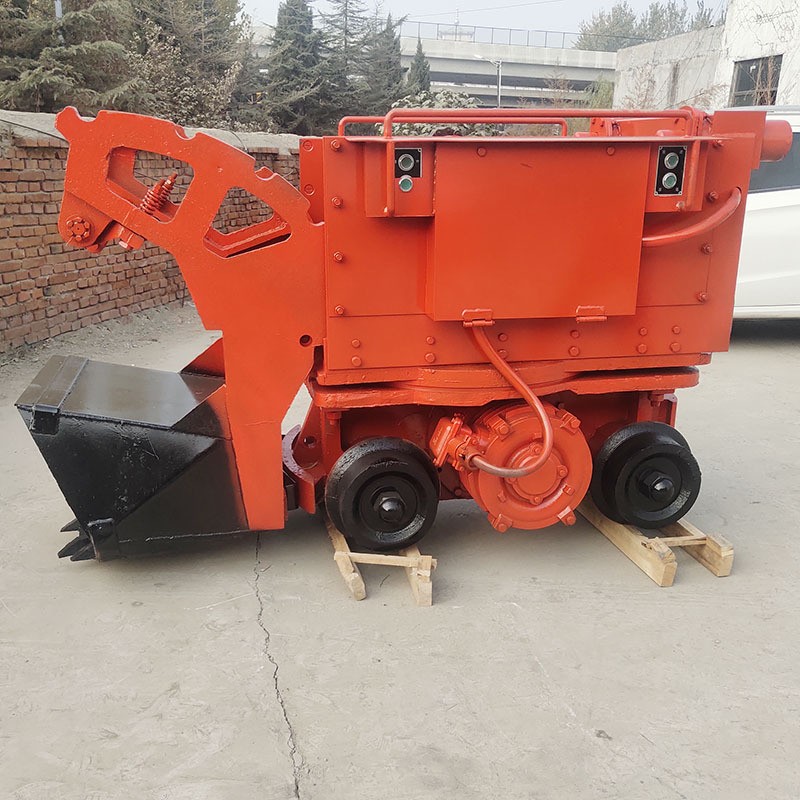
The claim that predictive monitoring on mining machinery catches 80% of bearing failures early is grounded in operational reality across modern mining operations. Bearing failures represent one of the costliest unplanned downtime events in mining, affecting everything from haul trucks and excavators to conveyors and processing equipment. When predictive monitoring on mining machinery is properly implemented with the right sensor technology, data analytics platforms, and maintenance protocols, research and field data consistently show early detection rates between 75% and 85% for bearing-related failures. This capability transforms maintenance from reactive firefighting into strategic asset protection, but the 80% benchmark depends entirely on system design quality, monitoring frequency, and organizational commitment to acting on early warning signals.
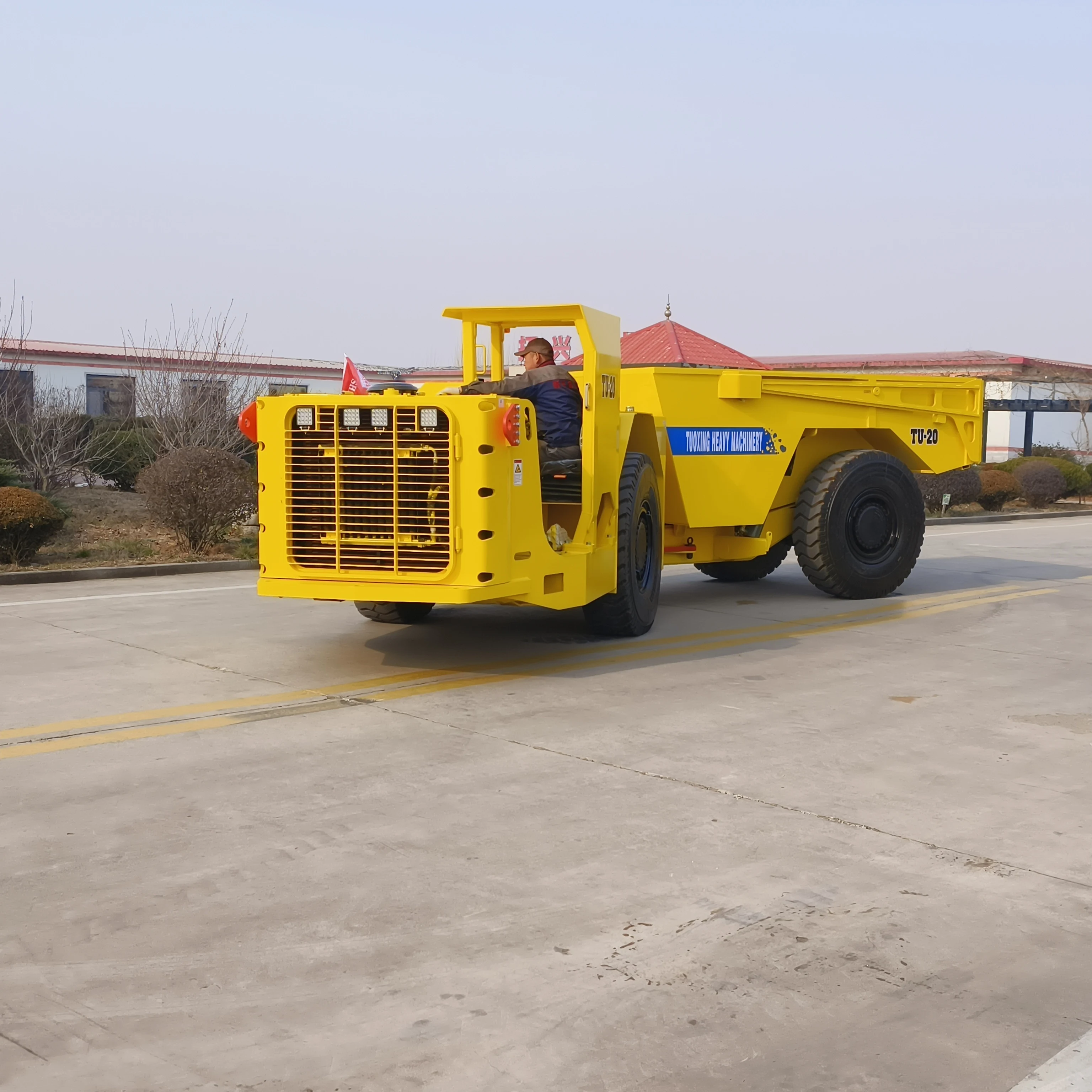
Achieving an 80% early detection rate through predictive monitoring on mining machinery requires understanding what 'early' means in practical terms. Early detection typically refers to identifying bearing degradation during the P-F interval, the window between the first detectable sign of failure and functional breakdown. For bearings, this interval can span days to weeks depending on operating conditions, load profiles, and failure mode. Predictive monitoring on mining machinery uses vibration analysis, temperature monitoring, oil analysis, and acoustic emission to detect microscopic changes in bearing condition long before catastrophic failure occurs. The 80% success rate reflects cases where monitoring systems provided sufficient advance warning, typically 5 to 15 days, to schedule corrective maintenance during planned downtime rather than suffering emergency shutdowns.
How Predictive Monitoring on Mining Machinery Detects Bearing Failures
Vibration Analysis as the Primary Detection Method
Vibration analysis forms the backbone of predictive monitoring on mining machinery for bearing failure detection. Accelerometers mounted on bearing housings continuously measure vibration signatures across multiple frequency bands. Healthy bearings produce characteristic vibration patterns at specific frequencies related to shaft speed, ball pass frequencies, and cage rotation. When predictive monitoring on mining machinery identifies deviations from baseline patterns, such as increased amplitude at bearing defect frequencies or emergence of sidebands indicating modulation, it signals developing faults like race pitting, ball spalling, or cage wear. The sensitivity of modern predictive monitoring on mining machinery systems allows detection of defects as small as 0.1 millimeters in diameter, well before they progress to catastrophic failure stages that cause secondary damage to shafts, housings, and adjacent components.
Thermal Monitoring and Lubrication Analysis
Temperature monitoring complements vibration-based predictive monitoring on mining machinery by detecting thermal changes that precede bearing failure. Infrared sensors and embedded thermocouples track bearing operating temperatures against established baselines. Elevated temperatures often indicate lubrication breakdown, contamination, or increased friction from developing surface defects. When predictive monitoring on mining machinery combines thermal data with oil analysis results showing increased metal particulates, moisture content, or viscosity changes, maintenance teams receive converging evidence of bearing degradation. This multi-parameter approach through predictive monitoring on mining machinery significantly reduces false positives while improving the accuracy of failure predictions, directly contributing to the 80% early detection benchmark by providing confirmation across independent monitoring channels.
Why Predictive Monitoring on Mining Machinery Achieves 80% Detection Rates
Physics-Based Failure Progression in Bearings
The 80% success rate of predictive monitoring on mining machinery in catching bearing failures early stems from the predictable physics of bearing degradation. Unlike sudden fracture failures, bearing deterioration follows a progressive path from initial surface fatigue through crack propagation to spalling and eventual seizure. This progression generates detectable signals throughout most of the failure timeline. Predictive monitoring on mining machinery capitalizes on this characteristic by tracking the escalating vibration energy, harmonic complexity, and thermal signatures that accompany each degradation stage. The 20% of failures that escape early detection typically involve rapid progression scenarios such as contamination-induced abrasive wear in harsh environments, lubrication starvation events, or impact damage from operational upsets that bypass the gradual degradation curve that predictive monitoring on mining machinery is optimized to detect.
Monitoring Frequency and Sensor Coverage
The effectiveness of predictive monitoring on mining machinery in achieving 80% early bearing failure detection depends critically on monitoring frequency and sensor placement. Continuous monitoring systems that sample vibration data multiple times per second provide far superior detection rates compared to periodic manual inspections conducted monthly or quarterly. High-value assets in mining operations, including haul trucks, shovels, and primary crushers, increasingly employ permanent predictive monitoring on mining machinery installations with real-time data transmission to centralized analytics platforms. This continuous surveillance ensures that rapid-onset failure modes are captured during the brief window between initiation and catastrophic failure. Strategic sensor placement on bearing housings, across multiple measurement planes, further enhances predictive monitoring on mining machinery capabilities by capturing directional vibration components that reveal specific fault types and severity levels.
Operational Factors Affecting Predictive Monitoring on Mining Machinery Performance
Environmental Challenges in Mining Applications
Mining environments impose unique challenges that influence whether predictive monitoring on mining machinery reaches the 80% early detection threshold. Extreme temperatures, pervasive dust, moisture exposure, and intense vibration from blasting operations create hostile conditions for sensors and electronics. Predictive monitoring on mining machinery systems must be ruggedized with IP67 or higher ingress protection ratings, temperature compensation algorithms, and robust mounting solutions that maintain sensor coupling integrity despite mechanical shock. Environmental factors also affect bearing failure modes themselves, with contamination-related failures progressing more rapidly than fatigue-based failures in clean industrial environments. Successful predictive monitoring on mining machinery programs in open-pit and underground operations incorporate environmental condition monitoring alongside bearing health parameters, using algorithms that adjust alarm thresholds based on operating context such as dust storms, seasonal temperature extremes, or high-humidity periods following precipitation events.
Integration with Maintenance Decision Workflows
Reaching the 80% early detection benchmark through predictive monitoring on mining machinery requires more than capable hardware and algorithms. It demands organizational systems that translate monitoring alerts into timely maintenance actions. Predictive monitoring on mining machinery generates value only when detected anomalies trigger work orders, parts procurement, and scheduled interventions before failure occurs. Mining operations that achieve 80% prevention rates typically have mature computerized maintenance management systems (CMMS) integrated with their predictive monitoring on mining machinery platforms, automated escalation protocols when alert thresholds are breached, and cross-functional teams empowered to make shutdown decisions based on monitoring data. Conversely, sites with advanced predictive monitoring on mining machinery technology but immature maintenance cultures often see lower prevention rates because detected issues are not addressed within the available lead time window, allowing degraded bearings to progress to failure despite early warnings.
FAQ
What types of bearing failures does predictive monitoring on mining machinery detect most reliably?
Predictive monitoring on mining machinery excels at detecting progressive bearing failures caused by fatigue, including inner race spalling, outer race defects, ball or roller element damage, and cage wear. These failure modes generate characteristic vibration and temperature signatures well before catastrophic failure occurs. The technology is less effective at catching sudden failures from impact damage, catastrophic lubrication loss, or manufacturing defects that cause rapid progression without a detectable P-F interval. Contamination-induced wear falls in the middle, detectable if predictive monitoring on mining machinery includes oil analysis and frequent sampling, but potentially progressing too quickly for monthly inspection intervals to catch early enough.
How much advance warning does predictive monitoring on mining machinery typically provide before bearing failure?
When predictive monitoring on mining machinery successfully detects bearing degradation early, the typical advance warning period ranges from 5 to 15 days for continuously monitored critical assets, and 2 to 8 weeks for periodically inspected equipment depending on inspection frequency. This lead time assumes normal operating conditions and progressive failure modes. Rapid-onset failures may provide only 24 to 72 hours of warning, while slow-developing fatigue failures in lightly loaded applications might be detected months in advance. The key factor determining useful lead time is monitoring frequency relative to failure progression rate, which is why high-value mining assets justify continuous predictive monitoring on mining machinery systems while secondary equipment may rely on weekly or monthly inspections.
Does predictive monitoring on mining machinery require significant investment to reach 80% detection rates?
Achieving 80% early bearing failure detection through predictive monitoring on mining machinery does require substantial initial investment in sensors, data acquisition infrastructure, analytics software, and personnel training. However, the investment scales with fleet size and equipment criticality. A mining operation might install continuous predictive monitoring on mining machinery systems on a dozen critical assets representing 80% of production capacity, while using portable vibration analyzers for periodic inspection of less critical equipment. The return on investment becomes positive when prevented bearing failures avoid one or two major unplanned shutdowns per year, considering that a single haul truck transmission bearing failure can cost 50,000 to 150,000 dollars in parts, labor, and lost production. The technology has matured to the point where even mid-size mining operations can implement effective predictive monitoring on mining machinery programs with manageable capital and operating costs.
Table of Contents
- How Predictive Monitoring on Mining Machinery Detects Bearing Failures
- Why Predictive Monitoring on Mining Machinery Achieves 80% Detection Rates
- Operational Factors Affecting Predictive Monitoring on Mining Machinery Performance
-
FAQ
- What types of bearing failures does predictive monitoring on mining machinery detect most reliably?
- How much advance warning does predictive monitoring on mining machinery typically provide before bearing failure?
- Does predictive monitoring on mining machinery require significant investment to reach 80% detection rates?