
 EN
EN

Understanding which emergency stop procedure is most critical for new operators of mining machinery can mean the difference between a controlled shutdown and a catastrophic incident. Every mining operation requires rigorous emergency stop procedure protocols that new operators must master before operating heavy equipment underground. The emergency stop procedure serves as the primary safety mechanism when unexpected hazards arise during mining machinery operation, making it essential for protecting personnel, equipment, and the mining operation itself.
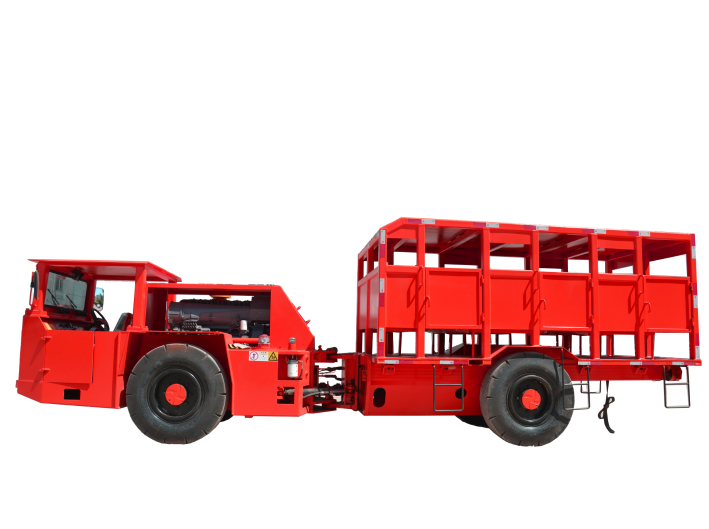
New operators entering the mining industry face unique challenges when learning the emergency stop procedure for mining machinery. The most critical emergency stop procedure involves immediate engine shutdown combined with brake application, which prevents uncontrolled equipment movement in confined underground spaces. This fundamental emergency stop procedure must become second nature to operators, as hesitation during emergencies can lead to severe consequences in mining environments where visibility is limited and escape routes are restricted.
Primary Emergency Stop Procedure Components for Mining Machinery
Immediate Engine Shutdown Protocol
The most critical emergency stop procedure for new operators centers on immediate engine shutdown capability. Mining machinery emergency stop procedure requires operators to locate and activate the engine kill switch within two seconds of recognizing danger. This emergency stop procedure component stops all mechanical motion at the power source, preventing continued operation that could worsen emergency conditions. New operators must practice this emergency stop procedure repeatedly until muscle memory develops, ensuring they can execute the emergency stop procedure even under stress or in darkness. The emergency stop procedure for engine shutdown differs slightly across equipment types, but the principle remains constant across all mining machinery platforms.
Simultaneous Brake Engagement Technique
Coordinating brake application with engine shutdown represents the second critical element of the emergency stop procedure for mining machinery. The emergency stop procedure requires operators to apply full braking force simultaneously with engine cutoff to prevent equipment drift on inclined mining tunnels. This emergency stop procedure technique stops both powered movement and momentum-driven motion, which is vital in underground mining where space constraints limit equipment rollback distance. New operators often struggle with this dual-action emergency stop procedure initially, making supervised practice of the emergency stop procedure essential during training periods. Proper emergency stop procedure execution prevents the mining machinery from becoming an uncontrolled hazard to other workers or equipment in the operational area.
Critical Decision Factors in Emergency Stop Procedure Selection
Equipment-Specific Emergency Stop Procedure Variations
Determining which emergency stop procedure is most critical depends significantly on the specific mining machinery being operated. Large haul trucks require a different emergency stop procedure emphasis compared to continuous miners or drill rigs. The emergency stop procedure for mobile equipment prioritizes preventing uncontrolled movement, while stationary equipment emergency stop procedure focuses on cutting power to rotating components. New operators must understand that no single emergency stop procedure applies universally across all mining machinery types. Each piece of equipment has a customized emergency stop procedure designed around its specific operational hazards and mechanical configuration. Learning the correct emergency stop procedure for each machine category forms the foundation of operator competency in mining operations.
Environmental Context in Emergency Stop Procedure Application
The underground mining environment heavily influences which emergency stop procedure takes priority during operator training. Confined spaces with limited visibility make the emergency stop procedure more challenging to execute correctly compared to surface mining operations. New operators must adapt their emergency stop procedure response based on factors like tunnel grade, proximity to other equipment, and ventilation conditions. An effective emergency stop procedure in steep decline tunnels emphasizes brake application before engine shutdown to prevent rollback. Conversely, the emergency stop procedure in level areas may prioritize engine cutoff to eliminate hydraulic pressure in attachment systems. Understanding these contextual variations in emergency stop procedure application separates competent operators from those who merely memorize steps without comprehension.
Training Integration and Emergency Stop Procedure Mastery
Simulation-Based Emergency Stop Procedure Development
New operators achieve emergency stop procedure mastery through progressive simulation training that builds from basic to complex scenarios. Initial emergency stop procedure training occurs on stationary equipment where operators can focus solely on control location and activation sequence. As competency develops, the emergency stop procedure training advances to moving equipment in controlled environments before transitioning to actual mining conditions. This graduated emergency stop procedure approach ensures operators develop both cognitive understanding and physical reflexes necessary for effective emergency response. Regular emergency stop procedure drills maintain operator readiness and identify individuals who need additional emergency stop procedure coaching before they operate machinery independently in production areas.
Verification of Emergency Stop Procedure Competency
Mining operations must implement rigorous verification systems that confirm new operators can execute the emergency stop procedure under realistic conditions. Competency assessment of emergency stop procedure skills should include timed response tests, blind control location exercises, and unexpected scenario simulations. Operators who cannot demonstrate consistent emergency stop procedure execution within required time parameters need additional training before receiving authorization for independent equipment operation. The emergency stop procedure verification process also identifies equipment-specific control placement issues that may hinder rapid emergency stop procedure activation. Continuous monitoring of emergency stop procedure performance during initial supervised operation periods helps identify operators who need refresher training on critical emergency stop procedure elements.
FAQ
What makes the immediate engine shutdown the most critical emergency stop procedure for new mining machinery operators?
The immediate engine shutdown emergency stop procedure is most critical because it eliminates the power source driving all mechanical systems, preventing continued operation that could worsen emergency conditions. This emergency stop procedure component stops hydraulic pressure, rotating components, and propulsion systems simultaneously, giving operators the broadest safety intervention. New operators must master this emergency stop procedure first because it applies across nearly all mining machinery types and addresses the widest range of potential emergencies in underground mining environments.
How does equipment type influence which emergency stop procedure takes priority during operator training?
Equipment type fundamentally determines emergency stop procedure priorities because different mining machines present distinct operational hazards. Mobile equipment emergency stop procedure emphasizes preventing uncontrolled movement through brake application, while stationary equipment emergency stop procedure focuses on stopping rotating drill bits or cutting heads. New operators learning emergency stop procedure for load-haul-dump vehicles face different challenges than those training on continuous miners, requiring equipment-specific emergency stop procedure instruction rather than generic safety training.
Why must new operators practice the emergency stop procedure until it becomes automatic rather than just understanding the concept?
Emergency situations in mining operations occur suddenly and often in conditions of poor visibility, noise, and stress that impair cognitive decision-making. The emergency stop procedure must be executed through muscle memory and reflex rather than conscious thought processes, which are too slow during actual emergencies. New operators who only understand emergency stop procedure conceptually will hesitate during real incidents, while those who have practiced the emergency stop procedure extensively will respond instantly and correctly when facing unexpected hazards in underground mining conditions.
Table of Contents
- Primary Emergency Stop Procedure Components for Mining Machinery
- Critical Decision Factors in Emergency Stop Procedure Selection
- Training Integration and Emergency Stop Procedure Mastery
-
FAQ
- What makes the immediate engine shutdown the most critical emergency stop procedure for new mining machinery operators?
- How does equipment type influence which emergency stop procedure takes priority during operator training?
- Why must new operators practice the emergency stop procedure until it becomes automatic rather than just understanding the concept?