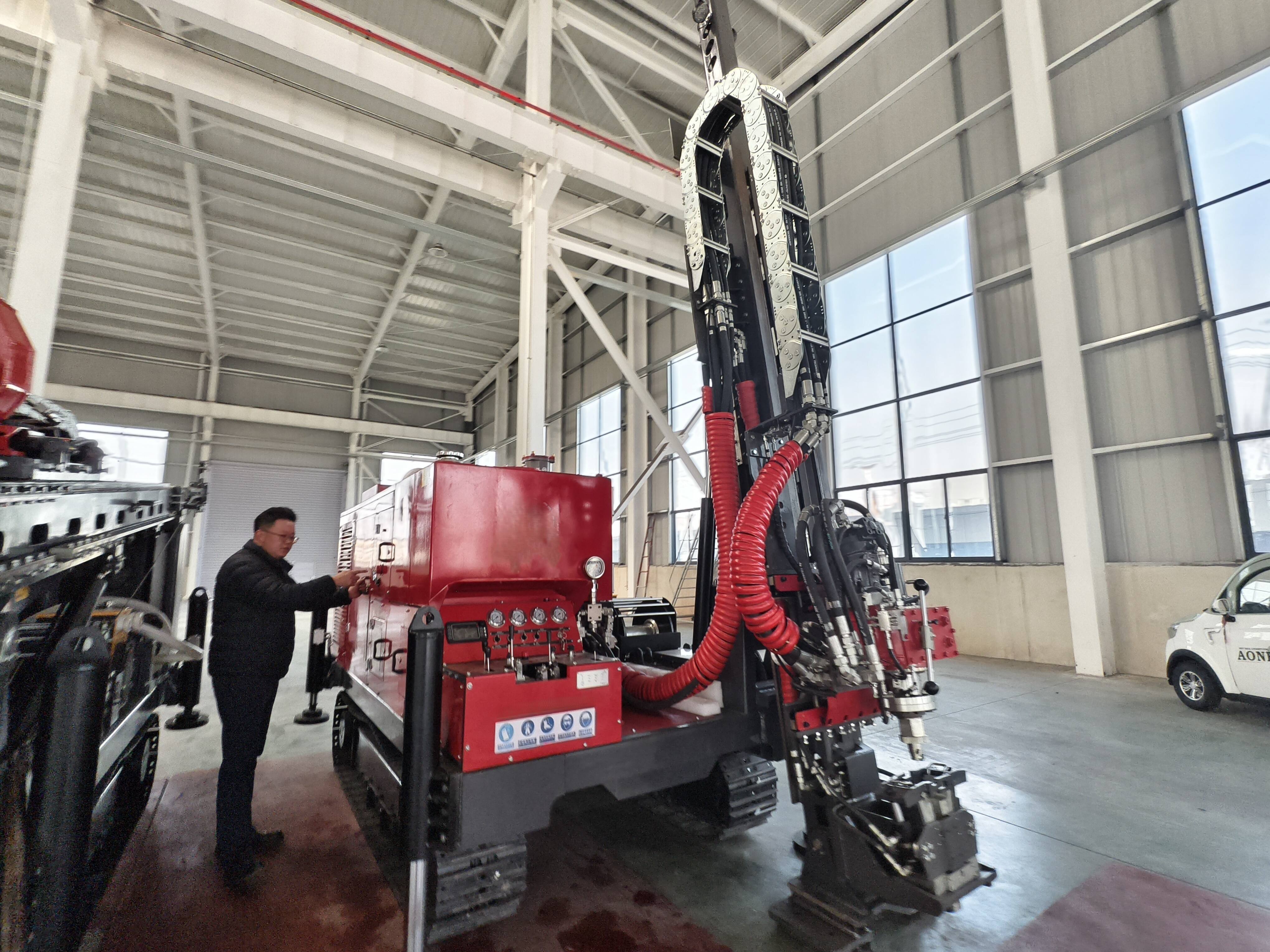
core drilling machine for mining
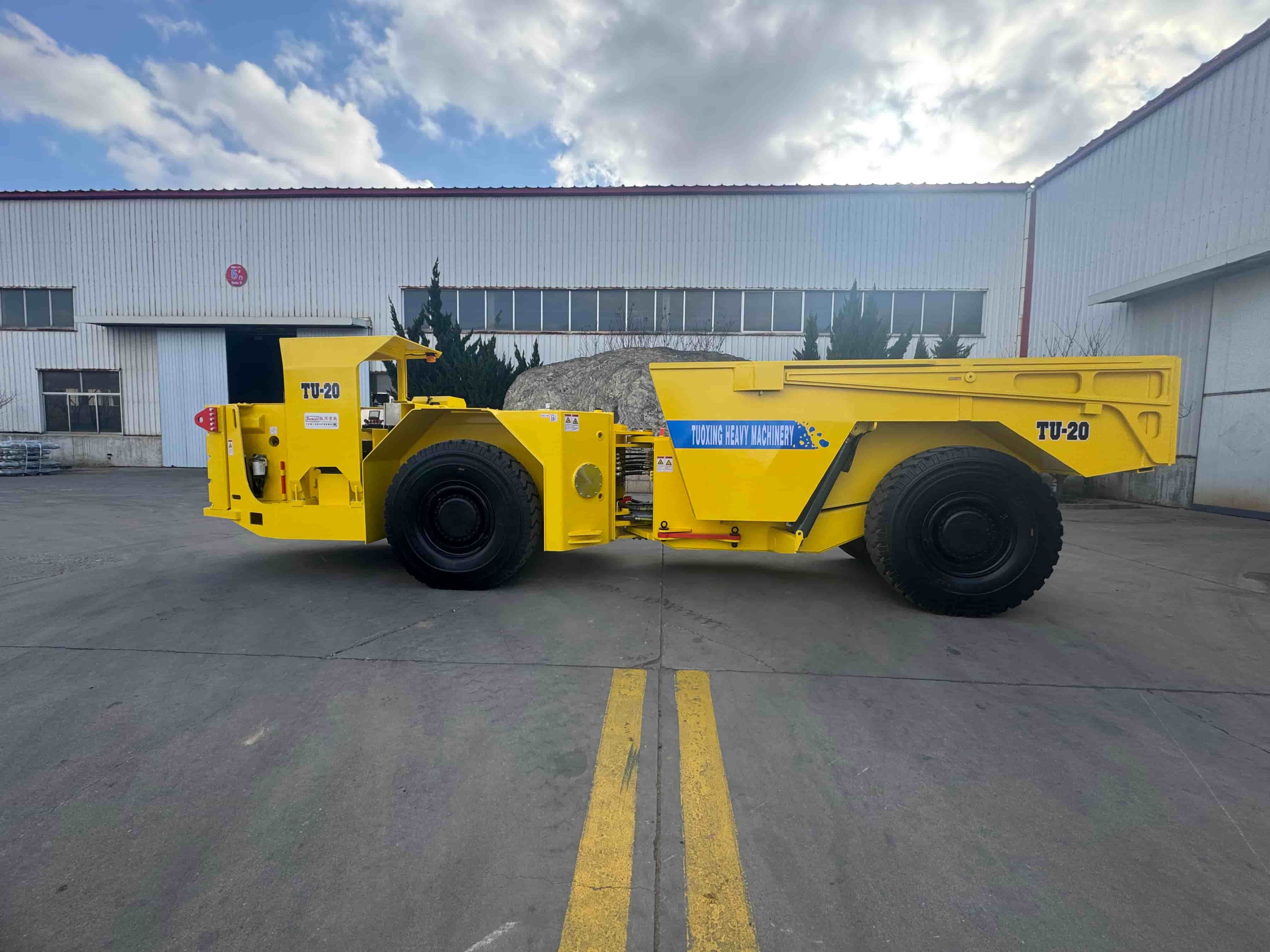
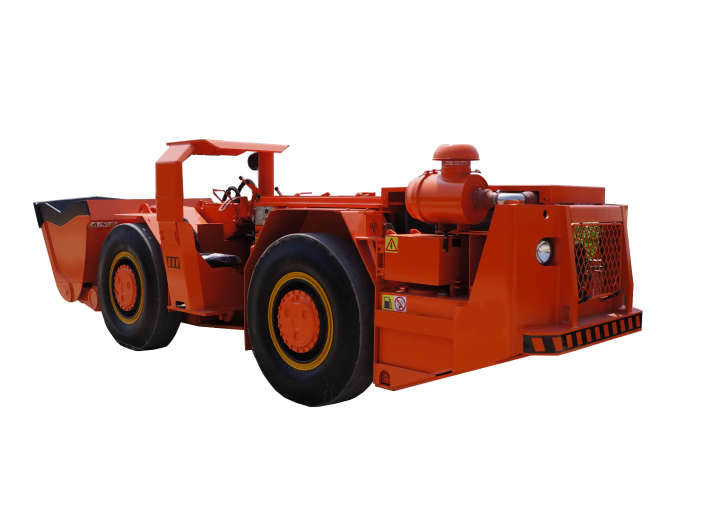
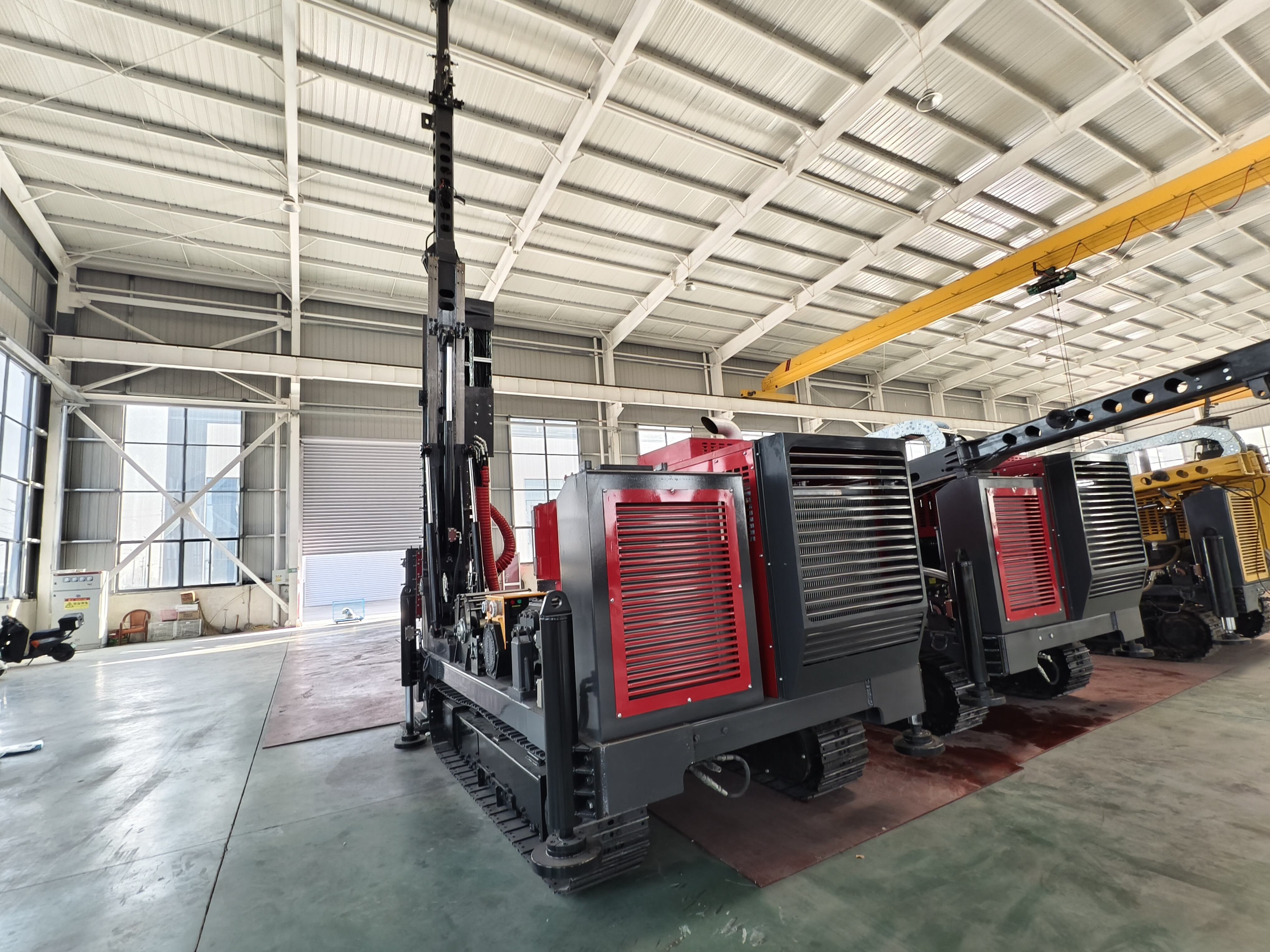
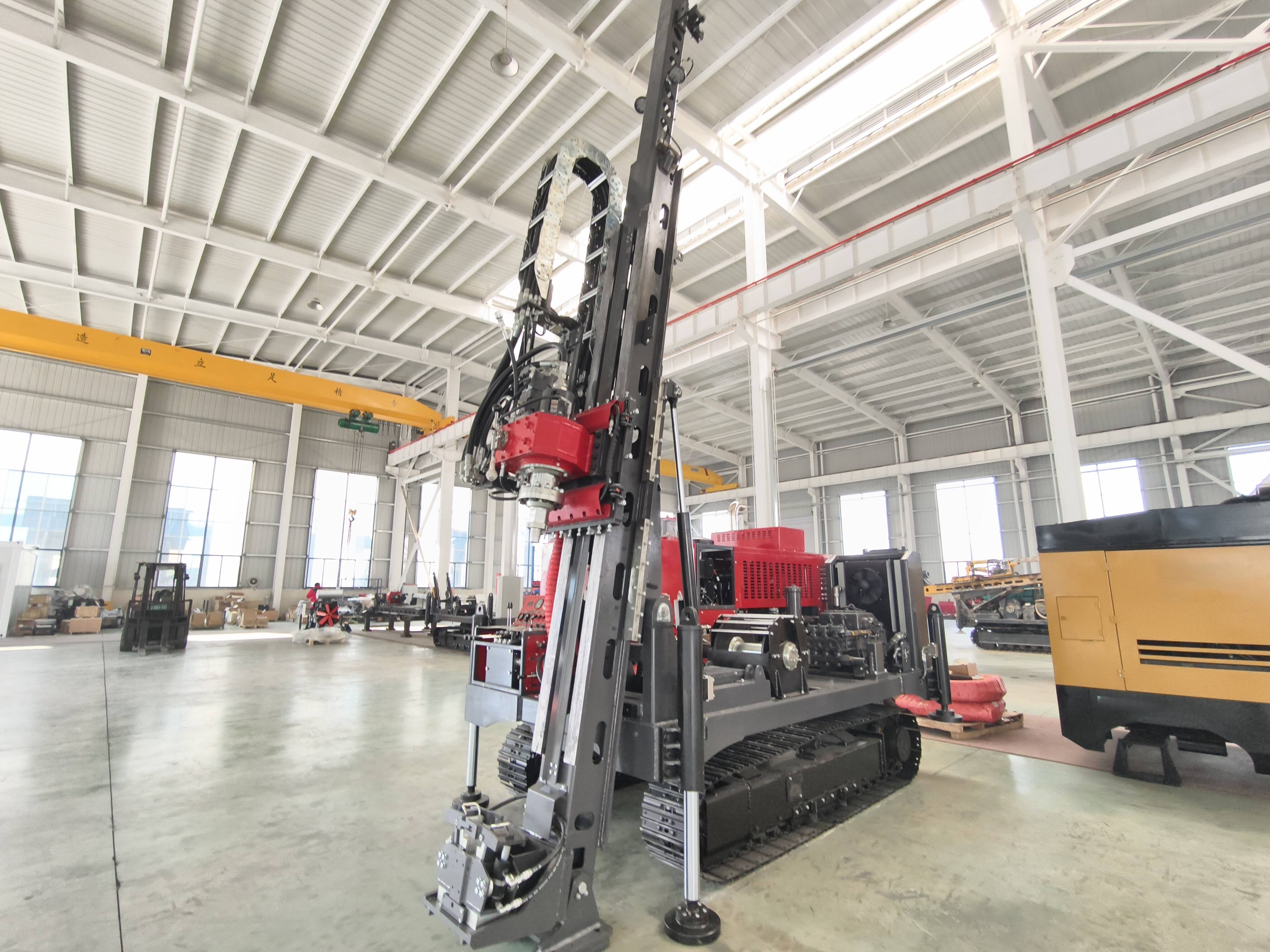
A core drilling machine for mining represents essential equipment designed to extract cylindrical rock samples from beneath the earth's surface. This sophisticated apparatus enables mining operations to investigate geological formations, assess mineral deposits, and evaluate ground conditions before committing to full-scale extraction activities. The primary function of a core drilling machine for mining involves penetrating various rock types while preserving intact samples that reveal subsurface composition, structure, and mineral content. Modern units incorporate diamond-tipped drill bits that rotate at controlled speeds, cutting through hard formations while maintaining sample integrity. The technological framework encompasses hydraulic power systems, automated feed mechanisms, and precision control panels that allow operators to adjust drilling parameters based on encountered geological conditions. These machines vary in size from portable surface rigs suitable for exploration projects to heavy-duty underground models capable of horizontal and angled drilling. Key applications span mineral exploration, where geologists analyze retrieved cores to determine ore body characteristics, grade distribution, and economic viability. Mining engineers utilize these machines to establish geotechnical profiles, planning safe excavation methods and support requirements. Environmental assessment teams employ core drilling machines for mining to evaluate water tables, contamination levels, and ecological impact before development begins. The equipment serves critical roles in operational phases, including ventilation shaft planning, infrastructure placement, and ongoing resource delineation. Advanced technological features include automated rod handling systems that reduce manual labor, depth measurement sensors providing real-time positioning data, and variable speed controls optimizing performance across different rock hardness levels. Modern core drilling machines for mining integrate safety mechanisms such as emergency stop functions, pressure relief valves, and operator protection guards. The versatility of these systems allows adaptation to diverse mining environments, from open-pit operations requiring truck-mounted mobility to underground confined spaces demanding compact configurations. Data collection capabilities enable immediate logging of drilling parameters, assisting geologists in correlating depth with formation changes and identifying zones of interest for detailed laboratory analysis.

 EN
EN