Versatile Power Options Tailored to Diverse Underground Requirements
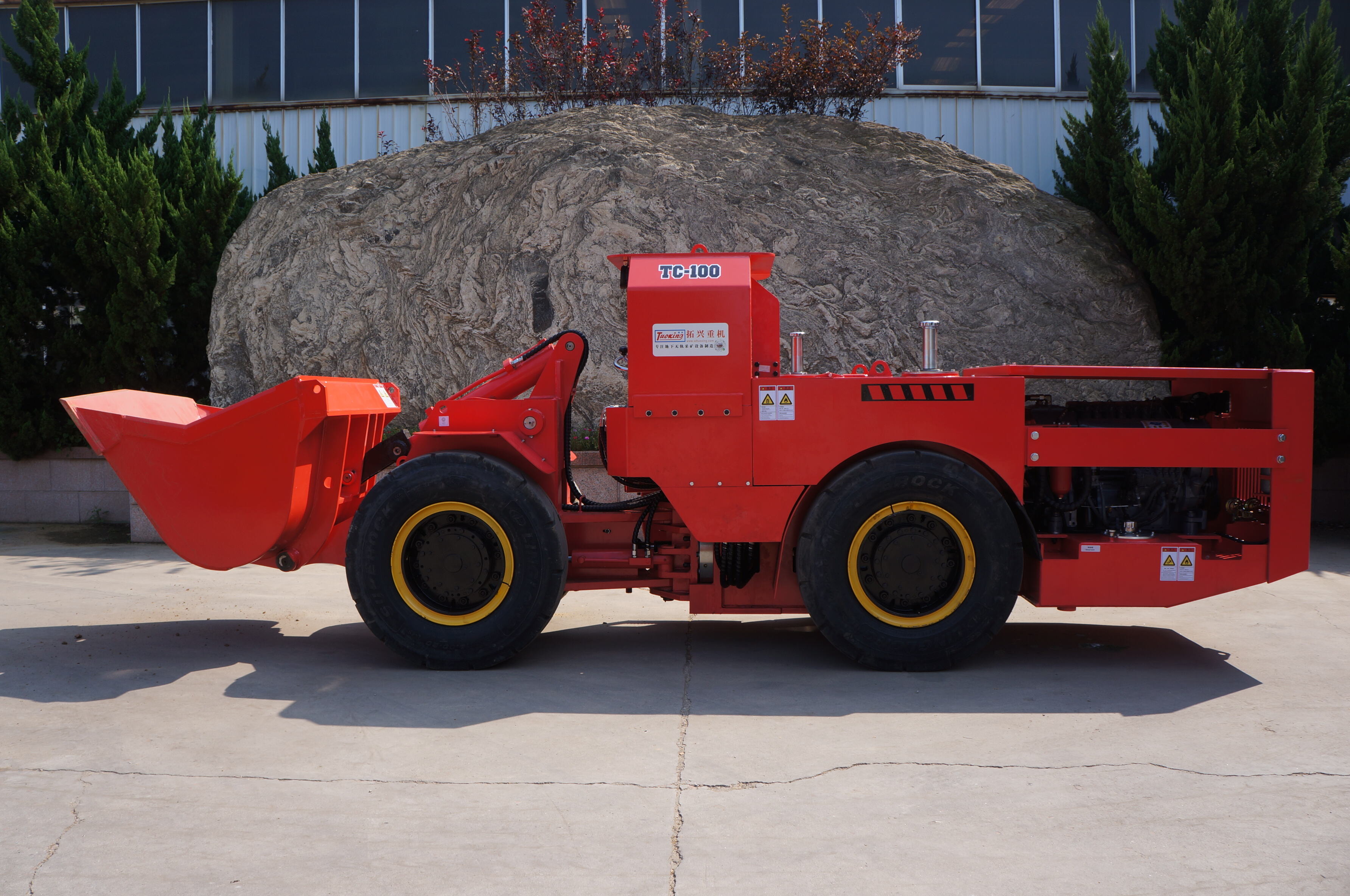
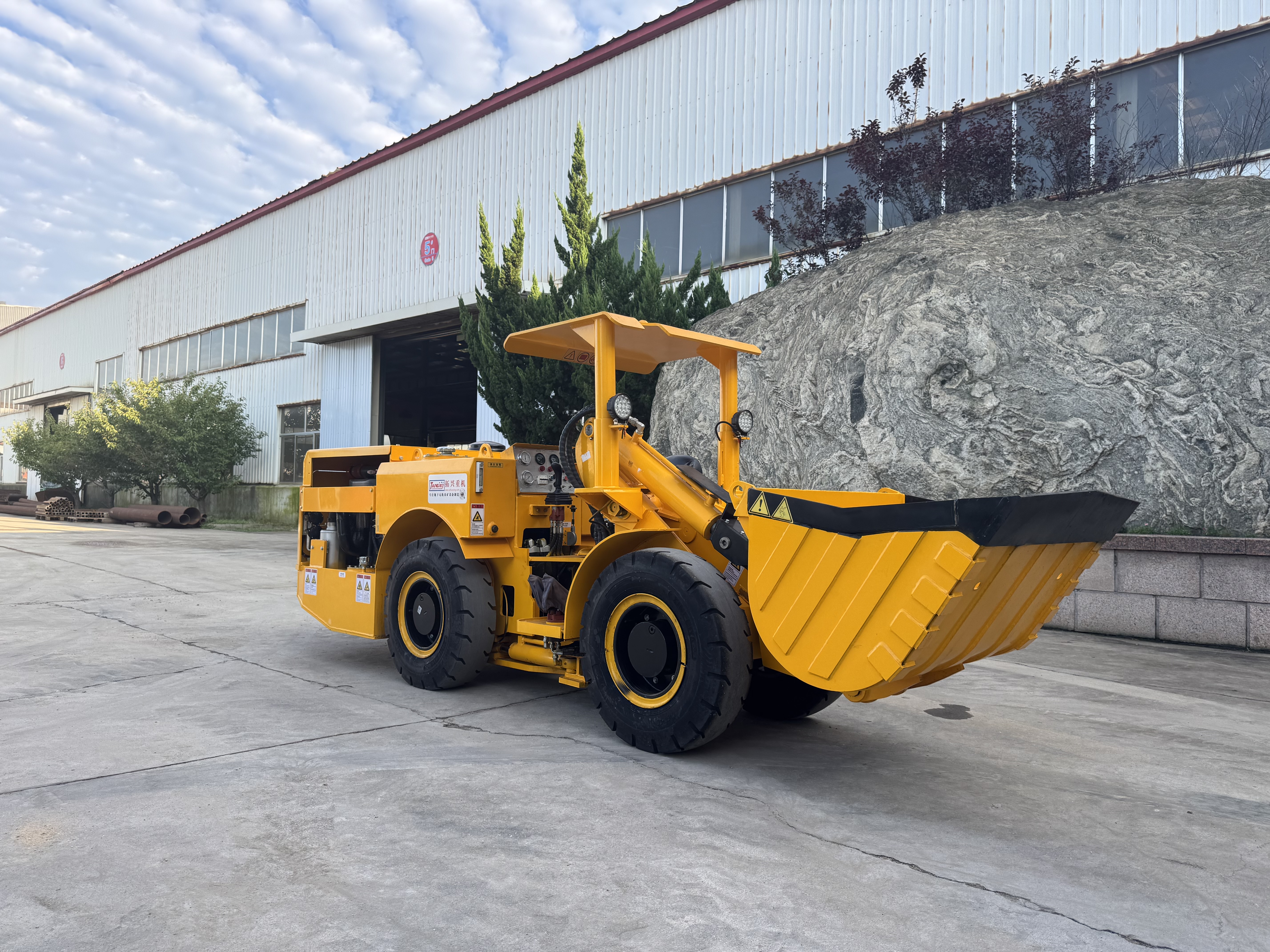
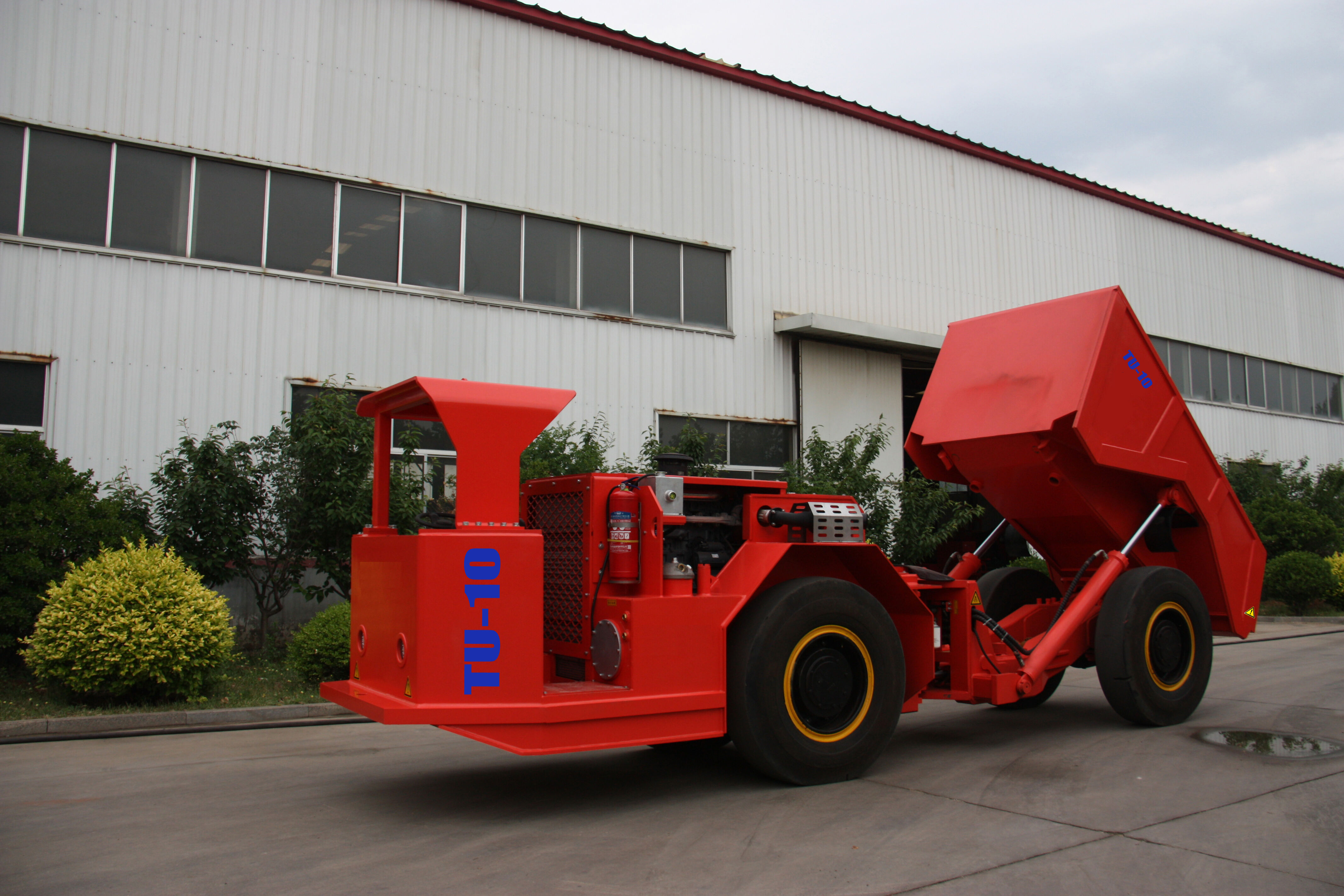
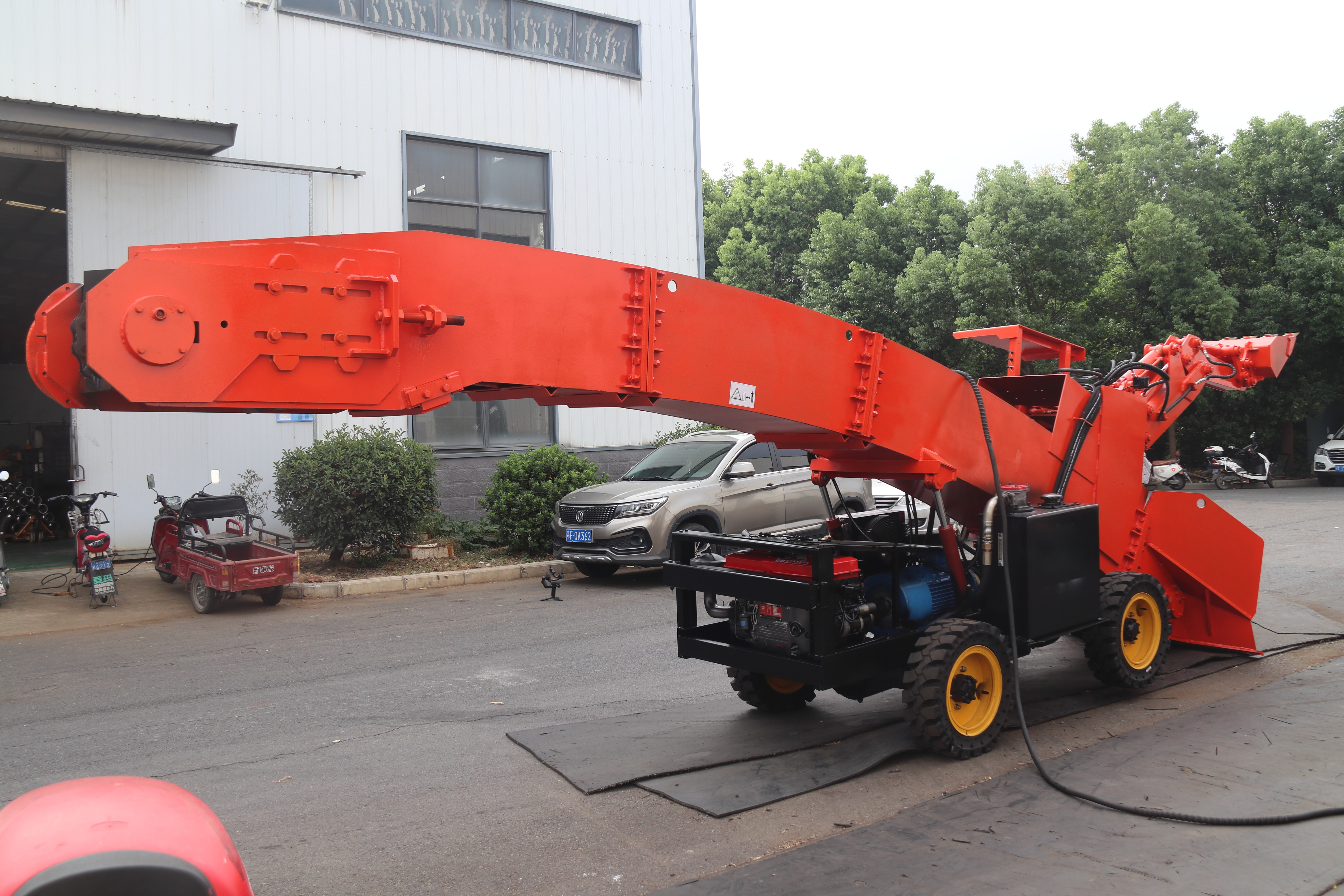
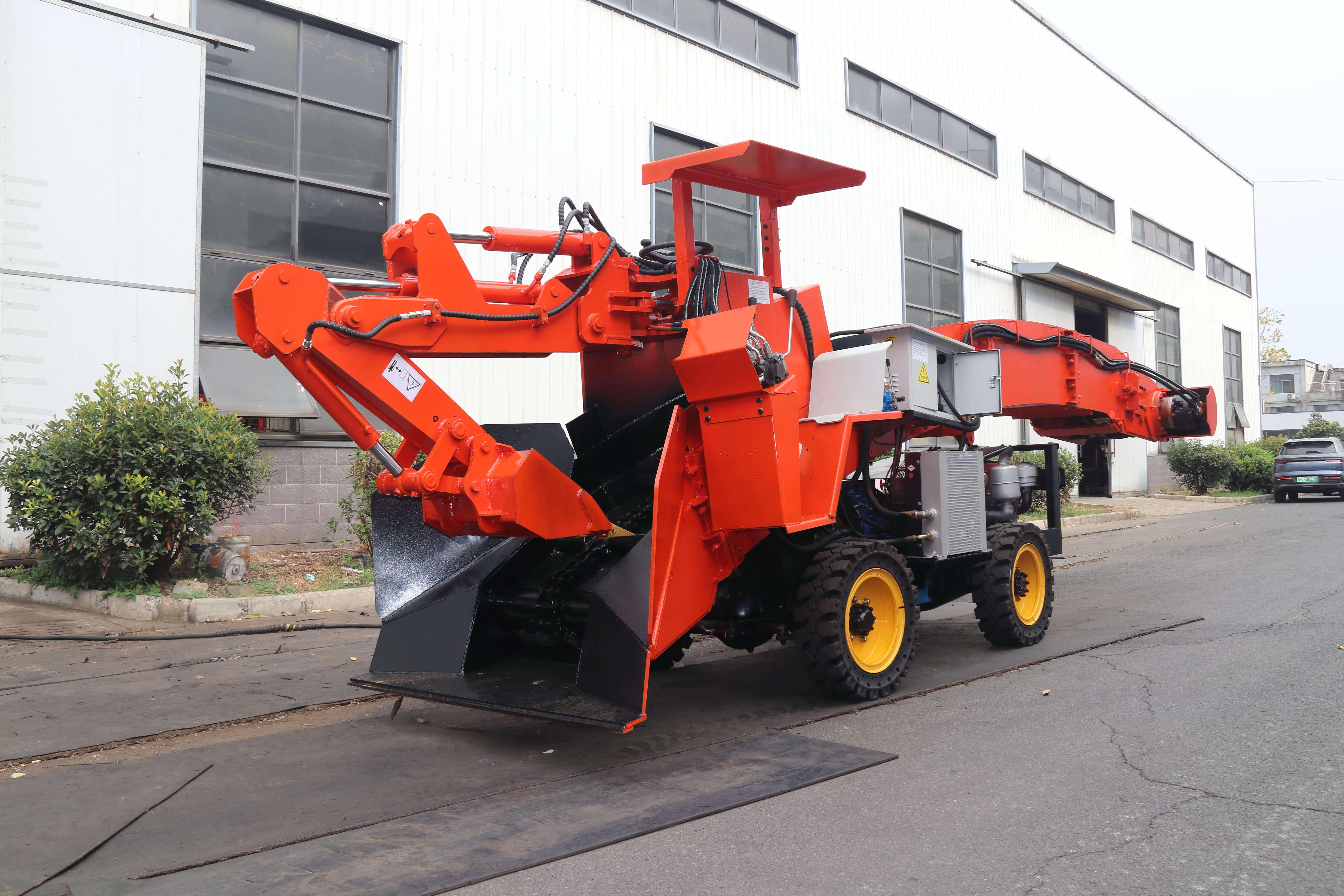
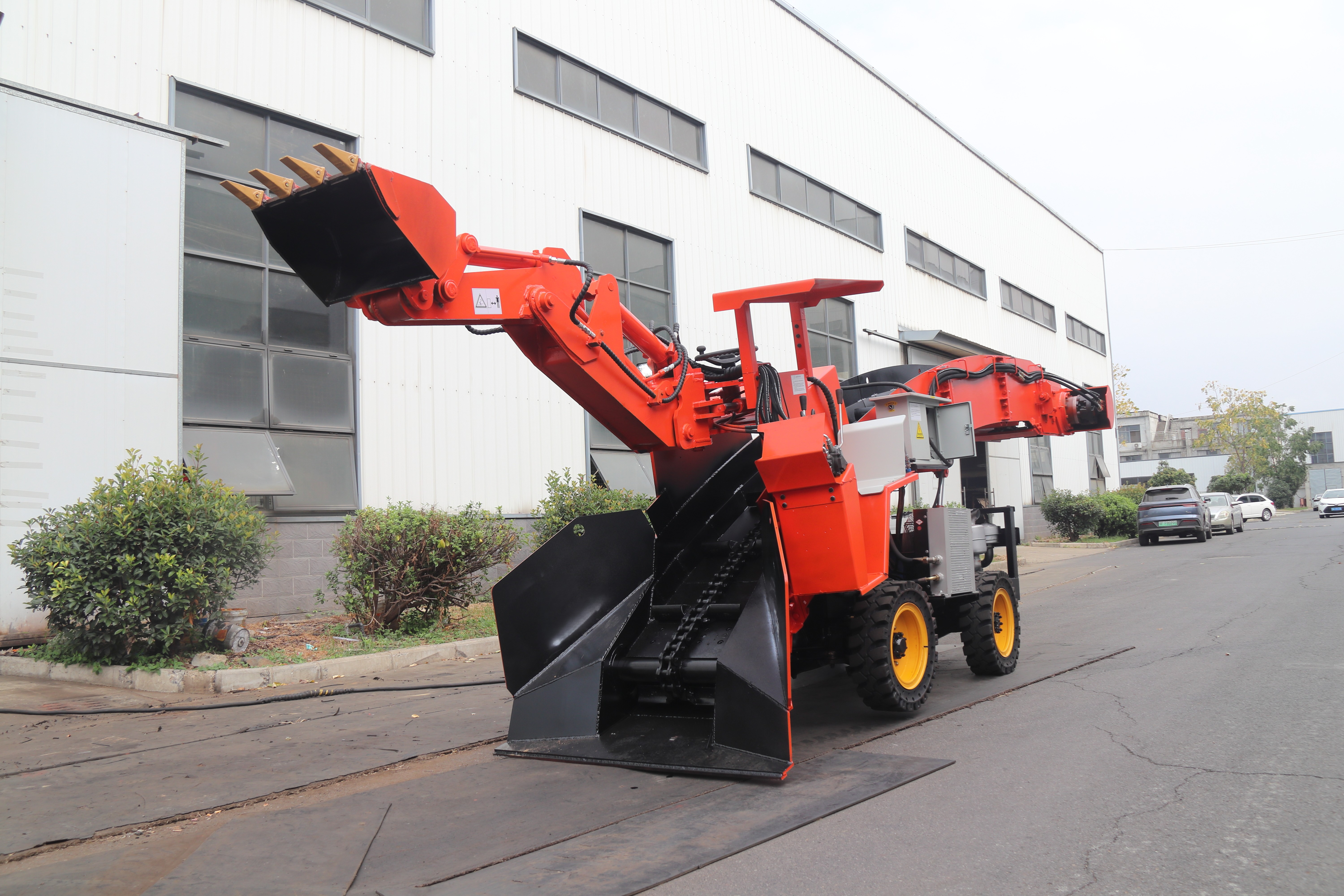
A china professional underground haggloader manufacturer recognizes that underground mining operations present diverse power requirements based on factors including tunnel ventilation capacity, regulatory constraints, operational preferences, and infrastructure availability, leading to the development of versatile power solutions that accommodate various operational contexts. Diesel-powered haggloaders remain popular for their proven reliability, high power density, operational flexibility, and independence from fixed electrical infrastructure, making them particularly suitable for remote mining areas, exploration sites, and operations where electrical distribution systems have not been established. Professional manufacturers equip diesel models with modern engines meeting current emission standards, incorporating technologies such as turbocharging for improved power output, electronic fuel injection for optimized combustion, and exhaust treatment systems including particulate filters and catalytic converters that reduce harmful emissions to acceptable levels for underground use. Engine cooling systems receive specialized attention, as underground environments present unique thermal management challenges with limited natural ventilation and elevated ambient temperatures, leading manufacturers to design robust cooling packages with oversized radiators, high-capacity fans, and efficient coolant circulation that maintains optimal operating temperatures even during continuous operation in hot conditions. Electric haggloaders represent an increasingly important segment of the product portfolio, offering zero-point-of-use emissions that dramatically improve underground air quality, reduce ventilation requirements, lower noise levels that benefit operator comfort and communication, and eliminate the need for diesel fuel handling, storage, and underground distribution. Professional manufacturers develop electric models with trailing cable systems for continuous power delivery from mine electrical infrastructure, or battery-powered variants that provide operational flexibility without cable management constraints while requiring periodic recharging at designated stations. Battery technology selection involves careful consideration of energy density, recharge time, cycle life, and safety characteristics, with lithium-ion systems increasingly favored for their superior performance compared to traditional lead-acid batteries, despite higher initial costs. Hybrid power systems combine diesel engines with electric motors and battery storage, optimizing power delivery by using batteries for peak demand periods while allowing smaller, more efficient diesel engines to handle baseline power requirements and recharge batteries during lower-demand operation phases. This hybrid approach reduces fuel consumption, lowers emissions compared to pure diesel operation, and provides operational flexibility in areas with intermittent electrical availability. Power management systems integrated into modern equipment monitor energy consumption patterns, optimize power distribution across machine functions, and provide operators with real-time feedback regarding energy usage, enabling operational adjustments that maximize efficiency. Professional manufacturers collaborate with customers during equipment specification to recommend appropriate power solutions based on specific operational parameters including tunnel dimensions, ventilation capacity, available electrical infrastructure, regulatory requirements, operational shift patterns, and maintenance capabilities. Installation support extends beyond equipment delivery to include guidance on electrical infrastructure requirements for electric models, fuel storage and handling systems for diesel variants, and battery charging station setup for battery-powered units. The availability of multiple power options from a single china professional underground haggloader manufacturer simplifies fleet management for mining operations utilizing diverse power approaches across different areas of their facilities, as commonality in controls, structural components, and maintenance procedures reduces training requirements and spare parts inventory complexity while maintaining power flexibility appropriate to each operational context.

 EN
EN