
 EN
EN
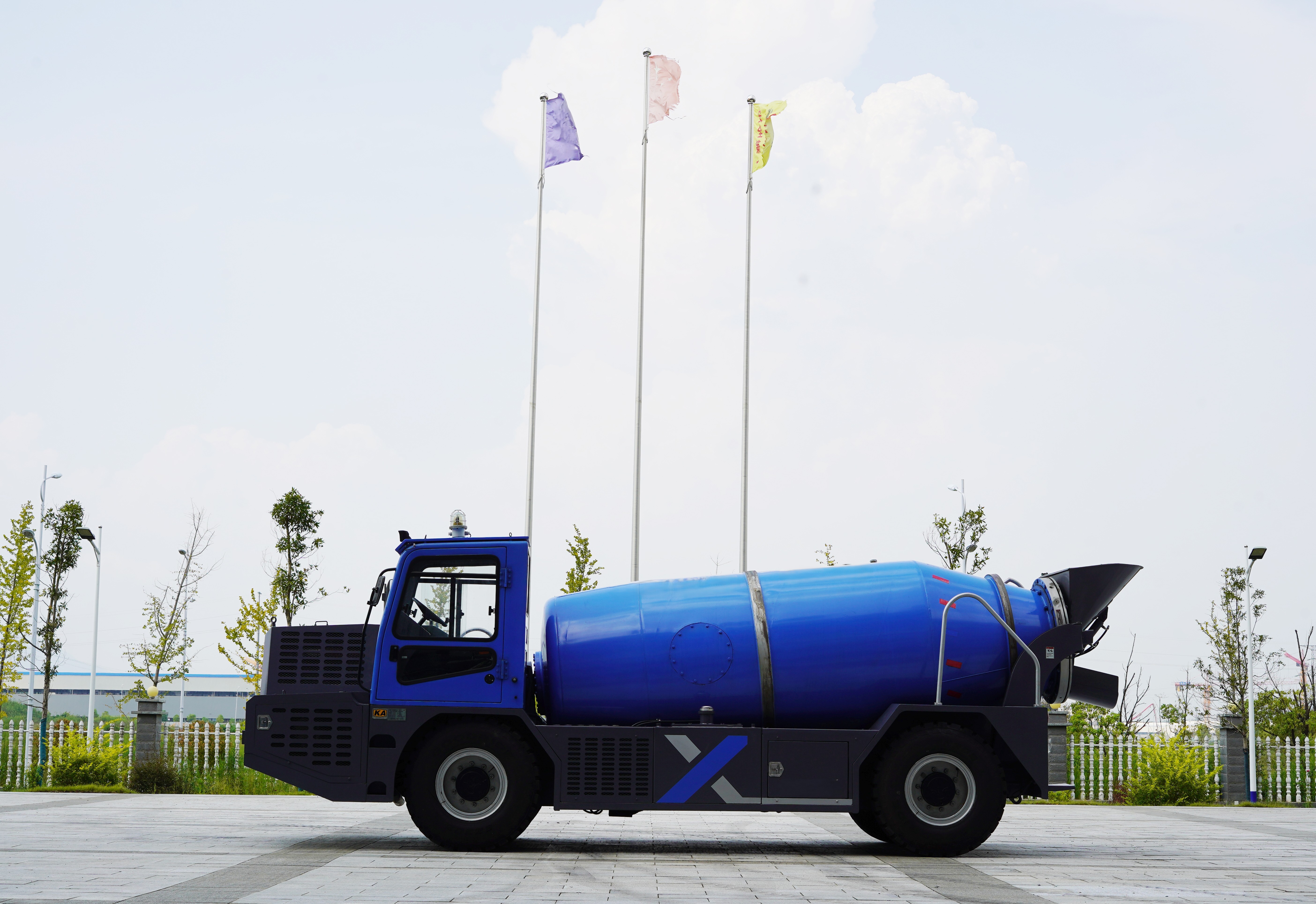
A mining dump truck is one of the most critical investments an operation can make when it comes to controlling haulage costs. When a mining dump truck carries a larger payload per cycle, the number of trips required to move the same volume of material drops significantly. Fewer trips mean lower fuel consumption, reduced driver hours, and less mechanical wear per tonne hauled. Understanding why a high-capacity mining dump truck has such a direct impact on total haulage costs starts with examining how haulage cost is actually structured.
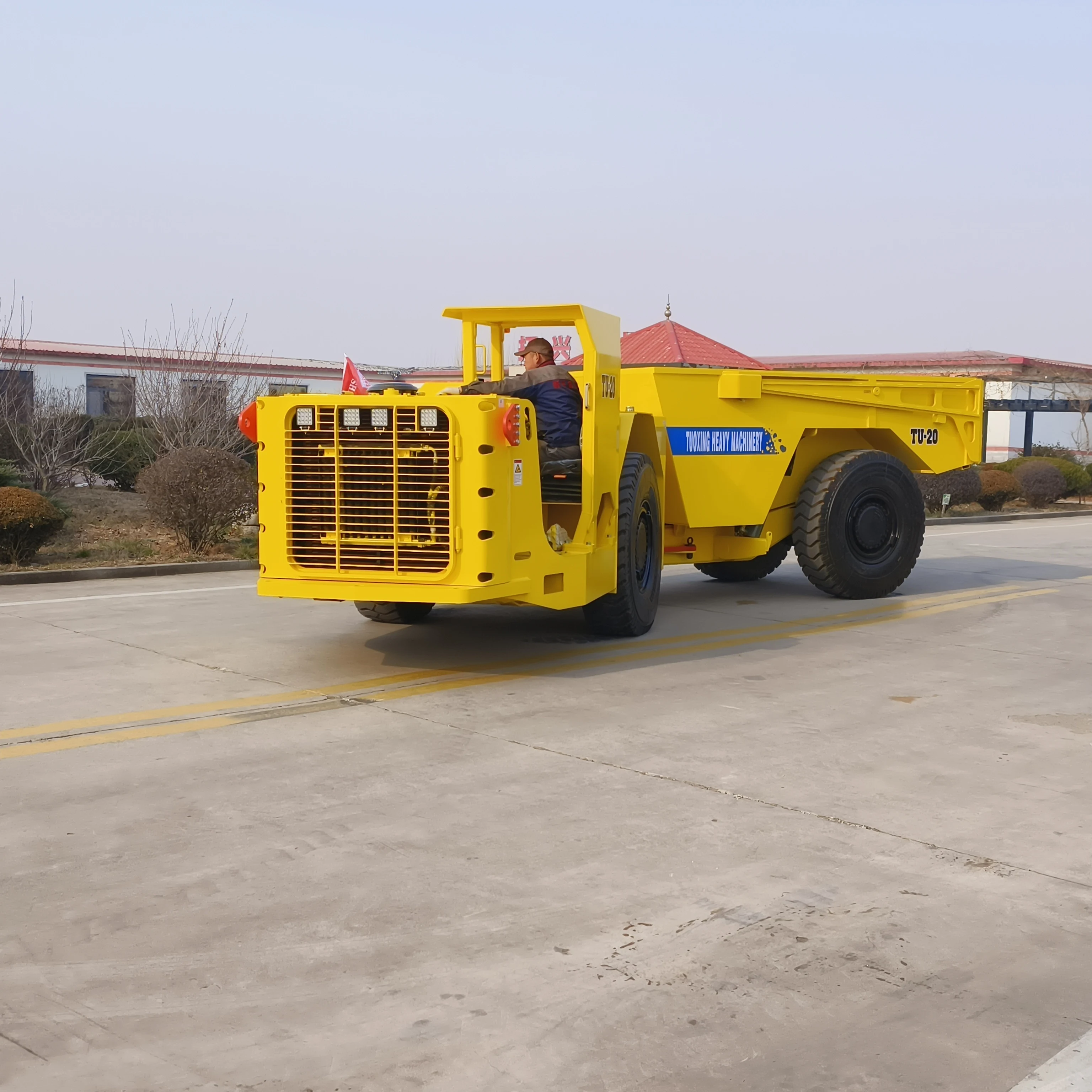
Total haulage cost is not simply the cost of running a single mining dump truck from point A to point B. It encompasses fuel, maintenance, tire wear, operator wages, cycle time, and fleet size. Every time a mining dump truck completes a cycle with a suboptimal payload, operational resources are wasted. High-capacity models are engineered to maximize the useful load carried per journey, which compresses the cost-per-tonne figure and delivers measurable savings across every shift. This article explores the specific mechanisms through which a mining dump truck at higher capacity consistently reduces total haulage costs in real-world operations.
Payload Efficiency and Cost Per Tonne
How Payload Capacity Drives Unit Cost Down
The relationship between payload and cost per tonne is straightforward: a mining dump truck that carries more material per cycle spreads fixed costs — such as depreciation, operator wages, and maintenance intervals — across a greater volume. When a mining dump truck doubles its effective payload, the fixed cost allocated to each tonne hauled is cut dramatically. This principle is why fleet managers consistently prioritize payload efficiency when evaluating a mining dump truck for new projects or expansions.
A mining dump truck optimized for high capacity also reduces the total number of vehicles needed on site. Fewer units in the active fleet mean lower capital expenditure, fewer scheduled maintenance events, and reduced road congestion in narrow haul roads. Each mining dump truck operating at its designed payload rating contributes directly to a leaner and more cost-effective haulage system. The cumulative effect across a full operating year can represent a substantial reduction in total haulage cost.
Cycle Time and Fleet Productivity
Cycle time — the total time a mining dump truck takes from loading through travel, dumping, and return — is a primary driver of productivity. A high-capacity mining dump truck that maintains the same cycle time as a smaller unit will always deliver more tonnes per hour. When multiple mining dump truck units operate simultaneously, even a modest improvement in individual payload compounds into significant fleet-wide productivity gains. Shorter effective cycle time per tonne is one of the clearest reasons why a high-capacity mining dump truck reduces total haulage costs.
Fuel and Maintenance Savings at Scale
Fuel Consumption Per Tonne Hauled
Fuel is typically the largest variable cost in any mining dump truck operation. A smaller mining dump truck making ten trips to haul the same volume that a high-capacity mining dump truck completes in five trips will consume considerably more fuel in total. While a larger mining dump truck does use more fuel per trip, the fuel consumed per tonne hauled is substantially lower. This efficiency ratio is a key reason operators invest in a high-capacity mining dump truck rather than running a larger fleet of lighter units.
Modern mining dump truck designs also incorporate advanced drivetrain systems and load-sensing hydraulics that optimize fuel delivery based on actual load conditions. When a mining dump truck is properly matched to the excavator's bucket size and the haul route gradient, fuel efficiency reaches its peak. Every litre of diesel saved per tonne moved directly lowers the total haulage cost figure, making fuel management inseparable from mining dump truck selection strategy.
Maintenance Intervals and Component Life
Maintenance cost per tonne is another area where a high-capacity mining dump truck outperforms a fleet of smaller vehicles. When fewer mining dump truck units are needed to move the same material volume, total maintenance events across the fleet decrease proportionally. Tires, brakes, hydraulic systems, and powertrain components all have finite service lives measured in cycles or hours. A mining dump truck completing fewer cycles per tonne hauled accumulates wear at a slower rate relative to the material moved. This translates directly into lower maintenance spend per tonne and fewer unexpected breakdowns that disrupt haulage schedules.
Application Fit for Underground and Quarry Operations
Low-Profile Mining Dump Truck in Constrained Environments
In underground and quarry environments, a mining dump truck must balance high payload capacity with compact dimensions. A low-profile mining dump truck is specifically designed to operate in tunnels and ramps where headroom and turning radius are limited. Despite its reduced height, a well-engineered low-profile mining dump truck still delivers a high payload rating, ensuring that the cost-per-tonne advantage is preserved even in the most spatially constrained workings. Selecting the right mining dump truck configuration for the site geometry is essential to achieving the full haulage cost reduction benefit.
A mining dump truck built for underground quarrying also incorporates features such as articulated steering, reinforced dump bodies, and sealed electrical systems to handle dust, moisture, and uneven terrain. These design elements ensure that the mining dump truck maintains its payload efficiency and reliability through demanding shift cycles. When a mining dump truck is matched precisely to the haul distance, gradient, and material density of the site, total haulage costs are minimized as completely as engineering allows.
Scalability and Fleet Optimization
As production targets increase, the scalability of a high-capacity mining dump truck fleet becomes a significant cost advantage. Adding one high-capacity mining dump truck to the fleet often delivers more incremental throughput than adding two smaller units, because each mining dump truck operates at a more favorable cost point. Fleet planners use payload-to-cost models to determine the optimal mining dump truck specification for each stage of the mine's life. Getting this decision right early ensures that haulage costs remain under control as mining volumes grow.
FAQ
What payload range should a mining dump truck have for cost efficiency?
The optimal payload for a mining dump truck depends on haul distance, road conditions, and loading equipment capacity. In mid-scale underground operations, a mining dump truck in the 10–15 tonne payload range often delivers the best cost-per-tonne performance, balancing capacity with maneuverability in confined spaces.
How does a low-profile mining dump truck compare in payload efficiency?
A low-profile mining dump truck is designed to maintain competitive payload ratings while meeting height restrictions underground. Modern low-profile mining dump truck models achieve payload efficiency comparable to surface units by optimizing the dump body geometry and structural weight, ensuring that haulage costs remain low even in restricted tunnel environments.
Can a mining dump truck reduce haulage costs without increasing fleet size?
Yes. Upgrading to a higher-capacity mining dump truck can reduce total haulage costs by allowing fewer units to move the same material volume. This approach lowers capital costs, reduces fuel consumption fleet-wide, and decreases total maintenance requirements, all of which compress the cost-per-tonne figure without expanding the number of mining dump truck units on site.