Low Profile Underground Truck: Specialized Mining Equipment for Confined Spaces

All Categories

low profile underground truck

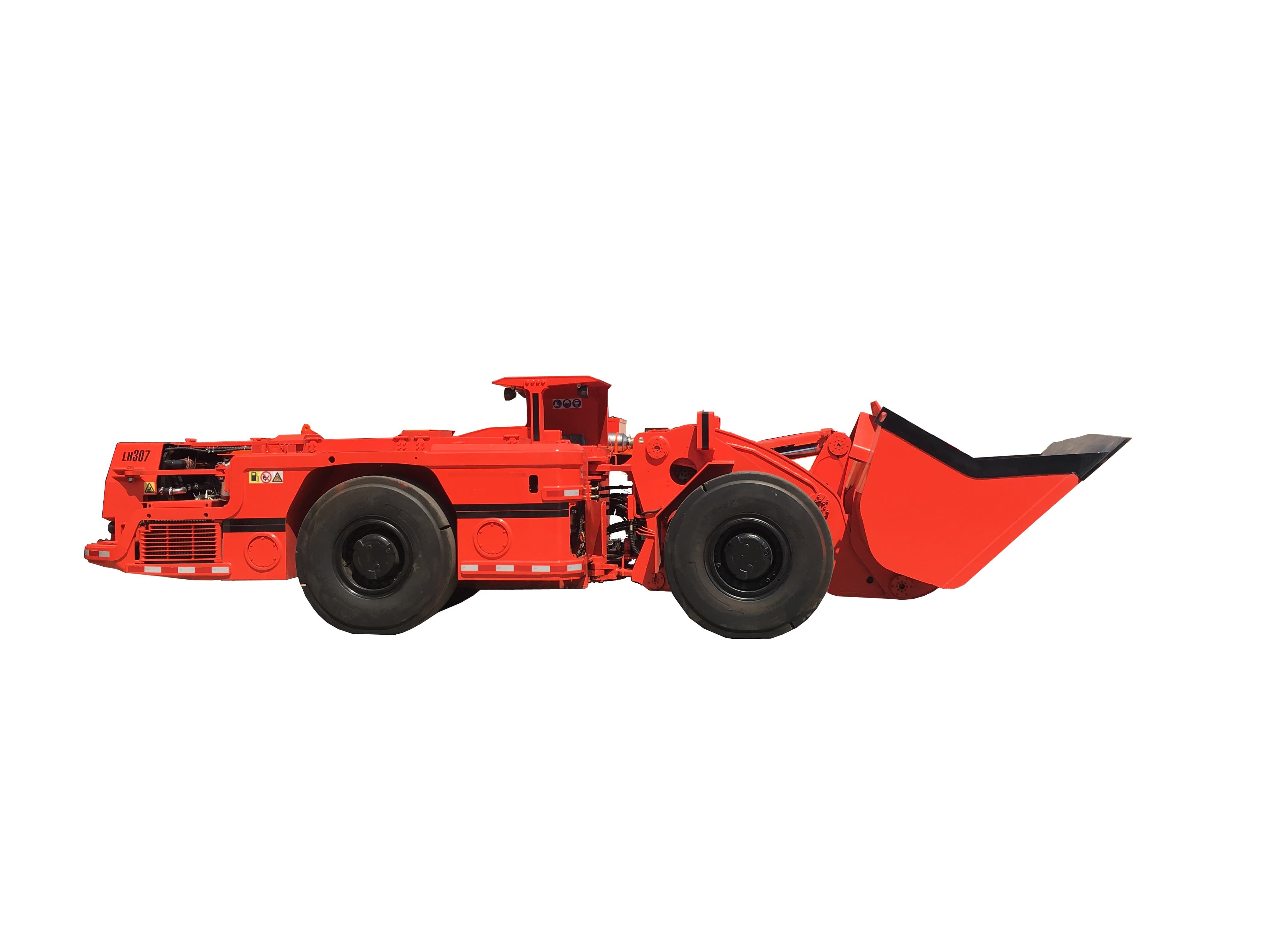
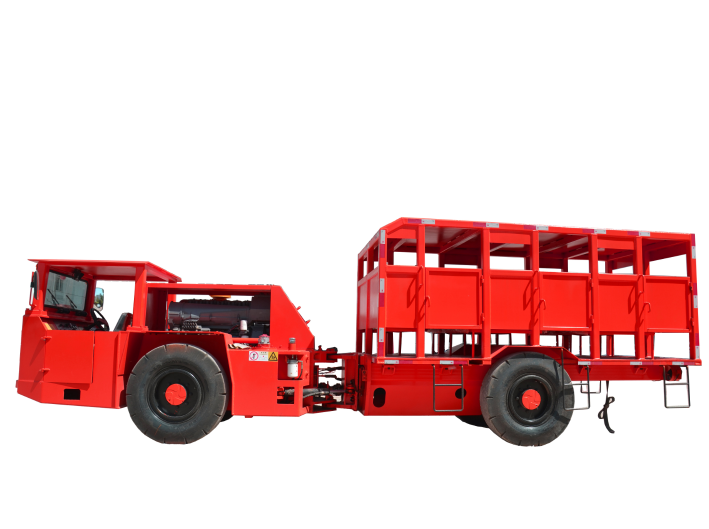
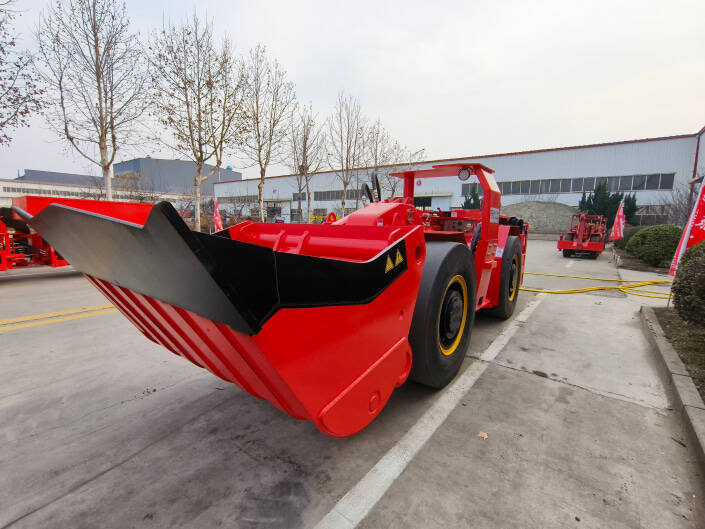
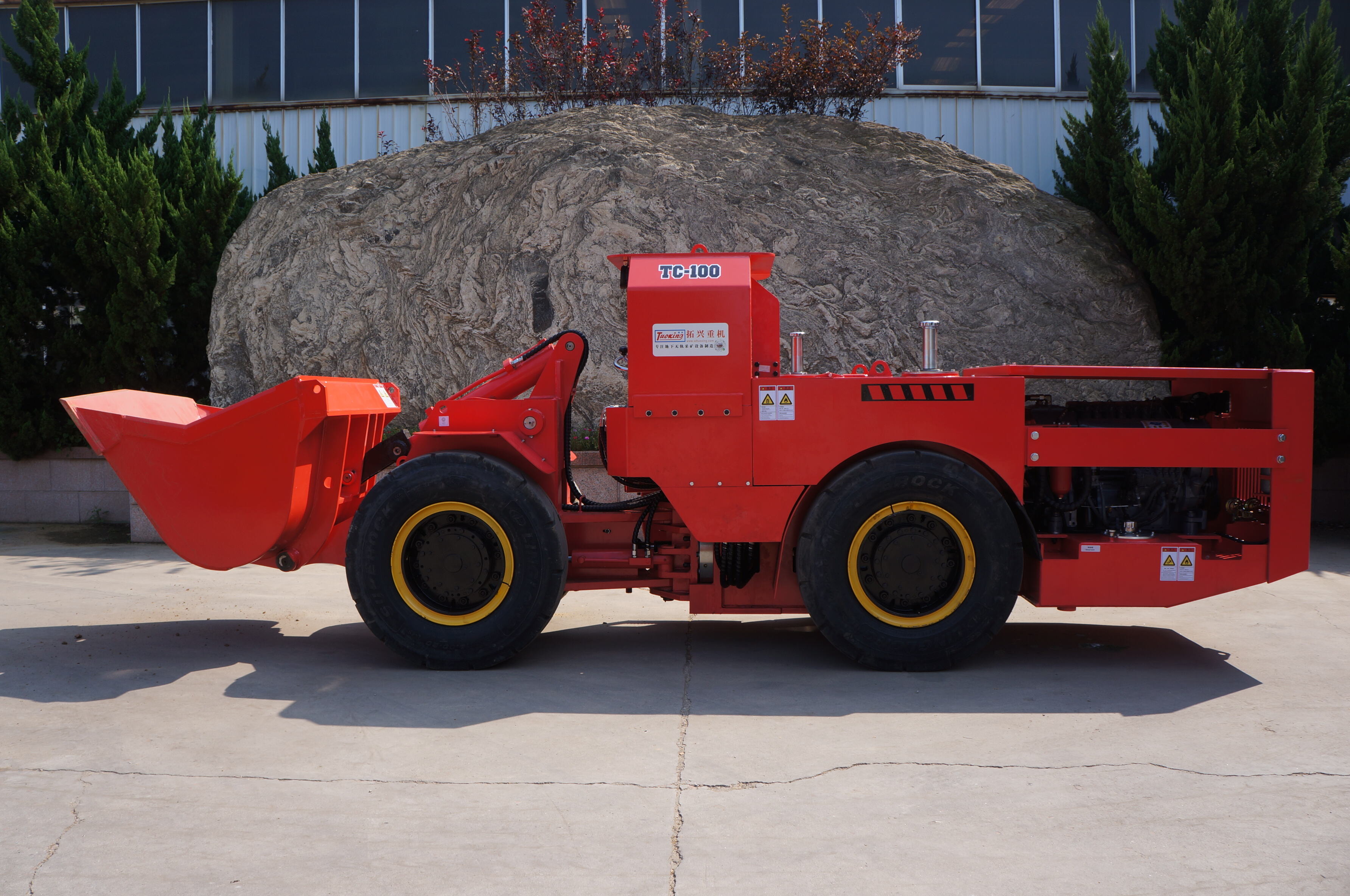
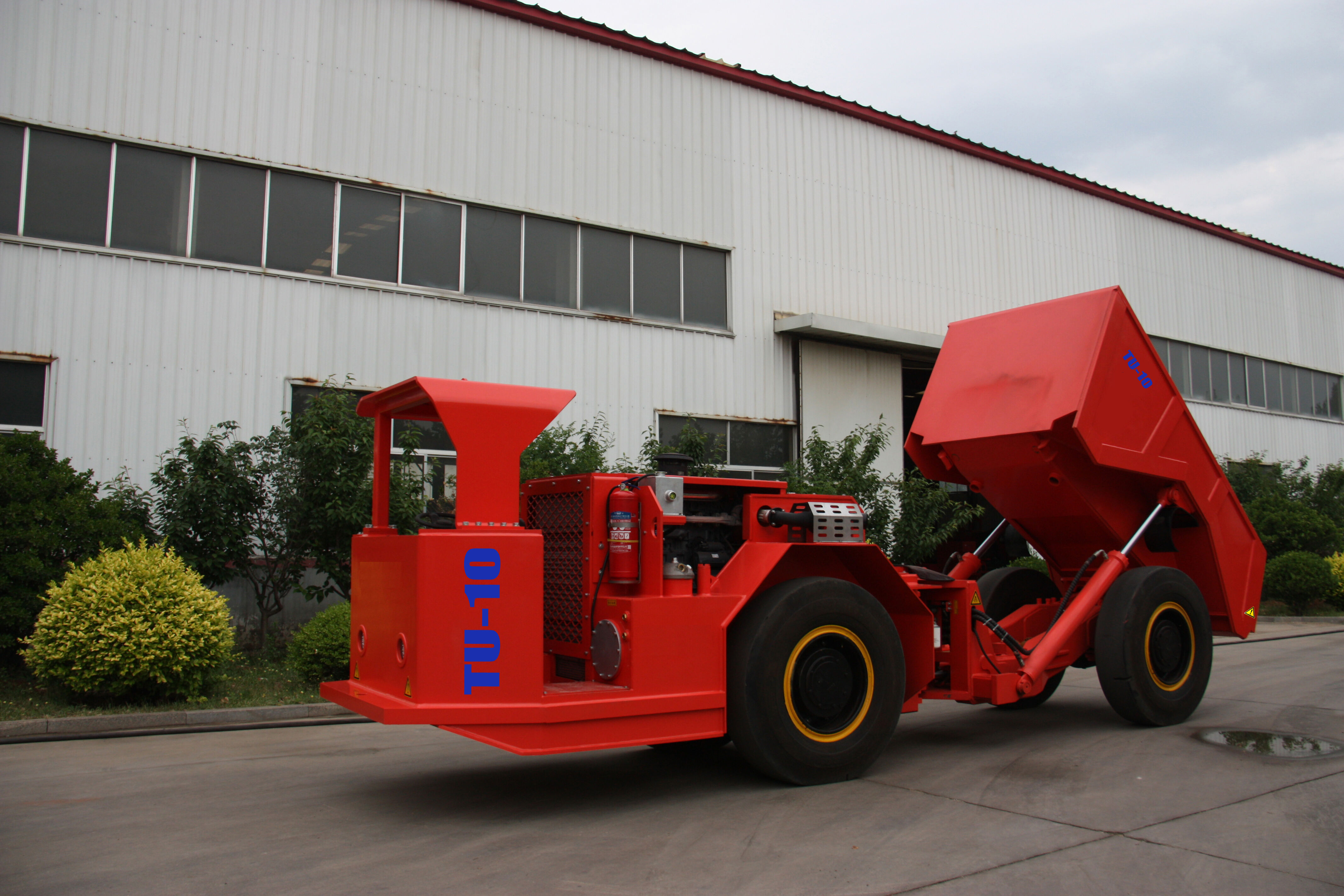
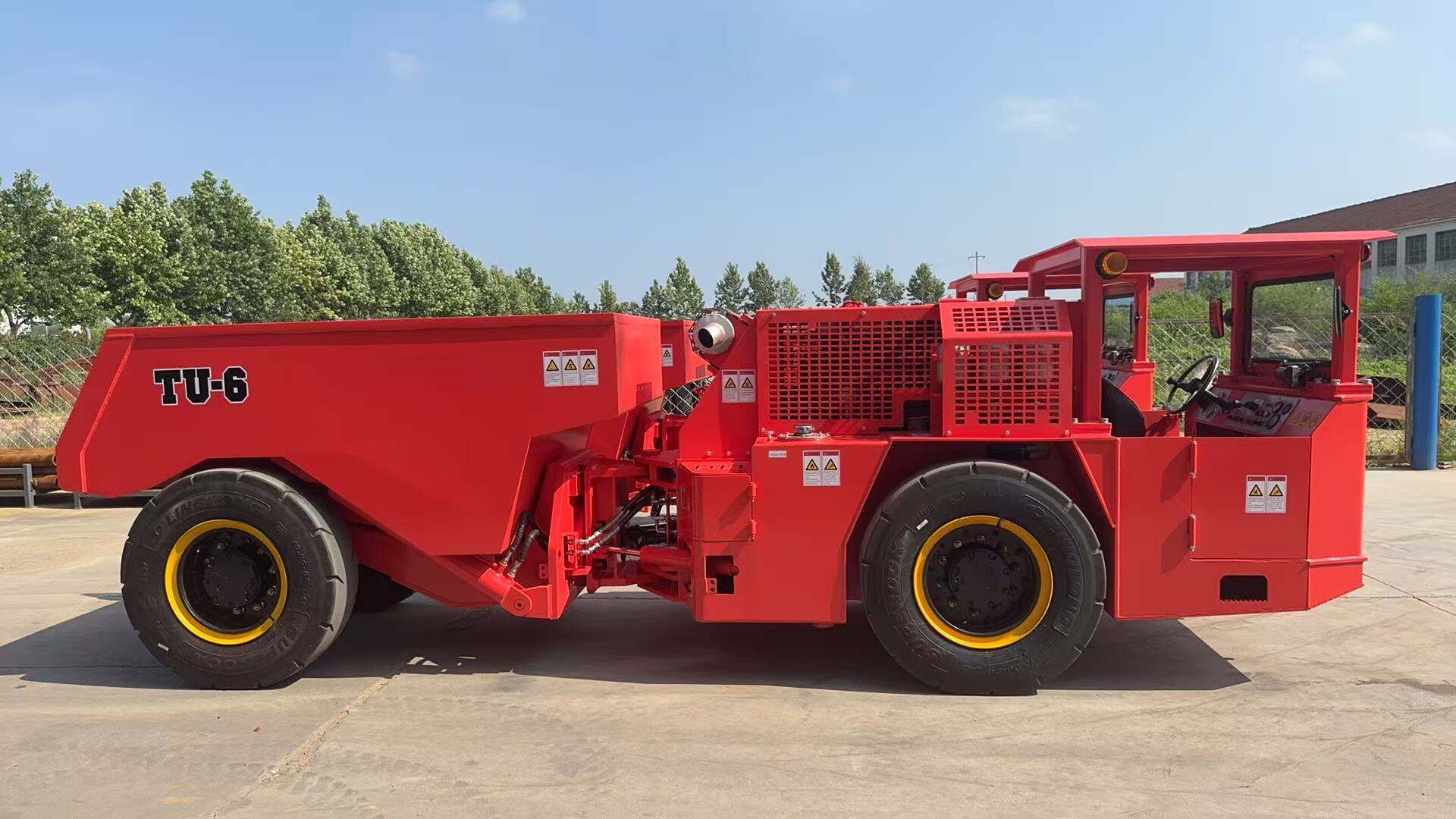
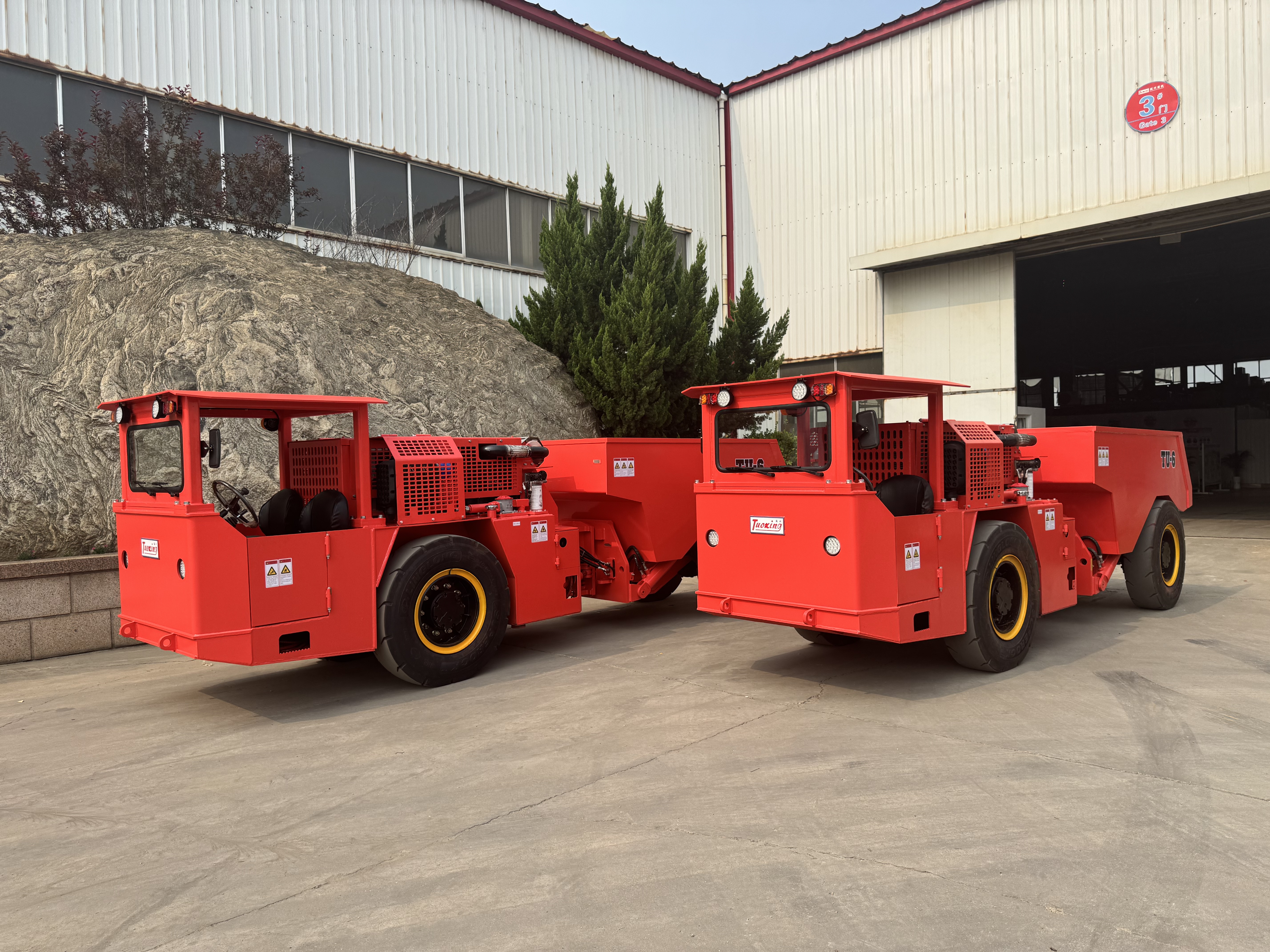
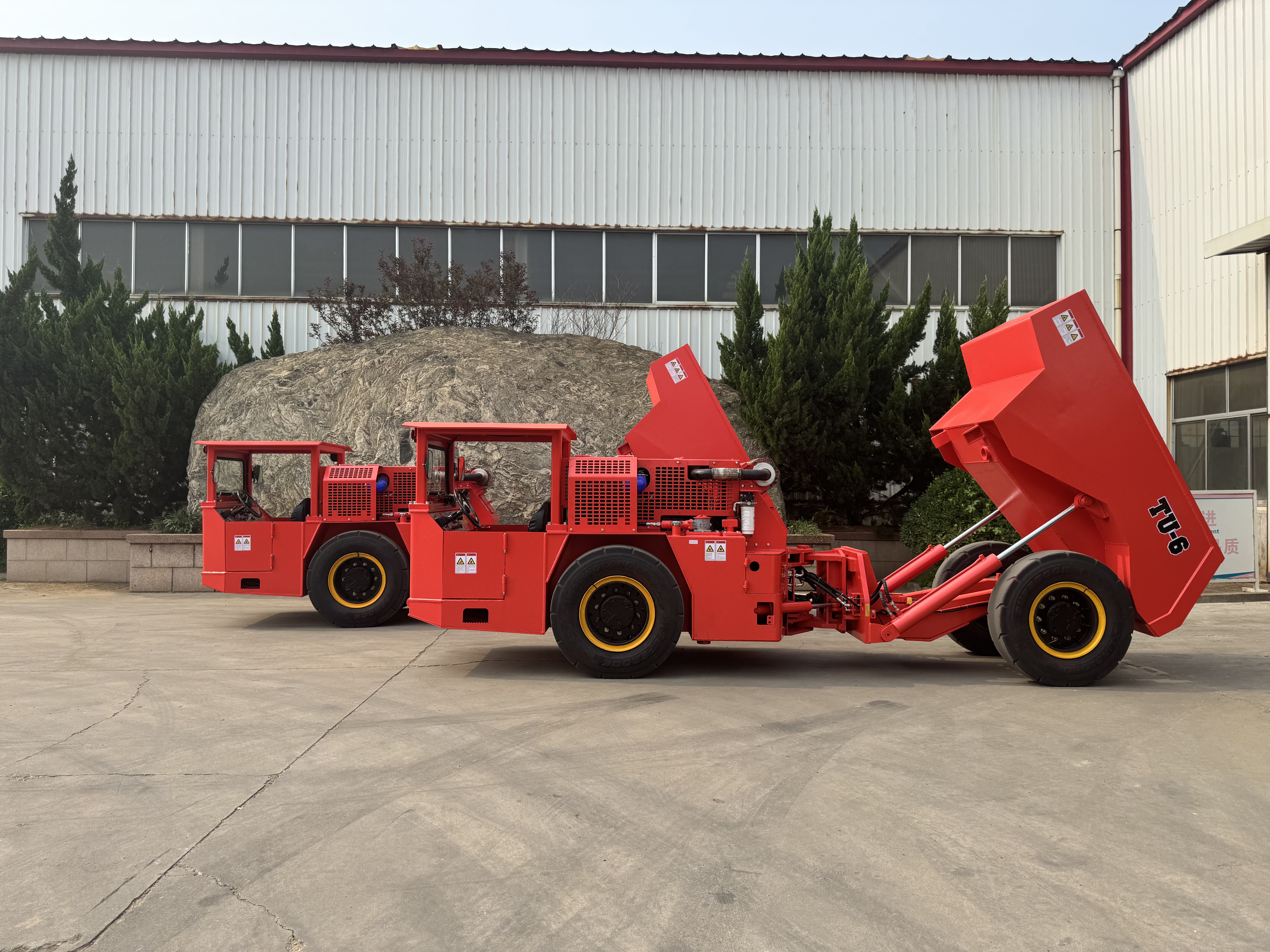
The low profile underground truck represents a specialized piece of heavy-duty equipment engineered specifically for material transportation in confined underground spaces such as mines, tunnels, and subterranean construction sites. This robust vehicle stands out due to its compact vertical design, which allows it to navigate through restricted overhead clearances while maintaining impressive load-carrying capabilities. The primary function of a low profile underground truck is to efficiently transport ore, waste rock, equipment, and supplies through narrow underground passages where conventional surface vehicles cannot operate. These trucks feature reinforced chassis construction, powerful diesel or electric powertrains, and advanced hydraulic systems that enable them to handle demanding underground conditions. The technological features integrated into modern low profile underground trucks include articulated steering mechanisms for enhanced maneuverability in tight spaces, automatic dumping systems for quick material discharge, and sophisticated braking systems designed for steep gradient operations. Many models incorporate operator cabins with reinforced structures, climate control systems, and ergonomic controls that prioritize worker safety and comfort during extended operational periods. The application scope of low profile underground trucks extends across various sectors including hard rock mining operations, coal mining facilities, tunneling projects for transportation infrastructure, hydroelectric power plant construction, and underground storage facility development. These vehicles prove indispensable in environments where vertical space limitations make standard mining equipment impractical. Furthermore, the low profile underground truck can be customized with different bucket capacities, ranging from compact units for narrow vein mining to larger models for bulk material handling in more spacious underground chambers, making them versatile solutions for diverse operational requirements across the global mining and construction industries.

New Products

The low profile underground truck delivers substantial operational benefits that directly impact productivity and profitability for mining and construction operations. First and foremost, the compact vertical design enables access to mining areas with limited overhead clearance, allowing operations to extract valuable resources from locations that would otherwise remain inaccessible with standard equipment. This capability translates into maximized resource recovery and extended mine life, directly contributing to improved return on investment. The robust construction of these trucks ensures exceptional durability even in harsh underground environments characterized by moisture, dust, and rough terrain. This reliability means fewer breakdowns, reduced maintenance costs, and higher equipment availability rates that keep operations running smoothly without costly interruptions. The powerful engine options available in low profile underground trucks provide excellent hauling capacity despite their compact dimensions, enabling operators to move substantial material volumes per cycle. This efficiency reduces the number of trips required to transport materials, lowering fuel consumption, decreasing wear on components, and improving overall operational speed. The articulated steering system represents another significant advantage, allowing these trucks to navigate sharp turns and narrow passages with ease, which proves essential in winding underground tunnel networks where space is at a premium. Operators appreciate the enhanced visibility features built into modern low profile underground trucks, including strategically positioned lights, cameras, and visibility aids that improve safety during operation in dimly lit underground conditions. The quick dump mechanisms incorporated into these vehicles minimize cycle times by enabling rapid material discharge, which accelerates workflow and increases the volume of material processed per shift. Environmental considerations also factor into the advantages, as many low profile underground trucks now offer electric or hybrid powertrains that reduce exhaust emissions in enclosed underground spaces, improving air quality for workers and reducing ventilation requirements. The lower operating profile additionally contributes to reduced excavation costs, as mines can maintain smaller tunnel cross-sections without sacrificing transportation capacity, thereby decreasing the volume of rock that must be removed during development. From a financial perspective, the versatility of low profile underground trucks means a single fleet can serve multiple functions throughout different mining phases, from development through production to reclamation, providing excellent equipment utilization rates and justifying capital investment through extended useful application across project lifecycles.

Practical Tips

Why Is Automation Becoming Key in Underground Mining Dump Truck Design?

17

Nov

Why Is Automation Becoming Key in Underground Mining Dump Truck Design?

The mining industry is experiencing a revolutionary transformation as automation technologies reshape how operations are conducted beneath the earth's surface. Modern underground mining dump truck systems are at the forefront of this technological ev...
View More
How Do B2B Mining Projects Choose the Right Underground Dump Truck?

17

Nov

How Do B2B Mining Projects Choose the Right Underground Dump Truck?

Selecting the appropriate underground dump truck for B2B mining operations represents a critical decision that directly impacts operational efficiency, safety standards, and long-term profitability. Mining contractors and project managers must naviga...
View More
What Should Mining Companies Consider When Selecting an Underground LHD Loader?

11

Dec

What Should Mining Companies Consider When Selecting an Underground LHD Loader?

Underground mining operations require specialized equipment that can withstand harsh conditions while maintaining optimal performance and safety standards. The selection of an underground LHD loader represents one of the most critical decisions minin...
View More
Cable vs. Battery: Comparing Power Sources for Electric LHDs Underground

18

Mar

Cable vs. Battery: Comparing Power Sources for Electric LHDs Underground

The power source selection for electric LHDs represents one of the most critical decisions facing underground mining operations today. As mines push deeper and operational demands intensify, the choice between cable-fed and battery-powered electric L...
View More

Get a Free Quote

Our representative will contact you soon.
Email
Name
Company Name
Message
0/1000

low profile underground truck

Superior Maneuverability in Restricted Underground Environments

Superior Maneuverability in Restricted Underground Environments

The exceptional maneuverability of the low profile underground truck stands as one of its most valuable characteristics, specifically engineered to address the unique challenges presented by confined subterranean workspaces. The articulated steering mechanism forms the cornerstone of this maneuverability advantage, allowing the vehicle to achieve remarkably tight turning radiuses that enable navigation through complex tunnel systems with multiple direction changes and confined intersection points. Unlike rigid-frame vehicles that require wide turning clearances, the articulated design of the low profile underground truck permits the front and rear sections to pivot independently around a central joint, creating a folding action that drastically reduces the space needed to execute turns. This capability proves absolutely critical in underground mining operations where tunnel networks often feature sharp corners, narrow passages, and limited maneuvering space due to the high costs associated with excavating larger openings. The precision control systems integrated into these trucks allow operators to execute complex movements with confidence, even when hauling full loads through challenging routes. The compact wheelbase further enhances this agility, enabling the low profile underground truck to operate effectively in development headings and production areas where space constraints would render larger equipment useless. Advanced hydraulic steering systems provide responsive control with minimal effort from operators, reducing fatigue during long shifts while maintaining precise directional control. The low center of gravity inherent in the low profile design contributes additional stability during turning operations, minimizing the risk of rollovers or load shifts that could endanger operators or damage equipment. Modern electronic control systems often include programmable steering modes that operators can adjust based on specific operational requirements, optimizing maneuverability for different tunnel dimensions and operational scenarios. The enhanced maneuverability of the low profile underground truck directly translates into improved productivity by reducing the time required to navigate between loading and dumping points, allowing more cycles per shift and increasing overall material throughput. This agility also expands the operational envelope of mining projects, making economically viable the extraction of ore bodies in geometrically complex deposits that would be prohibitively expensive to access with less maneuverable equipment.
Maximized Payload Capacity Within Compact Dimensions

Maximized Payload Capacity Within Compact Dimensions

The remarkable payload capacity achieved by the low profile underground truck despite its compact vertical profile represents a significant engineering accomplishment that delivers substantial economic benefits to underground operations. Manufacturers have employed advanced structural design principles, high-strength materials, and optimized weight distribution to create vehicles that can transport impressive loads while maintaining the reduced height necessary for restricted clearance environments. The reinforced chassis incorporates high-tensile steel alloys and strategic reinforcement points that provide exceptional load-bearing capacity without adding unnecessary weight that would reduce payload efficiency. The dump body design reflects careful engineering to maximize cubic capacity within the constrained envelope, utilizing every available dimension to increase material volume while maintaining structural integrity under the stress of repeated loading and dumping cycles. Hydraulic systems powering the dump mechanism are sized appropriately to handle maximum rated loads even on inclines, ensuring consistent performance regardless of operational conditions. The suspension systems integrated into low profile underground trucks play a crucial role in payload optimization by effectively managing load stresses and maintaining vehicle stability even when carrying capacity loads over rough underground roadways. Heavy-duty axles, reinforced wheel assemblies, and industrial-grade tires work together to support substantial weights while providing adequate traction on various underground surface conditions ranging from rough rock to graded haul roads. The powertrain selection, whether diesel or electric, is carefully matched to payload requirements to ensure adequate power for accelerating loaded vehicles, climbing gradients, and maintaining productive cycle times without straining mechanical components. This optimization between power and capacity ensures that the low profile underground truck can operate efficiently throughout its duty cycle without excessive fuel consumption or premature component wear. The payload capacity advantage directly impacts operational economics by reducing the number of truck units required to achieve target production rates, lowering capital equipment costs, decreasing labor requirements, reducing fuel or energy consumption per ton of material moved, and minimizing maintenance expenses across the fleet. Additionally, higher payload capacity per vehicle reduces congestion in underground roadways, improves traffic flow, and decreases the risk of equipment interactions that could result in delays or safety incidents. For mining operations working with tight margins, the ability to move maximum material with minimum equipment represents a competitive advantage that improves project viability and profitability throughout the mine lifecycle.
Enhanced Safety Features for Underground Operations

Enhanced Safety Features for Underground Operations

Safety considerations are paramount in underground mining and construction environments, and the low profile underground truck incorporates numerous advanced safety features specifically designed to protect operators and surrounding personnel while working in challenging subterranean conditions. The operator cabin represents the first line of defense, constructed with reinforced structures that meet or exceed international safety standards for rollover protection and falling object protection, shielding operators from potential hazards inherent in underground work environments. Ergonomic cabin design reduces operator fatigue, which significantly contributes to safer operations by maintaining alertness and reaction times during extended shifts in demanding conditions. Comprehensive visibility systems address the limited sight lines common in underground environments, incorporating multiple lighting arrays, backup cameras, proximity sensors, and in some advanced models, 360-degree camera systems that provide operators with complete awareness of their surroundings. These visibility enhancements prove critical for preventing collisions with personnel, other equipment, or tunnel walls in dimly lit underground spaces where natural light is absent and artificial lighting may be limited. The low profile underground truck typically features advanced braking systems specifically designed for underground applications, including multi-disc brakes with substantial thermal capacity for controlling loaded vehicles on steep gradients, emergency brake systems that activate automatically if hydraulic pressure is lost, and parking brakes capable of securing vehicles on inclines. Fire suppression systems represent another crucial safety element, with many models incorporating automatic fire detection and suppression equipment that can quickly control engine compartment fires before they spread, a particularly important feature given the confined nature of underground spaces where fire poses extreme danger. Electrical systems are designed with redundant safety features including ground fault protection, insulated components, and explosion-proof enclosures where required for operations in potentially combustible atmospheres. The low center of gravity inherent in the low profile design contributes significantly to stability, reducing rollover risk even when traversing uneven underground surfaces or operating on cross-slopes. Modern low profile underground trucks often include telematics and monitoring systems that track critical parameters such as brake temperature, hydraulic pressure, engine performance, and operator behavior, providing early warnings of potential issues before they result in safety incidents. Maintenance accessibility is designed into these vehicles to ensure that critical safety systems can be inspected and serviced efficiently, promoting consistent equipment condition and reducing the likelihood of failures that could compromise safety. Training requirements for low profile underground truck operators emphasize safe operating practices specific to underground environments, and many manufacturers provide comprehensive training programs that ensure operators understand vehicle capabilities, limitations, and proper response procedures for various scenarios.


Get a Free Quote

Our representative will contact you soon.
Email
Name
Company Name
Message
0/1000