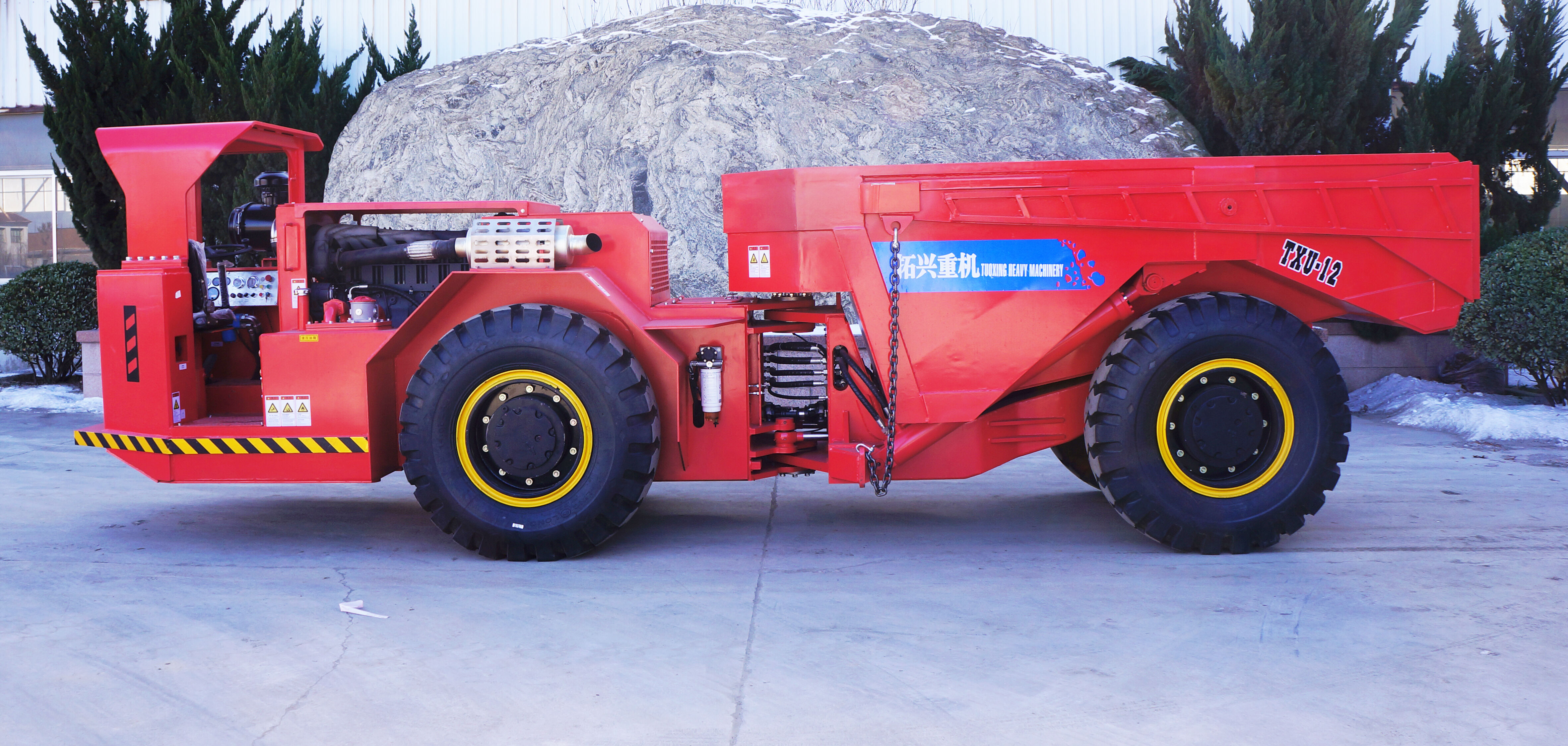
12 Ton Diesel Underground Truck - Heavy Duty Mining Haulage Solutions for Efficient Underground Operations

All Categories

12 ton diesel underground truck

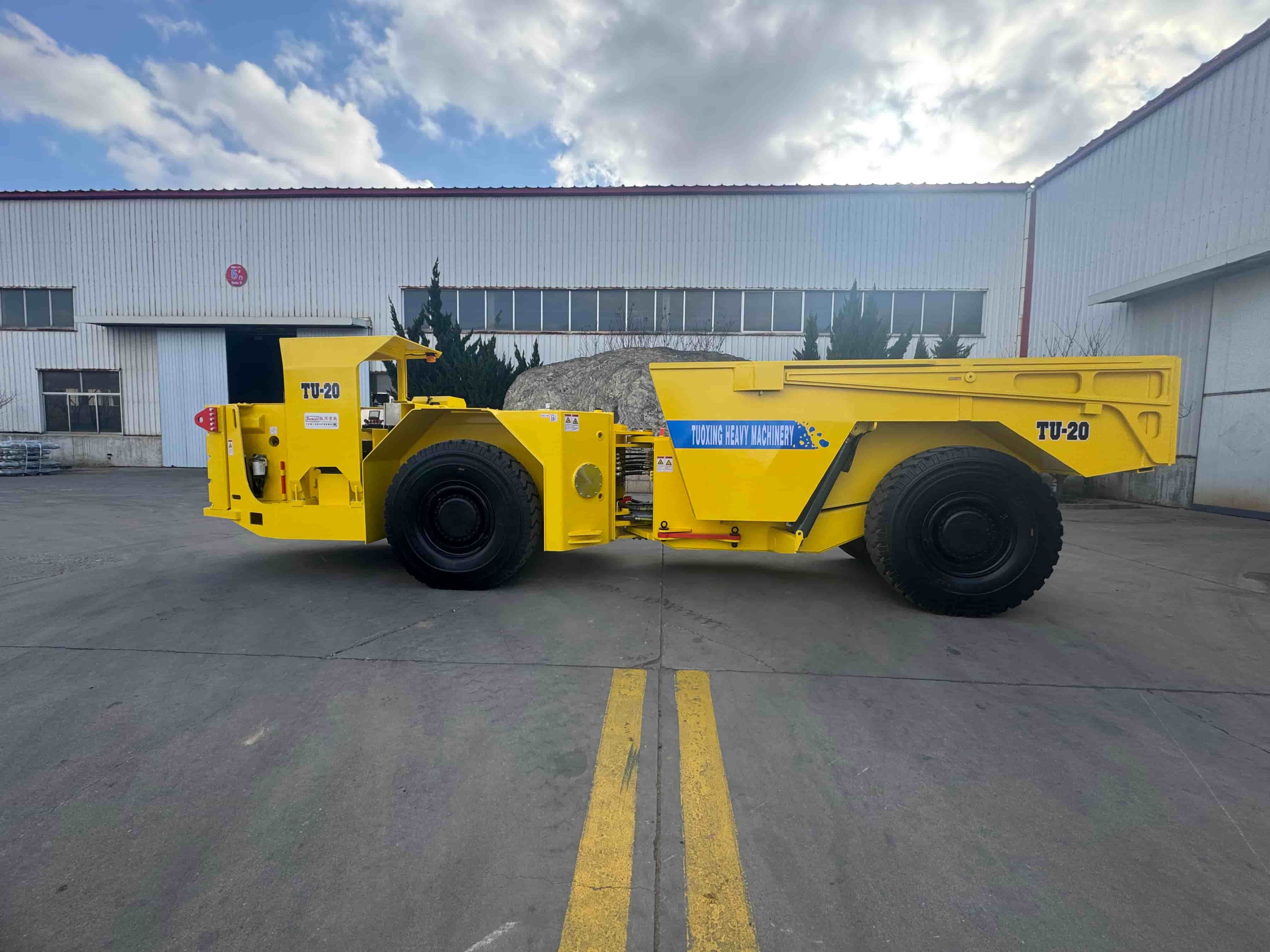
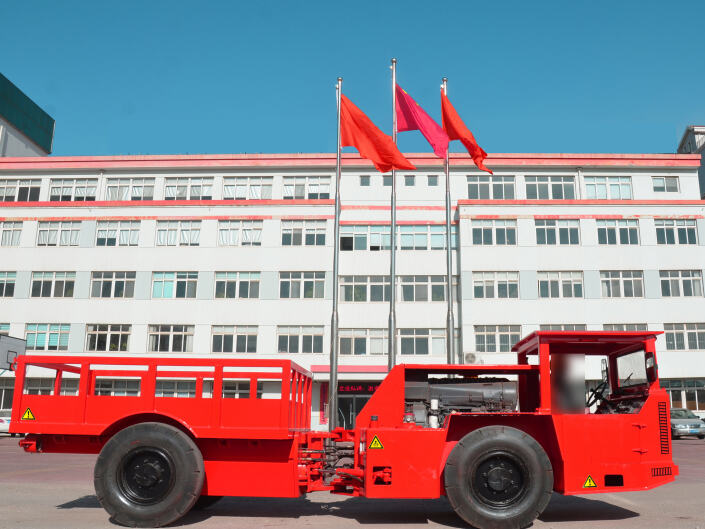
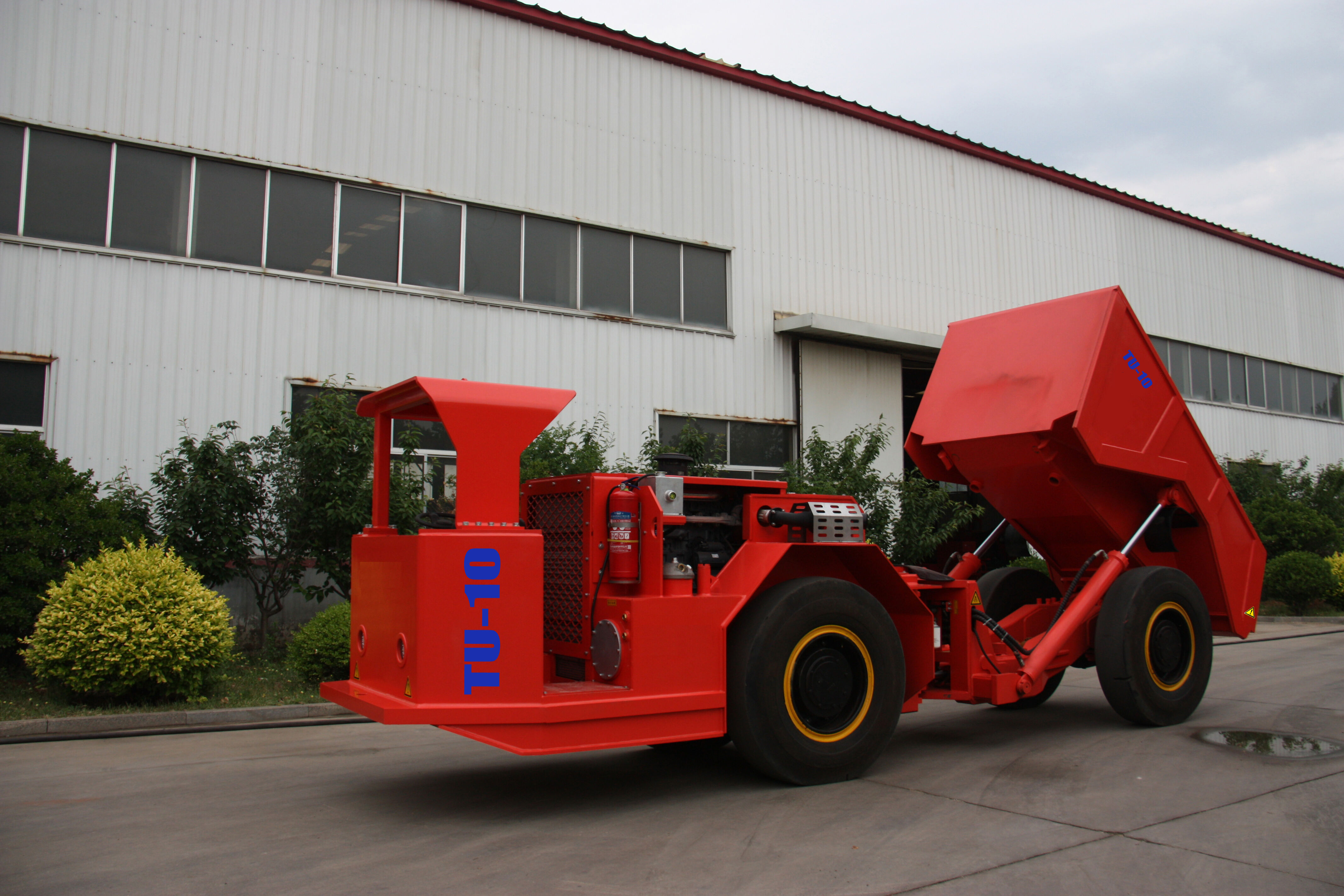
The 12 ton diesel underground truck represents a specialized heavy-duty vehicle engineered specifically for challenging subterranean mining operations and tunnel construction projects. This robust equipment serves as a critical component in material transportation systems within confined underground environments where traditional surface vehicles cannot operate effectively. Designed to navigate narrow tunnels and low-ceiling passageways, this underground hauler combines powerful diesel engine technology with compact dimensions to deliver exceptional performance in demanding conditions. The primary functions of this equipment include transporting ore, waste rock, construction materials, and equipment between various underground work zones and surface facilities. Its load capacity of 12 tons makes it ideal for medium to large-scale mining operations requiring efficient material handling solutions. The technological features incorporate advanced safety systems, including fire suppression equipment, methane detection sensors, and reinforced operator cabins that protect personnel in hazardous underground atmospheres. The vehicle's articulated steering mechanism enables tight turning radiuses essential for maneuvering through winding tunnel networks and cramped mining galleries. Modern emission control technologies integrated into the diesel engine system help maintain acceptable air quality standards in underground ventilation systems while delivering reliable power output. The drivetrain configuration typically features all-wheel drive capability, ensuring optimal traction on uneven mine floors and sloped ramps that characterize underground roadways. Applications extend across various mining sectors including gold, copper, coal, and precious metal extraction facilities, as well as civil engineering projects such as subway construction, hydroelectric tunnel development, and underground storage facility creation. The 12 ton diesel underground truck's rugged construction withstands the abrasive conditions, constant vibration, and impact loads inherent to underground operations, making it an indispensable asset for companies seeking to maximize productivity while maintaining operational safety standards in subterranean work environments.


Popular Products

The 12 ton diesel underground truck delivers substantial operational benefits that directly impact your bottom line through improved efficiency and reduced operating costs. First and foremost, the diesel power system provides extended operational hours between refueling stops, allowing your crews to maintain continuous production schedules without frequent interruptions. Unlike battery-powered alternatives that require lengthy charging periods, diesel equipment can be refueled quickly, typically within minutes, keeping your material flow consistent throughout each shift. This translates to higher daily tonnage movement and better utilization of your workforce. The maintenance requirements remain straightforward and manageable, with proven diesel engine technology that your mechanics already understand and can service using readily available parts and standard diagnostic tools. This familiarity reduces downtime and eliminates the need for specialized training programs or expensive proprietary components. The vehicle's compact footprint maximizes usable tunnel space, allowing you to develop narrower access drifts and ramps compared to larger equipment, which means less excavation, reduced development costs, and faster access to ore bodies. The powerful engine generates sufficient torque to climb steep gradients while fully loaded, enabling efficient material transport from deeper mining levels without requiring elaborate spiral ramp systems. Operators appreciate the ergonomic cabin design that reduces fatigue during long shifts, featuring adjustable seating, intuitive controls, and excellent visibility that enhances both productivity and safety. The reinforced frame construction absorbs impacts from rough terrain and accidental collisions with tunnel walls, protecting your investment and minimizing repair expenses over the equipment's lifespan. Fuel efficiency improvements in modern diesel engines mean lower operating costs per ton of material moved, helping you maintain competitive production expenses even as fuel prices fluctuate. The articulated steering system allows navigation through existing tunnel infrastructure without requiring costly widening projects, making this truck adaptable to various mine layouts and development strategies. Safety features including rollover protection, emergency braking systems, and fire suppression equipment reduce accident risks, protecting your most valuable assets - your employees - while potentially lowering insurance premiums. The 12 ton capacity represents an optimal balance between payload efficiency and maneuverability, allowing you to move substantial material volumes without requiring oversized tunnels or excessive ventilation capacity. Resale value remains strong due to widespread industry demand for reliable underground haulage equipment, protecting your capital investment when eventually upgrading your fleet.

Tips And Tricks

How Can Maintenance Reduce Downtime for Underground Mining Dump Trucks?

17

Nov

How Can Maintenance Reduce Downtime for Underground Mining Dump Trucks?

Underground mining operations depend heavily on reliable equipment to maintain productivity and meet extraction targets. When heavy machinery experiences unexpected failures, the resulting downtime can cost mining companies thousands of dollars per h...
View More
Which Factors Affect the Lifespan of Underground Mining Dump Trucks?

17

Nov

Which Factors Affect the Lifespan of Underground Mining Dump Trucks?

The operational lifespan of underground mining dump trucks represents a critical investment consideration for mining operations worldwide. These specialized vehicles face some of the most challenging working conditions in industrial applications, ope...
View More
How Do Load Capacity and Size Affect Underground LHD Loader Performance?

11

Dec

How Do Load Capacity and Size Affect Underground LHD Loader Performance?

Underground mining operations depend heavily on efficient material handling equipment, with the underground LHD loader serving as the backbone of productive ore extraction and transportation. These versatile machines must navigate confined spaces whi...
View More
Cable vs. Battery: Comparing Power Sources for Electric LHDs Underground

18

Mar

Cable vs. Battery: Comparing Power Sources for Electric LHDs Underground

The power source selection for electric LHDs represents one of the most critical decisions facing underground mining operations today. As mines push deeper and operational demands intensify, the choice between cable-fed and battery-powered electric L...
View More

Get a Free Quote

Our representative will contact you soon.
Email
Name
Company Name
Message
0/1000

12 ton diesel underground truck

Superior Underground Maneuverability and Compact Design Excellence

Superior Underground Maneuverability and Compact Design Excellence

The 12 ton diesel underground truck distinguishes itself through exceptional maneuverability that directly addresses the spatial constraints inherent to underground mining environments. The articulated steering mechanism represents a fundamental design advantage, allowing the vehicle to achieve turning radiuses significantly tighter than conventional rigid-frame trucks. This engineering approach divides the vehicle into front and rear sections connected by a pivot joint, enabling the rear section to follow a different path than the front during turns. In practical terms, this means operators can navigate switchbacks, intersections, and sharp corners that would be impossible for traditional equipment configurations. Mining operations benefit immediately through reduced development costs, as tunnel dimensions can be minimized without sacrificing equipment accessibility. The compact overall length, typically ranging between 7 to 9 meters depending on configuration, permits operation in exploration drifts and secondary access tunnels where larger equipment cannot venture. This accessibility advantage extends your operational flexibility, allowing the same truck to serve multiple mining areas without requiring dedicated equipment for each zone. The low-profile cabin design accommodates tunnel heights as limited as 2.5 to 3 meters, which proves essential in tabular ore bodies and coal seams where vertical space remains at a premium. Engineering teams can design more economical mining layouts when equipment requirements allow for smaller cross-sectional areas, reducing the cubic meters of rock requiring excavation per linear meter of advance. The suspension system incorporates articulation points that allow individual wheels to traverse obstacles independently, maintaining tire contact with uneven floor surfaces and maximizing traction in challenging conditions. Operators gain confidence navigating through freshly blasted areas where floor conditions remain irregular, as the chassis flexibility prevents the vehicle from becoming high-centered on debris. The 12 ton diesel underground truck's dimensional efficiency also impacts ventilation requirements, as smaller tunnels require less airflow volume to maintain acceptable atmospheric conditions, reducing both capital investment in ventilation infrastructure and ongoing electrical costs for fan operation. This maneuverability extends to reverse operation as well, with rear-view camera systems and proximity sensors helping operators safely back into loading positions or retreat from dead-end headings without requiring elaborate turning bays.
Robust Diesel Power System Delivering Uninterrupted Performance

Robust Diesel Power System Delivering Uninterrupted Performance

The diesel engine powering the 12 ton diesel underground truck provides distinctive operational advantages that directly support continuous underground production schedules. Modern diesel technology delivers exceptional torque characteristics across the entire operating range, ensuring the vehicle maintains consistent speed whether climbing steep ramps fully loaded or traversing level haulage drifts. This power availability proves crucial in underground environments where ramp gradients often reach 10 to 15 percent, requiring sustained engine output to prevent stalling or excessive speed reduction that would bottleneck material flow. The fuel efficiency of contemporary diesel engines has improved dramatically through advanced injection timing, turbocharging, and combustion optimization, allowing operations to move more tons per liter of fuel consumed compared to older equipment generations. This efficiency translates directly to reduced operating costs, particularly significant for operations in remote locations where fuel transportation adds substantial expense. The refueling process takes mere minutes, typically accomplished during shift changes or operator breaks, eliminating the productivity losses associated with battery charging downtime that affects electric alternatives. Mine planners can schedule equipment utilization with confidence, knowing that diesel trucks remain available for consecutive shifts without requiring extended offline periods. The engine's proven reliability stems from decades of refinement across countless industrial applications, providing operations with predictable maintenance intervals and well-understood service requirements. Mechanics trained on standard diesel systems can troubleshoot issues efficiently using familiar diagnostic approaches and widely available tools, avoiding dependency on specialized technicians or proprietary equipment that might delay repairs in remote mining locations. Parts availability represents another practical advantage, as diesel engine components maintain extensive distribution networks ensuring replacement items arrive quickly when needed, minimizing inventory requirements and associated capital tied up in spare parts. The 12 ton diesel underground truck's emission control systems incorporate diesel particulate filters and catalytic converters that substantially reduce harmful exhaust components, addressing environmental and occupational health concerns without compromising performance. Engine cooling systems designed specifically for underground applications manage heat rejection efficiently, preventing excessive temperature increases in the surrounding air that would burden ventilation systems and create uncomfortable working conditions. The power-to-weight ratio enables impressive acceleration and cycle time performance, allowing trucks to complete loading, hauling, and dumping sequences rapidly, maximizing the number of trips accomplished per shift and increasing overall material movement capacity without adding equipment units to your fleet.
Comprehensive Safety Integration Protecting Personnel and Assets

Comprehensive Safety Integration Protecting Personnel and Assets

The 12 ton diesel underground truck incorporates extensive safety systems that represent critical value propositions for mining operations where personnel protection remains paramount. The reinforced operator cabin utilizes rollover protective structure engineering principles, surrounding the operator with a certified safety cage designed to maintain survival space even if the vehicle tips or experiences roof collapse incidents. This structural protection provides peace of mind for operators working in potentially unstable ground conditions where unexpected events may occur despite careful ground control practices. Falling object protective structures integrated into the cabin roof design defend against rocks dislodged from tunnel backs, a persistent hazard in underground environments where seismic activity, blasting vibrations, or natural weathering may release loose material. The cabin pressurization system creates positive air pressure inside the operator compartment, preventing dust and diesel particulate infiltration that could compromise respiratory health over career-long exposure periods. Operators benefit from cleaner breathing environments that reduce fatigue and long-term health risks, while improved visibility through dust-free windows enhances operational safety by allowing better observation of surrounding conditions. Fire suppression systems detect and respond to engine compartment fires automatically, deploying extinguishing agents within seconds of flame detection to prevent catastrophic equipment destruction and protect operator evacuation time. Underground fires represent among the most dangerous mining emergencies due to smoke propagation through ventilation systems, making rapid fire suppression capabilities essential safety features. Methane and carbon monoxide detection systems continuously monitor atmospheric conditions, alerting operators to dangerous gas accumulations before concentrations reach explosive or toxic thresholds, providing crucial early warning that enables personnel evacuation and ventilation adjustments. Proximity detection technology employs radar or camera systems that identify pedestrians or obstacles near the vehicle, warning operators of potential collision situations and in some configurations automatically applying brakes to prevent accidents. These systems address visibility limitations inherent to large equipment operating in poorly lit underground environments where workers may be difficult to see. The 12 ton diesel underground truck incorporates emergency shutdown systems allowing operators or surface supervisors to immediately stop engine operation in crisis situations, providing rapid response capability for various emergency scenarios. Lighting systems provide powerful illumination that improves operator visibility while LED technology reduces heat generation and electrical system load compared to traditional lighting, with longer service life reducing maintenance frequency and improving reliability. Ergonomic controls and seating reduce operator fatigue, which represents a significant contributing factor in accidents, as tired operators experience slower reaction times and diminished situational awareness during extended shifts. Safety training materials and operational documentation help establish consistent operating procedures across crews, standardizing best practices that minimize risk exposure throughout your operation.

Get a Free Quote

Our representative will contact you soon.
Email
Name
Company Name
Message
0/1000