 EN

Kapuro Hosts Brazilian Clients: Inside the Tuoxing Underground Mining Equipment Factory
At Kapuro we hold one belief: transparency and hands-on experience are the fastest way to build a partnership that survives the first maintenance cycle — not just the first purchase order. Last month we put that belief in front of a visiting delegation from Brazil.
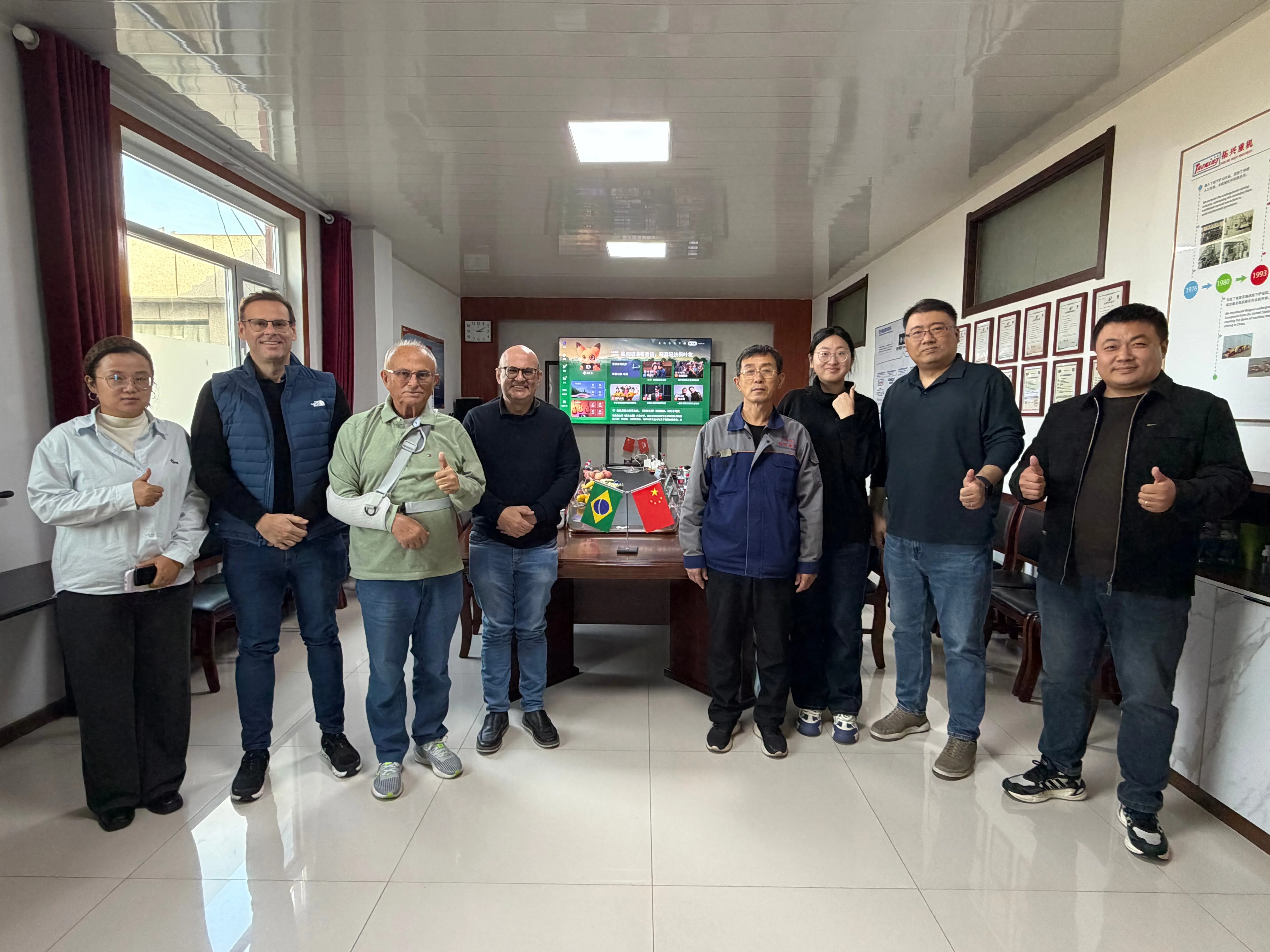
The team travelled to our core manufacturing base — the Tuoxing factory in Laizhou, Shandong — with a single agenda: to inspect, up close, the underground mining equipment they intend to deploy. At the top of their list were our flagship TFR-18 underground personnel carrier and our heavy-duty LHD loaders.
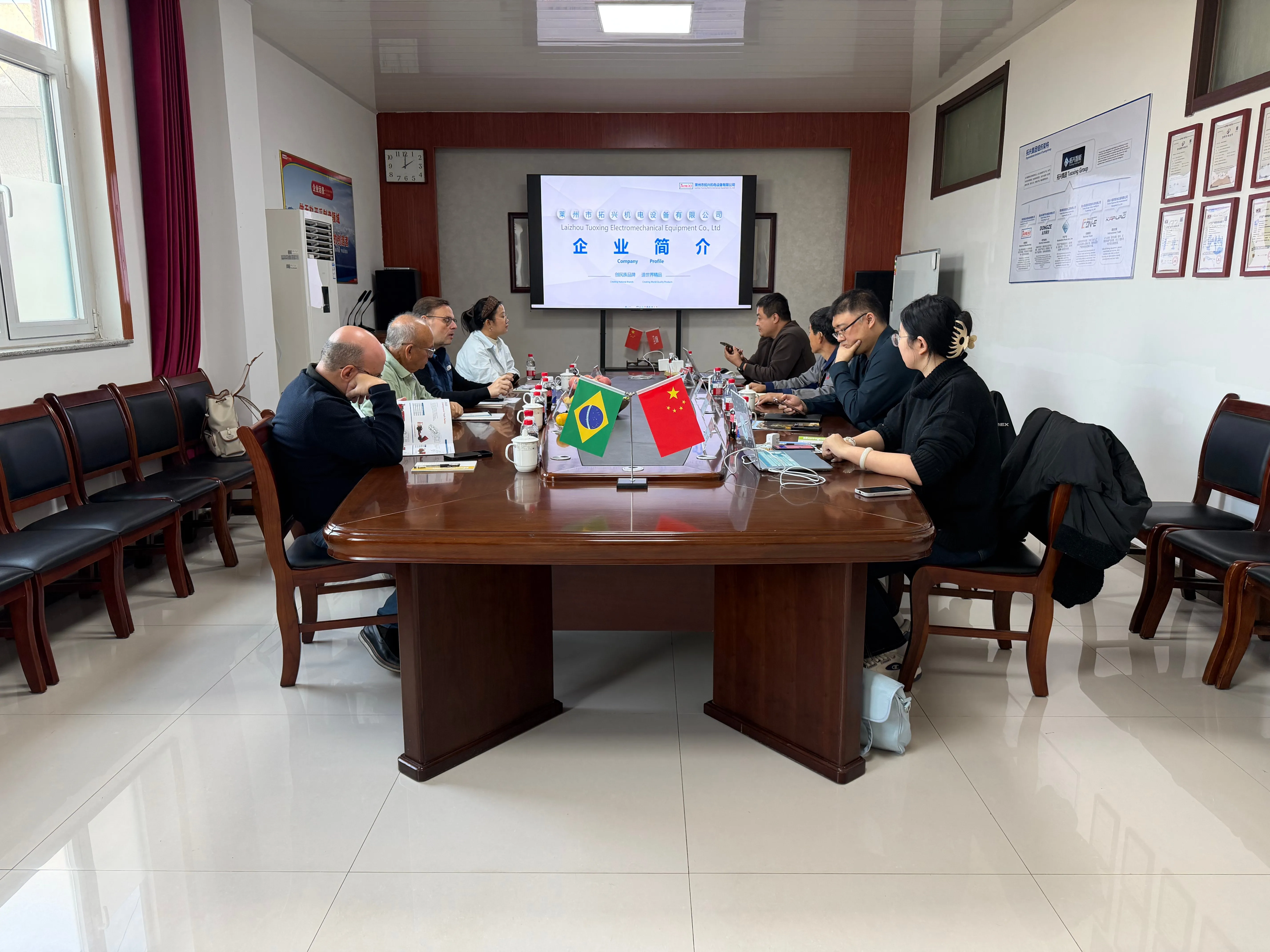
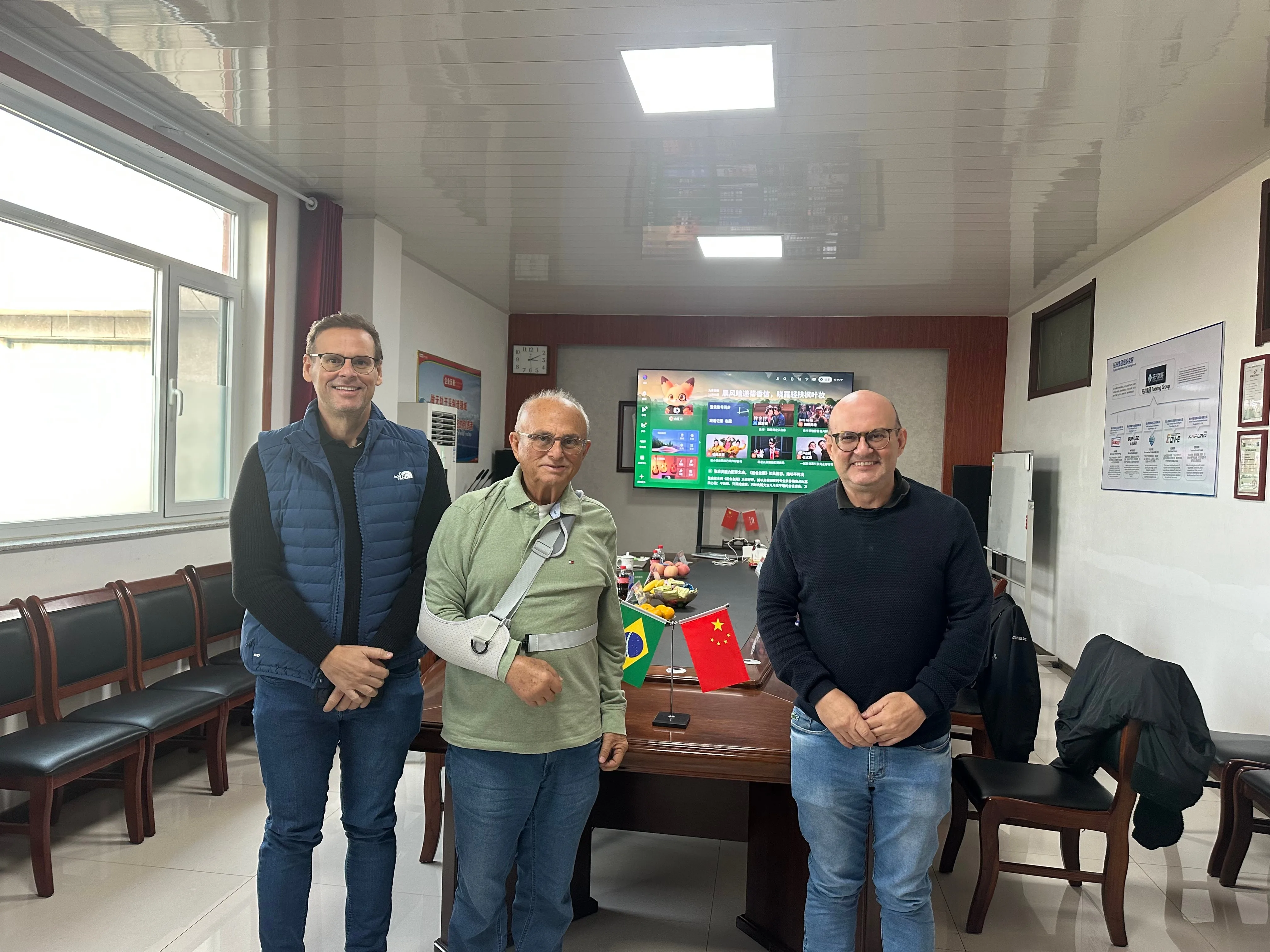
What stayed with our team was the commitment of the visitors. One of their directors made the journey with his arm still in a cast and sling, purely so that he could stand beside the machine himself and put his technical questions to our engineers face to face. The Brazilian and Chinese flags on the conference table said the rest: this is what cross-border cooperation looks like when it is built on inspection rather than on brochures.
01 The Delegation: Why They Came
The visit was not a courtesy stop. The delegation runs underground operations in Brazil, and their decision timeline depended on one question: can the equipment we are buying hold up in our drifts, with our crews, on our maintenance budget?
Instead of answering with a catalogue, the Kapuro sales team and Tuoxing engineers opened the factory. The delegation sat through a full technical seminar on the operational advantages of the TFR-18 underground personnel carrier, then walked the assembly hall to compare the drawings against the steel.
02 TFR-18 at a Glance
Every figure below was confirmed on the unit standing in the workshop — not on a data sheet. This is the configuration the Brazilian team evaluated for their underground personnel transport.
| Parameter | TFR-18 Specification | Operational Impact |
|---|---|---|
| Seating capacity | 18 persons — 16 in the rear cabin + 2 in the front cab | One trip moves a complete shift crew, cutting shuttle cycles |
| Engine | Cummins water-cooled diesel, F4.5 or QSB4.5 — 96 kW / 119 kW | Globally supported parts network; serviceable in remote mining regions |
| Transmission | DANA 1201FT20000 integrated transmission | Smooth gear shifts and fewer driveline joints to maintain |
| Steering | Central articulation + full hydraulic power steering | Low operator effort and precise control in narrow headings |
| Inner turning radius | 4,300 ±100 mm | Turns inside the drift instead of reversing out of it |
| Braking system | Fully enclosed spring-brake, hydraulic-release multi-disc wet brakes on both front and rear axles | Fail-safe: brakes apply automatically if hydraulic pressure is lost |
| Max traction force | 105 kN | Holds grade with a full crew on wet, ramped haulage ways |
| Articulation swing | ±7° lateral swing at the articulation joint | Keeps all wheels loaded over uneven, poorly graded floors |
| Cabin access | Side doors plus rear door on the passenger cabin | Faster, safer boarding and evacuation for crews in full PPE |
| Typical duty | Underground personnel transport in metal mines and tunnelling projects | Replaces makeshift crew transport with a purpose-built carrier |
Table: TFR-18 underground personnel carrier — configuration verified on the workshop unit during the Brazilian client inspection. Horizontal scroll on mobile.
03 On the Workshop Floor: Articulation & Fail-Safe Braking
In the assembly hall the conversation moved from specification to geometry. Standing beside the bright red TFR-18, our engineers demonstrated the machine's manoeuvrability: central articulation combined with full hydraulic power steering produces an inner turning radius of 4,300 ±100 mm, which is what allows the carrier to work inside narrow underground tunnels rather than stopping at the portal.
The passenger cabin drew as much attention as the driveline. Sixteen miners ride in the rear cabin with two more in the front cab, and the side and rear doors mean a crew in full PPE boards and exits without squeezing past one another — a detail that matters every single shift.
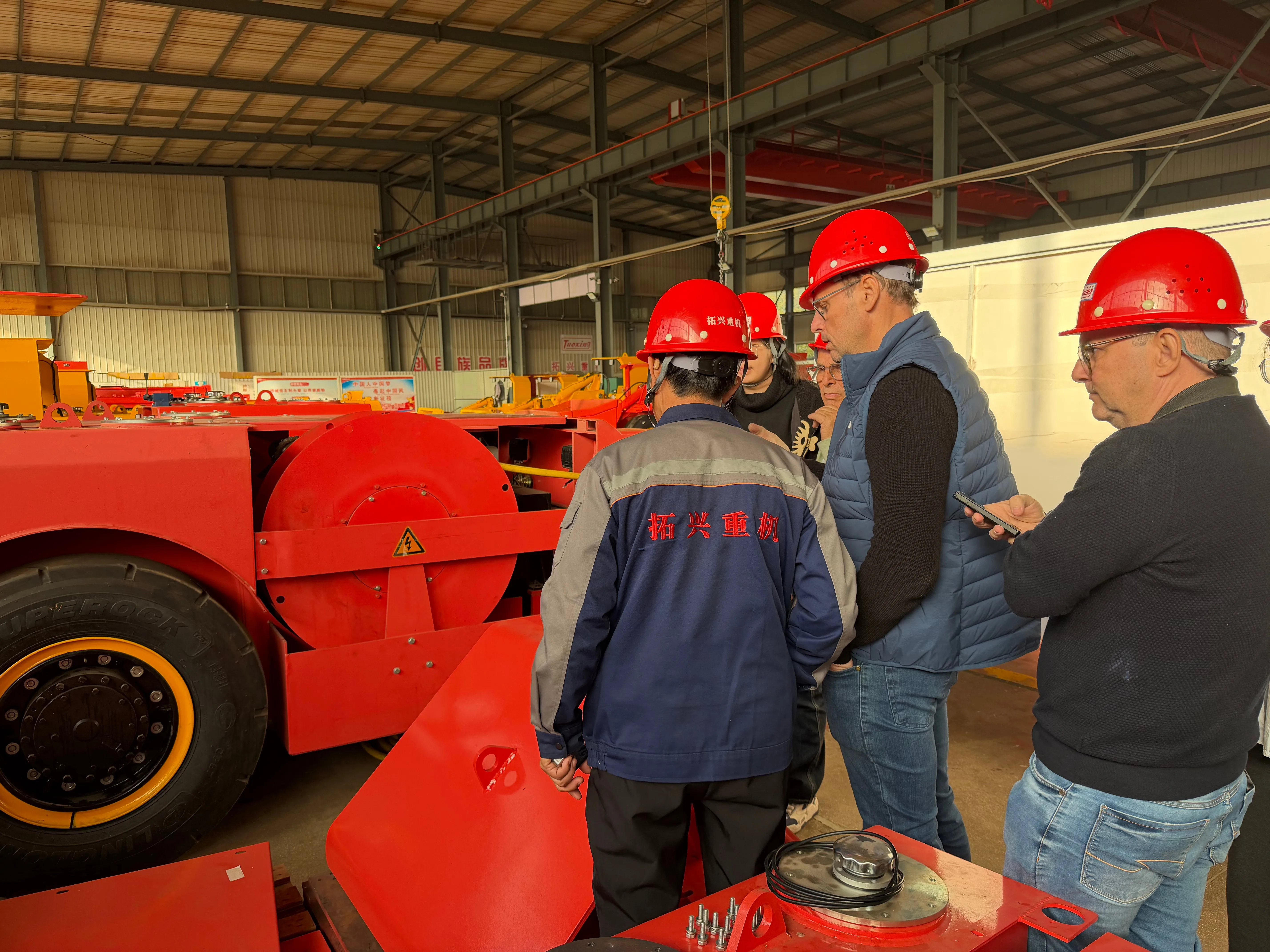
The braking system became the technical centre of the visit. Both front and rear drive axles carry fully enclosed spring-brake, hydraulic-release multi-disc wet brakes. In plain terms: the brakes are held open by hydraulic pressure and applied by spring force. If a hose fails or the engine stops, the machine brakes itself. For a carrier responsible for eighteen people, that is not a feature — it is the design premise.
The delegation left the hall with a clear picture of how the TFR-18 behaves underground — and with a working understanding of the redundancy behind every safety claim.
Articulated vs. Rigid-Frame: What Changes Underground
The comparison the Brazilian engineers asked for, in the terms that decide cycle time and risk exposure.
| Requirement | TFR-18 (Articulated) | Typical Rigid-Frame Carrier | Field Impact |
|---|---|---|---|
| Tight headings | 4,300 ±100 mm inner radius on full hydraulic steering | Larger turning envelope; multi-point turns in narrow drifts | Fewer reversals at junctions and loading bays |
| Floor conditions | ±7° lateral articulation swing | Rigid chassis transmits floor irregularities to the frame | Less racking stress, steadier ride for the crew |
| Braking failure | Spring-applied wet brakes on both axles — brakes on pressure loss | Configuration varies by supplier; fail-safe not always fitted to both axles | A hydraulic fault becomes a stop, not a runaway |
| Crew exchange | Side and rear doors, 16 + 2 seating | Often single-side access with fewer dedicated seats | Shorter boarding time at shift change |
| Powertrain support | Cummins F4.5 / QSB4.5 + DANA 1201FT20000 | Depends on brand mix; service network varies | Parts and service available through global channels |
Comparison reflects the articulated carrier design inspected on site versus common rigid-frame personnel carriers; rigid-frame configurations differ by manufacturer.
04 LHD Loaders: One Fleet, One Workflow
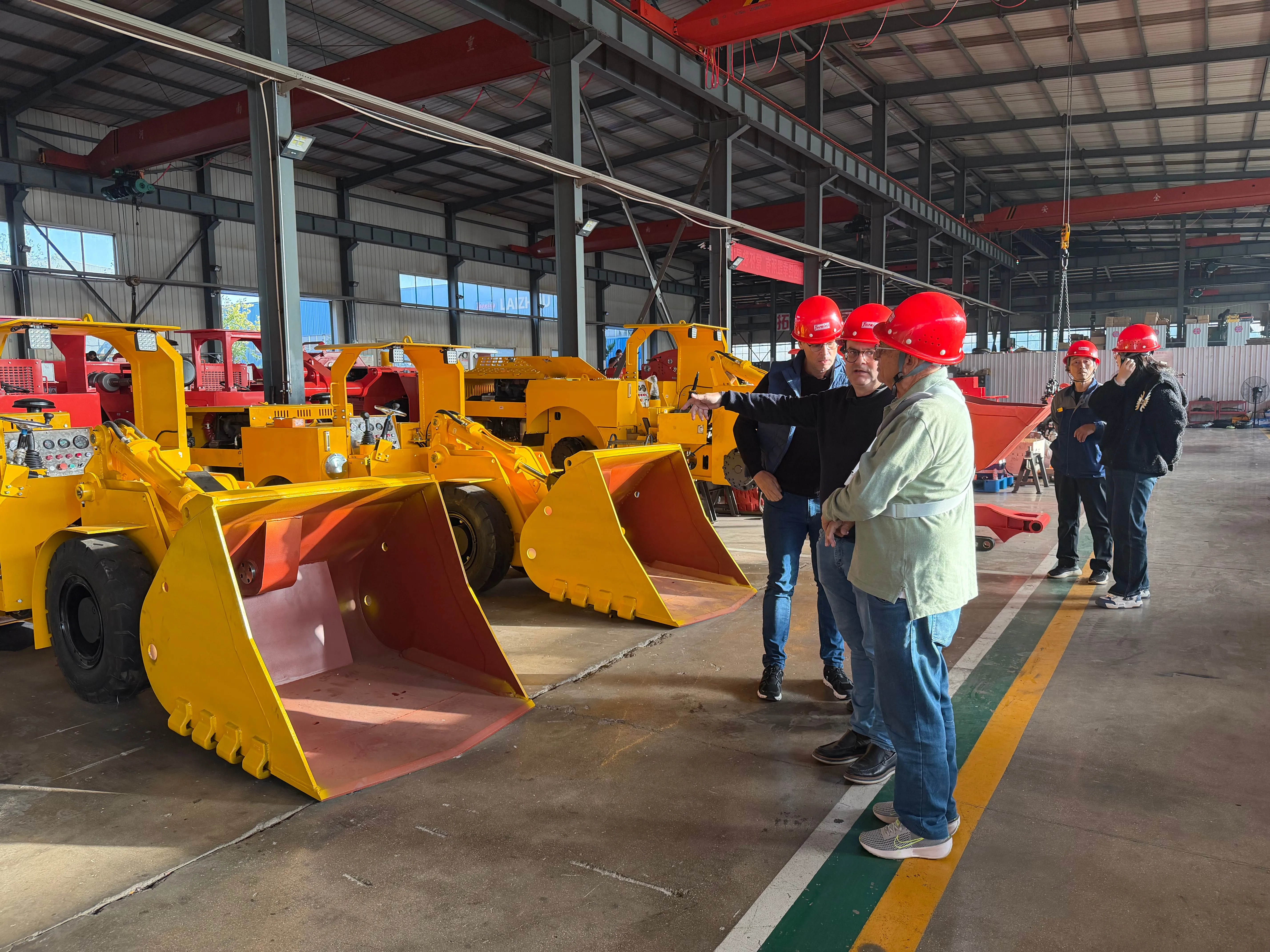
Personnel transport is only half of the cycle. The delegation also inspected the yellow LHD loaders lined up in the Tuoxing workshop, and the discussion quickly turned to fleet fit: a safe carrier and an efficient loader are only valuable if they are matched in width, height and cycle time. Our engineers walked through how the two machines share haulage ways, service points and operator training — the practical argument for sourcing an entire underground fleet from one manufacturer.
05 Production & Quality Control at Tuoxing
Wearing red safety helmets, the delegation walked the full production line — the part of a factory visit that cannot be staged. Our technical team guided them through chassis fabrication first, where heavy steel plate is precision-welded to carry rated loads over years of shock loading in abrasive, wet conditions.
At the assembly stations the clients saw how core components are integrated. Every hydraulic circuit on the TFR-18 — steering, braking and oil replenishment — uses international-brand valves and pumps, chosen for serviceability in regions where a three-week parts delay is not an option.
Quality control was demonstrated rather than described: each underground personnel carrier undergoes factory testing before shipment that simulates extreme mine conditions, including verification of the 105 kN maximum traction force and the ±7° lateral swing of the articulation joint. The delegation also reviewed structural framework welding, paint finish and the packaging method used for spare parts — the details that decide whether a machine is still productive in year five.
- Chassis steel plate selection and weld quality
- Hydraulic valve and pump brand verification
- Factory test of traction force (105 kN) and articulation swing (±7°)
- Paint finish, structural detailing and spare-part packaging
- Assembly-line sequence and pre-shipment inspection routine
06 The Client Verdict
“Seeing the attention to detail — from the structural framework to the flawless paint and the way spare parts are packed — gave us absolute peace of mind about the machines we are buying.”
The visitors also noted that factory management and assembly precision were consistent with what the technical presentation promised — a point that matters more than any single specification, because it is the difference between a supplier and a manufacturing partner.
This visit confirms Kapuro's position in the global underground mining equipment market, backed by the manufacturing capability of the Tuoxing plant. Whether your project needs a TFR-18 underground personnel carrier, LHD loaders or a complete underground fleet, the same principle applies: come and inspect it, or let our engineers take you through it remotely, before you commit capital.
Ready to Inspect the TFR-18 for Your Mine?
Send us your drift dimensions, crew size and haulage distance. Our engineers will come back with a configuration proposal, a layout drawing and a delivered price — usually within one working day.
Request an Engineering Quote