 EN
EN
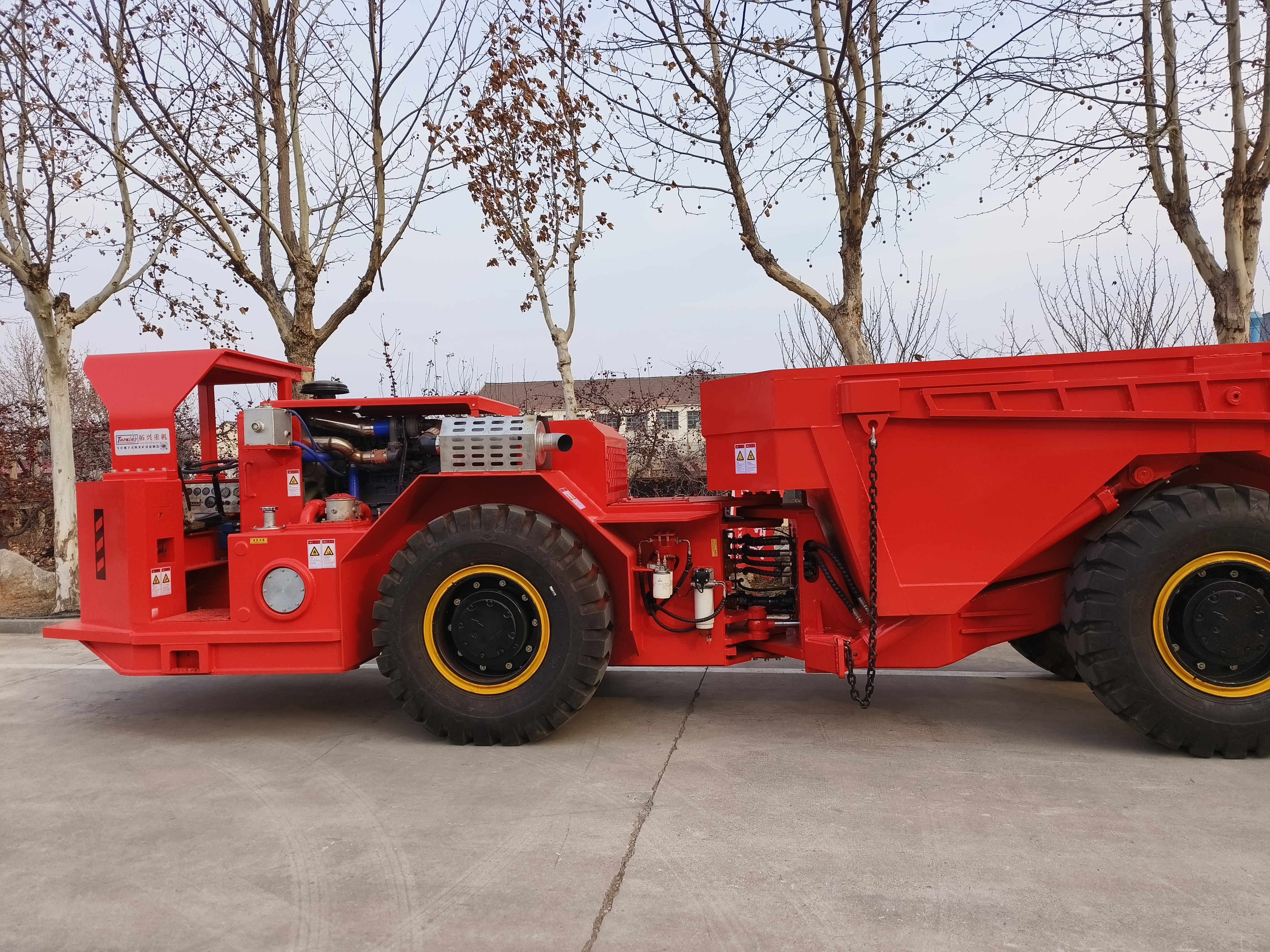
Selecting the right mining machinery based on ore hardness and daily tonnage is a critical decision that directly impacts operational efficiency, equipment longevity, and project profitability. Underground and surface mining operations face unique challenges when matching mining machinery to geological conditions and production targets. Ore hardness determines the mechanical stress equipment must withstand, while daily tonnage defines the throughput capacity required. Misjudging either parameter leads to premature equipment failure, production bottlenecks, or unnecessary capital expenditure. This article explains how to systematically evaluate mining machinery against ore characteristics and output demands, ensuring your equipment investment aligns with operational realities.
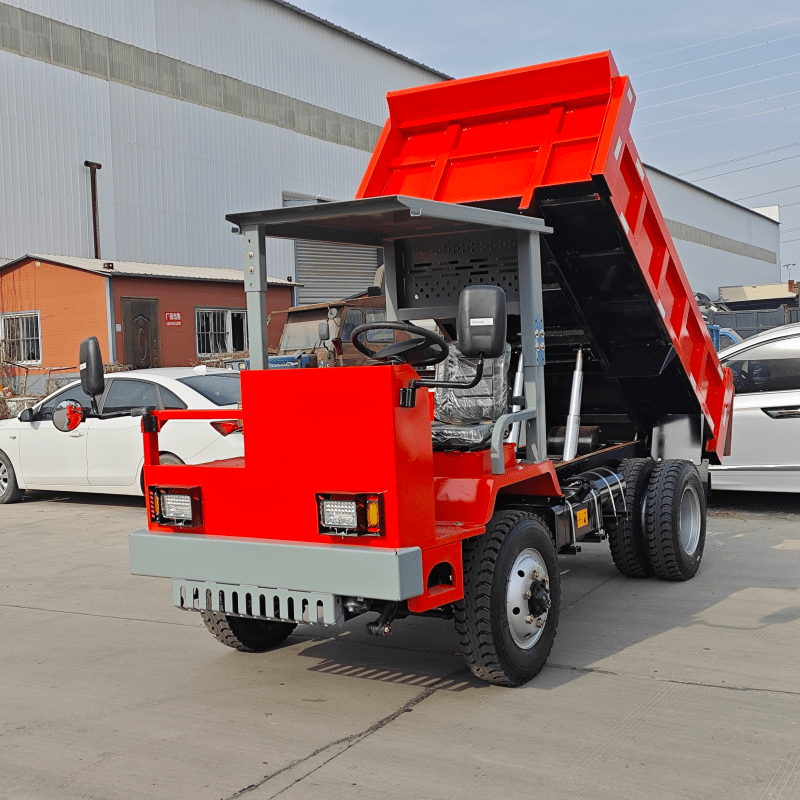
The selection process begins with understanding that mining machinery must serve dual functions: breaking or handling material within a specific hardness range and moving the required volume within the production schedule. Ore hardness, measured on the Mohs scale or through compressive strength testing, dictates whether crushers, drills, or haulers need reinforced components. Daily tonnage sets the baseline for equipment size, cycle time, and fleet configuration. Matching mining machinery to these parameters prevents operational disruption and extends asset life. This guidance walks through the technical criteria, decision frameworks, and practical considerations that mining engineers and procurement teams should apply when selecting mining machinery for hardness-specific and tonnage-driven applications.
Understanding Ore Hardness Classification and Its Impact on Mining Machinery
Ore Hardness Categories and Material Behavior
Ore hardness is the primary factor determining which mining machinery can effectively process a given material. Soft ores, such as coal, gypsum, and some sedimentary formations, typically register below 4 on the Mohs scale and exhibit lower compressive strength. These materials allow mining machinery with standard wear components to achieve efficient fragmentation and handling. Medium-hardness ores, including limestone, dolomite, and some iron ores, fall between 4 and 6 on the Mohs scale. Mining machinery used in these conditions requires abrasion-resistant liners and reinforced cutting edges. Hard ores, such as granite, basalt, and high-grade iron ore, exceed 6 on the Mohs scale and demand mining machinery with hardened steel components, tungsten carbide inserts, and robust structural frames. Understanding where your ore sits on this spectrum is the first step in selecting mining machinery that will maintain performance without excessive downtime or component replacement.
Mechanical Stress and Equipment Wear Patterns
The hardness of ore directly correlates with the mechanical stress imposed on mining machinery during operation. Softer ores generate less abrasive wear, allowing mining machinery to operate with longer maintenance intervals and lower replacement part costs. In contrast, harder ores accelerate wear on contact surfaces, including crusher jaws, conveyor belts, and haul truck beds. Mining machinery designed for hard rock applications incorporates wear-resistant alloys and modular components that can be replaced without full system disassembly. When selecting mining machinery, assess not only the initial capacity rating but also the manufacturer's wear life projections for components exposed to your specific ore hardness. This evaluation prevents underestimating total cost of ownership and ensures mining machinery remains productive across its intended service life. Failure to match mining machinery wear resistance to ore hardness results in frequent unplanned maintenance, reduced availability, and escalated operational expenses.
Daily Tonnage Requirements and Mining Machinery Capacity Matching
Calculating Effective Throughput and Equipment Sizing
Daily tonnage targets define the minimum capacity that mining machinery must deliver to meet production schedules. Effective throughput depends on equipment cycle time, payload capacity, and operational efficiency. For example, if a mine must move 500 tons of ore per day using haul trucks, the mining machinery fleet size and individual truck capacity must accommodate realistic cycle times, including loading, hauling, dumping, and return travel. Mining machinery with insufficient capacity forces operations into extended shifts or requires additional units, increasing labor and fuel costs. Conversely, oversized mining machinery may idle between cycles, wasting capital and maintenance resources. When selecting mining machinery for daily tonnage applications, calculate the total material volume, factor in expected downtime for maintenance, and apply a utilization rate between 75 and 85 percent to determine realistic equipment requirements. This approach ensures mining machinery operates within its optimal performance envelope.
Fleet Configuration and Load Balancing
Achieving daily tonnage targets often requires configuring multiple units of mining machinery rather than relying on a single high-capacity machine. Fleet configuration distributes production risk, reduces the impact of individual equipment failures, and provides flexibility to adjust output as ore grades or mining faces change. When selecting mining machinery for tonnage-driven operations, consider whether a fleet of smaller units or fewer large units better suits your site layout, haul distances, and ore characteristics. Smaller mining machinery offers greater maneuverability in confined underground spaces and shorter cycle times over short distances, while larger mining machinery excels in high-volume surface operations with long haul routes. Load balancing across the mining machinery fleet prevents bottlenecks at loading points and ensures consistent material flow to processing facilities. Proper fleet sizing and configuration are essential to maximizing mining machinery productivity and meeting tonnage commitments without over-investing in redundant capacity.
Integrating Ore Hardness and Tonnage Criteria into Mining Machinery Selection
Cross-Referencing Technical Specifications with Operational Demands
Selecting mining machinery that satisfies both ore hardness and daily tonnage requirements involves cross-referencing manufacturer specifications with operational parameters. Start by defining the ore's compressive strength and abrasiveness, then identify mining machinery models rated for that material category. Next, calculate the required hourly throughput by dividing daily tonnage by effective operating hours. Compare this figure against the rated capacity of candidate mining machinery, ensuring the equipment can sustain the target output across the full shift duration. Mining machinery that meets hardness criteria but lacks sufficient capacity will bottleneck production, while mining machinery with adequate capacity but inadequate wear resistance will suffer accelerated degradation. Use decision matrices that score mining machinery options against hardness compatibility, tonnage capacity, maintenance accessibility, parts availability, and capital cost. This structured approach ensures mining machinery selection balances technical suitability with economic viability.
Evaluating Operational Flexibility and Future Scalability
Mining operations evolve as ore bodies are depleted, new veins are discovered, or market demand shifts. Selecting mining machinery with operational flexibility allows mines to adapt without full equipment replacement. Modular mining machinery designs enable capacity upgrades through component swaps or software adjustments. For example, crushers with interchangeable liner configurations can handle varying ore hardness levels, while haul trucks with adjustable suspension systems accommodate different payload densities. When selecting mining machinery, consider whether the equipment can scale with future tonnage increases or handle ore hardness variations across the mine site. Mining machinery that locks operators into rigid configurations limits responsiveness and increases long-term capital expenditure. Prioritize mining machinery platforms that offer configuration options, allowing mines to adjust capacity and wear resistance as operational conditions change. This forward-looking approach maximizes the return on mining machinery investments and supports sustainable production growth.
FAQ
What is the most important factor when selecting mining machinery for a new site?
The most important factor when selecting mining machinery for a new site is accurately characterizing the ore hardness and establishing realistic daily tonnage targets. Without precise data on material properties and production demands, mining machinery selection becomes speculative, increasing the risk of equipment mismatch. Conduct geological surveys to determine ore compressive strength and abrasiveness, then develop a production schedule that defines hourly and daily material movement requirements. This data-driven foundation allows mining machinery selection to proceed with confidence, ensuring equipment can handle the material and deliver the required throughput. Skipping this step often results in costly equipment modifications or premature replacements.
How does ore hardness affect maintenance costs for mining machinery?
Ore hardness directly influences maintenance costs for mining machinery by determining the rate of wear on components exposed to material contact. Harder ores accelerate abrasion on crusher liners, conveyor belts, drilling bits, and haul truck beds, requiring more frequent inspections and part replacements. Mining machinery operating in hard rock environments typically incurs maintenance costs 30 to 50 percent higher than equipment handling soft ores. When selecting mining machinery, request wear life estimates for critical components under your specific ore hardness conditions. Budget for higher spare parts inventory and shorter replacement intervals if your ore falls into the hard or very hard category. Proactive maintenance planning based on ore hardness reduces unplanned downtime and controls total operating costs.
Can the same mining machinery handle both low and high daily tonnage requirements?
The same mining machinery can handle varying daily tonnage requirements if the equipment is sized for the upper end of the expected range and operated at partial capacity during lower-demand periods. However, consistently running mining machinery below its rated capacity can lead to inefficient fuel consumption and underutilized capital. Conversely, pushing mining machinery beyond its rated capacity to meet higher tonnage targets accelerates wear and increases breakdown risk. For operations with fluctuating tonnage demands, select mining machinery with modular configurations or variable speed controls that allow output adjustment without compromising efficiency. Alternatively, configure a scalable fleet where additional mining machinery units can be deployed during peak production periods and idled during lower-demand phases. This strategy maintains mining machinery performance across tonnage variability while optimizing operational costs.