
 EN
EN
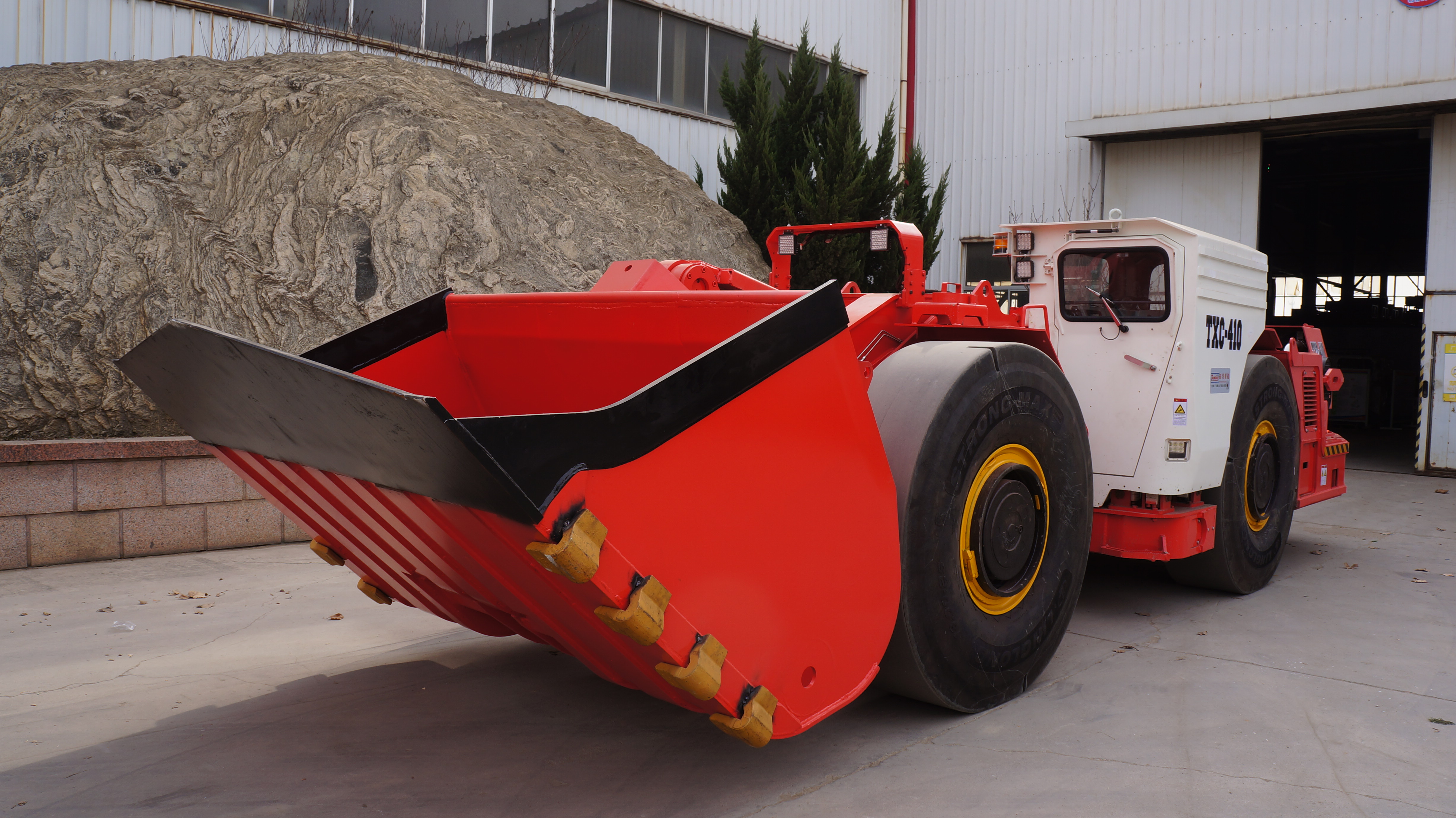
The mining industry faces mounting pressure to reduce operational costs while meeting stricter environmental regulations. Fuel expenses represent one of the largest variable costs in mining operations, with diesel-powered equipment consuming vast quantities of fuel daily. Electric mining machinery has emerged as a transformative solution, promising dramatic reductions in fuel costs compared to traditional diesel units. This shift toward electrification is not merely an environmental gesture but a strategic financial decision that can reshape the economics of mining operations. Understanding whether electric mining machinery can truly deliver fuel cost savings exceeding 50% requires examining the operational realities, energy economics, and practical implementation factors that define modern mining electrification.
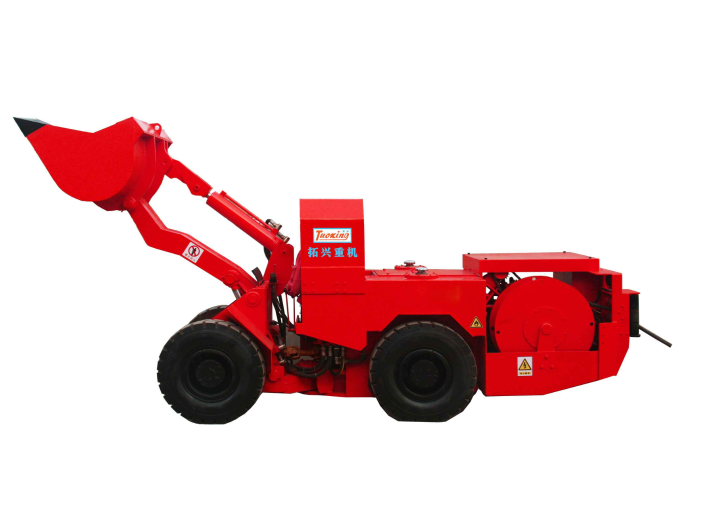
Electric mining machinery eliminates the direct consumption of diesel fuel entirely, replacing combustion engines with electric motors powered by batteries or grid connections. This fundamental shift creates immediate cost advantages in operations where diesel prices remain volatile and transportation logistics add premium costs to fuel delivery. The 50% cost reduction threshold is not theoretical but achievable under specific operational conditions that align electric mining machinery capabilities with site energy infrastructure and duty cycle requirements. Mines with access to reliable electrical grids or renewable energy sources experience the most dramatic savings, while operations in remote locations must carefully evaluate the total cost of energy delivery when comparing electric mining machinery against diesel alternatives.
Direct Fuel Cost Elimination Through Electrification
Zero Diesel Consumption in Electric Mining Machinery
Electric mining machinery operates without any direct diesel fuel consumption, fundamentally altering the cost structure of mobile equipment operations. Diesel-powered mining trucks, loaders, and drills consume fuel continuously during operation, with large haul trucks burning hundreds of liters per hour under load. Electric mining machinery replaces this consumption with electrical energy drawn from batteries or overhead catenary systems, eliminating fuel purchase costs, fuel storage infrastructure, and fuel transportation logistics. The absence of diesel fuel also removes associated costs including fuel handling equipment, spill containment systems, and fuel quality testing protocols required for conventional mining fleets.
Electricity Cost Advantages Over Diesel Energy
The energy cost comparison between electricity and diesel reveals substantial advantages for electric mining machinery in most mining regions. Electricity typically costs between 0.08 to 0.15 USD per kilowatt-hour for industrial mining operations, while diesel fuel delivers equivalent energy at costs ranging from 0.25 to 0.40 USD per kilowatt-hour after accounting for combustion efficiency losses. Electric mining machinery converts electrical energy to mechanical work at efficiency rates exceeding 90%, compared to diesel engines that achieve only 35% to 45% thermal efficiency. This efficiency differential amplifies the raw energy cost advantage, enabling electric mining machinery to deliver the same work output at dramatically lower energy expenditure even before considering maintenance and operational cost factors.
Operational Cost Structure Beyond Direct Fuel Savings
Maintenance Cost Reductions in Electric Mining Machinery
Electric mining machinery delivers substantial maintenance cost reductions that compound the direct fuel savings advantage. Diesel engines require frequent oil changes, filter replacements, fuel system maintenance, exhaust system repairs, and cooling system servicing that electric drive systems eliminate entirely. Electric mining machinery uses far fewer moving parts, with electric motors containing no pistons, crankshafts, timing belts, or complex transmission systems that require regular maintenance intervals. Battery systems require monitoring and eventual replacement, but the maintenance burden remains significantly lower than diesel engine overhaul requirements. Mines operating electric mining machinery report maintenance cost reductions ranging from 40% to 60% compared to equivalent diesel equipment, with these savings adding to the fuel cost advantage rather than offsetting it.
Productivity and Downtime Implications
Electric mining machinery affects total cost of ownership through productivity and availability factors that extend beyond simple fuel cost comparisons. Diesel equipment requires daily fueling operations that consume productive time, while electric mining machinery can recharge during shift changes or planned maintenance windows without dedicated fueling delays. Electric mining machinery operates with consistent power delivery across the duty cycle, avoiding the performance degradation that diesel engines experience at high altitude or in extreme temperatures. Reduced maintenance requirements translate to higher equipment availability, enabling electric mining machinery to achieve more productive hours annually compared to diesel units with equivalent nameplate capacity. These operational advantages contribute to the total cost savings that make the 50% fuel cost reduction achievable when calculated across the complete operational profile.
Implementation Factors That Determine Actual Savings
Energy Infrastructure and Grid Connectivity Requirements
The achievable fuel cost savings from electric mining machinery depend heavily on site-specific energy infrastructure capabilities. Mining operations with existing high-capacity electrical grid connections can adopt electric mining machinery with minimal additional infrastructure investment, maximizing the fuel cost advantage. Remote mining sites require substantial capital investment in power generation, transmission infrastructure, or battery charging facilities that must be amortized across the equipment lifecycle. Mines that can access renewable energy sources including hydroelectric, wind, or solar power achieve the lowest energy costs for electric mining machinery, potentially exceeding 60% savings compared to diesel fuel costs. The economic case for electric mining machinery strengthens as energy infrastructure improves, making early adoption increasingly attractive as grid capacity and renewable energy availability expand in mining regions.
Equipment Duty Cycle and Application Suitability
Electric mining machinery achieves optimal fuel cost savings in applications with predictable duty cycles and opportunities for scheduled charging. Underground mining operations represent ideal environments for electric mining machinery because they operate on defined routes with controlled ventilation requirements and accessible charging infrastructure. Surface mining applications require careful evaluation of haul distances, vertical climb requirements, and charging logistics to ensure electric mining machinery can complete full work cycles without range limitations. Electric mining machinery excels in cyclic operations with regular return patterns, while diesel equipment may retain advantages in highly variable long-haul applications. Mines must match electric mining machinery capabilities to specific operational requirements, recognizing that optimal savings occur when equipment selection aligns with duty cycle characteristics rather than forcing electrification into unsuitable applications.
FAQ
What factors determine whether a mine can achieve 50% fuel cost savings with electric mining machinery?
Achieving 50% or greater fuel cost savings depends on electricity rates compared to diesel costs, existing electrical infrastructure, equipment duty cycles, and maintenance cost differentials. Mines with grid access, moderate diesel costs, and suitable operating patterns consistently achieve this savings threshold, while remote operations require careful infrastructure investment analysis to validate the economic case for electric mining machinery adoption.
How do battery replacement costs affect the total cost comparison for electric mining machinery?
Battery replacement represents a significant periodic cost for electric mining machinery, typically occurring after 3,000 to 5,000 charge cycles depending on battery chemistry and operating conditions. However, battery costs have declined substantially and continue falling as technology improves. When amortized across equipment lifetime and combined with eliminated engine overhauls, battery replacement costs remain significantly lower than the cumulative major maintenance requirements of diesel engines, preserving the overall cost advantage of electric mining machinery even after accounting for battery lifecycle expenses.
Can electric mining machinery maintain cost advantages as mines scale up equipment fleet sizes?
Electric mining machinery cost advantages typically strengthen at larger fleet scales because electrical infrastructure investments can be shared across multiple units, reducing per-unit capital costs. Large-scale adoption enables mines to implement dedicated renewable energy installations, further reducing energy costs and enhancing savings beyond the 50% threshold. Fleet management systems for electric mining machinery also deliver optimization benefits that improve as fleet size increases, creating economies of scale that reinforce rather than diminish the fuel cost savings advantage compared to diesel equipment fleets.