 EN
EN
Keeping the hydraulic system of your underground loader in peak condition is one of the most critical responsibilities in any mining or tunneling operation. The hydraulic system powers every major function of the machine, from bucket lifting and dumping to steering and braking. When the hydraulic system fails, the entire loader comes to a halt, costing valuable production time and triggering expensive repairs. Understanding how to properly maintain the hydraulic system is therefore not optional — it is a fundamental part of responsible machine ownership.
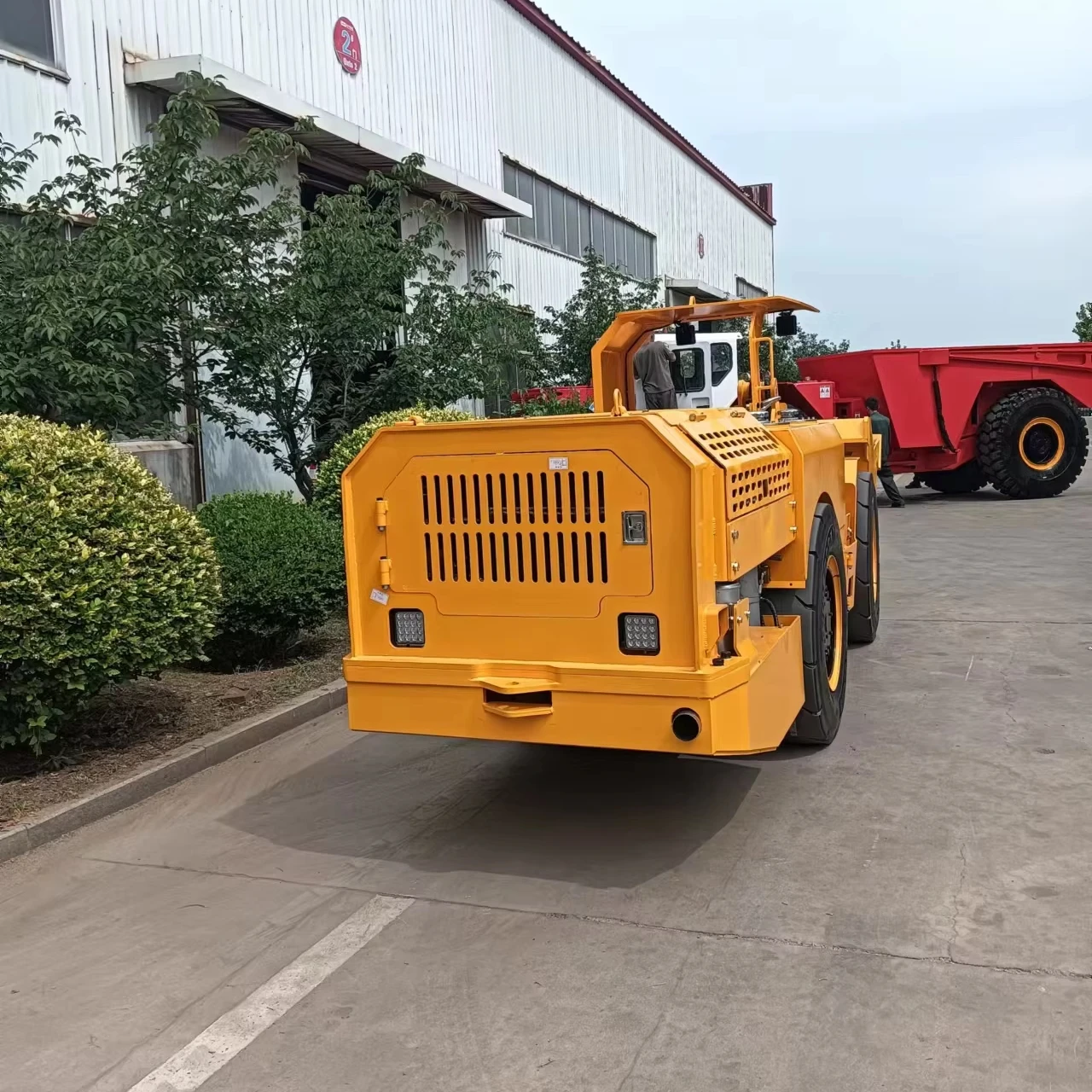
Underground loaders operate in some of the harshest environments imaginable — confined tunnels, heavy dust, extreme vibration, and fluctuating temperatures all place enormous stress on the hydraulic system. Unlike surface equipment, an underground loader cannot simply be driven out of a mine for a quick inspection. This makes proactive hydraulic system maintenance even more important. A well-maintained hydraulic system directly supports machine reliability, operator safety, and overall mine productivity. The following guidance covers the most effective maintenance practices that keep the hydraulic system performing at its best throughout the loader's working life.
Fluid Management and Contamination Control
Choosing and Monitoring Hydraulic Fluid
The foundation of any effective hydraulic system maintenance program is proper fluid management. Using the correct grade and specification of hydraulic fluid as recommended by the loader manufacturer is essential. The hydraulic system relies on clean, properly viscous fluid to transmit force efficiently and lubricate internal components. Contaminated or degraded fluid is the leading cause of hydraulic system component failure in underground loaders. Operators and maintenance teams should regularly sample hydraulic fluid and send it for laboratory analysis, which reveals particle counts, water contamination levels, and signs of oxidation that are invisible to the naked eye.
Establishing a consistent fluid change interval is equally important. Even if fluid analysis shows acceptable contamination levels, extended service intervals allow additive depletion that weakens the hydraulic system's internal protection. Follow the manufacturer's recommended change intervals and adjust them based on actual working conditions in your mine. Underground environments accelerate fluid degradation, so it is wise to err on the side of shorter intervals when conditions are particularly harsh. Every time the hydraulic system fluid is changed, the reservoir should be thoroughly cleaned to prevent residual contaminants from compromising the fresh charge.
Preventing External Contamination
Contamination enters the hydraulic system not only through fluid degradation but also through external pathways such as breather caps, cylinder rod seals, and filler caps. Every opening in the hydraulic system is a potential entry point for fine rock dust and moisture — both of which are abundant underground. Inspect and replace breather filters on a scheduled basis, and always use clean, capped containers when adding hydraulic fluid. Wipe all fittings and caps before opening them. A seemingly minor lapse in cleanliness during a routine top-up can introduce enough contamination to shorten the entire hydraulic system's service life significantly.
Inspecting Key Hydraulic System Components
Hoses, Fittings, and Seals
Regular visual and tactile inspection of all hoses, fittings, and seals is a non-negotiable part of hydraulic system maintenance. Hydraulic hoses on an underground loader face constant flexing, abrasion from tunnel walls, and exposure to rock falls. Any hose showing signs of cracking, bulging, or surface wear should be replaced immediately, before the hydraulic system experiences a high-pressure leak or burst. Pay particular attention to hose routing — improperly routed hoses that contact sharp edges or hot surfaces will deteriorate far faster than expected. Check all fittings for signs of seepage, which often indicates that the hydraulic system pressure is forcing fluid past a compromised connection.
Cylinder rod seals deserve special attention in the underground loader's hydraulic system. These seals prevent fluid loss and protect the cylinder bore from contamination entering through the rod. A leaking cylinder seal not only wastes hydraulic fluid but also allows abrasive particles to enter the hydraulic system, causing accelerated wear on pump internals and control valves. Inspect rod seals during every service interval and replace them at the first sign of weeping or scoring on the rod surface.
Pumps, Valves, and Filters
The pump is the heart of the hydraulic system. On a diesel-powered underground loader, the hydraulic pump runs under continuous high demand. Listen for unusual noises such as whining or cavitation sounds, which indicate that the hydraulic system pump is experiencing internal wear or starved fluid conditions. Replace the hydraulic system pump before catastrophic failure occurs, as a failed pump sends metal debris throughout the entire circuit. Control valves should be tested periodically for correct pressure settings and smooth spool movement. Hydraulic filters — both return-line and pressure filters — must be changed at the intervals specified for your hydraulic system, and more frequently when working in extremely dusty conditions.
Scheduled Maintenance and Record Keeping
Building a Structured Maintenance Schedule
Effective hydraulic system maintenance is not reactive — it follows a structured, documented schedule tied to machine operating hours. For the hydraulic system of a busy underground loader, this typically means daily visual checks, 250-hour filter inspections, 500-hour fluid sampling, and complete fluid changes at the manufacturer-defined interval. Each maintenance action should be logged with date, machine hours, and the technician's observations. This documentation allows trends to be identified — for example, if hydraulic system filters are consistently clogging faster than expected, it signals a contamination source that needs investigation rather than simply more frequent filter changes.
Training Operators and Technicians
Even the best hydraulic system maintenance schedule fails if the people responsible for carrying it out lack the right knowledge. Operators should be trained to recognize early warning signs of hydraulic system problems, including sluggish cylinder response, unusual heat at the reservoir, and visible fluid leaks. Technicians need hands-on training with the specific hydraulic system components fitted to the underground loader model in use. Investing in training reduces the risk of improper maintenance practices — such as over-tightening fittings or using incorrect fluid — that quietly cause hydraulic system damage over time. When operators and technicians understand the hydraulic system deeply, maintenance quality improves across every shift.
FAQ
How often should I change the hydraulic fluid in an underground loader?
The change interval for hydraulic system fluid depends on the manufacturer's recommendation and actual operating conditions. In harsh underground environments, a common interval is every 1000 to 2000 operating hours, but fluid sampling results may indicate that earlier changes are needed. Always consult the specific service manual for your loader model and adjust intervals based on contamination levels found in regular fluid analysis of your hydraulic system.
What are the most common causes of hydraulic system failure in underground loaders?
The most common causes of hydraulic system failure include fluid contamination from dust and moisture, degraded seals, hose failures from abrasion, and cavitation damage to the pump. Neglecting scheduled maintenance allows these issues to compound. A proactive approach that addresses each element of the hydraulic system on a regular schedule prevents the majority of failures seen in underground loaders.
Can I use any hydraulic fluid brand in my underground loader's hydraulic system?
No. The hydraulic system of your underground loader is designed to operate with fluid meeting specific viscosity and additive specifications defined by the manufacturer. Using an incompatible fluid can degrade seals, reduce pump efficiency, and void equipment warranties. Always verify that any hydraulic fluid you use meets the exact specification required by your loader's hydraulic system before adding it to the reservoir.