
 EN
EN
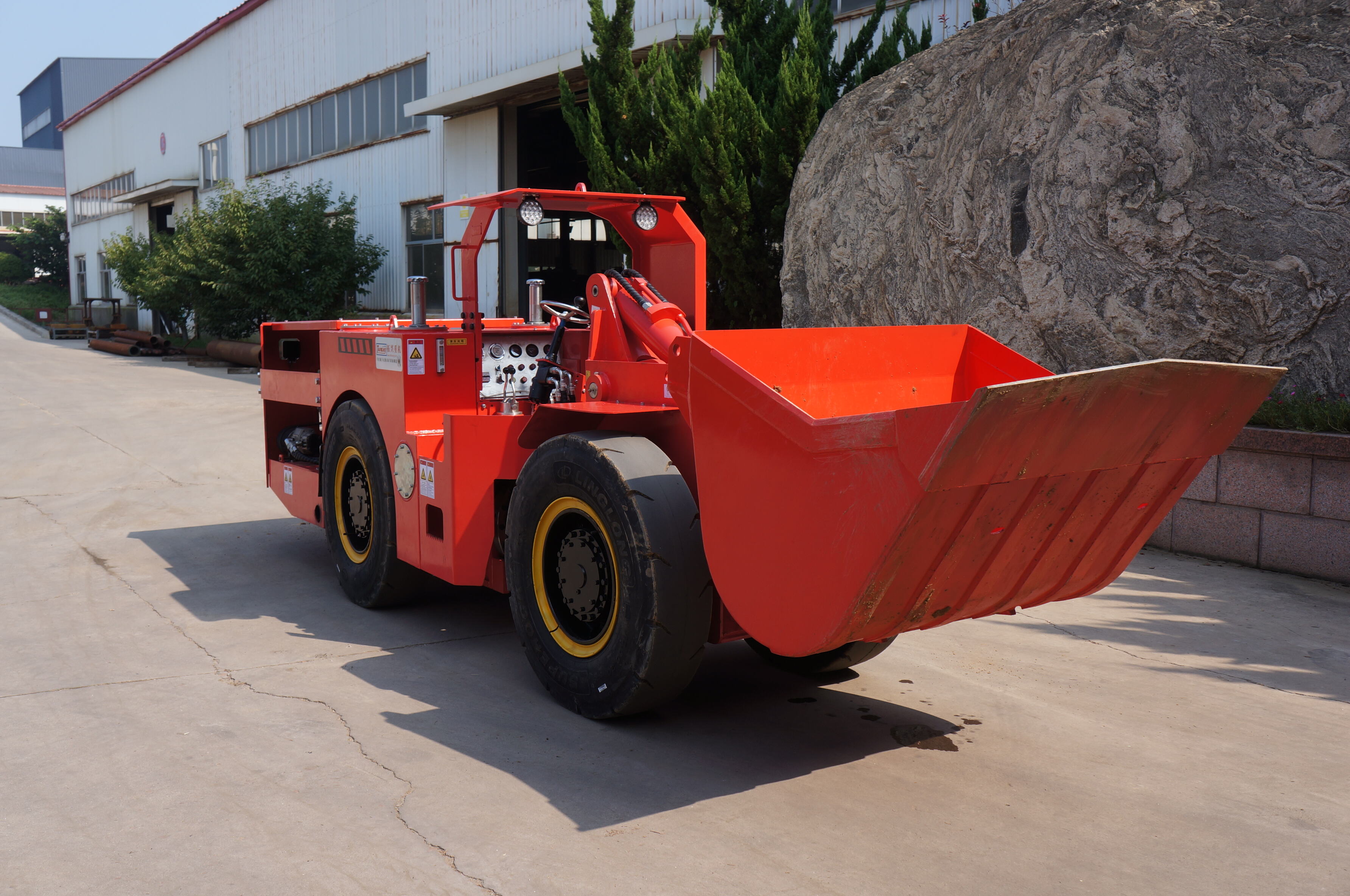
Արդյունավետության ավելացում ստորգետնյա ԼՀԴ բեռնիչների միջոցով
Ստորգետնյա հանքարդյունաբերական գործողությունները պահանջում են բարձր արդյունավետություն, անվտանգություն և հուսալիություն: Ստորգետնյա ԼՀԴ (բեռնել, տեղափոխել, թափել) բեռնիչների ներդրումը հեղափոխություն է կատարել հանքարդյունաբերական գործընթացներում՝ առաջարկելով հարմարեղանակ լուծում սահմանափակ տարածություններում նյութեր տեղափոխելու համար: Այս մեքենաները ոչ միայն ավելացնում են արտադրողականությունը, այլ նաև օպտիմալացնում են աշխատանքային գործընթացը, կրճատում են աշխատակազմի պահանջարկը և նվազեցնում են շահագործման դադարները: Ստորգետնյա ԼՀԴ բեռնիչներ , շահարկման ընկերությունները կարող են պահպանել կայուն արտադրության տեմպ, նվազեցնել սարքավորումների մաշվածությունը և ապահովել ավելի անվտանգ աշխատանքային պայմաններ օպերատորների համար։ LHD լցնողների ճիշտ օգտագործումն ու սպասարկումն ավելի է բարձրացնում ամբողջական արդյունավետությունն ու շահարկման կայունությունը։
Անցքային LHD լցնողների օգտագործման հիմնական առավելությունները
Կոմպակտ դիզայն սահմանափակ տարածքերի համար
Անցքային LHD լցնողները նախագծված են հատկապես նեղ թունելներում և սահմանափակ տարածքներում շարժվելու համար։ Դրանց կոմպակտ շրջանակը հնարավորություն է տալիս օպերատորներին հասնել այն տարածքներին, որտեղ ավանդական տանկերը կամ լցնողները հասնել չեն կարողանում։ Այս նախագիծը ոչ միայն ավելացնում է շահարկման ճկունությունը, այլ նաև նվազեցնում է ընդարձակ թունելային շինարարության անհրաժեշտությունը՝ խնայելով ժամանակ և շինարարական ծախսեր։
Անցքային LHD բեռնիչների շրջումաբերությունը հնարավորություն է տալիս հարմարավետ կերպով մշակել նյութեր սեղմ տարածքներում: Օպերատորները կարող են արդյունավետ բեռնել հանքապար, թափոններ կամ այլ նյութեր՝ առանց հաճախադեպ վերադասավորման կամ լրացուցիչ սարքավորումների սպասելու: Կոմպակտ կոնստրուկցիան հստակ կառավարման համակարգերի հետ միասին նպաստում է նյութերի անընդհատ շարժմանը և նվազեցնում ընդհանուր դադարների տևողությունը հանքարդյունաբերական գործողություններում:
Բարձր բեռնունակություն և արդյունավետ նյութերի մշակում
Չնայած իրենց կոմպակտ չափսերին՝ անցքային LHD բեռնիչները նախագծված են կրելու զգալի բեռներ: Դրանց ամուր սափրիչները և արդյունավետ հիդրավլիկան հնարավորություն են տալիս արագ բեռնել և բեռնաթափել, առավելացնելով յուրաքանչյուր ցիկլում տեղափոխվող նյութի քանակը: Այս հնարավորությունը կարևոր է անցքային հանքարդյունաբերական գործողություններում արտադրության տեմպերի անընդհատությունը պահպանելու համար:
Արդյունավետ նյութի կառավարումը նվազեցնում է լցնողի և կցված տրանսպորտային սարքավորումների անօգտագործման ժամանակը: Լցնողի կոնստրուկցիան հնարավորություն է տալիս օպերատորներին հեշտությամբ կառավարել տարբեր տեսակի նյութեր՝ սկսած ազատ հանքապարից մինչև սեղմված թափոններ: Բարձր բեռնունակությունը համատեղված օպտիմալացված ցիկլային ժամանակի հետ անմիջական ազդեցություն է թողնում հանքարդյունաբերական գործողությունների արդյունավետության վրա և նվազեցնում է լրացուցիչ սարքավորումների անհրաժեշտությունը:
Ավելացված օպերատորի հանգունություն և աمنականություն
Օպերատորի հարմարավետությունը ստորգետնյա հանքարդյունաբերության արդյունավետության կարևոր գործոն է: Ձախակողմյան բեռնիչները առանձնանում են էրգոնոմիկ խցիկներով, կարգավորվող նստատեղերով և ինտուիտիվ կառավարման համակարգերով, որոնք նվազեցնում են օպերատորի հոգնածությունը: Հարմարավետ օպերատորներն ավելի կենտրոնացած են, ինչը նվազեցնում է շահագործման սխալները և մեծացնում նյութերի մշակման կայունությունը:
Անվտանգության հատկանիշներ, ինչպիսիք են ամրացված կաբինները, արտակարգ դադարի մեխանիզմները և առաջադեմ լուսավորության համակարգերը, պաշտպանում են օպերատորներին բարդ ստորգետնյա միջավայրերում։ Հանքարդյունաբերական ընկերությունները, որոնք առաջնահերթություն են տալիս օպերատորների անվտանգությանը և հարմարավետությանը, ոչ միայն համապատասխանում են կանոնակարգերին, այլև նվազեցնում են վթարների ռիսկը, ինչը նպաստում է անընդհատ արտադրությանը և գործառնական արդյունավետության բարձրացմանը։
ԼՀԴ բեռնիչների արդյունավետությունը առավելագույնի հասցնելու նպատակով սպասարկման գործընթացներ
Պարբերական ստուգումներ և կանխարգելիչ սպասարկում
Պարբերական ստուգումները կարևոր են ստորգետնյա ԼՀԴ բեռնիչների հուսալիությունը պահպանելու համար։ Հիդրավլիկ համակարգերի, անվատակների և էլեկտրական շղթաների նման մասերի ստուգումը թույլ է տալիս հայտնաբերել հնարավոր խնդիրները դրանք ծայրահեղ փուլին հասնելուց առաջ։ Կանխարգելիչ սպասարկման գործընթացները, ինչպիսիք են հողակուլիսների յուղումը, մասերի փոխարինումը և համակարգերի կարգավորումը, կանխում են անսպասելի խափանումները, որոնք կարող են հանգեցնել ծախսատար կանգների։
Կառուցված սպասարկման գրաֆիկը թույլ է տալիս օպերատորներին սպասարկումը պլանավորել ոչ գագաթնային շրջաններում՝ նվազագույնի հասցնելով հանքարդյունաբերական գործողությունների խաթարումը։ Փոքր խնդիրները նախապես լուծելով՝ հանքարդյունաբերական թիմերը կարող են խուսափել մեծածավալ վերանորոգումներից և պահպանել մեքենայի կայուն աշխատանքը։
Հիդրավլիկ և շարժիչի համակարգի խնամք
Անցքային LHD բեռնիչների հիդրավլիկ և շարժիչի համակարգերը կարևոր են դրանց աշխատանքի համար։ հեղուկի մակարդակի հսկումը, արտահոսքերի հայտնաբերումը և շարժիչի պարբերական ախտորոշումը ապահովում են, որ բեռնիչը աշխատի օպտիմալ արդյունավետությամբ։ Լավ սպասարկվող հիդրավլիկ և շարժիչի համակարգերը բարելավում են վառելիքի ծախսը, նվազեցնում են մեխանիկական մասերի մաշվածությունը և մեծացնում են մեքենայի ընդհանուր կյանքի տևողությունը։
Այս համակարգերի ճիշտ խնամքը կանխում է սարքավորումների հանկարծակի կանգը, որը կարող է կանգնեցնել նյութերի տեղափոխումը և ուշացնել արտադրության գրաֆիկը։ Շարժիչի և հիդրավլիկ համակարգերի սպասարկման համար ստանդարտացված ընթացակարգեր հետևող սպասարկման թիմերը նպաստում են LHD բեռնիչի հուսալի և արդյունավետ աշխատանքին։
Թափոցների և շղթաների կառավարում
Լուծարանները կամ շղթաները ուղղակիորեն պատասխանատու են սայլակի մակերեսի մակայնության, կայունության և անվտանգ շահագործման համար։ Մաշված անվադողերի կամ շղթայի մասերի հաճախադեպ ստուգումը և փոխարինումը կանխում է սայթաքումը, վթարները և այլ մասերի անհավասար մաշվածությունը։ Ճիշտ սպասարկված անվադողերը կամ շղթաները բարելավում են կառավարելիությունը և ապահովում հարթ շահագործում դժվարանդրի ստորգետնյա մակերեսներում։
Անվադողերի և շղթաների կառավարումը երկարաձգում է սայլակի կյանքը՝ նվազեցնելով անսպասելի դադարի ռիսկը։ Մաշվածության օրինաչափությունները վերահսկելով և համապատասխանաբար կարգավորելով սպասարկման գրաֆիկները՝ օպերատորները կարող են ապահովել անընդհատ արդյունավետ աշխատանք դժվարանդրի ստորգետնյա պայմաններում։
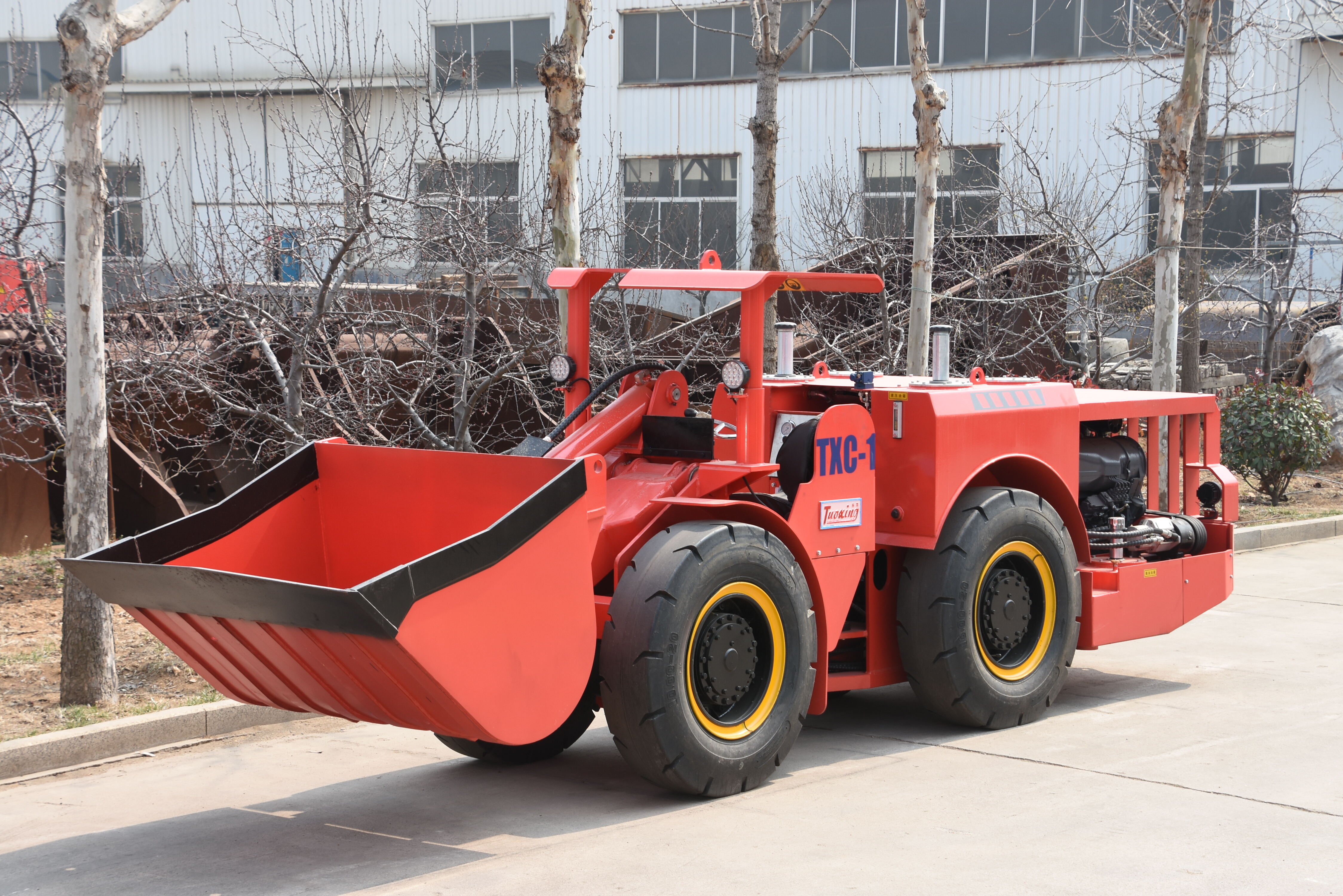
Գործառությունների ռազմավարություններ ավելի բարձր արդյունավետության համար
Օպտիմալացված բեռնման և տեղափոխման ցիկլեր
Անցքային շահագործման արդյունավետությունը ուղղակիորեն կախված է բեռնման և տեղափոխման ցիկլերի կառավարման ձևից։ LHD բեռնիչները հնարավորություն են տալիս կրճատել ցիկլերի տևողությունը՝ իրենց կոմպակտ կառուցվածքի, բարձր բեռնունակության և ճկունության շնորհիվ։ Այս ցիկլերի օպտիմալացումը թույլ է տալիս հանքարդյունաբերական թիմերին առավելագույնի հասցնել նյութի ժամեկական տեղափոխման քանակը՝ բարելավելով ընդհանուր արտադրողականությունը։
Օպերատորները պետք է կենտրոնանան սպասման ժամանակի կրճատման և անցքային տրակտորների կամ փոխադրիչների նման այլ սարքավորումների հետ համակարգված աշխատանքի վրա։ Ցիկլերի արդյունավետ կառավարումը նվազեցնում է կույտերը, կատարելագործում է աշխատանքային գործընթացը և ապահովում է, որ նյութերի տեղափոխումը համընթաց լինի արտադրության թիրախներին։
Մյուս հանքարդյունաբերական սարքավորումների հետ ինտեգրում
Անցքային LHD բեռնիչները ամենալավ աշխատում են, երբ ինտեգրված են համակավարարված հանքարդյունաբերական համակարգի մեջ։ Նրանց աշխատանքի համակարգումը այլ մեքենաների, փոխադրիչների և պահեստային համակարգերի հետ ապահովում է նյութերի հարթ շարժը։ Այս ինտեգրումը նվազեցնում է անգործության ժամանակը, կանխում է խցանումները նեղ թունելներում և բարելավում է ընդհանուր շահագործման արդյունավետությունը։
Օպերատորների և սպասարկման անձնակազմի միջև կանոնավոր կապը համոզվում է, որ ցանկացած ուշացումներ կամ խնդիրներ արագ են լուծվում: Լավ ինտեգրված սարքավորումները հանգեցնում են ավելի կանխատեսելի աշխատանքային գործընթացի, նվազեցնում են անսպասելի ընդհատումները և աջակցում արտադրության կայուն գրաֆիկներին:
Օպերատորների վերապատրաստում և մասնագիտական ունակությունների զարգացում
Կրիտիկական նշանակություն ունեն հմուտ օպերատորները LHD բեռնիչների արդյունավետությունն առավելագույնի հասցնելու համար: Հիմնական վերապատրաստման ծրագրերը կենտրոնանում են սարքավորումների կառավարման, սպասարկման նկատմամբ տեղեկացվածության և անվտանգության կանոնների վրա: Փորձառու օպերատորները կարող են արդյունավետ կերպով կառավարել սարքավորումները, խուսափել մեխանիկական ծանրաբեռնվածությունից և նվազագույնի հասցնել շահագործման սխալները:
Շարունակական մասնագիտական ունակությունների զարգացումը համոզվում է, որ օպերատորները ծանոթ են լինում վերջին շահագործման մեթոդներին և սպասարկման լավագույն պրակտիկաներին: Օպերատորների վերապատրաստման մեջ ներդրումները հանգեցնում են ավելի հուսալի աշխատանքի, ավարտական պակասի և ստորգետնյա հանքարդյունաբերական գործողությունների արտադրողականության բարելավմանը:
Էներգաարդյունավետություն և շրջակա միջավայրի համար հաշվի առնվող համարվող գործոններ
Դիեզական արտադրողության արդյունավետ մոտորների դիզայն
Ժամանակակից ստորգետնյա ձախ վարորդի կողմով բեռնիչները հագեցած են վառելիքի հաշվառմամբ շարժիչներով, որոնք նվազեցնում են էներգային ծախսերը՝ պահպանելով աշխատանքային հզորությունը: Շարժիչների բարելավված աշխատանքը նվազեցնում է շահագործման ծախսերը և ներդրում է լրացուցիչ ներդրում հանքարդյունաբերական գործողությունների շրջակա միջավայրի վրա ունեցած ազդեցության նվազեցման մեջ:
Շարժիչի շարունակական հսկումը և սպասարկումը ապահովում է վառելիքի հաշվառմամբ աշխատանքի պահպանումը երկար ժամանակով: Էներգախնայողական մոտեցումների ընդունումով հանքարդյունաբերական ընկերությունները կարող են նվազեցնել ինչպես շահագործման ծախսերը, այնպես էլ իրենց ստորգետնյա գործողությունների շրջակա միջավայրի վրա ունեցած ազդեցությունը:
Արտանետումների վերահսկում և շրջակա միջավայրի հետ համապատասխանություն
Ստորգետնյա ձախ վարորդի կողմով բեռնիչները հաճախ աշխատում են սահմանափակ տարածություններում, որտեղ արտանետումները կարող են ազդել օդի որակի վրա: Առաջադեմ արտանետումների վերահսկման համակարգերը ապահովում են գազային արտանետումների նվազագույնի հասցումը՝ ապահովելով աշխատողների առողջությունը և կանոնադրություններին համապատասխանությունը: Արտանետումների նվազեցումը նաև նպաստում է հանքարդյունաբերության կայուն գործունեության զարգացմանը:
Արտանետման մակարդակի հսկումը և ճիշտ վենտիլյացիան ապահովելու նպատակով իրականացվող սպասարկման գործընթացները պաշտպանում են աշխատողներին և սարքավորումները: Շրջակա միջավայրի նկատմամբ գազանված մոտեցումը բարելավում է հանքարդյունաբերական ընկերությունների համայնքային համարձակությունը և աջակցում է երկարաժամկետ գործողությունների կայունությանը:
Հաճախ տրամադրվող հարցեր
Ինչ են ստորգետնյա ԼՀԴ բեռնիչների օգտագործման հիմնական առավելությունները:
Ստորգետնյա ԼՀԴ բեռնիչները բարելավում են արդյունավետությունը՝ առաջարկելով բարձր բեռնատարողություն, կոմպակտ կոնստրուկցիա և շարժունակություն սահմանափակ տարածություններում: Նրանք բարելավում են օպերատորի անվտանգությունն ու հարմարավետությունը, կրճատում են ցիկլային ժամանակը և ապահովում են նյութերի համապարփակ տեղափոխումը, ինչը համատեղ ավելի բարձր արտադրողականության աջակցում է հանքարդյունաբերական գործողություններում:
Ինչպե՞ս է սպասարկումը ազդում ԼՀԴ բեռնիչի աշխատանքի վրա:
ԼՀԴ բեռնիչի հուսալիությունը պահպանելու համար կարևոր են պարբերական ստուգումները, կանխարգելիչ սպասարկումը և հիդրավլիկ համակարգի խնամքը: Ճիշտ սպասարկումը կանխում է անսպասելի խափանումները, կրճատում է դադարների տևողությունը և ապահովում է սարքավորման կյանքի ընթացքում օպտիմալ աշխատանք:
Կարո՞ղ է արդյոք օպերատորի վերապատրաստումը բարելավել հանքարդյունաբերական արդյունավետությունը ԼՀԴ բեռնիչների դեպքում:
Այո, լավ թրենինգ անցած օպերատորները LHD բեռնիչներն ավելի արդյունավետ են կառավարում, նվազեցնում են շահագործման սխալները և պահպանում են հաստատուն ցիկլային ժամանակը։ Վարման, անվտանգության և սպասարկման գիտակցության վերաբերյալ թրենինգային ծրագրերը նպաստում են արտադրողականության բարձրացմանը և դադարների նվազեցմանը։
Բովանդակության աղյուսակ
- Արդյունավետության ավելացում ստորգետնյա ԼՀԴ բեռնիչների միջոցով
- Անցքային LHD լցնողների օգտագործման հիմնական առավելությունները
- ԼՀԴ բեռնիչների արդյունավետությունը առավելագույնի հասցնելու նպատակով սպասարկման գործընթացներ
- Գործառությունների ռազմավարություններ ավելի բարձր արդյունավետության համար
- Էներգաարդյունավետություն և շրջակա միջավայրի համար հաշվի առնվող համարվող գործոններ
- Հաճախ տրամադրվող հարցեր