
 EN
EN
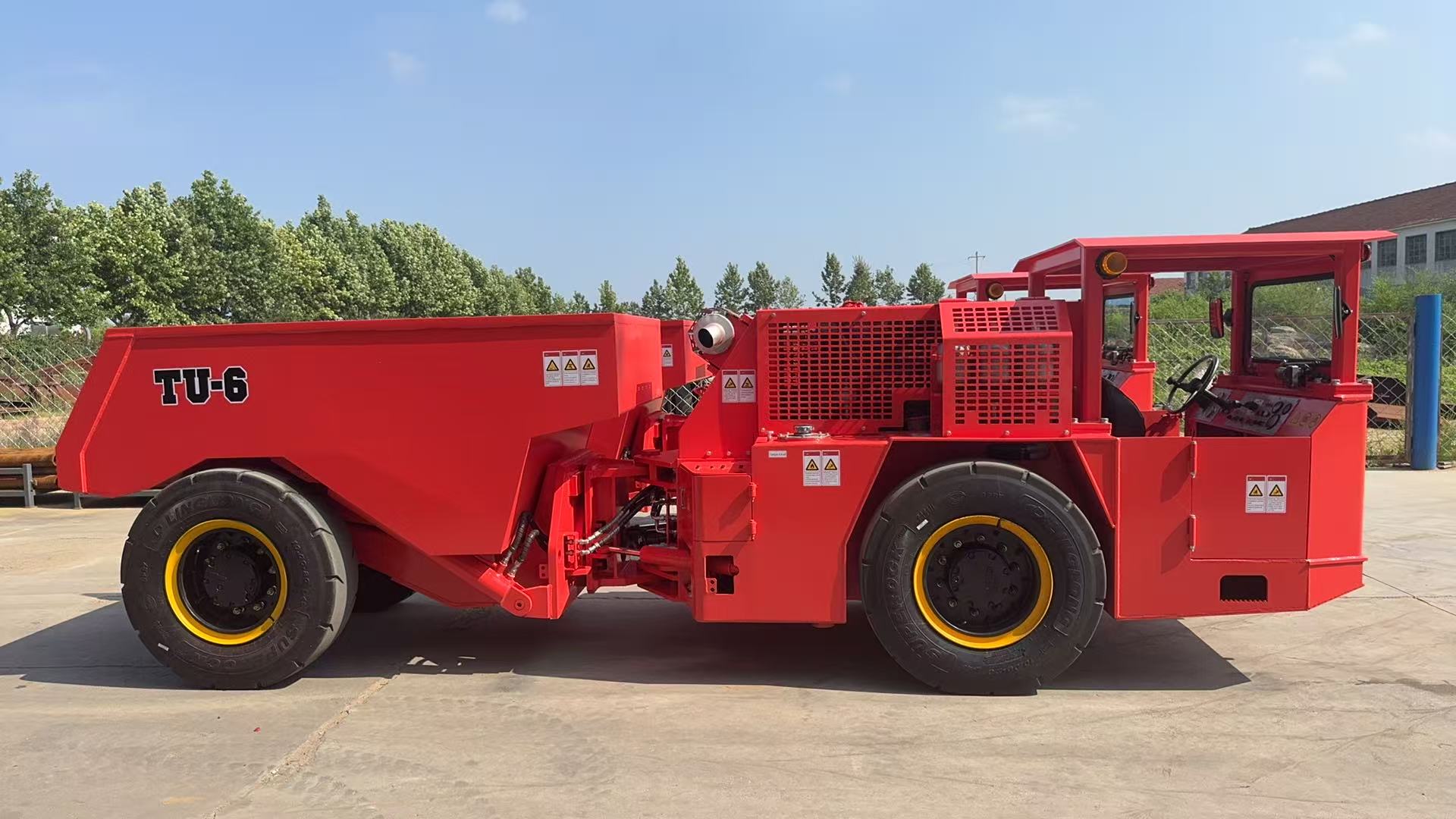
When operations managers ask whether standardizing equipment models can meaningfully reduce overhead, the answer is a clear yes — and the savings begin directly with mining machinery spare parts. Across large-scale extraction sites, the diversity of equipment brands and model generations forces procurement teams to stock an enormous range of components, each with its own shelf life, supplier relationship, and minimum order quantity. Reducing that diversity through deliberate model standardization is one of the most effective cost-control levers available to mining operations today.
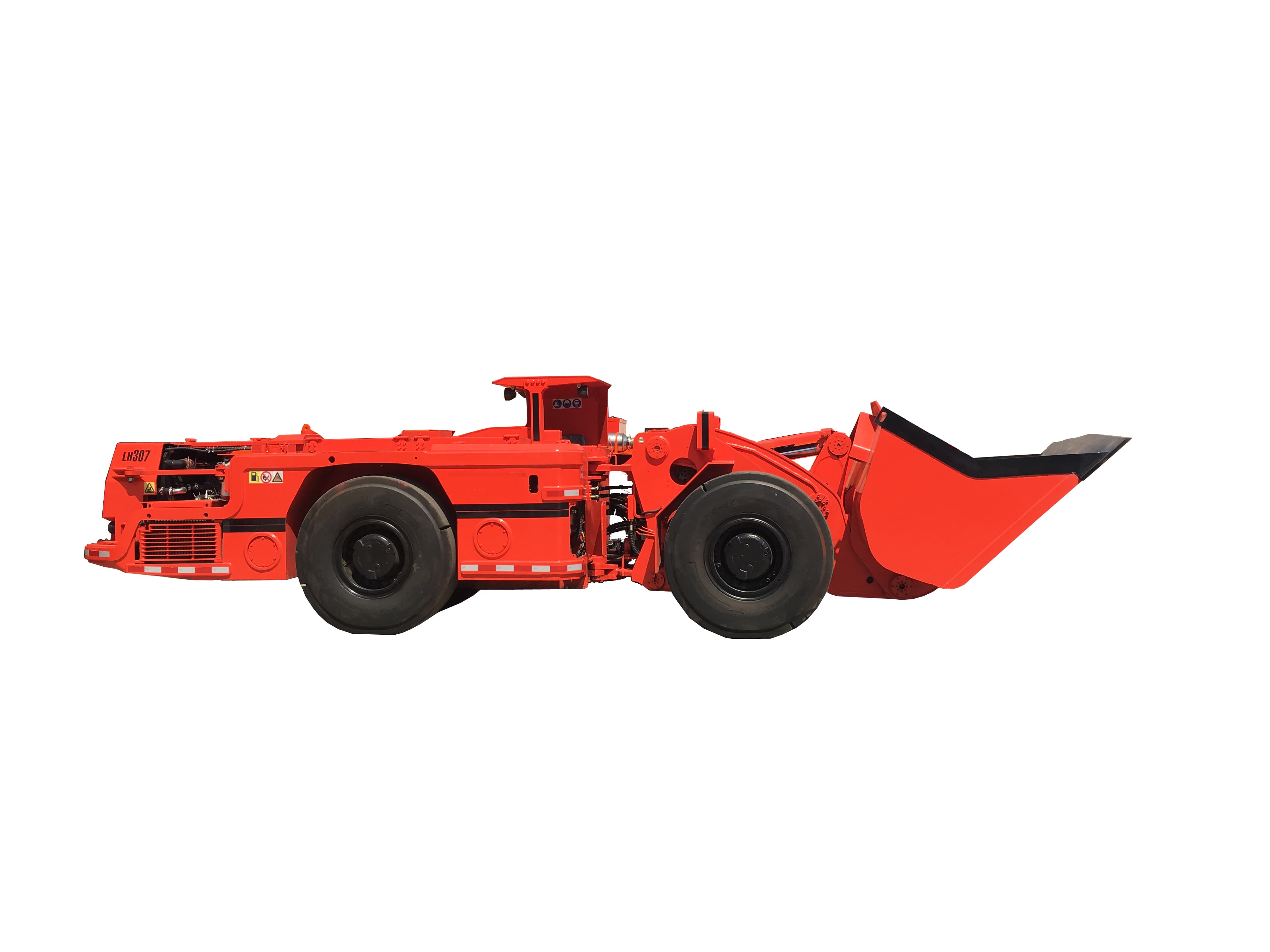
The relationship between equipment standardization and mining machinery spare parts inventory is direct and measurable. When multiple machines on a site share identical or highly compatible components, a single stockpile of mining machinery spare parts can serve the entire fleet rather than being fragmented across dozens of incompatible specifications. This consolidation reduces total inventory value, decreases storage space requirements, and significantly lowers the risk of holding obsolete mining machinery spare parts that never get used. Understanding how this works in practice requires a closer look at the mechanics of inventory cost, procurement efficiency, and maintenance planning.
How Model Diversity Inflates Mining Spare Parts Inventory
The Hidden Cost of Component Fragmentation
Every unique equipment model introduced to a mining site adds a new layer of complexity to the mining machinery spare parts supply chain. When a fleet contains machines from five different manufacturers, each with distinct hydraulic fittings, filter sizes, and wear parts specifications, the parts room must stock mining machinery spare parts for all five platforms simultaneously. This fragments purchasing volume, prevents bulk pricing, and creates parallel supplier relationships that each carry administrative overhead. The result is an inflated inventory that ties up working capital in mining machinery spare parts that sit unused far longer than they should.
Beyond procurement complexity, fragmented mining machinery spare parts inventories create maintenance scheduling problems. Technicians must be trained across multiple component families, and the risk of ordering the wrong mining machinery spare parts increases with every additional specification variant. Emergency orders for rare mining machinery spare parts often carry premium pricing and long lead times, both of which add unexpected cost to operations that could otherwise run on a lean, predictable inventory model.
Quantifying the Inventory Burden
Operations that track their mining machinery spare parts holding costs carefully often find that 30 to 40 percent of stocked items account for the vast majority of actual usage. The remaining inventory represents insurance stock for low-probability failures across diverse equipment models. When equipment is standardized, the ratio of active-use mining machinery spare parts to insurance stock improves significantly, allowing procurement teams to right-size their holdings. Fewer unique part numbers means tighter reorder points, more accurate demand forecasting, and lower total inventory value without sacrificing maintenance readiness.
Standardization as a Strategic Lever for Cost Reduction
Consolidating Equipment Platforms Across Fleet
The most direct path to lower mining machinery spare parts costs is reducing the number of distinct equipment platforms operating on a single site. When a mine standardizes on one or two primary machine models for a given task category, the mining machinery spare parts for those models can be purchased in larger volumes, negotiated more aggressively with suppliers, and stored more efficiently. Volume concentration also improves supplier responsiveness, since vendors prioritize clients who purchase mining machinery spare parts at scale rather than placing scattered low-value orders across many part numbers.
Platform consolidation also extends to component-level standardization within a fleet. Even when two machines serve different functions, if they share the same engine family, hydraulic pump design, or undercarriage components, then the mining machinery spare parts for those shared systems can be pooled. This cross-platform sharing is one of the most underutilized strategies for reducing mining machinery spare parts inventory without reducing machine capability or operational flexibility.
Lifecycle Planning and Predictive Replenishment
Standardized fleets make it substantially easier to build accurate lifecycle models for mining machinery spare parts. When a site operates identical machines with known service intervals, maintenance teams can predict with confidence when specific mining machinery spare parts will be needed and in what quantities. This predictability transforms spare parts procurement from a reactive, emergency-driven process into a planned, scheduled activity. Planned procurement of mining machinery spare parts consistently achieves lower unit costs, better lead times, and reduced risk of production stoppages caused by parts unavailability.
Implementation Considerations for Parts Inventory Optimization
Transition Challenges and Phased Approaches
Achieving full fleet standardization takes time, and during the transition period, a mine may temporarily hold mining machinery spare parts for both legacy and standardized equipment. This overlap phase requires careful management to avoid overstocking or premature write-offs of mining machinery spare parts for machines being phased out. A phased approach, aligned with equipment replacement cycles, allows inventory teams to gradually reduce the number of unique mining machinery spare parts categories while maintaining full operational coverage throughout the transition.
Supplier partnerships play an equally important role during this period. As the fleet converges toward standardized models, mining operations gain leverage to negotiate preferred pricing, consignment arrangements, or vendor-managed inventory programs specifically for high-usage mining machinery spare parts. These arrangements further reduce the capital tied up in on-site mining machinery spare parts stock while guaranteeing supply security for critical components.
Data Systems and Inventory Visibility
Standardization delivers its full cost benefit only when paired with robust inventory management systems. Tracking mining machinery spare parts usage, monitoring reorder points, and analyzing consumption patterns across a standardized fleet gives operations teams the data needed to continuously refine their mining machinery spare parts holdings. Digital inventory platforms that flag excess stock, highlight slow-moving mining machinery spare parts, and automate replenishment orders convert the structural advantage of standardization into realized, measurable savings on a rolling basis.
FAQ
How much can standardization realistically reduce mining machinery spare parts inventory costs?
The reduction varies by site, but operations that move from highly diverse fleets to standardized models typically see mining machinery spare parts inventory costs fall by 20 to 35 percent over a two-to-three-year transition. The savings come from higher volume purchasing discounts, reduced obsolescence write-offs, and lower administrative overhead for managing mining machinery spare parts procurement across fewer part numbers.
Does standardization affect the availability of mining machinery spare parts during emergencies?
Standardization generally improves emergency parts availability. When a site stocks mining machinery spare parts for fewer model variants, it can maintain deeper inventory of each critical component. Suppliers also prioritize high-volume customers, so standardized fleets that purchase mining machinery spare parts consistently at scale tend to receive faster service and more favorable fulfillment terms during urgent situations.
What is the first step toward standardizing a fleet to reduce mining machinery spare parts costs?
The practical starting point is a comprehensive audit of the current mining machinery spare parts inventory alongside a full fleet model census. Mapping which machines share components reveals immediate pooling opportunities without requiring new equipment purchases. From this baseline, operations teams can build a phased equipment standardization roadmap that systematically reduces the unique mining machinery spare parts categories the site must maintain over time.